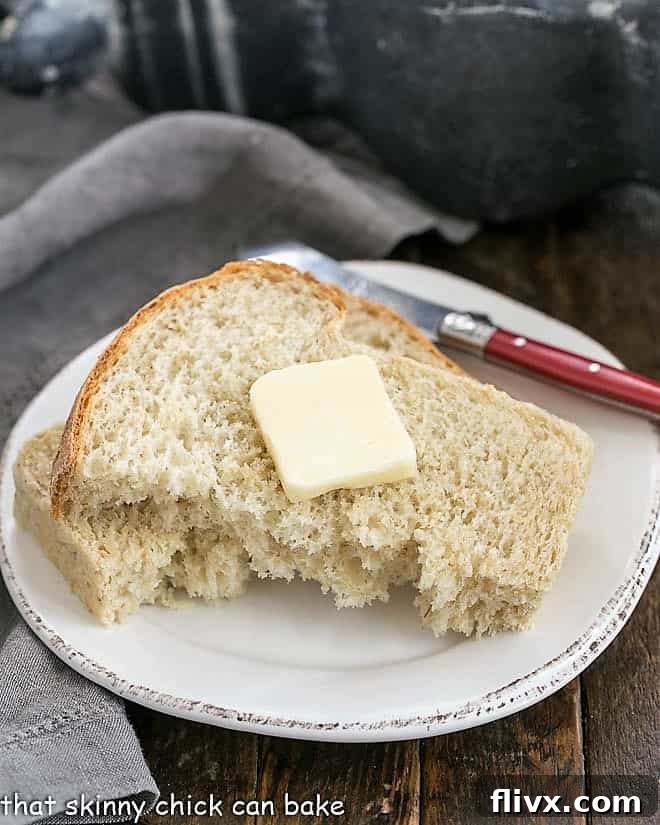
There are few comforts quite like the aroma of freshly baked bread filling your home. This Classic Oatmeal Bread recipe doesn’t just promise deliciousness; it delivers a warm hug of nostalgia, instantly transporting you back to simpler times. Imagine sinking your teeth into a slice, still warm from the oven, adorned with a generous smear of cold, creamy butter. This isn’t just a recipe; it’s an invitation to recreate those cherished childhood memories and make new ones with your loved ones. This homemade oat bread is incredibly soft, beautifully tender, and undeniably satisfying, making it an absolute must-try for any baking enthusiast.
There’s an undeniable magic in homemade bread, and this Oat Bread perfectly embodies that charm. Its subtle sweetness, combined with the hearty texture of oats, creates a loaf that’s perfect for breakfast, toast, sandwiches, or simply enjoyed on its own. The process of baking yeast bread, from activating the yeast to watching the dough rise and finally pulling a golden-brown loaf from the oven, is a truly rewarding experience. The tantalizing scent alone is enough to make anyone’s mouth water and their spirit lift. Prepare to awaken your inner baker and delight your senses with this exceptional recipe.
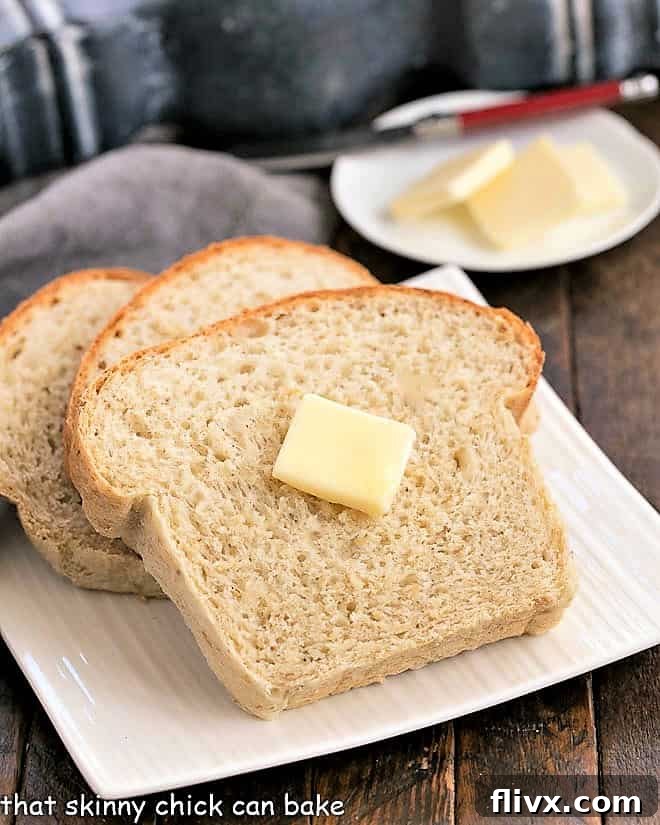
Why You Must Bake This Irresistible Oatmeal Bread
- Authored by a Master Baker: This exceptional recipe is not just any recipe; it hails from the renowned kitchen of Nick Malgieri, one of my absolute favorite and most trusted bakers. Malgieri’s meticulous approach to baking ensures a foolproof process and consistently perfect results, even for those new to bread making. His expertise guarantees that every step is well-thought-out, leading to a truly superior loaf of bread.
- The Joy of Sharing Homemade: There’s an unparalleled joy in sharing a freshly baked loaf of homemade bread with family and friends. The effort, the warmth, the incredible aroma – it all contributes to a truly special experience. Especially when served warm, straight from the oven, this bread transforms a simple meal into a memorable occasion. It’s more than just food; it’s an expression of love and care.
- Subtly Sweet and Hearty Perfection: What sets this oatmeal bread apart is its perfectly balanced flavor profile. The addition of brown sugar lends a gentle sweetness that beautifully complements the wholesome, nutty taste of the oats. This subtle sweetness makes it incredibly versatile, wonderful on its own, with savory toppings, or as a delightful breakfast treat. It’s truly a terrific homemade yeast bread recipe that offers both comfort and deliciousness.
My love affair with oatmeal bread began in childhood, rooted deeply in my mom’s kitchen. Her version was legendary, and while I never quite uncovered the precise secrets of her recipe, the memory of eating it hot from the oven, slathered generously with cool, creamy butter, remains vivid. Was it the contrast of temperatures – the warmth of the bread against the chill of the butter – that made it so magical? Perhaps. Whatever the reason, that combination continues to be a favorite comfort. When I set out to recreate that nostalgic flavor, I turned to a true baking guru, Nick Malgieri, for guidance and inspiration. His reputation for detailed and reliable recipes made him the perfect source.
Malgieri’s seminal work, How to Bake (affiliate link), has been an indispensable resource in my culinary journey. It’s where I discovered the secrets to my favorite cheesecake, a perfect apple pie, and now, this truly exceptional oatmeal bread. As a novice baker years ago, I valued his unparalleled attention to detail and his clear, precise instructions. I’ve experimented with many oatmeal bread recipes over the years, seeking to capture that elusive taste of home, but this one stands head and shoulders above the rest. It consistently delivers a loaf that is wonderfully soft, perfectly sweet, and incredibly tender. This, without a doubt, is the ultimate oat bread, satisfying both the palate and the soul.
Essential Ingredient Insights for Your Oatmeal Bread
Crafting this Classic Oatmeal Bread is a rewarding experience, and using the right ingredients is key to its success. This is a delicious, basic bread recipe primarily made with active dry yeast, offering a hearty and comforting loaf.
- Rolled Oats: For the best texture and flavor, always opt for Old Fashioned Rolled Oats. These provide a robust, chewy texture and a deeper oat flavor that quick oats simply cannot replicate. Quick oats are processed more finely and will break down too much during the baking process, potentially making your bread gummy. Stick to the traditional rolled oats for that authentic, wholesome feel.
- Active Dry Yeast: You’ll need one envelope, typically 2 ¼ teaspoons, of active dry yeast. The brand matters, and I highly recommend Red Star Yeast for its consistent performance and reliability. Yeast is a living organism, so always check the expiration date. Fresh yeast is crucial for a successful rise and a light, airy texture in your bread.
- All-Purpose, Unbleached Flour: The foundation of any good bread is good flour. I consistently use King Arthur brand all-purpose, unbleached flour. Unbleached flour retains more nutrients and typically has a slightly higher protein content than bleached flour, which contributes to better gluten development and a chewier crumb. It provides the perfect structure for this hearty loaf.
- Table Salt: Never, under any circumstances, omit the salt from your bread recipe. While seemingly a minor ingredient, salt is a powerful flavor enhancer. It not only brings out the natural flavors of the other ingredients but also controls yeast activity, preventing the dough from over-rising too quickly. Without salt, your bread will taste bland and flat, lacking that essential depth of flavor that makes homemade bread so appealing.
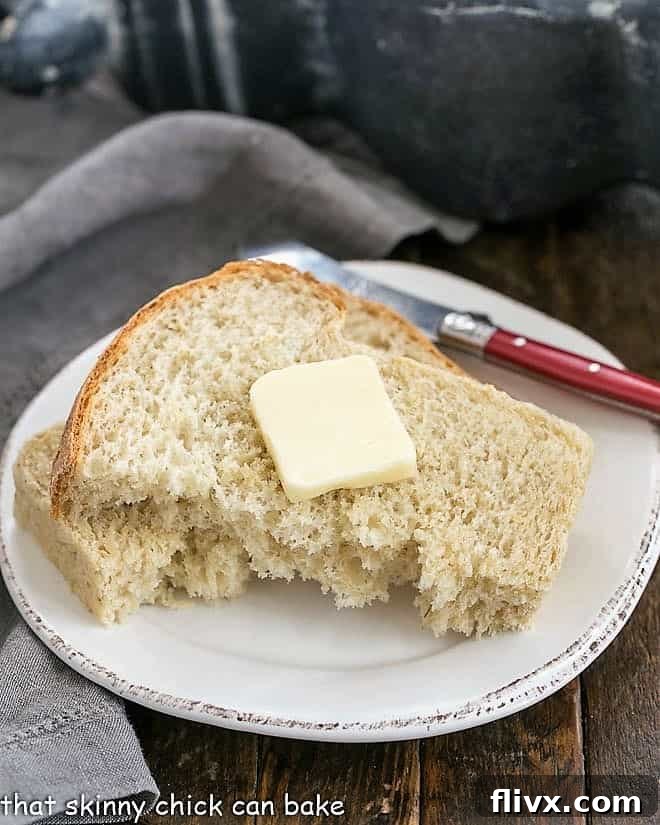
Mastering Oatmeal Bread: Expert Baking Tips
- Precision with Yeast Activation Temperature: Yeast is the living heart of your bread, and its activation is critical. PRO-Tip: The ideal temperature for warm water to activate active dry yeast is between 105ºF (40ºC) and 115ºF (46ºC). Water that is too cold will not activate the yeast effectively, leading to a sluggish or non-existent rise. Conversely, water that is too hot – anything above 120ºF (49ºC) – will kill the yeast, rendering it inactive and your dough flat. Always use a reliable kitchen thermometer to ensure your water is in this sweet spot. This small step makes a monumental difference in the success of your loaf.
- Check Yeast Freshness: Before you even start, always double-check the expiration date on your yeast package. Expired yeast loses its potency and will not properly leaven your bread, resulting in a dense, heavy loaf. If your yeast is past its prime, invest in a fresh batch; it’s a small cost for a guaranteed good rise.
- Harnessing the Power of a Stand Mixer: A stand mixer fitted with a dough hook is an invaluable tool for kneading bread, saving you time and effort. It consistently achieves the smooth, elastic dough necessary for a good crumb structure. However, it’s essential to monitor your mixer during the kneading process. If the motor feels very hot to the touch, turn it off and let it cool down to prevent overheating and potential damage. If needed, you can finish kneading the dough by hand on a lightly floured surface until it passes the windowpane test (stretching a small piece of dough thin enough to see light through without tearing).
- Optimal Dough Proofing Environment: Allowing the dough to rise, or proofing, is a crucial step that requires a warm, draft-free environment. Covering the bowl of kneaded dough with greased plastic wrap prevents a dry skin from forming. PRO-Tip: An ideal rising temperature is typically between 80-85ºF (27-30ºC). You can create this environment by placing the bowl in an oven that’s turned off with just the light on, or in a warm room away from open windows. Forcing the dough to rise in an environment that is too hot (e.g., directly on a hot stovetop or in an oven that’s too warm) can cause the yeast to ferment too quickly, leading to an off-flavor and a compromised, coarse texture. Patience is key during proofing for a superior crumb.
- Perfecting the Loaf Shape: Achieving a well-shaped loaf not only looks appealing but also ensures even baking. After the first rise, gently deflate the dough. Then, flatten it into a rectangle, slightly longer than your loaf pan. Fold the shorter sides inwards slightly, then roll the dough tightly along the longer edge to form a neat, uniform cylinder. This technique builds tension in the dough, which helps it hold its shape during the final rise and baking. If the dough seems reluctant to adhere to itself when rolling, a very small amount of water lightly brushed along the seam can help it stick.
- Creative Variations and Enhancements: This classic recipe provides a fantastic base for experimentation. You can easily expand upon it by incorporating additional flavors. Consider folding in a cup of plump raisins, dried cranberries, or chopped dates for a touch of fruity sweetness. For a delightful cinnamon swirl, sprinkle a mixture of cinnamon and sugar over the flattened dough before rolling and shaping it into a cylinder. This transforms it into a wonderful cinnamon oatmeal bread, perfect for a cozy morning.
- The Enduring Allure of Simplicity: While variations are tempting, sometimes the purest form is the best. I personally prefer this oatmeal bread plain and simple, allowing its inherent wholesome flavor to shine through. The only embellishment I truly crave is that generous smear of good quality, slightly salted butter, which perfectly complements its slightly sweet, tender crumb.
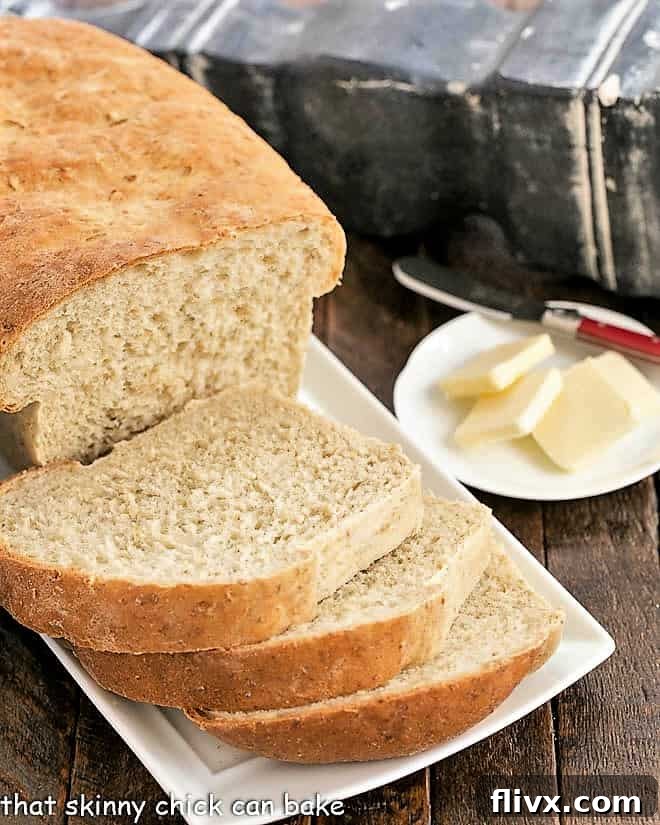
Frequently Asked Questions About Oatmeal Bread
Oatmeal bread offers a notable nutritional boost compared to standard white bread. Oats are a fantastic source of dietary fiber, which aids digestion, helps regulate blood sugar, and promotes a feeling of fullness. Beyond fiber, oats contribute essential micronutrients such as magnesium, Vitamin B1 (thiamine), iron, and zinc. While it’s certainly a healthier choice than highly processed white bread, it’s important to remember that it’s still a carbohydrate-rich food. Enjoy it as part of a balanced diet, appreciating its whole-grain benefits.
Achieving that beautiful, rustic oat topping is simpler than you think! If your dough is sufficiently sticky after its final shaping, you can simply sprinkle the rolled oats directly onto the surface, and they should adhere well. If your dough feels a bit drier, or you want extra assurance, brush a very light, even coat of water or milk over the top of the loaf before sprinkling with oats. Water will give you a crisp, traditional crust, while milk, due to its sugar content, will caramelize slightly during baking, resulting in a slightly darker and often shinier crust. Both methods work wonderfully to ensure a generous, appealing oat coating.
Absolutely! Oatmeal isn’t just for texture in this bread; it imparts a distinct and delightful flavor. You’ll notice a mild, earthy, and subtly nutty taste that distinguishes it from plain white bread. This gentle nuttiness pairs wonderfully with the hint of brown sugar, creating a harmonious and comforting flavor profile. The oats add a depth that makes each bite more complex and satisfying without being overpowering.
Proper storage ensures your homemade oatmeal bread stays fresh and delicious for as long as possible. For short-term storage, keep your bread at room temperature in an airtight plastic bag or a bread box for up to 2-3 days. This prevents it from drying out too quickly. For longer storage, freezing is an excellent option. Ensure the loaf has completely cooled to room temperature before freezing; otherwise, condensation will form, leading to freezer burn and a less appealing texture. Wrap the cooled loaf tightly in plastic wrap, then an additional layer of aluminum foil, or place it in a freezer-safe bag. It will keep well in the freezer for up to 2-3 months. Thaw at room temperature when ready to enjoy, or gently warm slices in a toaster.
Explore More Delicious Bread Recipes:
- Basic White Bread from Magnolia Days – A fundamental recipe for any home baker.
- Grandmom’s Dinner Rolls from One Sweet Mess – Soft, fluffy rolls perfect for any meal.
- Rosemary Olive Oil Bread from Hip Foodie Mom – An aromatic and savory bread.
- Homemade Potato Bread – Tender and moist, a delightful variation.
- No-Knead Bread Recipe – Effortless baking for busy schedules.
- Cinnamon Twist Bread – A sweet and swirled treat.
- Plus, discover a wide array of other Best Bread Recipes to expand your baking repertoire.
Stay connected and share your baking journey with me on social media! Find me @ Instagram, Facebook, and Pinterest. Don’t forget to tag me when you whip up one of my recipes! If you adore the results and the deliciousness it brings, please consider leaving a 5-star rating in the recipe card below. Your feedback and shares mean the world to me!
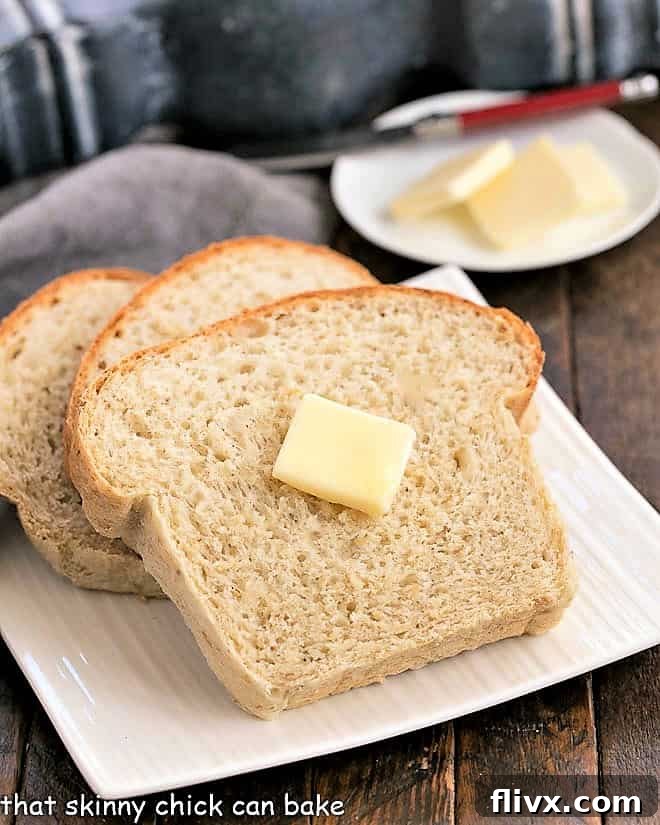
Classic Oatmeal Bread
20 minutes
40 minutes
1 hour
16 servings
A marvelous oatmeal bread adapted from Nick Malgieri’s How to Bake, promising a soft, sweet, and perfectly hearty loaf every time.
Rated 4.6 out of 5 stars based on 144 reviews.
Ingredients
- 1 cup oatmeal (regular, not quick oats)
- 1 cup boiling water
- ½ cup warm water (about 110ºF / 43ºC)
- 2 ¼ teaspoons dry active yeast (1 envelope)
- 2 ½ cups all-purpose flour
- 2 tablespoons brown sugar
- 1 teaspoon salt
- 2 tablespoons unsalted butter, cut into about 12 pieces, plus more for greasing the bowl and pan
Instructions
- Generously grease an 8 ½ x 4 ¼ inch loaf pan with butter and set it aside, ready for the dough.
- In a medium bowl, pour boiling water over the rolled oats. Stir well to combine and let this mixture sit until it has cooled completely to room temperature. This step helps soften the oats.
- In a separate small bowl, combine the warm water (around 110ºF) and the active dry yeast. Stir gently and allow it to sit for 5-10 minutes until the yeast is foamy and activated, indicating it’s alive and ready to work.
- In the large bowl of a stand mixer, combine the all-purpose flour, brown sugar, and salt. Stir these dry ingredients briefly to ensure they are evenly distributed.
- Attach the dough hook to your stand mixer. Add the cooled oatmeal mixture, the activated yeast mixture, and the pieces of butter to the flour mixture. Begin kneading on low speed for approximately 5 minutes until the dough comes together, becoming smooth, cohesive, and elastic.
- Transfer the kneaded dough to a clean bowl that has been lightly greased with butter. Flip the dough a couple of times to ensure all sides are coated. Cover the bowl tightly with greased plastic wrap. Allow the dough to rise in a warm, draft-free place until it has doubled in bulk, which typically takes about one hour.
- Once the dough has risen, gently remove it from the bowl and place it onto a lightly floured work surface. Using the palm of your hand, gently deflate the dough to release the air.
- Form the dough into a rectangle, aiming for a length slightly longer than your loaf pan. Fold the shorter sides of the rectangle inwards so that the overall length is slightly less than the pan. Then, starting from one of the longer edges, roll the dough tightly to form a neat, compact cylinder.
- The dough should naturally adhere to itself to create a clean seam. However, if it doesn’t stick well, you may dab a very small amount of water along the seam to help it seal.
- Carefully place the cylinder of dough into your prepared loaf pan, ensuring the seam side is facing down.
- Cover the pan again with greased plastic wrap and let the dough rise for a second time in a warm location until it has doubled in size, usually taking another hour.
- About 15 minutes before the second rise is complete, preheat your oven to 375ºF (190ºC).
- Once the dough has fully risen, carefully remove the plastic wrap from the pan and place the pan into the preheated oven.
- Immediately decrease the oven temperature to 350ºF (175ºC). Bake for 30-40 minutes, or until the loaf is beautifully golden brown on top, sounds hollow when gently tapped on the bottom, and/or an instant-read thermometer inserted into the center registers an internal temperature of 200-210ºF (93-99ºC).
- Remove the baked loaf from the pan immediately and transfer it to a wire cooling rack. Allow it to cool completely before slicing to ensure the best texture and prevent a gummy interior. Enjoy your delicious homemade Classic Oatmeal Bread!
Notes
This recipe yields 1 generous large loaf, perfect for sharing or enjoying throughout the week. For a richer flavor and crust, brush the top of the loaf with milk before baking. For a slightly firmer crust, brush with water. For an extra touch of sweetness, sprinkle with a pinch of brown sugar before baking. Store any leftovers in an airtight container at room temperature for up to 3 days, or freeze sliced portions for longer freshness.
Recommended Baking Products
As an Amazon Associate and member of other affiliate programs, I earn from qualifying purchases, supporting the creation of more delicious recipes for you.
- KitchenAid KSM150PSER Artisan Tilt-Head Stand Mixer with Pouring Shield, 5-Quart, Empire Red
- Roul’Pat silicone counter sized silicone mat
- Stainless Steel Loaf Pan
Nutrition Information:
Yield:
16
Serving Size:
1 slice
Amount Per Serving (approximate):
Calories: 101Total Fat: 2gSaturated Fat: 1gTrans Fat: 0gUnsaturated Fat: 1gCholesterol: 4mgSodium: 146mgCarbohydrates: 18gFiber: 1gSugar: 1gProtein: 3g
HOW MUCH DID YOU LOVE THIS RECIPE?
Please leave a comment on the blog or share a photo on Pinterest