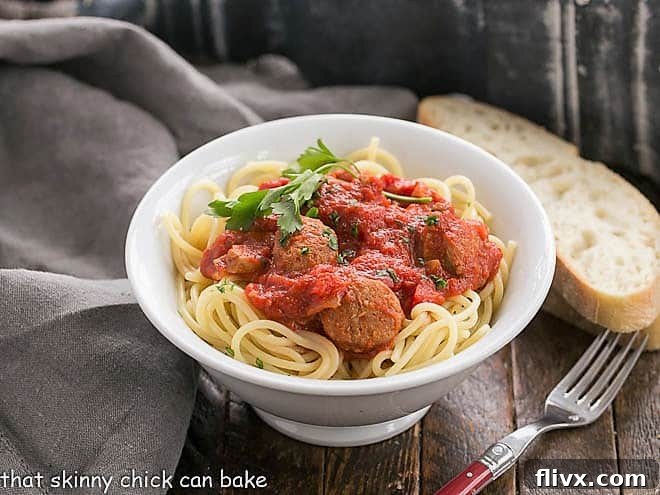
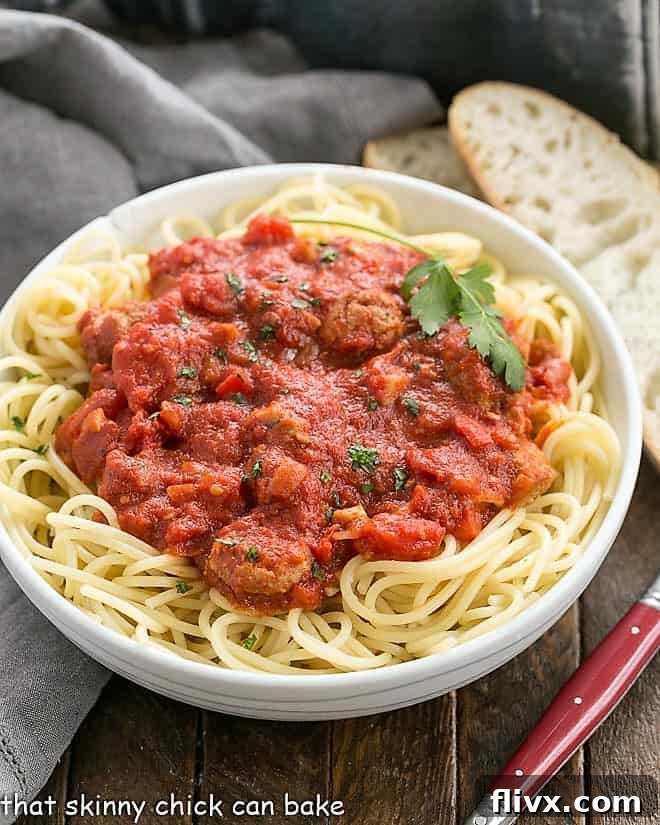
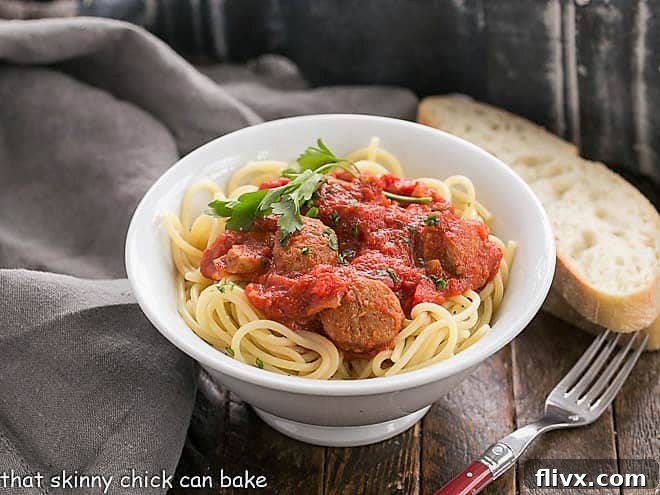
Experience a symphony of tastes with this truly irresistible Homemade Pasta Sauce Recipe. A luxurious, long simmer transforms simple yet premium ingredients into a rich, deeply satisfying Sausage Spaghetti Sauce that will undoubtedly become a treasured staple in your kitchen. Prepare to fall in love with a flavor profile so profound, you’ll be making this delectable sauce time and time again!
Imagine the enticing aroma filling your home as robust red wine, savory Italian sausages, fresh aromatics, and a thoughtful blend of spices slowly meld together. This isn’t just any sauce; this is the secret to crafting the best spaghetti sauce you’ve ever tasted, all from the comfort and control of your own kitchen. Forget bland, store-bought jars; embrace the vibrant, complex flavors of a truly artisanal sauce.
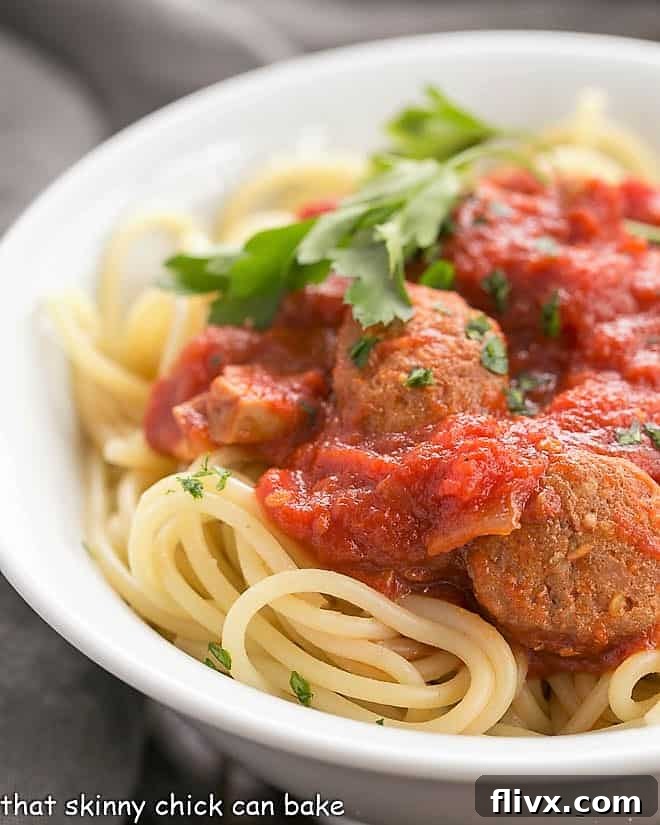
Why You Need This Incredible Homemade Pasta Sauce in Your Life
Diving into the world of homemade sauces might seem daunting, but this particular easy pasta sauce recipe proves that exceptional flavor doesn’t require endless hours of hands-on work. It’s a culinary journey that promises immense rewards for minimal effort:
- Uncomplicated Excellence: Crafting a truly exceptional homemade pasta sauce demands surprisingly little active cooking time. The magic primarily happens during a slow, gentle simmer, allowing all the individual flavors to gracefully intertwine and deepen. This patient process is the secret to a sauce that tastes like it’s been cooking for days, even though your active involvement is quite brief.
- A Game-Changer for Your Palate: Once you discover the unparalleled richness and vibrancy of a scratch-made sauce, the idea of returning to commercially jarred options will become a distant memory. This flavorful spaghetti sauce offers a depth and freshness that simply cannot be replicated by mass-produced alternatives, forever elevating your pasta nights.
- Total Control, Superior Quality: When you prepare your sauce from scratch, you gain complete oversight of every single ingredient. Knowing the origin and quality of your tomatoes, fresh vegetables, and succulent Italian sausage guarantees a final product that is not only healthier but also bursting with the most authentic and delicious flavors. The result is consistently the best pasta sauce you’ve ever had, tailored precisely to your preferences. Let’s delve into the star ingredients that make this possible.
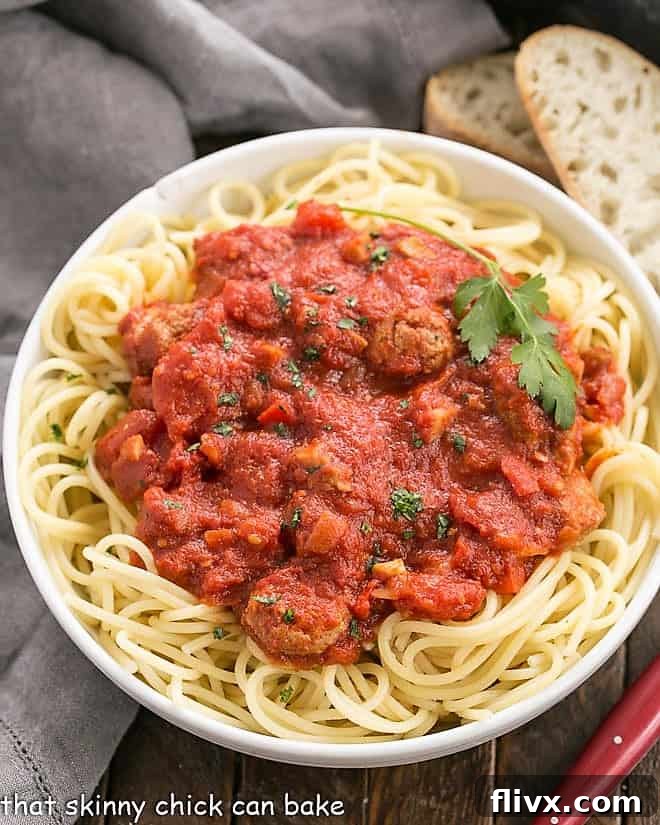
Key Ingredients for the Perfect Pasta Sauce: A Deep Dive
Each component in this homemade spaghetti sauce plays a vital role in building its complex and memorable flavor profile. Understanding their contribution will not only make you a better cook but also allow you to appreciate the nuanced layers of taste:
- Aromatics: The Foundation of Flavor
Our aromatic base is a carefully selected blend of vegetables, herbs, and spices crucial for building profound flavor from the ground up. This includes essential ingredients like sweet onions, pungent garlic, vibrant bell pepper, earthy mushrooms, and fragrant bay leaves. When gently sautéed, these elements release their essential oils and soluble compounds, laying down a robust flavor foundation upon which the rest of the sauce is built.
- Olive Oil: The Flavor Extractor
High-quality olive oil isn’t just a cooking medium; it’s a critical flavor agent. It excels at extracting fat-soluble flavors from ingredients such as onions, garlic, and sausage during the initial cooking phases. As these aromatics gently sizzle in the oil, their flavors infuse the oil itself, which then carries and distributes these tastes throughout the entire sauce as it simmers. Choose an extra virgin olive oil for the best results.
- Tomatoes and Tomato Paste: The Umami Powerhouses
The heart of any great red sauce, tomatoes (especially quality plum tomatoes) and concentrated tomato paste, are classic ingredients that do more than just provide a vibrant color and tangy sweetness. They are also incredibly rich in natural glutamates, the compounds responsible for ‘umami’ – often described as the fifth basic taste alongside sweet, salty, bitter, and sour. Umami lends a deep, savory, and profoundly satisfying quality to the sauce, making it truly irresistible. While the word “glutamate” might bring MSG to mind, the natural glutamates in tomatoes simply enhance deliciousness without any artificial additions.
- Worcestershire Sauce and Italian Sausage: Unexpected Umami Boosters
Worcestershire sauce is an unconventional yet brilliant addition to this spaghetti sauce, offering another layer of complex umami and a subtle tang that elevates the entire dish. Its fermented ingredients contribute a depth usually missing from standard recipes – do give it a try! Similarly, Italian sausage isn’t just for texture and protein; the rich meat itself, along with its inherent spices, provides substantial natural glutamates, further intensifying the savory ‘umami’ essence of the sauce. The nuanced spices within the sausage also introduce a fantastic aromatic complexity.
- Angostura Bitters (Optional): The Secret Depth Enhancer
This “mystery ingredient” is a unique twist, comprising over 40 distinct herbs and spices (including gentian root), whose exact formula remains a closely guarded secret. While traditionally associated with cocktails like an Old Fashioned, Angostura bitters can impart remarkable “depth and complexity” to savory dishes, as highlighted by experts at VinePair.com. Just a few dashes can introduce subtle, intriguing undertones that make your sauce truly stand out. If you don’t have it on hand, your sauce will still be fantastic, but for those seeking an extra layer of sophisticated flavor, it’s a worthwhile experiment.
- Red Wine: The Flavor Amplification Catalyst
Similar to salt, alcohol acts as a powerful flavor enhancer. Adding dry red wine (like a Chianti or Merlot) early in the cooking process serves multiple purposes. First, it deglazes the pan, lifting all the caramelized “fond” (browned bits of flavor) from the bottom, incorporating them into the sauce. Second, as the sauce simmers for 2.5 to 3 hours, the alcohol completely evaporates, leaving behind only its rich, fruity, and complex flavor notes. This infusion of wine contributes significantly to the sauce’s overall depth and sophistication.
Crafting Your Masterpiece: Step-by-Step Homemade Pasta Sauce
The sequence in which you add ingredients is paramount to unlocking their full potential and developing the richest, most harmonious flavors. This methodical approach ensures every element contributes perfectly to the final symphony of taste:
- Setting the Stage: Heat the Olive Oil
Understanding that olive oil excels at extracting oil-soluble flavors, the crucial first step involves heating it in a large, heavy-bottomed pan or Dutch oven. A heavy pan ensures even heat distribution, preventing scorching and allowing for proper browning.
- Building the Aromatic Base: Sauté Onions and Garlic
Once the oil shimmers, add the diced onions and minced garlic. Sauté them gently over medium heat until they become translucent and fragrant, not browned. This process softens their sharp edges and releases their sweet, aromatic compounds, forming the foundational flavor layer of your sauce.
- The Maillard Reaction: Browning the Sausage
Next, introduce the Italian sausage (sliced or crumbled) to the pan. Cook it until it’s deeply browned on all sides. This browning isn’t just for appearance; it’s a crucial chemical process known as the Maillard reaction. This reaction, involving amino acids and reducing sugars, creates hundreds of new flavor compounds, giving browned meats and vegetables their distinctive, savory, and complex taste. Ensure you get good caramelization on the sausage for maximum flavor impact.
- Deglazing with Red Wine: Capturing Every Speck of Flavor
Once the sausage is beautifully browned, pour in the red wine. Use a wooden spoon to scrape up all the delicious, caramelized bits (the “fond”) stuck to the bottom of the pan. This process, called deglazing, incorporates those intense flavors directly into your sauce. Stir for about a minute, allowing some of the wine’s initial alcohol to cook off while its rich flavor remains. As mentioned earlier, alcohol is a flavor enhancer, and most of it will evaporate during the extended simmering.
- The Long Simmer: Uniting All the Flavors
Finally, add the remaining sauce ingredients: bell peppers, mushrooms, tomato paste, whole plum tomatoes (crushed by hand or with a spoon), Worcestershire sauce, Angostura bitters (if using), sugar, salt, black pepper, celery salt, and the bay leaves. Bring the sauce to a gentle simmer, then reduce the heat to very low. Cover partially and let it cook slowly for 2.5 to 3 hours. This extended, low-and-slow simmering allows all the ingredients to meld, deepen, and transform into a rich, cohesive sauce. Stir occasionally, and if the sauce thickens too much for your liking, add a little water or vegetable/chicken broth to reach your desired consistency.
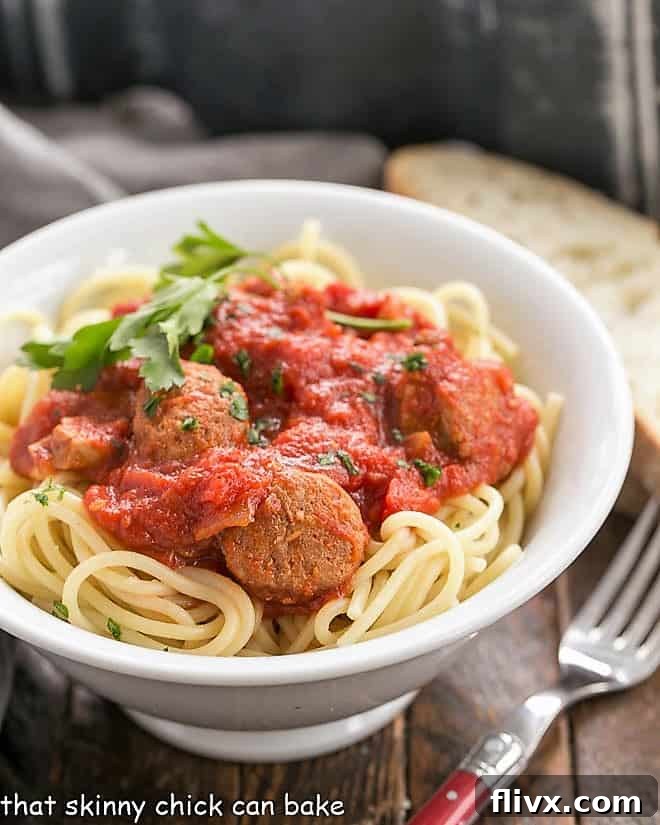
Chef-Approved Tips for Your Best Pasta Sauce Yet
- PRO-Tip for Tomato Paste: Getting every last bit of tomato paste out of the can can be tricky. To avoid waste and messy scraping, simply remove both ends of the can with a can opener. Then, use one of the removed lids to push the paste through the can and directly into your pot. The lid acts as a perfect scraper, ensuring you get every ounce of concentrated tomato flavor.
- Clever Wine Storage: Don’t let leftover red wine go to waste after a dinner party or when a recipe only calls for a small amount. Pour the remnants into small freezer-safe Ziploc bags, press out the air, seal tightly, and freeze flat. For added security, place these smaller bags into a larger freezer bag – this prevents any unfortunate leaks (a lesson learned from experience!). Alternatively, pour the wine into an ice cube tray, freeze the cubes, then transfer them to a freezer-safe bag for convenient, pre-portioned wine additions to future recipes.
- Slicing Frozen Italian Sausage: If you’re using Italian sausage links that are frozen solid, don’t wait for them to completely defrost before slicing. They are significantly easier to slice into uniform rounds or half-moons when they are only partially frozen. This semi-frozen state gives them enough firmness to cut cleanly without crumbling.
- Taste and Adjust: Throughout the simmering process, especially during the last hour, make sure to taste your sauce. Adjust seasonings like salt, pepper, or a pinch more sugar if your tomatoes are particularly acidic. A little sugar can balance the tartness of tomatoes beautifully.
- Choosing the Right Tomatoes: For the most authentic and rich flavor, opt for high-quality canned plum tomatoes, such as San Marzano or D.O.P. certified varieties. Their natural sweetness and lower acidity are ideal for a long-simmered sauce.
Frequently Asked Questions About Homemade Pasta Sauce
Marinara is traditionally a much simpler, lighter pasta sauce originating from Naples, Italy. It primarily consists of tomatoes, minimal aromatics like onion and/or garlic, and fresh herbs (often basil or oregano). Classic examples include spaghetti alla marinara, spaghetti aglio e olio (garlic and oil), spaghetti alla puttanesca, and the rich spaghetti alla carbonara, all deeply rooted in Italian culinary traditions. American-style spaghetti sauces, while sharing the foundational tomato and aromatic base of marinara, typically incorporate additional ingredients. These often include various meats such as meatballs, Italian sausage, or even ribs, along with a wider array of vegetables like bell peppers, mushrooms, and carrots, creating a heartier and often thicker sauce.
Absolutely! This homemade spaghetti sauce freezes beautifully, making it an excellent candidate for meal prep. Once the sauce has completely cooled to room temperature, transfer it into freezer-safe containers or heavy-duty freezer bags. Be sure to leave a little headspace in containers to allow for expansion during freezing. Frozen pasta sauce can maintain its quality for up to 3-4 months. For immediate use, leftover sauce can be stored in an airtight container in the refrigerator for 3-4 days.
Yes, this flavorful sausage spaghetti sauce recipe can certainly be adapted for a slow cooker or Crock-Pot, offering even more hands-off convenience. However, to ensure maximum flavor development, do not skip the initial stovetop steps. First, you must brown the garlic, onion, and Italian sausage in a skillet. This browning step is critical for the Maillard reaction, which creates deep, savory flavors that a slow cooker alone cannot achieve. After browning, deglaze the skillet with red wine, scraping up all the flavorful fond. Then, transfer these browned ingredients and the deglazing liquid to your slow cooker, adding the rest of the sauce ingredients. Cook on a low setting for approximately 8 hours, or on a high setting for about 4 hours, stirring occasionally to combine. This method allows for those rich, slow-simmered flavors to develop beautifully with minimal fuss.
While this recipe highlights Italian sausage, you can absolutely adapt it to be vegetarian. Simply omit the Italian sausage and Worcestershire sauce. To add a similar savory depth, consider increasing the amount of mushrooms, adding smoked paprika, or a touch of miso paste (stirred in at the end) for extra umami. You might also want to add other vegetables like zucchini or carrots for more texture and nutrients. Increase the olive oil slightly to sauté the vegetables.
This rich and hearty sausage pasta sauce pairs wonderfully with robust pasta shapes that can hold up to its thickness and flavor. Think classic long pastas like spaghetti, fettuccine, or bucatini, which allow the sauce to cling beautifully. Shorter, textured pastas such as rigatoni, penne, or cavatappi are also excellent choices, as their ridges and tubes can scoop up plenty of the delicious sausage and sauce with every bite.
Explore More Delicious Pasta Recipes:
- Garlic Shrimp Pasta from Copykat Recipes: A lighter, yet incredibly flavorful option featuring succulent shrimp and aromatic garlic.
- Spinach Stuffed Pasta Shells: Large pasta shells generously filled with a creamy spinach and ricotta mixture, baked to perfection.
- Cheesy Baked Pasta: The ultimate comfort food, layered with rich sauce, tender pasta, and an abundance of melted cheese.
- Penne alla Vodka: A classic creamy tomato sauce with a hint of vodka that enhances the flavors, tossed with penne pasta.
- Classic Italian Meat Sauce: A timeless, slow-cooked meat sauce, perfect for those who adore traditional Italian flavors.
- More Pasta Recipes: A wide array of pasta dishes to inspire your next meal.
- More Main Course Recipes: Discover a variety of hearty and delicious entrées for any occasion.
Stay connected and share your culinary creations with me on social media! Find me @ Instagram, Facebook, and Pinterest. Don’t forget to tag me when you try one of my delicious recipes! Your feedback is invaluable; if you love the results, please consider leaving a 5-star rating and a comment in the recipe section below!
 Print Recipe
Homemade Pasta Sauce Recipe with Sausage
20 minutes
2 hours 30 minutes
2 hours 50 minutes
8 servings
The Best Homemade Pasta Sauce with layers of flavors!
Ingredients
- ½ cup onion, diced
- 2 cloves garlic, minced
- ¼ cup olive oil
- 1 pound mild sweet or spicy Italian sausage links, cut into slices
- ½ cup dry red wine
- 1 ⁄2 red bell pepper, diced
- 8 ounces fresh mushrooms, diced
- 1 6-ounce can tomato paste
- 2 28-ounce cans plum tomatoes
- 1 ½ teaspoons Worcestershire sauce
- 3-5 dashes Angostura bitters, optional
- 1 tablespoon sugar
- ½ teaspoon salt
- ¼ teaspoon fresh ground black pepper
- ½ teaspoon celery salt
- 2 bay leaves
Instructions
- In a Dutch oven or similar-sized heavy pan, sauté onion and garlic in oil until transparent. Add sausage and brown over medium heat, ensuring good caramelization.
- Deglaze with red wine, stirring for a minute and scraping up any browned bits (fond) from the bottom of the pan before adding the rest of the ingredients.
- Add diced peppers, mushrooms, tomato paste, crushed plum tomatoes, Worcestershire sauce, Angostura bitters (if using), sugar, salt, black pepper, celery salt, and bay leaves. Stir well to combine.
- Bring the sauce to a gentle simmer, then reduce heat to very low. Cover partially and simmer for 2½ to 3 hours, stirring occasionally. Add a little water or broth if the sauce becomes too thick.
- Serve this rich sauce with warm spaghetti, cooked al dente in well-salted water, and a generous sprinkling of freshly grated Parmesan cheese, if desired.
Notes
Adapted from Creme de Colorado Cookbook. For best flavor, allow sauce to cool and refrigerate overnight, then reheat gently before serving.
Nutrition Information:
Yield:
8
Serving Size:
1
Amount Per Serving:
Calories: 352Total Fat: 23gSaturated Fat: 7gTrans Fat: 0gUnsaturated Fat: 18gCholesterol: 32mgSodium: 666mgCarbohydrates: 22gFiber: 5gSugar: 13gProtein: 15g
Nutritional content is for the pasta sauce alone. Calories will vary depending on amount and kind of pasta used.
HOW MUCH DID YOU LOVE THIS RECIPE?
Please leave a comment on the blog or share a photo on Pinterest