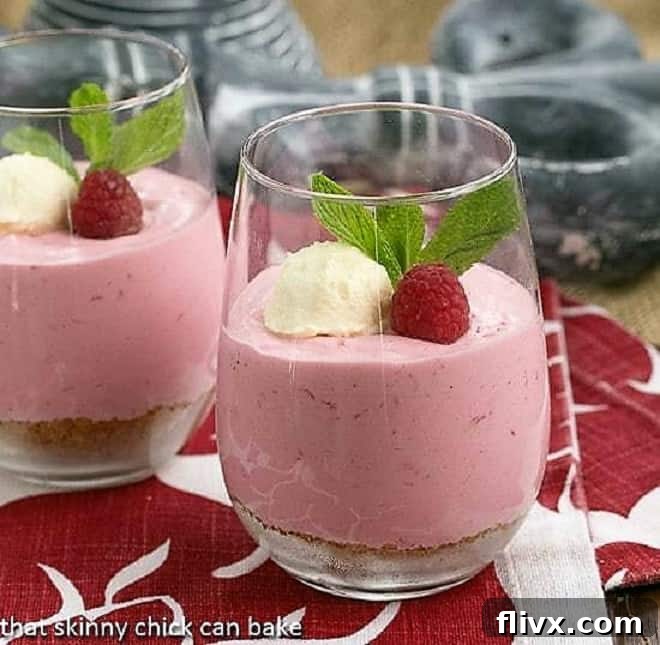
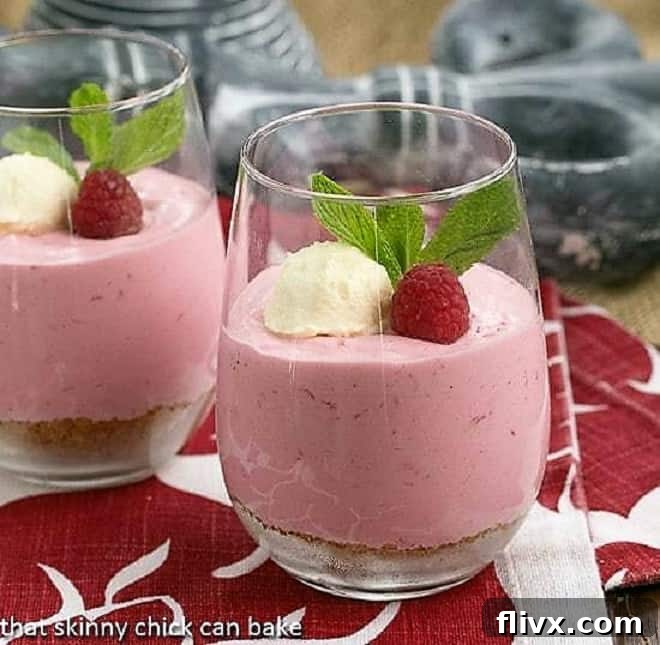
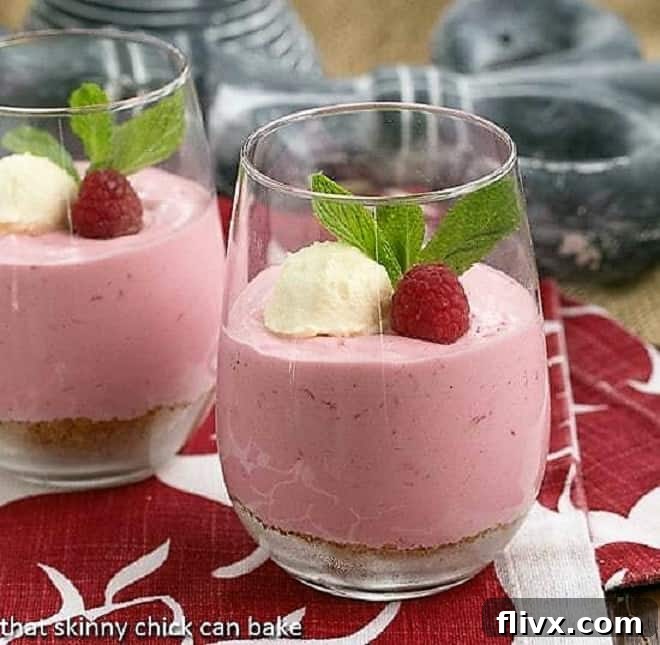
Raspberry Mousse: A truly exceptional, light, luscious, and exquisitely creamy dessert crafted from the finest frozen raspberries, fresh cream, and pasteurized eggs! This delightful confection offers a burst of vibrant fruit flavor in every spoonful, making it a perfect treat for any occasion.
There’s an undeniable charm to fruit desserts, a refreshing quality that often outshines even the deepest chocolate cravings. This Raspberry Mousse recipe stands as a testament to that allure, delivering a fresh, bright, and utterly delicious burst of authentic raspberry flavor that will tantalize your taste buds and leave you yearning for more. It’s an elegant, yet surprisingly simple dessert that embodies sophistication and comfort.
Raspberry Mousse: A Culinary Journey from Childhood Charm to Gourmet Elegance
My culinary journey with fruit mousses began many Easters ago, thanks to my mom’s unforgettable Mile High Strawberry Pie. This festive dessert, a simple yet sensational concoction of frozen strawberries, Cool Whip, and egg whites layered over a crunchy pecan crust, was always a family favorite. The magic of that pie, popped into the freezer until perfectly set, left an indelible mark on my memory and taste buds, sparking a lifelong love for light, fruit-centric desserts.
This Raspberry Mousse is not just a recipe; it’s a heartfelt homage to that cherished holiday tradition, reimagined and refined for the modern palate. I’ve taken the essence of that childhood favorite and elevated it, swapping out the strawberries for the tangy sweetness of raspberries, replacing the Cool Whip with rich, freshly whipped cream, and crucially, incorporating pasteurized eggs to ensure both exceptional flavor and absolute food safety. The result is a dessert that captures the nostalgic charm of its inspiration while delivering a sophisticated, silky texture and intense raspberry essence that truly defines a gourmet experience.
For years, I’ve relied on Davidson’s Safest Choice eggs in my kitchen, ever since they became readily available in local markets. The use of raw or lightly cooked eggs is pivotal in many classic dessert preparations, lending an unparalleled silkiness and crucial stability that no other ingredient can quite replicate. However, in today’s culinary landscape, vigilance against foodborne illnesses like salmonella is paramount. Opting for pasteurized eggs mitigates these risks, allowing you to enjoy the full textural benefits of eggs in your mousse without any concern.
The Indispensable Role of Pasteurized Eggs for a Flawless Mousse
The importance of food safety, particularly concerning raw eggs, was brought home to my family in a very personal way, though thankfully not from my mom’s Mile High Pie. It was actually my sister, Mary, as a curious toddler, who contracted salmonella during one of our Sunday breakfast preparations. While my mom meticulously cooked, Mary’s innocent curiosity likely led her to sample some under-cooked bacon or perhaps an inadequately cooked egg, resulting in severe gastric distress that necessitated an urgent trip to the doctor’s office.
Her symptoms, while not entirely suitable for a detailed food blog description, served as a stark, unforgettable lesson. At the tender age of five, I became intimately familiar with the term “salmonella”—decades before it became a widely recognized public health concern. This early experience profoundly shaped my approach to cooking, especially when recipes call for raw or lightly cooked ingredients. It reinforced the absolute necessity of using safe practices and ingredients. Therefore, when crafting a recipe like this exquisite Raspberry Mousse, which relies on the delicate structure provided by eggs, I cannot stress enough the importance of using pasteurized eggs to eliminate the risk of foodborne illnesses.
For those times when raw or undercooked eggs are integral to the texture and flavor of a dish, such as in this Raspberry Mousse, it is absolutely crucial to exercise caution. Always opt for pasteurized eggs. Furthermore, I strongly advise against serving dishes containing raw or lightly cooked eggs to young children, pregnant individuals, anyone with a compromised immune system, or the elderly, as these populations are particularly vulnerable to foodborne pathogens. The unique structure and unparalleled silkiness that eggs provide are fundamental to creating a truly luscious mousse; without them, the distinctive airy yet creamy texture simply cannot be achieved. It’s this delicate balance that sets a true mousse apart, and using pasteurized eggs allows us to achieve this culinary perfection with complete peace of mind.
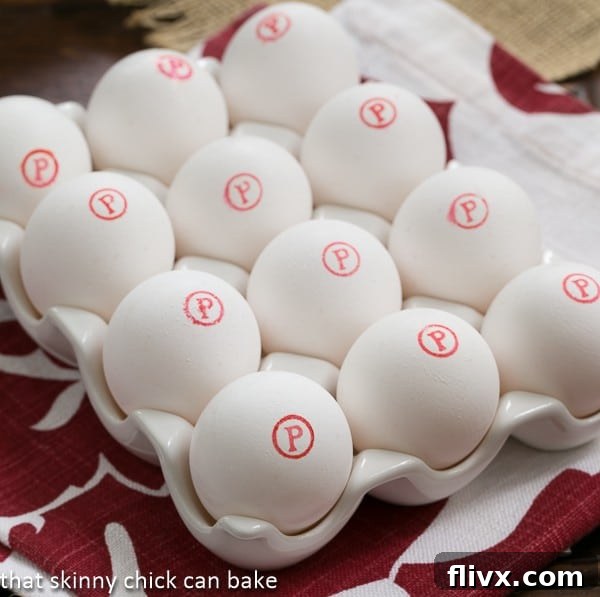
When purchasing eggs for recipes that call for raw or lightly cooked yolks or whites, look for the distinctive red ‘P’ in a circle on the carton. This symbol unequivocally distinguishes Safest Choice pasteurized eggs from their unpasteurized counterparts, ensuring your culinary creations are as safe as they are delicious.
Mastering Raspberry Mousse: Essential Tips for a Perfect Dessert
Creating an impeccable Raspberry Mousse is a rewarding culinary endeavor, and a few key techniques can elevate your results from good to extraordinary. The base of this dessert features a simple yet delightful graham cracker crust, a harmonious blend of graham cracker crumbs, melted butter, and a hint of brown sugar, pressed gently into individual parfait glasses. This provides a wonderfully complementary texture and flavor profile to the airy mousse.
- Raspberry Preparation: Perhaps the most laborious, yet crucial, step is pushing the defrosted raspberries through a fine-mesh sieve to remove their tiny, often bothersome, seeds. For a smoother process and to extract maximum puree, I’ve found that giving the raspberries a quick whirl in a blender or food processor beforehand significantly eases the straining. This ensures a silky-smooth mousse texture, free from any gritty interruptions.
- Gelatin Integration: Gelatin is the unsung hero that provides structure to your mousse. It must be bloomed properly in cold water first, then gently heated (a quick zap in the microwave for 10-30 seconds, or until just liquefied) to dissolve completely. Ensure it’s fully melted and then gently whisked into your other components to avoid lumps.
- Whipping and Folding: The aeration and lightness of mousse come from perfectly whipped egg whites and heavy cream. Beat egg whites to frothy, medium-stiff peaks, and whip cold heavy cream to firm, yet not overly stiff, peaks. The magic happens during the folding stage: carefully incorporate the raspberry mixture into the whipped cream and then gently fold in the aerated egg whites. This technique is vital for retaining air and achieving that signature light and fluffy texture, ensuring the mousse remains airy and doesn’t become dense.
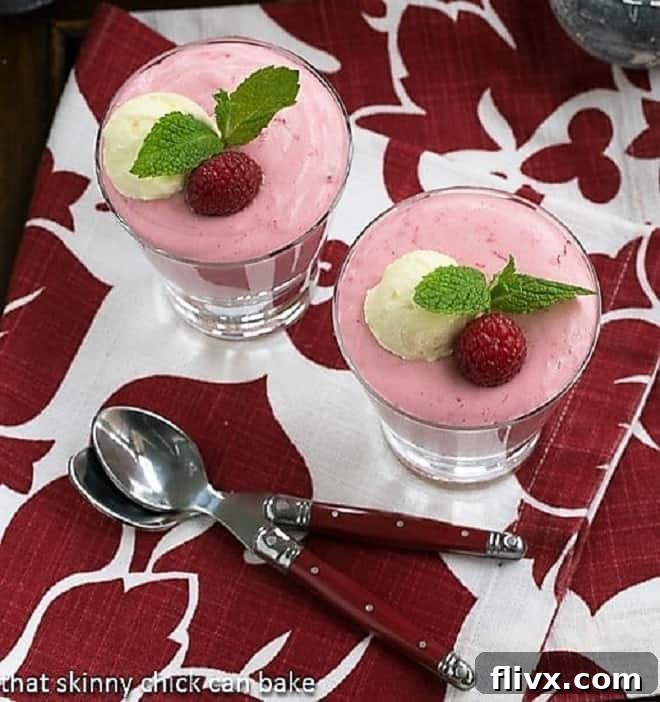
- Versatile Serving Suggestions: While parfait glasses offer an elegant presentation, this versatile mousse can be served in many ways. Consider individual shot glasses for a sophisticated dessert buffet, or even small ramekins. For an extra touch of indulgence, a dollop of sweetened mascarpone cheese, a swirl of homemade whipped cream, or a few fresh raspberries and a sprig of mint make for exquisite garnishes. A dusting of powdered sugar or a sprinkle of finely grated white chocolate can also add a beautiful finish.
DIY Pasteurized Eggs: Ensuring Safety at Home
Should you find yourself unable to source commercially pasteurized eggs, you can pasteurize them safely at home. The process involves precise temperature control: gently cook your eggs, fully submerged in water, at a consistent 140ºF (60º C) for exactly four full minutes. The key is to monitor the water temperature diligently, ensuring it never dips below 140ºF or rises above 144ºF (62.2º C). If the temperature exceeds 144ºF, the eggs will begin to cook rather than simply pasteurize. If the water gets too hot, promptly remove the pan from the heat until the temperature gracefully returns to the ideal 140ºF range. This meticulous control ensures the elimination of harmful bacteria while preserving the egg’s raw properties essential for mousse. Once pasteurized, immediately transfer the eggs to an ice bath to halt the cooking process, then store them in the refrigerator.
For those who appreciate the delicate artistry of mousse, you might also enjoy exploring my Strawberry Mousse, offering a slightly different fruity profile, or my elegant Raspberry Topped Lemon Souffles, which combine citrusy zest with berry sweetness.
Raspberry Mousse
30 minutes
1 minute
31 minutes
6 servings
Raspberry Mousse – a light luscious dessert made with frozen raspberries and cream
Ingredients
- 3/4 cup graham cracker crumbs
- 2 tablespoons butter, melted
- 1 tablespoon brown sugar
- 10 ounce bag frozen raspberries, defrosted
- 3/4 cup sugar
- 2 egg whites (I recommend Safest Choice pasteurized eggs to avoid food borne illnesses)
- 1 envelope plain gelatin
- 1 cup whipping cream
Instructions
- Mix first 3 ingredients together for crust layer. Divide between 4-6 parfait glasses.
- Push raspberries through a sieve to remove seeds. Add sugar to berry puree.
- Beat egg whites till frothy. Add to berries.
- In a small microwave safe bowl, combine gelatin with 1 tablespoon cold water, stir and let dissolve. Place bowl in microwave and heat for 10-30 seconds till gelatin liquifies (this took about 12 seconds in my microwave).
- Whip cream to stiff peaks in a large bowl. Pour in gelatin and mix to combine. Carefully fold raspberry mixture into cream. Divide raspberry mixture between parfait glasses. Chill for at least an hour before serving.
Yield: 4-6 servings, depending on size of glasses
Total time: Approximately 1 1/2 hours (including chilling time)
Notes
The final yield of servings will vary based on the specific size of your chosen serving dishes or glasses.
For optimal food safety and to prevent any potential foodborne illnesses, it is highly recommended to use pasteurized eggs in this recipe, especially given the raw nature of the egg whites in the mousse.
Nutrition Information:
Yield:
6
Serving Size:
1
Amount Per Serving:
Calories: 352Total Fat: 20gSaturated Fat: 12gTrans Fat: 1gUnsaturated Fat: 6gCholesterol: 55mgSodium: 111mgCarbohydrates: 42gFiber: 3gSugar: 33gProtein: 5g
HOW MUCH DID YOU LOVE THIS RECIPE?
Please leave a comment on the blog or share a photo on Pinterest