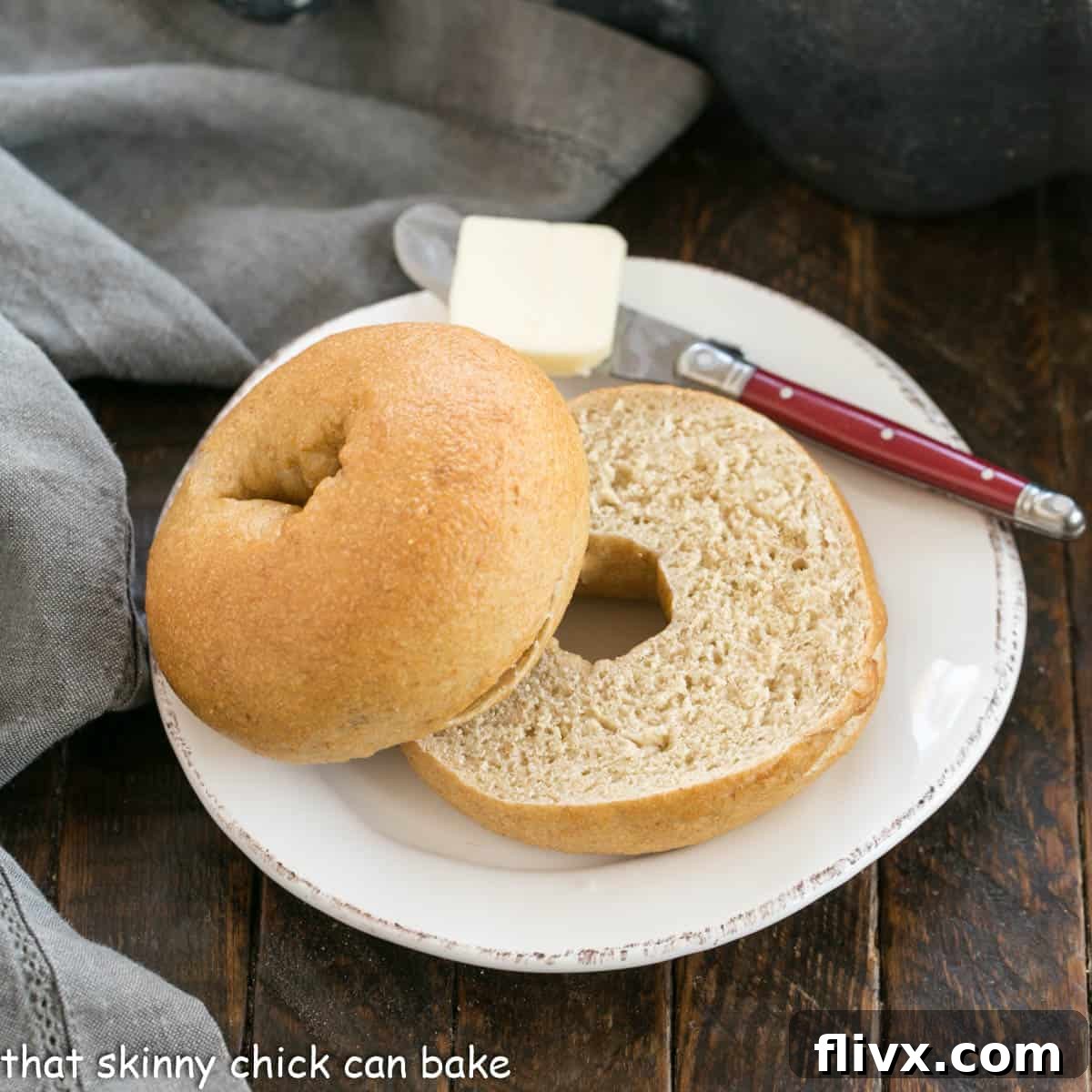
Experience the unparalleled joy of baking your own dense, chewy, and incredibly flavorful Whole Wheat Bagels at home. Forget the bakery; with this comprehensive guide, you’ll master the unique process of bagel making and produce results that are both satisfying and delicious.
Infused with the wholesome goodness of whole wheat flour, these homemade bagels offer a distinctly healthier and more robust flavor profile compared to their standard counterparts. Perfect for a nutritious breakfast, a hearty lunch, or a satisfying snack, they prove that healthy eating can still be utterly indulgent.
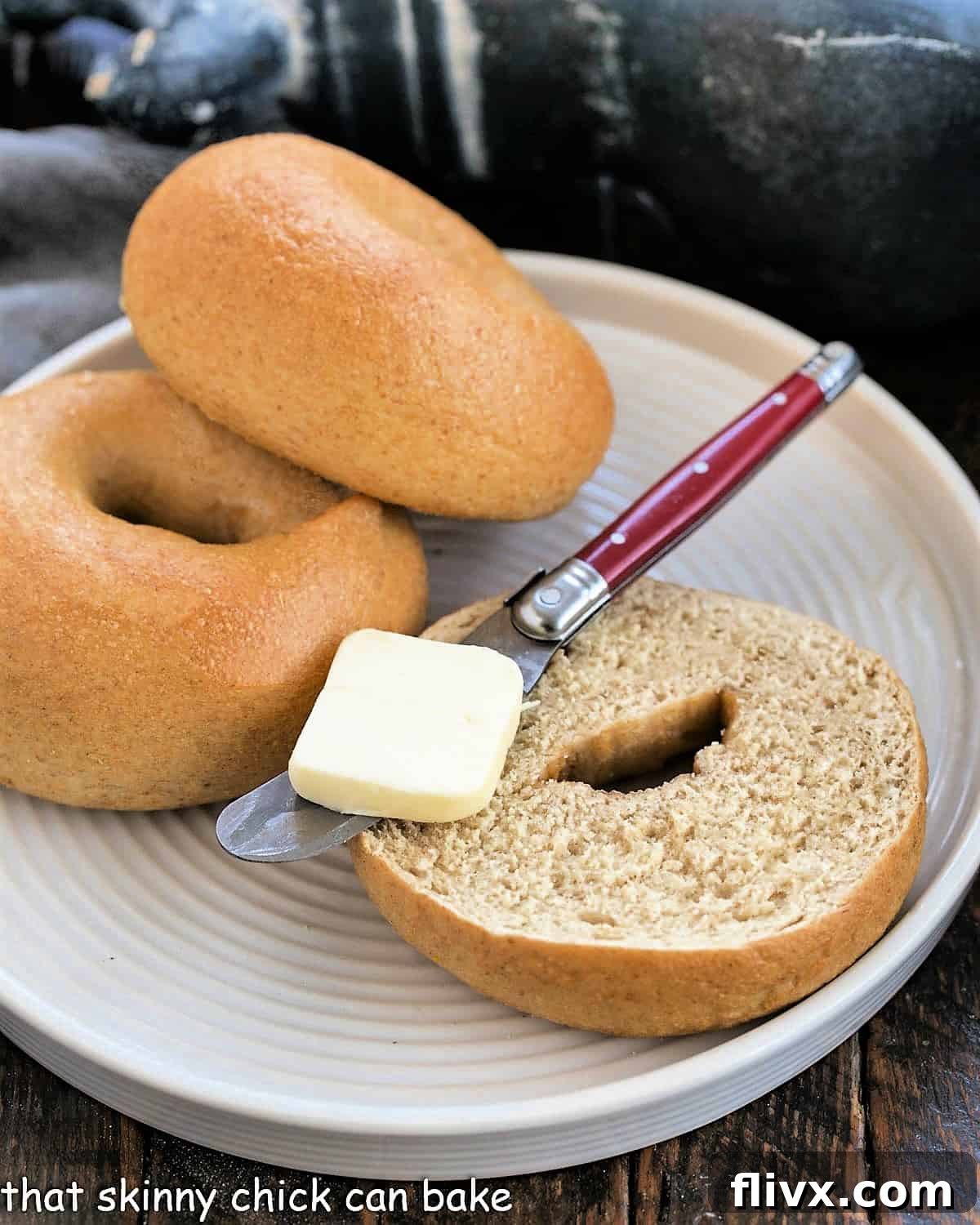
Why You Must Master Homemade Whole Wheat Bagels
For years, the idea of baking my own bagels lingered, a delightful challenge waiting to be conquered. Finally taking the plunge, I discovered a world of culinary satisfaction that store-bought versions simply can’t match. Making bagels from scratch is a rewarding experience, and here’s why you should embrace it:
- Unmatched Freshness and Flavor: There’s truly nothing quite like a warm bagel pulled fresh from your own oven. The aroma alone is intoxicating, a promise of the rich, malty, and slightly sweet flavor that awaits.
- A Healthier Indulgence: By incorporating whole wheat flour, you create a bagel that boasts higher fiber content and additional nutrients, making it a less guilty pleasure without compromising on taste or texture.
- The Joy of Creation: From mixing the dough to shaping each ring and watching them puff up in the oven, the entire process is a therapeutic and deeply satisfying culinary adventure. It’s a skill you’ll be proud to share.
- Customization at Your Fingertips: Control every aspect, from the type of flour to the amount of sweetness, and, of course, the toppings. The possibilities are endless!
Essential Ingredients for Perfect Whole Wheat Bagels
Crafting exceptional bagels starts with understanding the role of each ingredient. While the list might seem simple, each component plays a crucial part in achieving that iconic dense, chewy texture and rich flavor.
- Kitchen Staples: You’ll need basic ingredients like brown sugar, granulated sugar, and salt. Both sugars contribute to the bagel’s flavor and aid in yeast activation and browning, while salt is essential for flavor and regulating yeast activity.
- Active Dry Yeast: This living organism is the heart of your dough, responsible for its rise and distinctive texture. Always check the expiration date on your yeast package to ensure it’s fresh and active. An inactive yeast will result in dense, flat bagels. We’ll discuss how to test your yeast below if you’re unsure.
- Warm Water: The ideal temperature for activating yeast is between 105-115°F (40-46°C). Water that’s too cold won’t activate the yeast, while water that’s too hot can kill it, rendering it useless. A thermometer is your best friend here.
- Barley Malt Syrup: This traditional bagel ingredient is a game-changer. It provides a distinct, malty sweetness and contributes significantly to the shiny, deeply browned crust. If you don’t have barley malt syrup, honey makes an excellent and readily available substitution, offering a similar sweetness and aiding in crust development.
- Bread Flour: Critical for bagel making, bread flour has a higher protein content than all-purpose flour. This higher protein develops more gluten, which is essential for giving bagels their characteristic chewiness and structural integrity, allowing them to hold their shape through boiling and baking.
- Whole Wheat Flour: This is what sets our recipe apart, making it a “healthy bagel” option. Whole wheat flour contains the entire wheat kernel – the bran, germ, and endosperm – providing more fiber, protein, and beneficial minerals like potassium, selenium, and magnesium compared to refined white flour. It also imparts a wonderfully nutty, earthy flavor that complements the sweetness of the malt.
- Cornmeal: Used for dusting your baking sheets, cornmeal prevents the shaped bagels from sticking and provides a slightly coarse, rustic texture on the bottom of the finished bagel.
- Baking Soda: Added to the boiling water, baking soda increases the alkalinity of the water. This alkaline environment helps to gelatinize the starch on the bagel’s exterior, contributing to the distinctively chewy crust and promoting a beautiful golden-brown color during baking. Some recipes use baking powder, but baking soda is more common for traditional bagel results.
- Egg Wash and Toppings: For that classic shiny finish and to ensure your chosen toppings adhere, an egg wash is indispensable. Simply whisk one egg with a teaspoon of water. Brush this mixture over your proofed bagels just before baking, then sprinkle generously with poppy seeds, sesame seeds, everything bagel topping, or grated cheese.
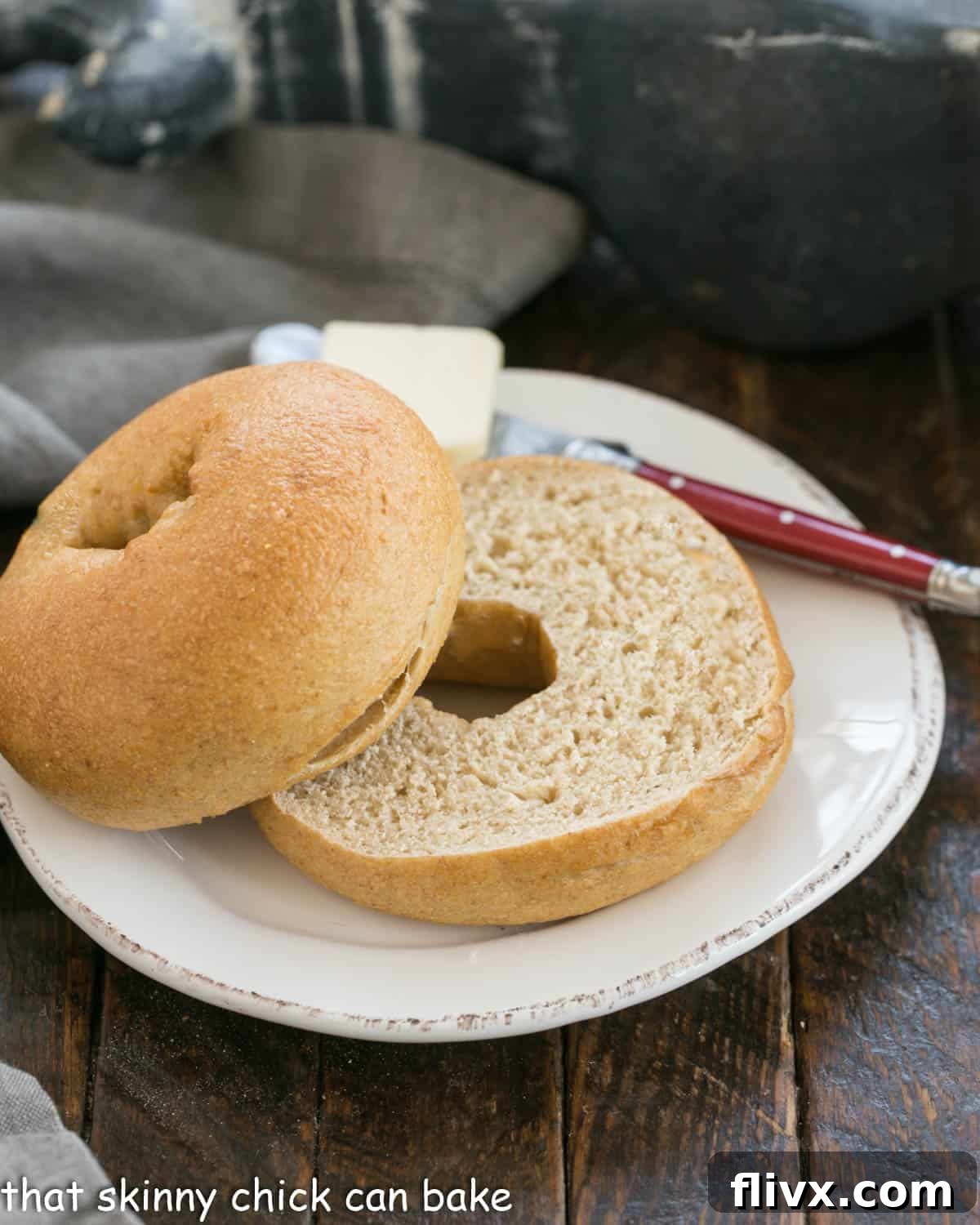
The Art of Making Whole Wheat Bagels: A Step-by-Step Guide
While the concept of making bagels might seem daunting, it’s a remarkably straightforward process once you understand the key stages. This guide will walk you through creating these chewy delights from scratch.
- Prepare Your Flours: Gather your bread flour and whole wheat flour. The bread flour will provide the essential gluten structure, while the whole wheat flour adds a healthier, fiber-rich dimension and a deeper, nuttier flavor. Having them measured and ready will streamline your process.
- Activate and Mix the Dough: Begin by dissolving your active dry yeast in warm water with the sugars and barley malt syrup. This “proofing” step ensures your yeast is alive and ready to work. Once active, gradually incorporate the flours and salt. For ease and efficiency, we highly recommend using a stand mixer fitted with a dough hook. This tool makes quick and easy work of the kneading process, developing the gluten without much manual effort.
- Kneading for Perfection: Allow the stand mixer to knead the dough until it’s smooth, elastic, and pulls away cleanly from the sides of the bowl. Proper kneading is vital for developing the gluten structure that gives bagels their signature chewiness.
- Shape and Proof Overnight: Divide the dough into equal portions and shape them into rings. This is a crucial step for developing flavor and texture. The shaped bagels will then undergo a slow, cold fermentation overnight in the refrigerator. This extended proofing time deepens the flavor profile and contributes to the bagels’ dense, chewy interior.
- The Essential Boil: The next morning, before baking, briefly boil the proofed bagels in a large pot of water to which baking soda has been added. This quick dip in alkaline boiling water is what gives bagels their characteristic glossy, chewy crust and helps to set their shape.
- Bake to Golden Perfection: Finally, transfer the boiled bagels to a preheated oven to bake until they are beautifully golden brown and boast that irresistible, dense, and chewy texture.
Expert Tips for Bagel-Making Success
Achieving bakery-quality bagels at home is entirely possible with a few insider tricks and careful attention to detail. These expert tips will help you navigate the process with confidence and ensure a delicious outcome every time:
- Always Check Your Yeast: Before you begin, confirm your yeast is active. There’s nothing more disheartening than going through the entire bagel-making process only to find your dough hasn’t risen. If your yeast is close to its expiration date or if you’re uncertain, perform a quick test: mix about 2¼ teaspoons of yeast (one packet) in ½ cup of warm water (105-115°F) with ½ teaspoon of sugar. Let it rest for 10-20 minutes. If it bubbles and expands, it’s active and ready to go!
- Harness the Power of Bread Flour: Don’t underestimate the importance of bread flour. Its high gluten content provides the necessary structure and elasticity for that classic chewy bagel texture. While some recipes might use all-purpose flour, bread flour is key for authentic results.
- Utilize a Stand Mixer: For effortless and efficient kneading, a stand mixer equipped with a dough hook is invaluable. It ensures thorough gluten development without overworking your hands. Just keep an eye on your mixer to prevent overheating, especially with dense doughs.
- The Art of Proofing: Allow your bagels to proof until they have visibly doubled in size. This ensures a light, airy crumb within the dense exterior. However, be mindful not to overproof the dough, as this can lead to flat or deflated bagels during baking. Look for a gentle, airy feel when lightly poked.
- The Magic of Boiling: Boiling is not just a preliminary step; it’s essential! This brief bath in baking soda-infused water gelatinizes the starches on the surface of the dough, creating that desirable thick, chewy crust. The baking soda also promotes browning, giving your bagels a beautiful, deep color in the oven. Aim for 30-60 seconds per side, ensuring not to overcrowd the pot.
- Perfect Bagel Holes: When shaping, aim for a hole that appears significantly larger than you’d expect from a baked bagel (2 to 2½ inches in diameter). The dough will expand during proofing and baking, reducing the hole size. You can either roll the dough into a rope and seal the ends or, for a more professional look, form a ball and gently stretch a finger through the center, rotating to widen the opening.
- Adhering to Toppings: For poppy seeds, sesame seeds, or everything bagel seasoning to stick firmly, a simple egg wash is your best friend. Brush the proofed bagels generously with the egg wash just before applying your toppings and baking.
- Knowing When They’re Done: Baked bagels should rise beautifully in the oven, feel relatively light for their size (indicating proper rise), and exhibit a lovely golden-brown exterior. The internal temperature should be around 200-210°F (93-99°C) if you want to be precise, but visual cues are usually sufficient.
- Barley Malt Syrup vs. Honey: If barley malt syrup is hard to find, don’t fret! Honey is a fantastic substitute, providing a similar sweetness and helping to achieve that desired golden crust.
- Explore Beyond Bagels: If you’ve fallen in love with everything bagel seasoning, you might also enjoy these Everything Bagel Crackers for a low-carb, gluten-free snack!
Creative Ways to Serve Your Homemade Whole Wheat Bagels
The beauty of homemade bagels lies not just in their taste but also in their versatility. Fresh from the oven, they are a culinary canvas waiting for your favorite toppings and spreads. I fondly remember sending my husband, Bill, to Whole Foods for smoked salmon to accompany my very first batch. The clerk, noticing his purchase, inquired if he was heading next door for bagels. Bill, ever my biggest supporter, proudly declared his wife was whipping up homemade ones. His rave reviews confirmed what I already knew: these chewy, fabulous bagels were a triumph!
Here are some delightful ways to enjoy your freshly baked whole wheat bagels:
- Classic Simplicity: Toast or simply slice them in half and smear generously with cream cheese (plain, chive, or your favorite flavored variety) or a pat of rich butter.
- Elevated Breakfast: Pair with luxurious smoked salmon, a sprinkle of fresh dill, thinly sliced red onion, and briny capers for a New York-style experience right at home.
- Hearty Sandwiches: Their dense texture makes them perfect for building robust sandwiches. Fill with deli meats, cheese, crisp lettuce, and fresh tomatoes for a satisfying meal.
- Breakfast Powerhouse: Create a hearty breakfast sandwich by topping with fluffy scrambled eggs, crispy crumbled bacon, and a slice of melted cheese.
- Mini Bagel Pizzas: A fun and easy meal! Halve your bagels, spread with pizza sauce, top with mozzarella cheese, and add any of your favorite pizza toppings before baking until bubbly and golden.
- Sweet Treat: Spread with peanut butter, almond butter, or hazelnut spread, and top with banana slices, honey, or a dusting of cinnamon sugar for a sweet indulgence.
For a complete spread, learn how to make a stunning Smoked Salmon Platter to beautifully complement these homemade bagels. And if you’re curious about traditional white flour bagels, be sure to check out these Homemade Sesame Seed Bagels made with bread flour.
Frequently Asked Questions About Whole Wheat Bagels
Yes, whole wheat bagels are generally considered healthier than traditional bagels made with refined white flour. Whole wheat flour retains the bran and germ of the wheat kernel, which means it offers significantly more dietary fiber, protein, and essential minerals like potassium, selenium, and magnesium. While both provide carbohydrates, the whole wheat version offers a more nutrient-dense profile and can contribute to better digestive health and sustained energy levels.
The calorie count of a bagel can vary based on size, ingredients, and toppings. A standard plain bagel made with white flour typically contains approximately 280-300 calories. Our homemade whole wheat bagels, crafted with wholesome ingredients, generally come in at a slightly lower calorie count, around 260 calories per bagel, while offering increased nutritional benefits.
There are two popular methods for creating the signature bagel hole. The first, and often simpler, method involves rolling a piece of dough into a 6-inch rope, then bringing the two ends together and pressing them firmly with the heel of your hand to seal the seam. The second method, which can result in a slightly more uniform and professional appearance, starts with forming a smooth dough ball. Then, you gently press your index finger through the center of the ball and carefully stretch and rotate the dough to widen the opening to about 2 to 2½ inches in diameter. Remember, the hole will shrink during proofing and baking, so make it larger than you think it needs to be!
Bagels should be boiled for a relatively short period, typically between 30 to 60 seconds per side. This quick dip in boiling, baking soda-infused water is crucial for developing their characteristic chewy crust and helping them maintain their shape during baking. It’s important not to overcrowd the pot; boil only a few bagels at a time to maintain water temperature and ensure even cooking.
Absolutely! Homemade bagels freeze exceptionally well. Once cooled completely, you can store them in an airtight freezer bag for up to 2-3 months. To enjoy, simply thaw at room temperature, slice, and toast for a fresh-from-the-bakery experience.
For optimal freshness, store homemade bagels in an airtight container or bag at room temperature for up to 2-3 days. If you won’t be eating them within that timeframe, freezing them is the best option to preserve their texture and flavor.
You May Also Love These Bread Recipes:
- Whole Wheat Challah
- Honey Oatmeal Rolls
- Sunflower Whole Wheat Bread
- Whole Wheat Dinner Rolls
- Explore more of the Best Bread Recipes
Stay connected and share your baking triumphs! Follow us on Instagram, Facebook, and Pinterest. Don’t forget to tag us when you try one of our recipes! And if you love the results, please consider leaving a 5-star rating and a comment below.
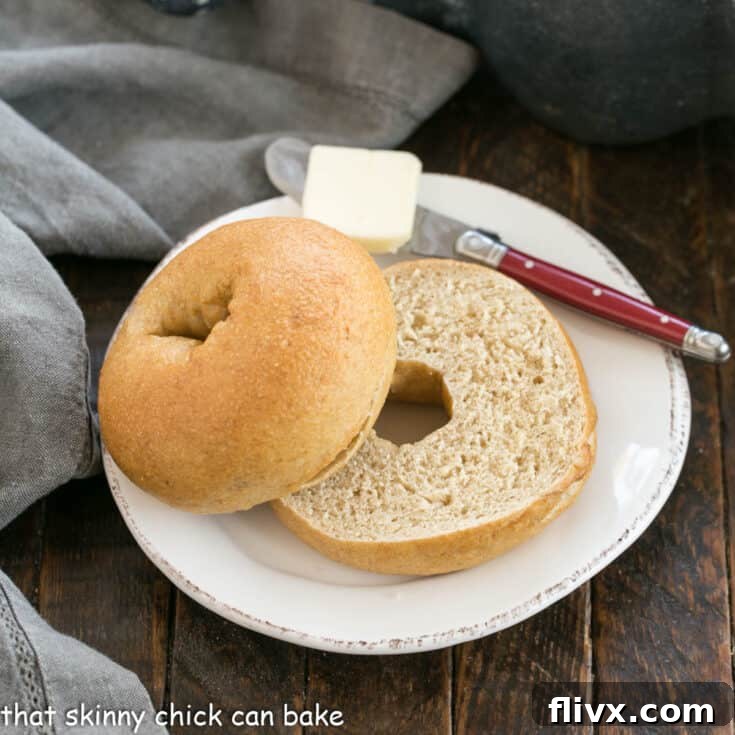
Whole Wheat Bagels
40 minutes
20 minutes
1 hour
14 bagels
Dense, chewy whole wheat bagels made from scratch in your own kitchen! Follow these detailed steps to create your new favorite homemade bread.
Ingredients
- 1 tablespoon active dry yeast
- 2 cups (16 ounces) water, warm, between 105-115ºF (40-46°C)
- 2 tablespoons light brown sugar
- 2 tablespoons granulated sugar
- 1 tablespoon barley malt syrup (or honey as a substitute)
- 3 cups (12 ¾ ounces) unbleached bread flour
- 3 cups (12 ¾ ounces) whole wheat flour
- 1 tablespoon salt
- Cornmeal, for dusting baking sheet
- 1 tablespoon baking soda, for boiling water
Instructions
- In the bowl of a stand mixer fitted with a dough hook, dissolve the active dry yeast in the warm water with both sugars and the barley malt syrup (or honey).
- Add one cup of the bread flour to the mixture and let it sit for about 10 minutes. The yeast should begin to bubble and foam, indicating it is active. If no bubbles appear, your yeast may be inactive, and you will need new yeast to restart the process.
- Add the whole wheat flour and mix well. Then, add the salt, followed by the remaining bread flour, one cup at a time. Continue mixing until the dough comes together, becomes smooth, satiny, and pulls away cleanly from the sides of the bowl.
- Cover the dough with a damp towel or plastic wrap and let it rest at room temperature for 20 minutes. This allows the gluten to relax, making the dough easier to handle.
- Divide the dough into 14 equal pieces. For accuracy, you can weigh each piece to ensure uniformity.
- To shape each bagel, take one dough piece and gently draw the dough up from the bottom, stretching and pinching it at the top to form a smooth, round ball with a small “topknot” or pleat.
- Turn the dough ball over so the pinched seam is against your work surface. Push your index finger into the center of the dough to create a hole.
- Wiggle your finger around the hole, gently stretching and rotating the dough until the hole reaches a diameter of 2 to 2½ inches. Remember, the hole will shrink during subsequent steps, so make it larger than the final desired size.
- Place the shaped dough rings on a baking sheet generously dusted with cornmeal to prevent sticking. Cover them loosely with plastic wrap that has been lightly sprayed with cooking spray.
- Transfer the covered baking sheet to the refrigerator and allow the bagels to cold proof for 12-24 hours. This slow fermentation enhances their flavor and texture.
- The next day, remove the bagels from the refrigerator and let them sit at room temperature for 45 minutes while you preheat your oven to 450ºF (232°C).
- Bring a large pot of water to a rolling boil. Add 1 tablespoon of baking soda to the boiling water. Gently place a few bagels into the pot at a time, ensuring not to overcrowd them. Boil for approximately one minute, flipping them halfway through (30-60 seconds per side).
- Using a slotted spoon, carefully remove the boiled bagels and place them on a parchment-lined baking sheet. If desired, brush with an egg wash and sprinkle with your chosen toppings now.
- Bake for 15-20 minutes, or until the bagels are beautifully golden brown and have a firm, chewy exterior. Allow the bagels to cool completely on wire racks before slicing and serving.
Notes
This recipe has been adapted from a King Arthur Flour method, renowned for its reliability in bread baking. Always remember to check the expiration date on your active dry yeast before you begin, as old yeast can prevent your bagels from rising properly.
Recommended Products
As an Amazon Associate and member of other affiliate programs, I earn from qualifying purchases.
- Barley Malt Syrup
- Measuring Spoons
- Reynolds Kitchens Non-Stick Baking Parchment Paper Sheets
- USA Pan Bakeware Half Sheet Pan
Nutrition Information:
Yield:
14
Serving Size:
1
Amount Per Serving:
Calories: 261
Total Fat: 1g
Saturated Fat: 0g
Trans Fat: 0g
Unsaturated Fat: 1g
Cholesterol: 0mg
Sodium: 729mg
Carbohydrates: 55g
Fiber: 2g
Sugar: 6g
Protein: 7g
This nutritional information is provided as a courtesy and is an estimate only. It is derived from online calculators, and while efforts are made to ensure accuracy, figures can vary depending on product types or brands used. Toppings, often optional, are generally not included in these calculations. For the most precise nutritional data, it is recommended to calculate based on the specific ingredients you use. You are solely responsible for verifying the accuracy of any nutritional information obtained.
HOW MUCH DID YOU LOVE THIS RECIPE?
Please leave a comment on the blog or share a photo on Pinterest!