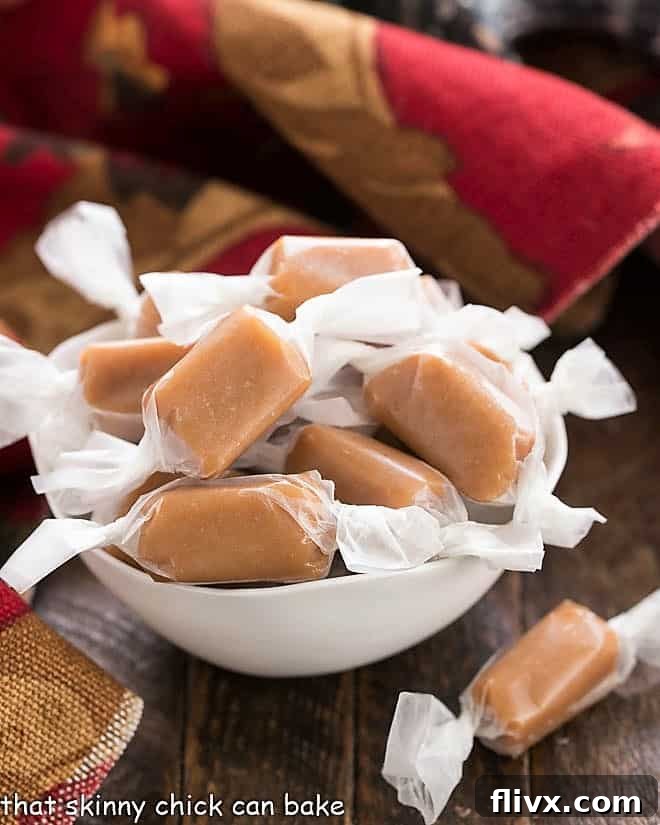
There’s something truly magical about the aroma of homemade caramel filling your kitchen, especially during the holidays. These dreamy, buttery Brown Sugar Caramels are more than just a sweet treat; they’re an exquisite expression of love and effort, making them truly wonderful holiday gifts. While crafting Homemade Caramels from scratch requires a bit of patience and time, the rich, deeply satisfying results are a testament to the care poured into their creation. Plus, these delightful candies are incredibly freezer-friendly, storing beautifully for up to 12 months, which means you can effortlessly make them well ahead of any festive occasion.
Embarking on a Caramel Recipe might seem daunting, but it’s far from difficult. The secret lies in carefully managing the molten sugar and bringing it to the precise temperature. It’s a culinary journey that rewards patience with unparalleled flavor and a perfectly chewy texture that simply melts in your mouth. Get ready to create a confection that will be remembered long after the last bite!
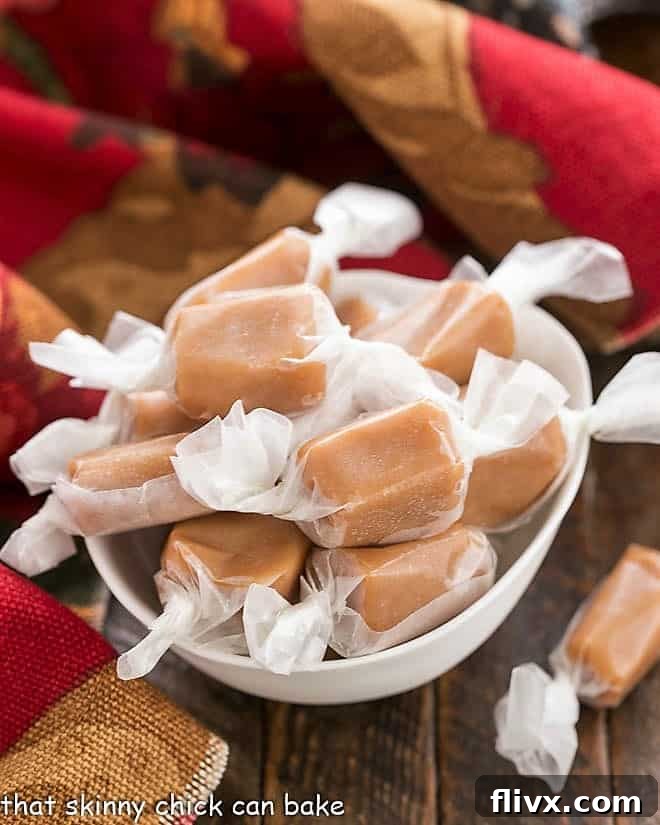
Why You Must Make These Irresistible Brown Sugar Caramels
If you’ve ever craved that perfect balance of sweet, rich, and wonderfully chewy, then this is the caramel recipe for you. Here’s why these Brown Sugar Caramels are an absolute must-make:
- Unforgettable Flavor Depth: The inclusion of brown sugar isn’t just a minor tweak; it’s a game-changer. It infuses these candies with a significantly deeper, more complex caramel flavor compared to those made solely with white sugar, thanks to the natural molasses content in brown sugar. Each bite offers a richer, more nuanced taste experience.
- A Recipe You Can Trust: This isn’t just any caramel recipe. It’s a thoroughly tested, tried-and-true method that comes with comprehensive tips and tricks designed to guide you to success. Whether you’re a seasoned candy maker or a beginner, you’ll find the guidance needed to achieve perfect results every time.
- The Ultimate Holiday Gift: Imagine presenting a beautifully wrapped box of these luscious, homemade caramels. They are absolutely irresistible and make incredibly thoughtful, cherished holiday gifts. They stand out from store-bought options, showcasing a personal touch that recipients will adore and remember.
- Perfectly Chewy Texture: Achieving that ideal chewy-but-not-too-hard texture is a hallmark of a great caramel. This recipe consistently delivers caramels that are soft enough to bite into easily, yet firm enough to hold their shape, offering a satisfying chew without sticking to your teeth.
- Economical & Rewarding: Making your own caramels at home is surprisingly cost-effective compared to purchasing gourmet versions. Beyond the savings, there’s immense satisfaction and a sense of accomplishment in creating such a high-quality confection from simple ingredients.
Essential Ingredient Notes for Perfect Caramels
Each ingredient in this Brown Sugar Caramel recipe plays a critical role in achieving the perfect flavor and texture. Understanding their functions will help you make these caramels with confidence.
- Kitchen Staples – Granulated Sugar & Brown Sugar: These are the backbone of your caramels. Granulated sugar provides the primary sweetness and caramelization base, while brown sugar, with its inherent molasses, adds that distinctive, deeper, more complex caramel flavor and a slightly softer, chewier texture. Using a combination creates a beautifully balanced and rich profile.
- Light Corn Syrup: The Anti-Recrystallization Hero: This ingredient sometimes gets a bad rap, but it is absolutely crucial in candy making, especially for caramels. Its primary function is to prevent the sugar in your mixture from recrystallizing. If you’ve ever encountered grainy caramels, it’s because the melted sugar reverted back to its original crystalline form. Corn syrup acts as an interfering agent, inhibiting the formation of large sugar crystals and ensuring your caramels remain wonderfully smooth and chewy. Do not omit it!
- Half and Half: For Creaminess and Body: A delightful blend of equal parts milk and cream, half and half typically contains 10-12% milk fat. It contributes to the overall creaminess and helps create a rich, smooth base for the caramel without making it overly heavy.
- Heavy Cream (Whipping Cream): The Richness Factor: Also known as whipping cream, this boasts a higher milk fat content (36-40%). Heavy cream is essential for the luxurious, decadent richness and smooth mouthfeel that defines truly exceptional caramels. It adds body and prevents the caramel from becoming too firm or brittle.
- Butter – Salted for Enhanced Flavor: I strongly recommend using salted butter for this recipe. Far from making your caramels taste salty, the salt acts as a powerful flavor enhancer, much like it does in savory dishes. In sweet recipes, a touch of salt brightens and balances the sweetness, preventing the flavor from falling flat. It also contributes to the buttery richness and helps create that desirable chewy texture. Ensure your butter is fresh for the best taste.
- Vanilla Extract – Real is Best: Always opt for real vanilla extract, not artificially flavored substitutes. High-quality vanilla extract adds a warm, aromatic depth that complements the rich caramel notes beautifully. It’s typically added at the end, off the heat, to preserve its delicate flavor.
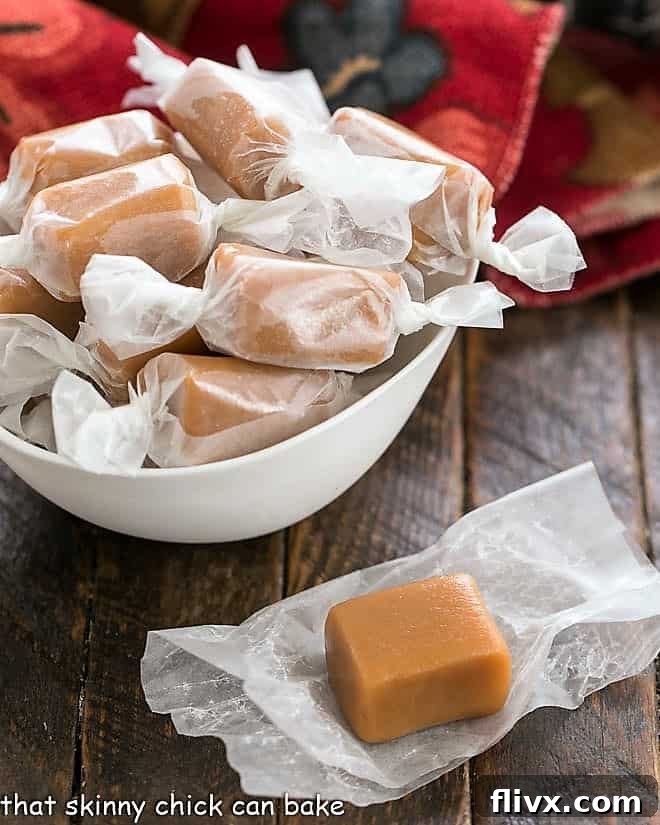
How to Make Your Own Dreamy Brown Sugar Caramels: Step-by-Step
Making homemade caramels is a rewarding process that, with a little attention, yields spectacular results. Follow these steps carefully for success:
- Prepare Your Pan: Begin by lining an 8×8-inch baking pan with non-stick foil or parchment paper, ensuring it hangs over the sides to create “handles.” Lightly butter or grease the foil/parchment. This crucial step guarantees easy removal of your set caramels later. Set the prepared pan aside within easy reach.
- Combine and Cook Ingredients: In a large, heavy-bottomed saucepan (at least 3-4 quart capacity to prevent boil-overs), combine both types of sugar, light corn syrup, half and half, heavy cream, and butter. Place the saucepan over medium-low heat. Stir constantly at first to help the sugars dissolve and prevent scorching on the bottom of the pan. Attach a reliable candy thermometer to the side of the pan, making sure the tip doesn’t touch the bottom. Continue to cook, stirring frequently (though not necessarily continuously once boiling begins, but keep an eye on it), until the mixture reaches precisely 250ºF (121ºC) on the candy thermometer. This process can take anywhere from 45 minutes to a full hour, so patience is key!
- Remove from Heat and Add Vanilla: As soon as the caramel mixture hits 250ºF, immediately remove the saucepan from the heat. Carefully stir in the vanilla extract. Adding it off the heat preserves its delicate flavor and prevents it from evaporating.
- Pour and Cool: Promptly and carefully pour the hot, molten caramel into your prepared 8×8-inch pan. Do not scrape the bottom or sides of the saucepan, as any sugar crystals there could cause the entire batch to become grainy. Allow the caramel to cool completely and set at room temperature. This can take several hours, or even overnight. Resist the urge to refrigerate it, as rapid cooling can affect the texture.
- Cut and Wrap: Once the caramel is completely firm, use the foil/parchment handles to lift the block of caramel out of the pan. Place it on a cutting board. Lightly grease a sharp knife or a pizza cutter and cut the caramel into small squares, approximately 1-inch by 1-inch. Wrap each individual caramel piece tightly in small squares of waxed paper or cellophane candy wrappers to prevent them from sticking together.
Expert Tips for Homemade Caramel Perfection
Crafting perfect brown sugar caramels involves a traditional process where sugar, corn syrup, cream, and butter are gently heated and cooked to a specific temperature. Once the ideal temperature is reached, vanilla extract is incorporated, and the molten mixture is poured into a prepared pan to set. Here are some expert tips to ensure your caramels turn out flawless every time:
- The Indispensable Candy Thermometer: This is arguably the most critical tool for consistent caramel making. PRO-Tip: Invest in a good, accurate candy thermometer. Calibrate it before use by placing it in boiling water (it should read 212°F or 100°C). An inaccurate thermometer is the leading cause of caramel failures. If your caramels don’t reach the precise temperature of 250°F, they will be too soft and might not hold their shape. Conversely, if the mixture gets too hot (even a few degrees), your caramels will become excessively firm and hard to chew, potentially even brittle. Precision here is paramount for that ideal chewy texture.
- The Power of Corn Syrup: PRO-Tip: Using corn syrup is not just a suggestion; it’s a vital step to prevent the sugar from recrystallizing and becoming grainy. On a molecular level, corn syrup (which is glucose) acts as an interfering agent, preventing sucrose (table sugar) molecules from clumping together and forming undesirable crystals. Without it, you risk a sandy or crunchy texture rather than a smooth, chewy caramel. So, if your recipe calls for it, never leave it out!
- Choose a Heavy-Bottomed Saucepan: PRO-Tip: Do not use a flimsy saucepan. A heavy, high-quality pan that conducts and distributes heat evenly is essential for preventing scorching and ensuring the caramel cooks consistently. Thin pans can lead to hot spots, burning the sugar at the bottom while the rest of the mixture hasn’t reached temperature. A 3-4 quart saucepan is typically ideal for this recipe to prevent boil-overs.
- Maintain a Steady Temperature: One common issue is butter separation, where the butter seeps out of the caramel as it cools. This often happens due to rapid fluctuations in temperature during cooking. PRO-Tip: Keep your flame/burner temperature steady throughout the cooking process. Avoid drastic increases or decreases in heat, which can shock the mixture and break its emulsion. Gentle, consistent heat encourages the ingredients to emulsify properly, resulting in a cohesive, smooth caramel.
- The Art of Stirring: I use a silicone spatula that can withstand high heat without melting for stirring. PRO-Tip: Stirring is most important when initially melting all the ingredients together to prevent burning and ensure the sugars dissolve evenly. Once the mixture comes to a boil, you can stir continuously or just from time to time. However, always stay close to the pan to monitor the temperature progression. Constant stirring throughout can sometimes encourage crystallization, but gentle, periodic stirring helps prevent sticking and ensures even cooking. Thanks to a generous reader for sharing her experience that constant stirring isn’t always necessary for this recipe’s success!
- Patience is a Virtue: Getting your caramel mixture up to temperature can easily take up to an hour. Don’t rush the process by increasing the heat too much, as this can lead to burning or uneven cooking. Have a book, your favorite podcast, or a friend nearby to keep you company during this waiting period. The delicious reward is absolutely worth the wait!
- Substituting Half and Half: If you only have heavy cream and milk on hand, you can easily create half and half. Simply combine equal parts heavy cream and whole milk (e.g., ½ cup heavy cream + ½ cup whole milk for 1 cup of half and half).
- Prepare for Cleanup: Caramel can be sticky! After pouring the caramel, immediately fill your saucepan with hot water and let it soak. This will make cleanup significantly easier.
Frequently Asked Questions About Homemade Brown Sugar Caramels
Yes, absolutely! You can indeed substitute brown sugar for white sugar, or use a combination, as this recipe does. In fact, using brown sugar will significantly enhance the classic caramel flavor, adding deeper, more complex notes due to its molasses content. It also tends to result in a slightly softer and chewier caramel than one made purely with granulated white sugar. Experiment with the ratio to find your perfect balance!
The answer depends slightly on the recipe and stage. In this specific recipe, which includes corn syrup, continuous stirring is less critical once the mixture comes to a boil because the corn syrup effectively prevents sugar recrystallization. However, it is absolutely essential to stir continuously during the initial melting phase when combining all ingredients, especially the butter and sugars, to prevent them from burning and sticking to the bottom of the pan. Once boiling, you can stir periodically, but always monitor the temperature closely. Some traditional caramel recipes without corn syrup might require more constant stirring to prevent crystallization. My advice is always to follow the specific instructions of your chosen recipe. Interestingly, I have a dedicated reader who makes these caramels frequently and has found success without constant stirring once boiling, proving that a little flexibility can sometimes work!
Proper storage is key to keeping your homemade caramels fresh and delicious. Once cooled and wrapped individually in waxed paper, parchment paper, or cellophane, store them in an airtight container. Keep the container at room temperature, away from direct sunlight or excessive heat and moisture. Under these conditions, your caramels will stay fresh and perfectly chewy for up to 3 weeks. For longer storage, caramels freeze exceptionally well. Place the individually wrapped caramels in a freezer-safe, airtight container or heavy-duty freezer bag. They can be frozen for an impressive 6 to 12 months. When you’re ready to enjoy them, simply thaw them at room temperature for a few hours. Freezing is a fantastic way to extend their shelf life, making them perfect for preparing holiday gifts in advance!
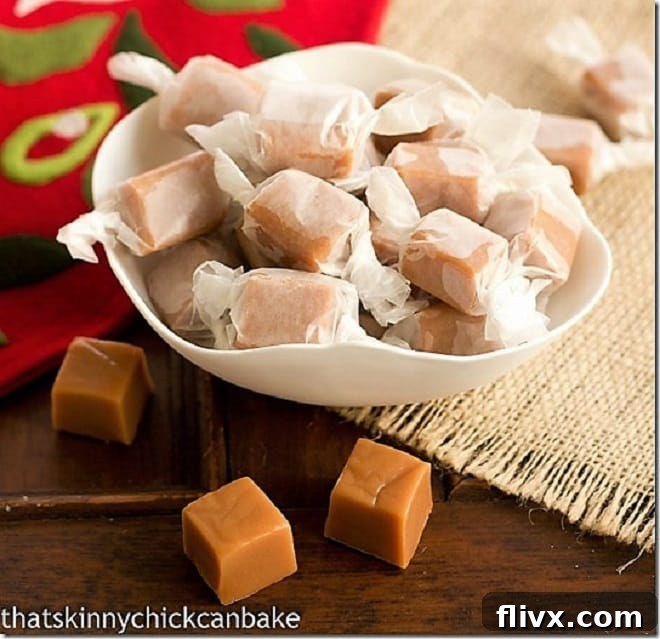
The Recipe: Brown Sugar Caramels
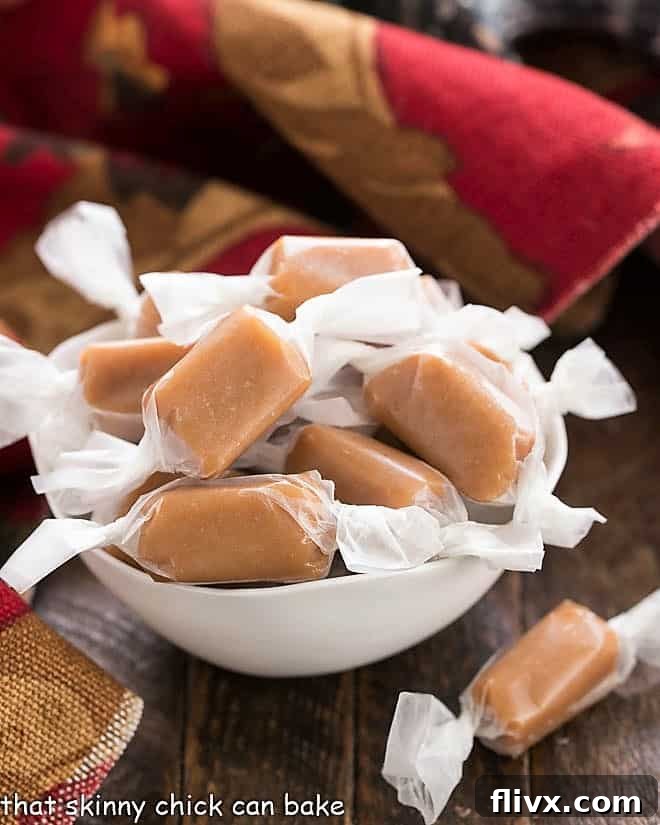
Brown Sugar Caramels
5 minutes
50 minutes
55 minutes
64 caramels
Delight in these rich, chewy homemade caramels crafted with both white and brown sugar. They’re the perfect sweet treat for any occasion, especially wonderful for holiday gifting!
Ingredients
- 2 cups granulated sugar
- 1 cup light brown sugar, packed
- 1 cup light corn syrup
- 1 cup half and half
- 2 cups heavy whipping cream
- 1 cup (2 sticks) unsalted butter, cut into pieces
- 1 ½ teaspoons pure vanilla extract
Instructions
- Line an 8 x 8-inch baking pan with non-stick foil or parchment paper, leaving an overhang on the sides. Lightly grease the foil/parchment. Set aside.
- In a large, heavy-bottomed saucepan, combine the granulated sugar, brown sugar, corn syrup, half and half, heavy cream, and butter. Cook over medium-low heat, stirring frequently, until the candy thermometer reaches 250ºF (121ºC). This crucial stage can take up to an hour; do not rush it.
- Immediately remove the pan from the heat once it reaches 250ºF. Carefully stir in the pure vanilla extract.
- Pour the hot caramel mixture into the prepared pan. Do not scrape the sides or bottom of the saucepan. Let it cool completely at room temperature, which may take several hours.
- Once completely cool and set, lift the caramel block from the pan using the foil/parchment overhang. Place on a cutting board and cut into approximately 1-inch squares using a lightly greased sharp knife or pizza cutter.
- Wrap each individual caramel square tightly in waxed paper or cellophane for best storage. Makes approximately 64 caramels.
Notes
- Always use a reliable, calibrated candy thermometer for accurate temperature readings.
- Corn syrup is essential for preventing sugar crystallization and ensuring a smooth, chewy texture.
- Avoid drastic temperature changes during cooking to prevent butter separation. Keep the heat steady.
- Stir consistently when melting ingredients, then periodically during boiling, while always monitoring the temperature.
- For ideal texture, allow caramels to cool completely at room temperature before cutting and wrapping.
Recommended Products
As an Amazon Associate and member of other affiliate programs, I earn from qualifying purchases.
- Candy/Deep Frying Thermometer
- Nonstick Foil
- 8 x 8-inch Baking Pan
Nutrition Information:
Yield:
32
Serving Size:
2 caramels
Amount Per Serving:
Calories: 212Total Fat: 12gSaturated Fat: 8gTrans Fat: 0gUnsaturated Fat: 4gCholesterol: 35mgSodium: 63mgCarbohydrates: 27gFiber: 0gSugar: 27gProtein: 1g
HOW MUCH DID YOU LOVE THIS RECIPE?
Please leave a comment on the blog or share a photo on Pinterest
You May Also Love These Dessert Recipes:
- Caramel Apple Bars from Snappy Gourmet
- Mini Vanilla Flans
- Microwave Caramel Sauce Recipe
- Caramel Espresso Bars
- Soft Chewy Cream Caramels
- Caramel Stuffed Rice Krispie Treats
- Caramel Apple Pie
- Plus more of my Best Dessert Recipes
Stay in touch through social media @ Instagram, Facebook, and Pinterest. Don’t forget to tag me when you try one of my recipes! And if you love the results, please give it a 5-star rating in the recipe card.
My love affair with caramels began in childhood. I vividly recall the joyous anticipation whenever a gift of mixed chocolates appeared in our home. I’d gently (or sometimes not so gently!) elbow my younger sisters aside, my eyes fixed on those alluring square-shaped caramels, always the first to be claimed. It turns out, this profound fondness for caramels runs deep in my family’s history. Just last year, my uncle sent me a treasured, old, splatter-stained candy cookbook that once belonged to my beloved grandfather. Tucked within its yellowed pages, alongside countless recipe clippings, were handwritten notes offering insights into altitude adjustments next to the caramel and praline recipes – a true testament to generations of candy-making passion.
The cookbook, dated 1952, contained charmingly outdated instructions, such as, “Remove from the fire and pour on an oiled slab between oiled bars.” While my initial intention was to use this historical recipe for my caramels as a heartfelt tribute to my mom’s side of the family, intriguing terms like “slack back” made me a wee bit nervous. The candy-making process can indeed be quite finicky, demanding precision and familiarity. So, with a deep respect for tradition, I ultimately decided to set aside my grandfather’s recipe for another day, opting instead for one of my own tried-and-true recipes that I know delivers consistent perfection. I have shared other caramel recipes on my blog before, but this particular version, featuring a harmonious blend of both brown and white sugar, truly provides an unparalleled boost of rich caramel flavor. It’s a recipe that perfectly balances tradition with reliable, delicious results, ensuring every batch of these brown sugar caramels is a pure delight.