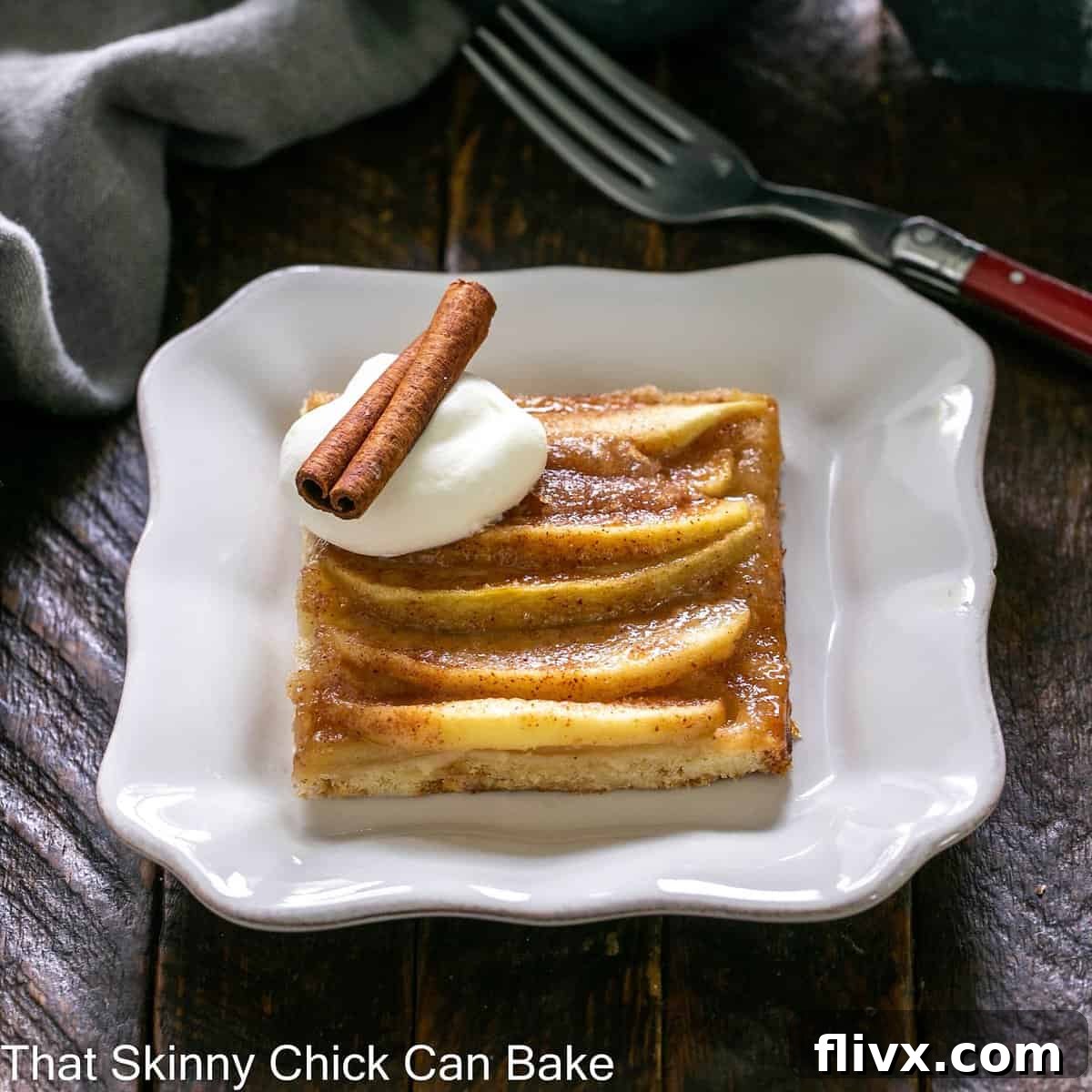
Experience the warmth and tradition of Germany with this incredibly easy and utterly delicious German Apple Cake, fondly known as Apple Kuchen or Apfel Kuchen. Featuring a tender pastry crust, a generous topping of perfectly sliced baking apples, and a delightful cinnamon sugar sprinkle, this classic dessert is a taste of heritage in every bite.
My journey with Apfel Kuchen began with a heartfelt quest: a gift for my dear father-in-law, who harbored cherished childhood memories of his grandmother’s recipe. His original recollection involved a richer, yeast-based dough combined with a creamy custard of egg, sugar, cream, and cinnamon. While that version holds a special place, my latest rendition simplifies the process without compromising on the authentic, comforting flavors. This modern take on the classic is not only easier to prepare but promises an equally satisfying taste that resonates with centuries of German baking tradition.
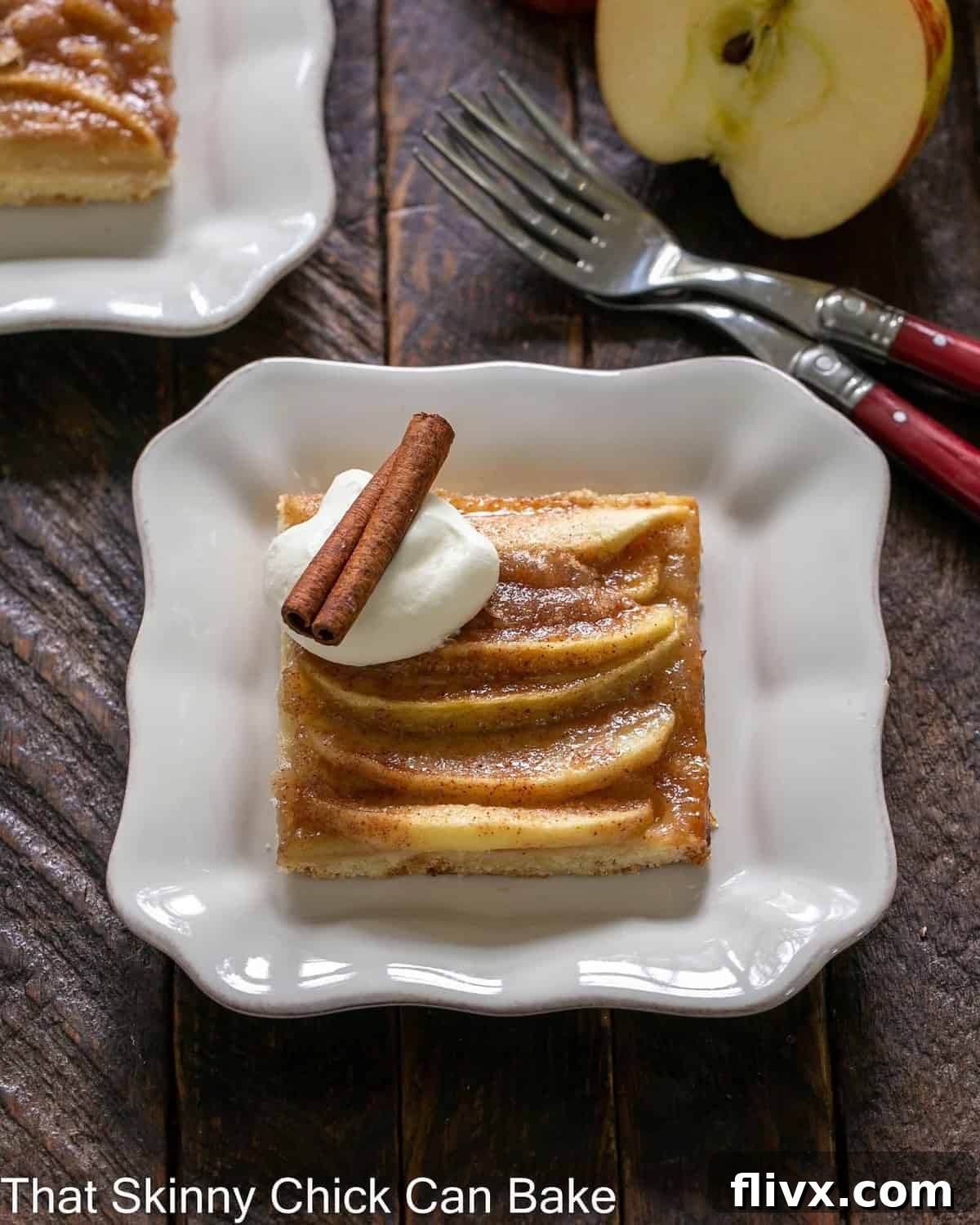
Why You Must Make This German Apple Kuchen
There are countless reasons to fall in love with this traditional German Apple Kuchen. Beyond its simple preparation, it offers a culinary experience that connects you with rich history and heartwarming flavors.
- Effortless Elegance: This Apfel Kuchen is delightfully reminiscent of an apple slab pie, yet it’s significantly simpler to make than most traditional apple pie recipes. Forget fussy crimping or intricate lattice work; this recipe focuses on pure, unadulterated apple goodness with minimal fuss, making it perfect for both novice and experienced bakers alike.
- A Symphony of Classic Flavors: If you adore apple desserts, this cake embodies the quintessential pairing of crisp, sweet-tart apples and warm, aromatic cinnamon. Each bite delivers that familiar, comforting blend that has made apple desserts a global favorite for generations. The simple yet profound flavor profile is universally appealing.
- A Taste of History: Apfel Kuchen boasts a rich history, with variations of German apple cake recipes tracing back at least 400 years. It’s an integral part of the cherished German tradition of “Kaffee und Kuchen” (coffee and cake), a cultural practice akin to British tea time. This afternoon ritual, typically observed between 3 and 5 PM, is a moment for friends and family to gather, socialize, and enjoy a slice of homemade cake alongside a cup of coffee or tea. Making this Kuchen isn’t just baking; it’s participating in a timeless German custom.
- Versatile Delight: While traditionally served during Kaffee und Kuchen, this apple cake is incredibly versatile. It makes a wonderful breakfast treat, a delightful afternoon snack, or a comforting dessert after dinner. It’s substantial enough to satisfy but light enough not to feel overly heavy.
- Comforting Aroma: The process of baking this Apfel Kuchen fills your home with the most inviting aromas of apples, cinnamon, and warm butter. It’s an experience that begins long before the first bite, creating a cozy and welcoming atmosphere.
Ingredient Notes for Your Perfect Apfel Kuchen
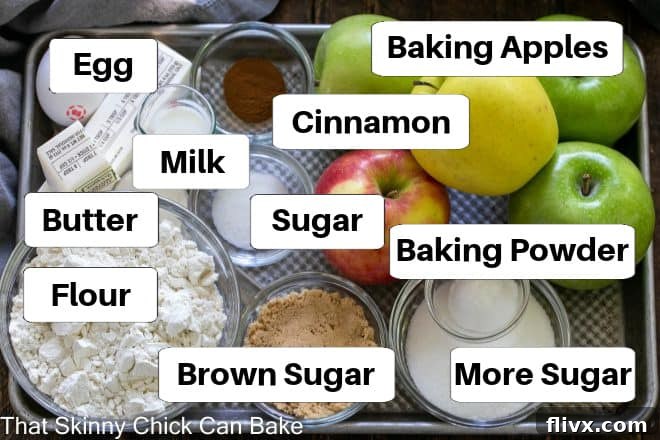
Crafting the perfect German Apple Cake begins with understanding the role of each ingredient. Here’s a closer look at what you’ll need and why it matters:
- Baking Apples: The heart of your Kuchen! For the most exquisite flavor and texture, I highly recommend using a variety of baking apples. Combining sweet and tart apples ensures a complex, balanced taste. Excellent choices include Granny Smith (for tartness and structure), Golden Delicious (for sweetness and tender flesh), and Honeycrisp (for a crisp texture and balanced flavor). Avoid apples that become too mushy when baked, as they can lead to a watery filling.
- All-Purpose Flour: Simple and effective. Standard all-purpose flour is perfect for both the crust and the topping, providing the necessary structure without being too dense. Sifting the flour, especially for the crust, can help create a lighter, more tender dough.
- Baking Powder: This leavening agent is crucial for giving the crust a slight lift and tender crumb. Always check its freshness! A simple test: drop a spoonful into a small bowl of hot water. If it bubbles vigorously, it’s active and ready to use. If not, it’s time for a new container.
- White Granulated Sugar: Used in both the crust and the topping, white sugar provides essential sweetness and helps achieve that golden-brown finish. It contributes to the overall tender texture of the cake.
- Light Brown Sugar: Primarily for the topping, brown sugar adds a deeper, more caramel-like sweetness and a hint of moisture. Its subtle molasses notes perfectly complement the apples and cinnamon.
- Salt: Often overlooked, salt is a vital ingredient in baking. I prefer fine-grained table salt for this recipe, as it disperses evenly throughout the dough, enhancing all the other flavors without making the cake taste salty. It balances the sweetness and brings out the nuances of the apples and cinnamon.
- Large Egg: The egg acts as a binder, adding richness and helping to emulsify the ingredients in the crust. For optimal incorporation, always bring your egg to room temperature before mixing. A room-temperature egg blends more smoothly and creates a more uniform dough.
- Milk: I typically use 2% milk, as it’s what I keep on hand, and it works beautifully to moisten the dough. Whole milk will also yield excellent results, contributing to a slightly richer crust. The fat content in milk helps tenderize the dough.
- Unsalted Butter: Essential for both the flaky crust and the rich, buttery topping. Using unsalted butter allows you to control the total salt content in your recipe. Ensure your butter for the crust is very cold and cut into small pieces; this is key to achieving that desirable flaky texture.
- Ground Cinnamon: The quintessential spice for apple desserts. Cinnamon provides warmth, depth, and that signature aromatic flavor that pairs so perfectly with baked apples. While cinnamon is the star, feel free to experiment with a pinch of nutmeg or allspice for added complexity if you wish.
How to Make Your Authentic German Apple Kuchen
Creating this delicious German Apple Cake is a straightforward process, broken down into simple steps for a perfect result every time. Follow these instructions to bake a dessert that will impress both family and friends.
- Prepare the Crust: Begin by sifting together your dry ingredients for the crust – that’s the flour, baking powder, a portion of the white sugar, and salt. Sifting helps to aerate the flour and ensures all ingredients are well combined, preventing lumps.
- Cut in the Butter: Add the cold, cubed butter to the dry ingredients. Using a pastry blender, your fingertips, or two knives, cut the butter into the mixture until it resembles coarse crumbs with some pea-sized pieces of butter remaining. This technique is crucial for developing a flaky, tender crust.
- Combine Wet and Dry: In a separate small bowl, whisk together the room-temperature egg and milk. Gradually add this wet mixture to the dry ingredients, mixing gently until just combined. Be careful not to overmix, as this can lead to a tough crust.
- Form the Base: Lightly grease a 9 x 13-inch baking pan. Press the dough evenly into the bottom of the prepared pan. Aim for a uniform thickness across the entire base to ensure even baking.
- Prepare the Apples: Next, prepare your apples. Peel them (or leave the skins on if you prefer, for added color and texture), core them, and then slice them into thin, uniform wedges. Consistency in thickness ensures the apples cook evenly and become perfectly tender.
- Arrange the Apples: Neatly arrange the sliced apples over the crust in overlapping rows. This not only creates a beautiful presentation but also helps ensure an even distribution of fruit in every slice. After arranging, dot the apples with small pieces of the remaining butter – this adds moisture and rich flavor as the cake bakes.
- Craft the Topping: In another bowl, mix together the remaining sugars (white and brown), flour, and cinnamon for the topping. This blend will create a delightful, slightly crumbly, and spiced layer over your apples.
- Apply Topping and Bake: Evenly sprinkle the topping mixture over the arranged apples. Bake the Kuchen as directed in your recipe card until the crust is golden brown, the apples are tender when pierced with a knife, and the topping is beautifully caramelized. Allow it to cool slightly before serving to let the flavors set.
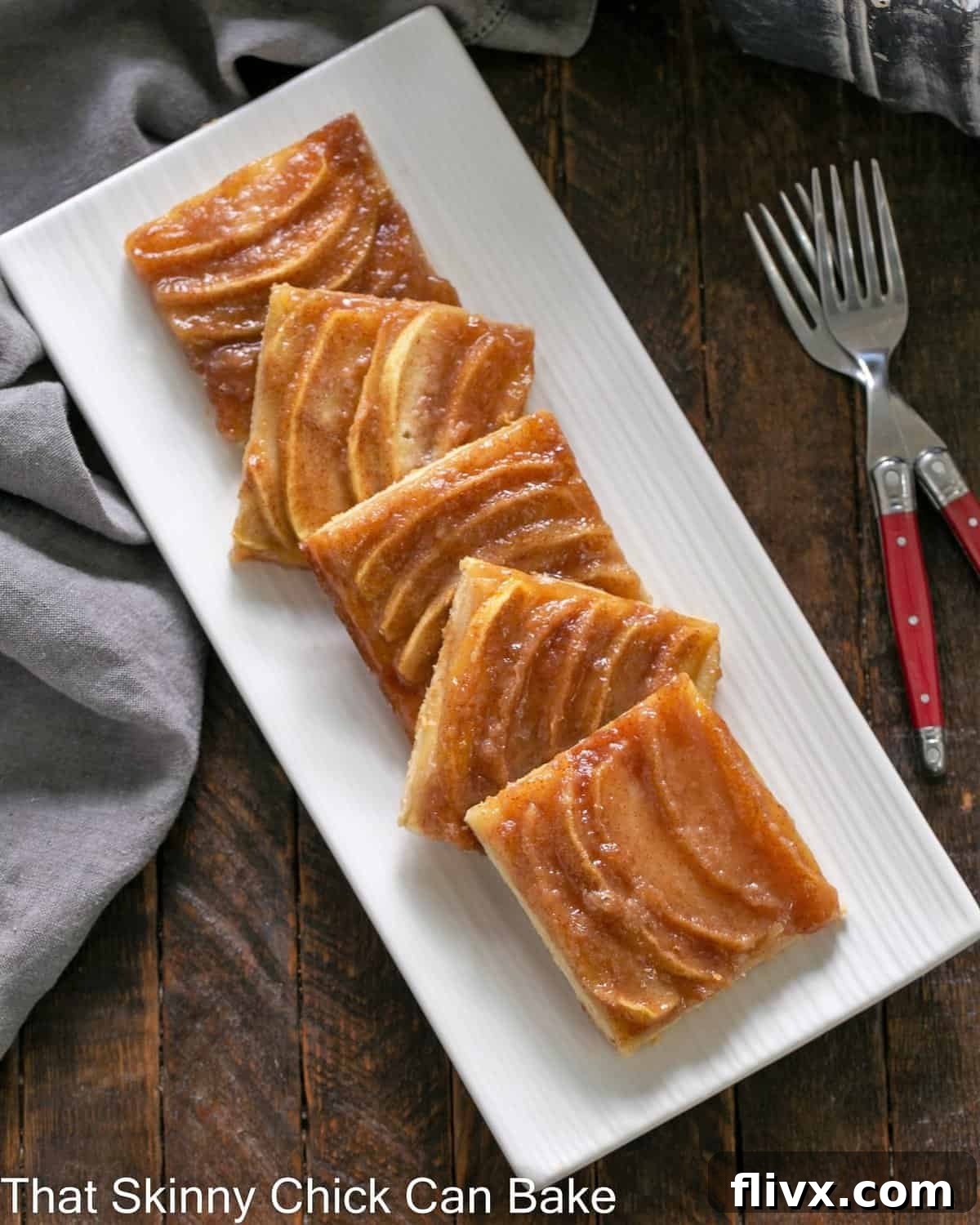
Expert Tips for a Flawless Apple Kuchen
Elevate your German Apple Cake to perfection with these insider tips and tricks:
- Embrace Variety: Remember, there are countless variations of apple kuchen, often cherished and passed down through generations. Don’t be afraid to experiment! It might take a few attempts or slight adjustments to find the “perfect” recipe that resonates most with your family’s taste and traditions. This recipe offers a fantastic starting point.
- Choose Your Apples Wisely: As mentioned, baking apples are key. Their firm flesh holds up well to the heat of the oven, preventing a mushy filling. Using a mix of varieties will indeed add a more complex, nuanced, and unique flavor profile to your Kuchen, balancing sweetness with tartness.
- Peels On or Off? Your Preference: The choice to peel your apples or leave the skins on is entirely up to you. Leaving the peels adds a rustic texture and a pop of color, as well as a bit of extra fiber. However, if you prefer a smoother, more uniform texture, peeling is the way to go. I personally find peeled apples more appealing in this particular cake.
- Creative Add-ins: While classic Apfel Kuchen often shines on its own, feel free to personalize it! Consider sprinkling a handful of plump raisins, dried cranberries, or toasted pecans or walnuts over the apples before adding the topping. These additions can introduce new textures and flavor dimensions.
- Greasing the Pan is Sufficient: I usually advocate for lining baking pans with foil for easy cleanup. However, for this apple kuchen, where the crust needs to be firmly patted into the pan, a foil lining can make the process difficult and uneven. For the best crust base, simply grease your pan thoroughly with butter or non-stick spray, and skip the foil.
- Serving Suggestions: This versatile cake can be enjoyed in many ways. Serve it straight from the pan, still warm, for a comforting experience. For an extra touch of indulgence, add a scoop of rich vanilla ice cream, a dollop of lightly sweetened whipped cream, or for a truly authentic German experience, a homemade vanilla custard sauce to accompany each slice.
- Don’t Overmix the Crust: Overmixing the dough for the crust will develop the gluten too much, resulting in a tough and chewy base. Mix only until the ingredients are just combined and no dry streaks of flour remain.
- Let it Cool (a Little): While irresistible warm, allowing the Kuchen to cool slightly before slicing helps the filling and crust set, making for cleaner cuts and a more cohesive texture.
Frequently Asked Questions About German Apple Cake
Kuchen (pronounced KOO-gan or KOO-can) is the German word for “cake,” but its culinary identity is far more nuanced than a typical American cake. It’s often described as a delightful cross between a cake and a pie, usually featuring a generous fruit filling (like apples, plums, or berries) or a creamy cheese (Quark) base, sometimes with a luscious custard layer or a crumbly streusel topping. There are countless regional variations of Kuchen across Germany, each with its unique dough (yeast, shortcrust, or sponge) and toppings, making it a versatile and beloved category of German baking. Apfel Kuchen is just one of many delicious forms.
The most common pronunciations for Kuchen are KOO-gan (with a soft ‘g’ sound, like in “garden”) or KOO-can. Both are widely accepted. The word literally translates to “cake” in German, and its sound is as comforting as the dessert itself.
Traditionally, Kuchen is served as part of the “Kaffee und Kuchen” tradition in Germany, similar to an afternoon tea. This social ritual, observed between 3 and 5 PM, involves enjoying a slice of homemade cake with coffee or tea, often accompanied by lively conversation among friends and family. In American households, Kuchen is more commonly served as a dessert after dinner, perhaps with a generous dollop of whipped cream, a scoop of vanilla ice cream, or a warm vanilla custard sauce. It can also make a wonderful addition to a brunch spread or a special breakfast treat.
Proper storage ensures your Kuchen stays fresh and delicious. It can typically be stored at room temperature, loosely covered, for 2-3 days. However, due to its moist fruit filling, it’s recommended to store your Kuchen in the refrigerator for up to 5 days, especially in warmer climates or during summer months, to prevent spoilage. For longer storage, Kuchen freezes exceptionally well. Wrap it airtight in plastic wrap, then again in aluminum foil, and it will keep in the freezer for up to 3 months. To serve after freezing, defrost it overnight in the refrigerator and gently warm individual slices in the oven or microwave for that fresh-baked taste.
You May Also Like: These Apple Desserts
- Apple Pie Muffins from Dinner, then Dessert
- Classic Apple Pie
- Apple Galette
- Apple Slab Pie
- More of theBest Dessert Recipes
Stay in touch through social media @ Instagram, Facebook, and Pinterest. Don’t forget to tag me when you try one of my recipes! And if you love the results, please give it a 5-star rating in the recipe card.
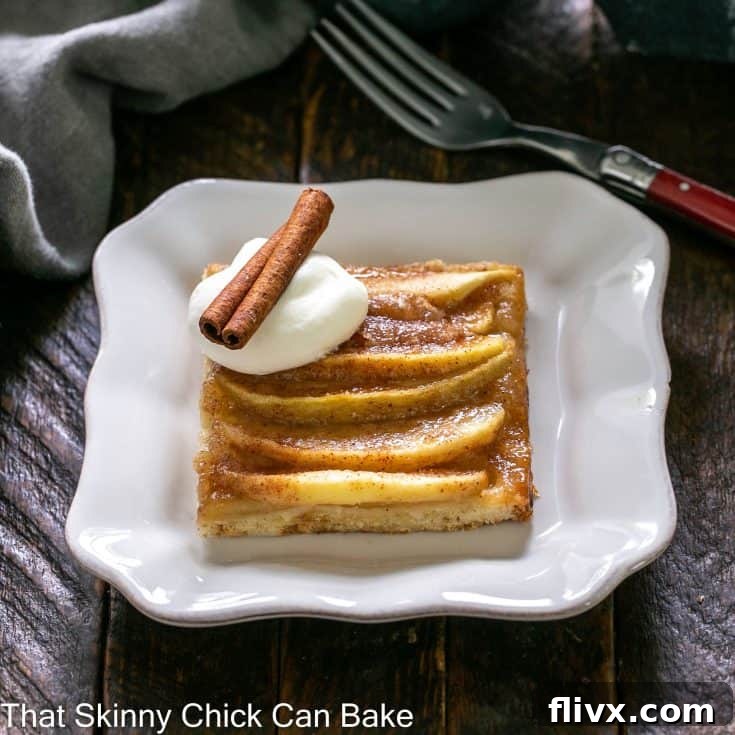
Apple Kuchen or Apfelkuchen
30 minutes
30 minutes
1 hour
2 hours
8 servings
This Apple Kuchen or German Apple Cake is a retro recipe inspired by cherished family memories.
Ingredients
- 4 baking apples, such as Granny Smith, Golden Delicious, or Honeycrisp (a variety is highly recommended for best flavor)
- ½ cup all-purpose flour
- 1 teaspoon baking powder
- 2 teaspoons granulated sugar
- ¼ teaspoon salt
- ½ cup unsalted butter, very cold and cubed
- 1 large egg, at room temperature
- 2 tablespoons milk (2% or whole milk)
For the Topping:
- 2 tablespoons unsalted butter, melted
- ¼ cup granulated sugar
- ¼ cup packed light brown sugar
- 1 ½ tablespoons all-purpose flour
- ½ teaspoon ground cinnamon
Instructions
- Preheat your oven to 350°F (175°C). Lightly grease a 9 x 13-inch baking pan and set it aside.
- To make the crust layer, in a medium bowl, whisk together the ½ cup flour, baking powder, 2 teaspoons sugar, and ¼ teaspoon salt.
- Add the ½ cup cold, cubed butter to the dry ingredients. Cut the butter into the mixture using a pastry blender or two knives until the butter pieces are about the size of small peas.
- In a small separate bowl, whisk together the room-temperature egg and 2 tablespoons milk. Add this wet mixture to the dry ingredients, mixing until just combined and a soft dough forms. Be careful not to overmix.
- Evenly pat the dough into the bottom of the prepared 9 x 13-inch baking pan, creating a smooth, consistent base.
- Peel, core, and thinly slice the 4 baking apples into uniform wedges.
- Arrange the apple slices on top of the dough in neat, overlapping rows, covering the entire crust.
- Dot the arranged apples with the 2 tablespoons of melted butter for the topping.
- In a small bowl, mix together the ¼ cup granulated sugar, ¼ cup brown sugar, 1 ½ tablespoons flour, and ½ teaspoon cinnamon for the topping. Sprinkle this mixture evenly over the apples.
- Bake for 30-35 minutes, or until the topping is golden brown, the crust is baked through, and the apples are tender when pierced with the tip of a sharp knife.
- Allow the Kuchen to cool slightly before slicing and serving.
Notes
Using a variety of baking apples (like Granny Smith, Golden Delicious, Honeycrisp) will add a more unique and complex flavor profile to your Apfel Kuchen.
Nutrition Information:
Yield:
8
Serving Size:
1 slice
Amount Per Serving:
Calories: 497
Total Fat: 15g
Saturated Fat: 8g
Trans Fat: 0g
Unsaturated Fat: 6g
Cholesterol: 106mg
Sodium: 282mg
Carbohydrates: 82g
Fiber: 3g
Sugar: 41g
Protein: 11g
A Recipe from the Heart: Connecting Generations Through Apfel Kuchen
This Apple Kuchen recipe holds a deeply personal significance for me. I subtly tweaked the traditional method by adding tiny pats of butter over the apples before baking. This small detail was inspired by my father-in-law, Fred, who fondly remembered his own grandmother dotting her Kuchen with butter before it went into the oven. Recreating that specific nuance brought immense pleasure, as it allowed me to offer him a cherished taste of his childhood, a bridge back to sweet memories and familial love.
It’s with a heavy heart that I recall the circumstances surrounding my deep dive into this recipe. Not long after Christmas, my seemingly healthy and beloved father-in-law received a devastating lung cancer diagnosis. Bill’s parents, my in-laws, are two of the kindest, most caring, and generous people I’ve ever known, and I’ve truly been blessed to have them in my life. We had so hoped Fred would have more time – time to witness his grandchildren marry, to spoil his future great-grandchildren as he did his own. Sadly, this was not to be. His disease progressed with swift and relentless ferocity. During those difficult weeks, I would often send treats for him when my husband, Bill, visited for the weekend, a small gesture of comfort and love.
Fred and I shared a special bond over our culinary preferences. We both loved smoked fish, artisanal breads studded with nuts and dried fruit, and, most ardently, all apple desserts. For years, he had been on a quest, searching for a recipe that could replicate the exact German apple kuchen his grandmother used to bake. The memory of its unique flavor and texture was vivid in his mind. Finally, a breakthrough came when my brother-in-law, Dan, unearthed “the” recipe from an old family recipe box. Dan eagerly attempted to recreate this treasured German apple cake, but, as he relayed in his email, “Long story,” it apparently got over-baked. That’s where I stepped in, hoping to perfect it for Fred.
Update: My dear father-in-law, Fred, lost his courageous battle with cancer on a Thursday. I will forever be grateful for his unwavering love of God and his strong sense of family, values that he so beautifully instilled in his sons and grandchildren. I consider myself incredibly blessed to have had him in my life for nearly 30 wonderful years. Baking this Kuchen will always be a poignant reminder of his memory and the enduring power of family recipes.