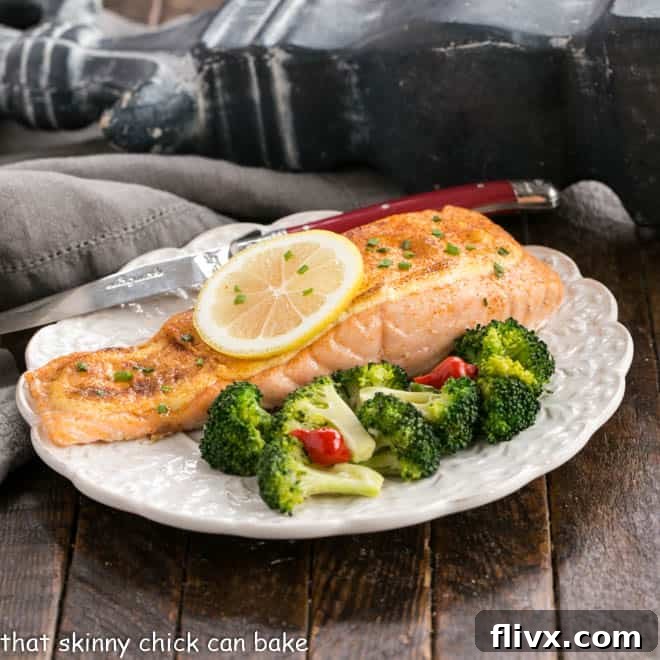
Welcome to the easiest and most delectable Oven-Roasted Salmon Recipe you’ll ever make! This simple yet incredibly flavorful dish is perfect for any night of the week, proving that gourmet taste doesn’t require hours in the kitchen. So moist, so delicious, it quickly became a staple in our household, especially perfect for Lenten Fridays. Whether you’re a seasoned chef or a beginner cook, this recipe guarantees a perfectly flaky and tender salmon every time.
Forget complicated marinades and endless lists of ingredients. Our recipe redefines simplicity, using just two powerhouse ingredients that are likely already in your refrigerator: Dijon mustard and mayonnaise. This dynamic duo creates a luscious, savory crust that locks in moisture, ensuring your salmon is succulent and never dry. Best of all, this culinary masterpiece comes together in under 30 minutes, from prep to plate, making it an ideal solution for busy weeknights or when you need a quick, impressive meal.
Why This Oven-Roasted Salmon Recipe is a Must-Try
If you’re looking for a foolproof way to prepare a healthy, flavorful meal that fits seamlessly into your busy schedule, this oven-roasted salmon is your answer. Here’s why it deserves a permanent spot in your recipe collection and why it’s truly the easiest salmon recipe to master:
- Unbelievably Easy Preparation: This method is incredibly straightforward, perfect for novice cooks or anyone short on time. It demystifies cooking salmon, turning it into a simple, enjoyable process with minimal fuss and only a few steps.
- Guaranteed Moist and Flavorful Results: The unique two-ingredient topping (Dijon and mayonnaise) not only adds a rich, savory flavor with a hint of tang but also acts as a protective layer. This ingenious coating seals in the salmon’s natural juices as it bakes, preventing the fish from drying out. Say goodbye to tough, overcooked fish and hello to perfectly flaky, succulent fillets every time!
- Minimal Ingredients, Maximum Impact: You only need three core ingredients for this recipe: fresh salmon, Dijon mustard, and mayonnaise. This minimalist approach means fewer items on your grocery list and a quicker path to a delicious dinner. The fresh salmon is often the only item you’ll specifically need to pick up, as the other two are common kitchen staples.
- Lightning-Fast Cooking Time: From the moment it hits the oven, your salmon will be perfectly cooked in approximately 10-15 minutes, depending on its thickness. The preparation is even quicker, requiring just a few minutes of active time. This efficiency makes it an ideal option for last-minute dinners, satisfying your craving for a healthy meal without the long wait.
- Healthy and Nutritious: Salmon is widely celebrated as a superfood, packed with beneficial Omega-3 fatty acids, essential vitamins (like D and B12), and high-quality protein. Roasting is one of the healthiest cooking methods, preserving these vital nutrients without adding excess unhealthy fats, contributing to a balanced diet and overall well-being.
- Versatile and Customizable: While the basic recipe is stellar on its own, its simple flavor profile provides a fantastic canvas for customization. You can easily experiment with various herbs, spices, or different side dishes to suit your taste or occasion.
- Perfect for Any Occasion: Elegant enough to serve to guests at a dinner party, yet simple enough for a casual weeknight meal, this recipe adapts effortlessly to any dining scenario. It’s also a fantastic, protein-rich option for meal prepping throughout the week.
Essential Ingredient Notes for Perfect Oven-Roasted Salmon
Crafting the perfect oven-roasted salmon begins with understanding your ingredients. Here’s a closer look at what you’ll need and why specific choices make a significant difference in the final taste and texture of your dish:
- Salmon Fillets: The undeniable star of our dish! I highly recommend using wild salmon with the skin still on. The skin serves a dual purpose: it acts as a protective barrier, preventing the delicate fish from sticking to the baking sheet, and it adds stability, making it significantly easier to transfer the cooked fillets without them falling apart. While wild salmon often boasts a richer, more pronounced flavor and a firmer texture, high-quality farmed salmon will also yield delicious results, often being more widely available and budget-friendly. Aim for individual portions of 6-8 ounces, as this size cooks very evenly. However, this recipe scales beautifully if you’re preparing a whole side of salmon for a larger gathering – just remember to double or triple the topping mixture accordingly to ensure generous coverage. When selecting salmon, look for vibrant color, firm flesh that springs back when lightly pressed, and a fresh, mild ocean scent – avoid any fishy odors.
- Dijon Mustard: This is the unexpected hero and secret weapon for adding incredible depth of flavor and a subtle tang to our salmon. Dijon mustard, known for its sharp, complex, and slightly spicy notes (derived from brown and black mustard seeds and white wine), creates an incredible crust when baked and emulsifies beautifully with the mayonnaise. I personally prefer Grey Poupon for its consistent quality and perfectly balanced flavor profile, which I always keep stocked in my refrigerator. While other mustards can be used, Dijon truly elevates this dish, providing a gourmet touch without extra effort.
- Mayonnaise: The creamy foundation of our luxurious topping, mayonnaise is crucial for two main reasons: moisture and richness. It helps to seal the salmon, creating a barrier that prevents it from drying out in the high heat of the oven, and contributes to a beautiful, appetizing golden-brown finish. Hellmann’s (known as Best Foods in certain regions of the country) is my trusted go-to choice due to its classic, reliable flavor and smooth texture, reminiscent of the mayonnaise I grew up with. For the best, most succulent results, always opt for a good quality, full-fat mayonnaise. Light versions may not provide the same richness or protective qualities.
- Kosher Salt: Essential for seasoning the salmon before the topping is applied. Kosher salt has larger, flatter flakes and a less intensely salty taste compared to finer table salt, which allows for better control over seasoning and ensures it dissolves evenly into the fish. A light, even sprinkle enhances the salmon’s natural flavors without overpowering them.
- Freshly Ground Black Pepper: To achieve the best, freshest, and most aromatic pepper flavoring, always grind your own peppercorns. Pre-ground pepper can quickly lose its potency and vibrant taste. The subtle heat and earthy notes of freshly ground black pepper beautifully complement the richness of the salmon and the creamy mustard topping, adding a layer of sophisticated flavor.
- Paprika (Optional): A light sprinkle of paprika over the mayonnaise-mustard topping before baking adds a beautiful reddish-orange hue to the finished dish. This is purely for visual appeal and entirely optional, but it’s a lovely touch that makes the salmon look even more appetizing.
Mastering the Art of Oven-Roasted Salmon: A Step-by-Step Guide
Preparing this incredibly moist and flavorful salmon couldn’t be simpler. Follow these easy steps, and you’ll have a restaurant-quality meal on your table in no time. Keep in mind that cooking times may vary slightly based on the thickness of your salmon fillets and your oven’s calibration.
- Preheat Your Oven: Start by preheating your oven to a robust 425°F (220°C). A high temperature is crucial for cooking salmon quickly and efficiently, helping to lock in moisture and create a delicious outer crust. While the oven preheats, line a baking sheet with parchment paper or aluminum foil for easy cleanup – this step is a lifesaver!
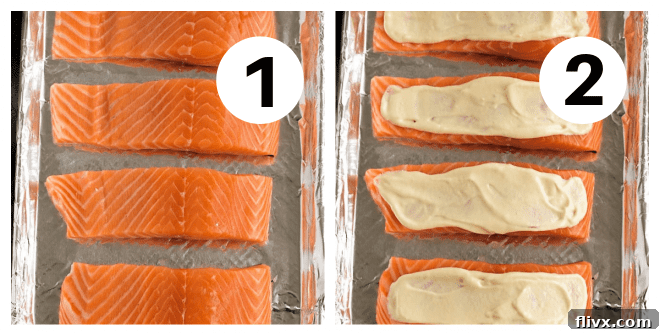
- Prepare the Salmon Fillets: Gently pat the salmon fillets completely dry with paper towels. Removing excess moisture is essential as it helps the salmon achieve a beautiful sear and prevents it from steaming in the oven. Season the salmon very lightly with kosher salt and a touch of freshly ground black pepper on both sides, focusing on the flesh side.
- Craft the Creamy Topping: In a small, clean bowl, combine the ½ cup of full-fat mayonnaise and 1 tablespoon of Dijon mustard. Whisk these two ingredients together thoroughly until the mixture is smooth, creamy, and well combined. This is your flavorful secret weapon!
- Apply the Topping Generously: Using a spoon or a small spatula, generously smear the prepared mustard and mayonnaise mixture over the top (flesh side) of each salmon fillet. Ensure an even layer that completely covers the salmon. This rich topping will create a delicious, protective crust and keep the salmon incredibly moist as it bakes.
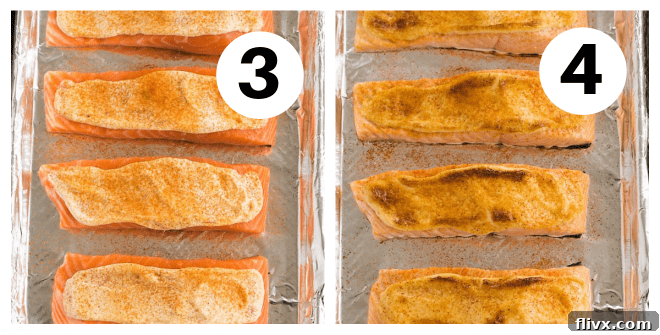
- Add a Pop of Color (Optional): For an extra touch of visual appeal and a hint of mild flavor, sprinkle a pinch of paprika evenly over the mayonnaise-mustard topping on each fillet. This will give it a beautiful golden-orange hue as it bakes.
- Roast to Perfection: Carefully transfer the prepared salmon fillets onto your lined baking sheet, ensuring they are spaced evenly. Roast in the preheated oven for approximately 10-15 minutes. The precise cooking time will largely depend on the thickness of your fillets. A good general rule of thumb is 10 minutes per inch of thickness. The salmon is done when it flakes easily with a fork at its thickest point and reaches an internal temperature of 135°F (57°C).
- Rest and Serve Immediately: Once removed from the oven, immediately cover the salmon loosely with aluminum foil and let it rest for 5-10 minutes on the baking sheet. This crucial step allows for “carryover cooking,” where the internal temperature will gently rise another 10 degrees or so, reaching the FDA-recommended 145°F (63°C). More importantly, resting helps the juices redistribute throughout the fillet, ensuring an even more tender, succulent, and moist final product. Serve your perfectly roasted salmon immediately with your favorite complementary side dishes!
Chef’s Secrets for Flawless Oven-Roasted Salmon Every Time
Achieving perfectly cooked, moist, and flavorful salmon is easier than you think with these expert tips and tricks straight from a seasoned kitchen:
- Source High-Quality Salmon: The foundation of any truly great dish is great ingredients. First and foremost, purchase good quality salmon. It can be fresh or frozen, but if you’re using frozen salmon, always ensure it’s completely defrosted in the refrigerator overnight before you begin preparing this recipe. Look for fillets that are firm to the touch, bright in color, and have a mild, fresh ocean aroma – avoid any fish that smells overly fishy. I typically find that individual 6-8 ounce salmon fillets cook very evenly and are perfect for single servings.
- Preheat Your Oven Thoroughly: Always preheat your oven to the specified temperature (400°F or 425°F) for at least 15-20 minutes before placing the salmon inside. A fully preheated oven is critical for even cooking and helps to create a beautiful crust on the salmon quickly, which in turn prevents the delicate fish from drying out. An adequately hot oven ensures consistent heat distribution from the start.
- The 10-Minute Rule (with a caveat): A general guideline for roasting salmon is to cook it for about 10 minutes per inch of thickness when the oven is set to 400-425°F. However, remember this is a starting point, not a rigid rule. Thinner fillets will cook faster, and thicker ones will take longer. Always adjust based on the specific size and thickness of your salmon pieces.
- Invest in an Instant-Read Thermometer: This is unequivocally your best friend for achieving perfectly cooked fish, every single time. Roast the salmon until the internal temperature reaches approximately 135°F (57°C) when inserted into the thickest part of the fillet. This specific temperature target allows for roughly 10 degrees of “carryover cooking” once the salmon is removed from the oven and rests, which will bring the salmon’s final temperature up to the FDA-recommended 145°F (63°C). This method ensures your salmon is cooked through, safe to eat, and remains incredibly moist and tender.
- Don’t Skip the Resting Period: Once your salmon is out of the oven, do not cut into it immediately. Instead, cover it loosely with aluminum foil and let it rest for 5-10 minutes. This crucial step allows the muscle fibers of the fish to relax and the internal juices to redistribute evenly throughout the fillet, resulting in a significantly more tender, flavorful, and juicy final product.
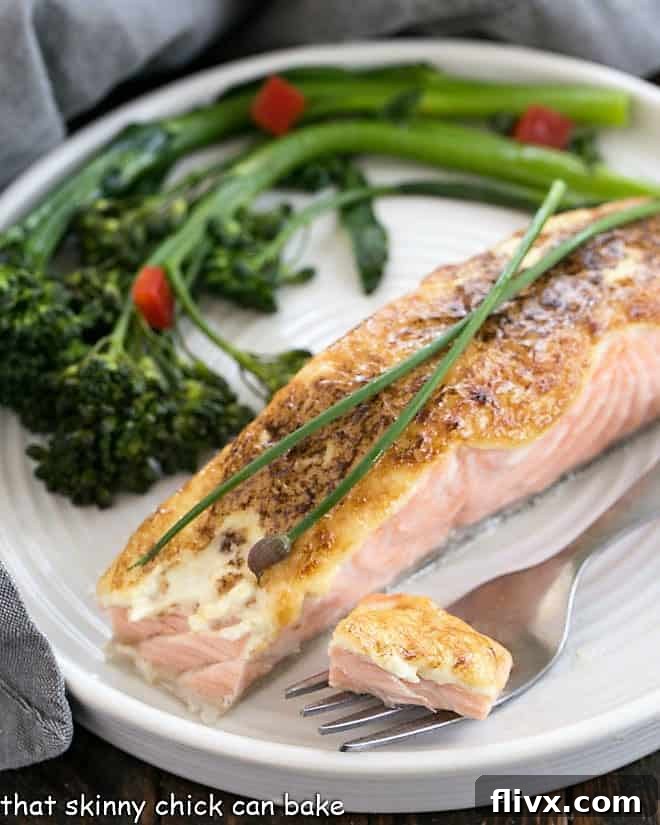
- Pro-Tip: Achieve a Golden Crust with Broiling (Optional): If your creamy topping hasn’t browned to your liking by the time the salmon reaches its desired internal temperature, you can briefly broil it for a minute or two. Place the baking sheet on a rack about 6 inches from the broiler element. Watch it very carefully, as the mayonnaise and mustard mixture can go from beautifully golden and caramelized to burnt in a matter of mere seconds. Keep a close eye and remove it from the broiler as soon as it reaches your preferred level of browning. This step is entirely optional but adds a lovely, inviting finish.
- Line Your Baking Sheet: Always line your baking sheet with parchment paper or aluminum foil (lightly greased if using foil) for incredibly easy cleanup. Even with skin-on salmon, the fish can sometimes stick, and the topping can bubble, making post-cooking cleanup much simpler with a liner.
- Avoid Overcrowding the Pan: Ensure there’s adequate space between each salmon fillet on the baking sheet. Overcrowding the pan can lead to the fish steaming instead of roasting, preventing a nice, flavorful crust from forming. If you’re cooking a large quantity, it’s always better to use two baking sheets to give the fillets room to breathe.
- Fresh Lemon for Brightness: While not part of the core 2-ingredient topping, a fresh lemon wedge squeezed over the cooked salmon just before serving adds a wonderful burst of brightness, acidity, and aroma that perfectly complements the rich flavors of the fish and its creamy topping. It’s a simple garnish that makes a big impact.
Frequently Asked Questions About Oven-Roasted Salmon
A high temperature range of 400°F to 425°F (200-220°C) is generally considered perfect for oven-roasted salmon. The intense, high heat cooks the salmon quickly and efficiently, which is key to creating a beautifully caramelized or browned exterior while ensuring the interior remains incredibly moist and flaky. This rapid cooking minimizes the risk of drying out the delicate fish, guaranteeing a tender and succulent result every time. Using lower temperatures often extends the cooking time, increasing the likelihood of a drier texture.
The secret to consistently moist salmon lies in a few critical factors. Firstly, our rich mayonnaise-mustard topping creates a flavorful seal that helps lock in the fish’s natural juices as it cooks, acting as a protective barrier. Secondly, and arguably most importantly, avoid overcooking! Salmon dries out remarkably quickly once it passes its ideal internal temperature. To prevent this, investing in and using an instant-read thermometer is crucial: insert it into the thickest area of the salmon, and pull the salmon out of the oven when it reaches 135°F (57°C). Immediately after removal, cover the salmon loosely with aluminum foil and let it rest for 5-10 minutes. This essential step allows for “carryover cooking,” where the internal temperature will continue to rise by another 10 degrees or so, bringing it up to the FDA-recommended 145°F (63°C), while simultaneously allowing the juices to redistribute throughout the fillet, resulting in an even more tender and succulent piece of fish. While not strictly necessary for this specific recipe with its rich topping, marinating salmon for 30 minutes up to 6 hours before cooking can also add additional flavor and help maintain moisture.
When utilizing a flavorful marinade or a rich, creamy topping like the one in this recipe, minimal additional seasoning is often all you need. This particular recipe relies on just a light sprinkle of kosher salt and freshly ground black pepper to enhance the salmon’s natural taste, allowing the vibrant Dijon mayonnaise topping to be the star. However, if you’re looking to add more layers of flavor, there are countless ways to season salmon effectively. Popular additions include garlic powder, onion powder, dried dill, fresh or dried parsley, a pinch of smoked paprika for warmth, or a dash of bright lemon zest. Many excellent premade salmon or seafood seasoning blends are also readily available. A crucial seasoning tip: avoid adding salt to salmon too far in advance of cooking, as salt can draw out moisture from the fish, potentially leading to a drier outcome. Always season your salmon right before it goes into the oven for the best results.
Yes, there are distinct differences between farmed and wild salmon, although both varieties are delicious and can often be used interchangeably in most recipes. Farmed salmon is typically raised in controlled aquaculture environments and fed a specific, often grain-based diet. This diet usually results in a higher overall fat content, including higher levels of both Omega-3 and Omega-6 fatty acids, and its flesh tends to be a lighter, more consistent pinkish color. Wild salmon, conversely, consumes a natural diet of smaller fish and crustaceans in their natural oceanic habitats. This natural diet typically leads to a leaner profile with less fat but often higher concentrations of certain minerals. Their diet also contributes to their distinct reddish-orange hue and sometimes a more pronounced, robust “fishy” flavor. Wild salmon generally has a firmer texture. Both types are excellent sources of protein and healthy fats, and the choice between them often comes down to personal preference for flavor and texture, availability in your area, and budget considerations.
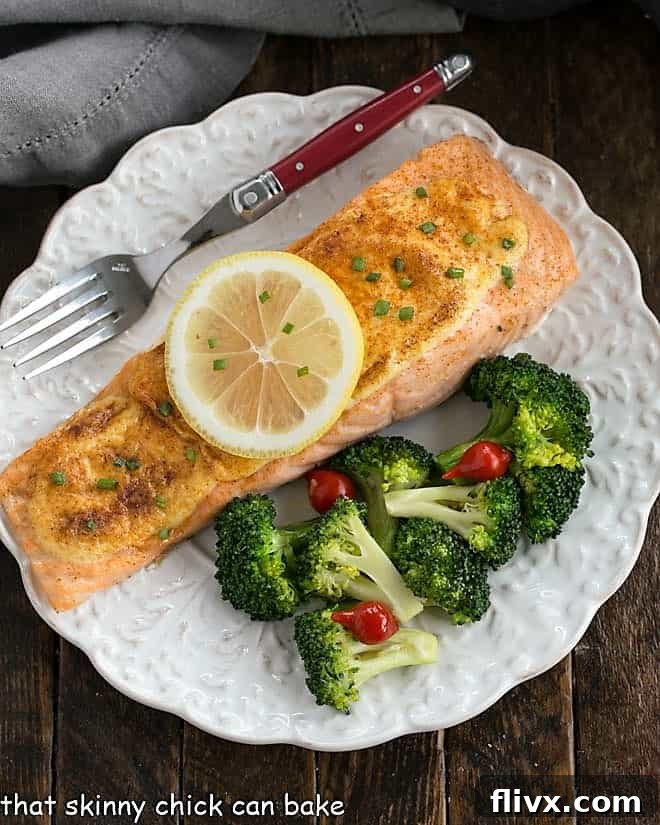
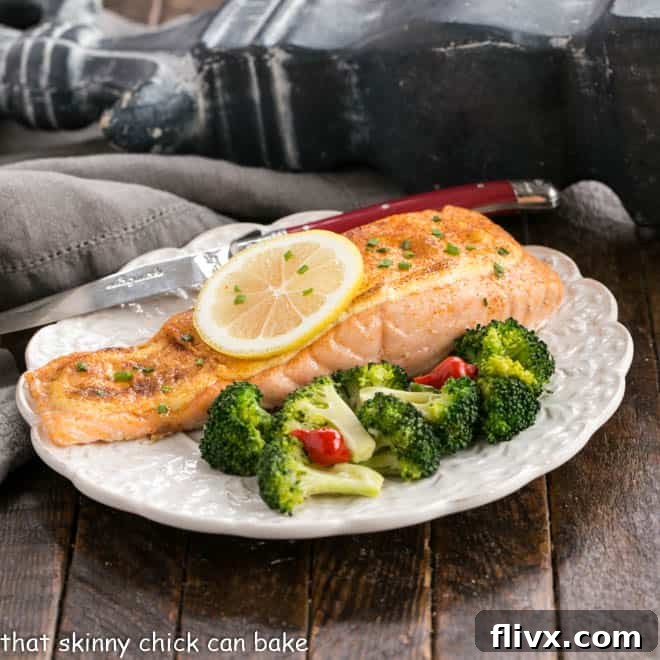
Oven-roasted salmon, especially with its rich and savory topping, pairs beautifully with a wide variety of side dishes. For a healthy and complete meal, consider serving it alongside roasted asparagus, steamed or roasted broccoli (as pictured in some of our photos for a classic pairing), green beans tossed with garlic, or a crisp, fresh garden salad with a light vinaigrette. For something more substantial, lemon rice, quinoa pilaf, or even a light pasta salad can be excellent complements. The richness of the salmon and its creamy topping often benefit from fresh, crisp, or slightly acidic sides to perfectly balance the flavors on your plate.
While salmon is always best enjoyed fresh from the oven to savor its moist texture and crisp topping, you can certainly do some light prep work ahead of time to make dinner even quicker. You can whisk together the mayonnaise and Dijon mustard topping and store it in an airtight container in the refrigerator for up to 2-3 days. This saves you a step when it’s time to cook. However, it’s highly recommended to season and apply the topping to the salmon fillets just before you plan to bake them. Seasoning the salmon too far in advance can draw out moisture, and the topping might make the salmon’s skin or flesh soggy if left on for too long before it hits the heat of the oven.
Explore More Delicious Seafood Recipes
If you loved this incredibly easy and flavorful oven-roasted salmon, you’re in for a treat! Expand your culinary repertoire with these fantastic salmon and seafood recipes that are sure to impress:
- Salmon Seasoning from Spend with Pennies (for when you want to experiment with different flavor profiles and spice blends)
- Maple Mustard Glazed Salmon (a delightful sweet and savory twist on the mustard theme, perfect for those who enjoy a hint of sweetness)
- Easy Glazed Salmon (another quick and simple glazed option that’s incredibly versatile for busy nights)
- Maple Glazed Salmon with Mango Pineapple Salsa (for a vibrant, tropical flair that adds freshness and zing to your meal)
- Discover even more Delicious Seafood Recipes to expand your culinary horizons and find your next favorite dish.
Stay connected and share your culinary creations with us! Follow us on Instagram, Facebook, and Pinterest. Don’t forget to tag us when you try one of our recipes! We love seeing what you’re cooking in your kitchen. And if this recipe makes your taste buds sing, please consider leaving a 5-star rating in the recipe card below to help other home cooks find this delicious and easy dish.
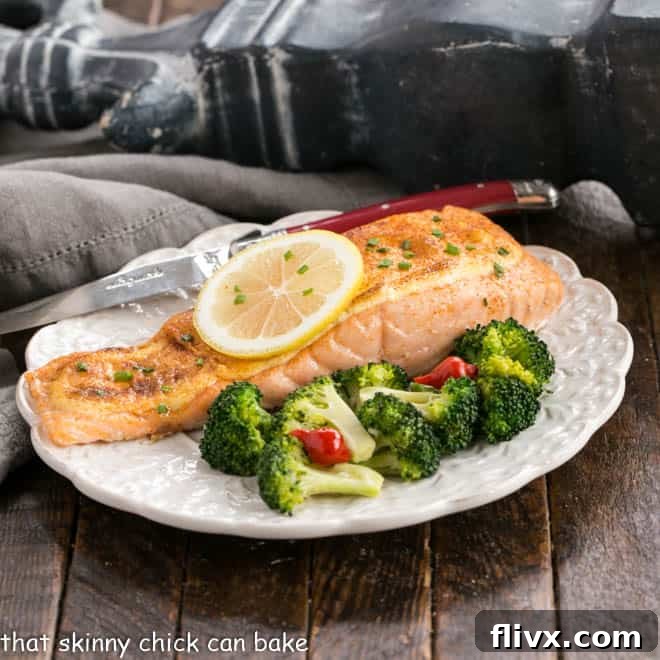
Dijon Mayonnaise Roasted Salmon
10 minutes
10 minutes
20 minutes
6 Servings
A simple, delicious way to roast salmon that always gets rave reviews. Perfect for a quick and healthy weeknight dinner or an impressive Lenten entree.
Rating: 4.8 out of 5 stars (73 Reviews)
Ingredients
- 6 (6-8 ounce) skin-on salmon fillets
- Kosher salt, to taste
- Freshly ground black pepper, to taste
- ½ cup full-fat mayonnaise (Hellmann’s or Best Foods recommended)
- 1 tablespoon Dijon mustard (Grey Poupon recommended)
- Paprika, optional (for color and mild flavor)
Instructions
- Preheat oven to 425°F (220°C). Line a baking sheet with parchment paper for easy cleanup.
- Gently pat salmon fillets dry with paper towels. Very lightly sprinkle both sides of the salmon with kosher salt and a touch of freshly ground black pepper. Place the seasoned fillets on the prepared baking sheet.
- In a small bowl, whisk together the mayonnaise and Dijon mustard until smooth and well combined.
- Generously smear the mayonnaise-mustard mixture over the top (flesh side) of each salmon fillet, ensuring an even coating. If desired, sprinkle with paprika for extra color and visual appeal.
- Roast for approximately 10-15 minutes, or until the internal temperature reaches 135°F (57°C) when inserted into the thickest part of the fillet. Cooking time may vary depending on the thickness of your fillets.
- Remove from the oven, cover loosely with foil, and let rest for 5-10 minutes. This allows for carryover cooking, bringing the internal temperature up to 145°F (63°C), and helps to redistribute the juices for maximum moisture and tenderness.
- Serve immediately and enjoy your perfectly roasted salmon! A squeeze of fresh lemon juice is a wonderful optional finishing touch.
Notes
Roasting time may vary depending on the thickness of your salmon and the way your oven cooks. A good starting point is approximately 10 minutes per inch of thickness. Always use an instant-read thermometer for the most accurate results and perfectly cooked fish. For an extra golden-brown and slightly crispy crust on the topping, you can briefly broil the salmon for 1-2 minutes after roasting. Watch it very carefully to prevent burning.
Nutrition Information:
Yield:
6
Serving Size:
1
Amount Per Serving:
Calories: 610Total Fat: 44gSaturated Fat: 8gTrans Fat: 0gUnsaturated Fat: 33gCholesterol: 152mgSodium: 434mgCarbohydrates: 1gFiber: 0gSugar: 0gProtein: 50g
Please note: The nutritional information provided is an estimate only, based on online calculators and typical ingredient values. Factors such as specific product brands, ingredient variations (e.g., wild vs. farmed salmon), and precise measurements can significantly alter the actual nutritional content. This information is intended as a courtesy and should not be considered a substitute for professional nutritional advice or a guarantee of absolute accuracy. For the most precise nutritional data, we strongly recommend calculating it with the exact ingredients you use in your preparation.
HOW MUCH DID YOU LOVE THIS RECIPE?
Please leave a comment on the blog or share a photo on Pinterest. Your feedback and beautiful food photos are greatly appreciated!