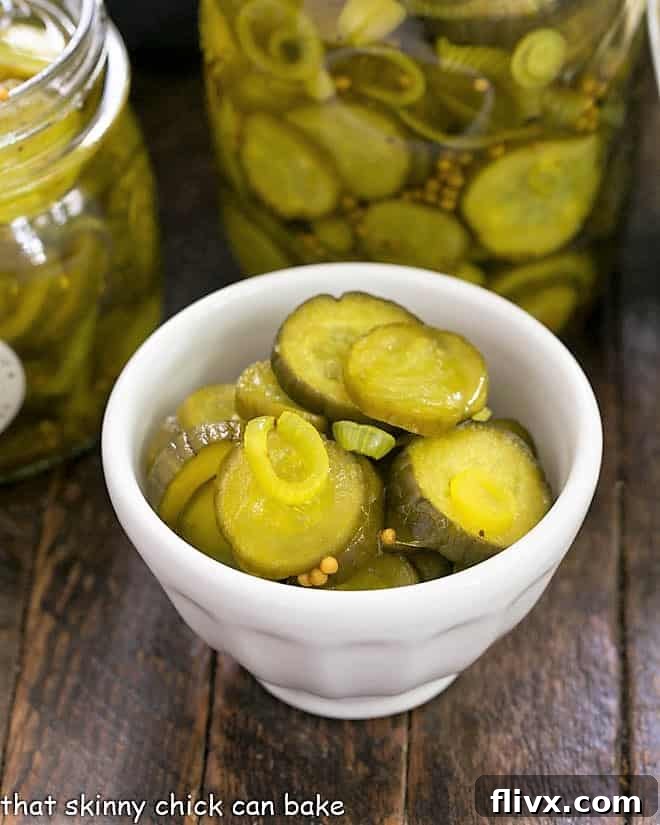
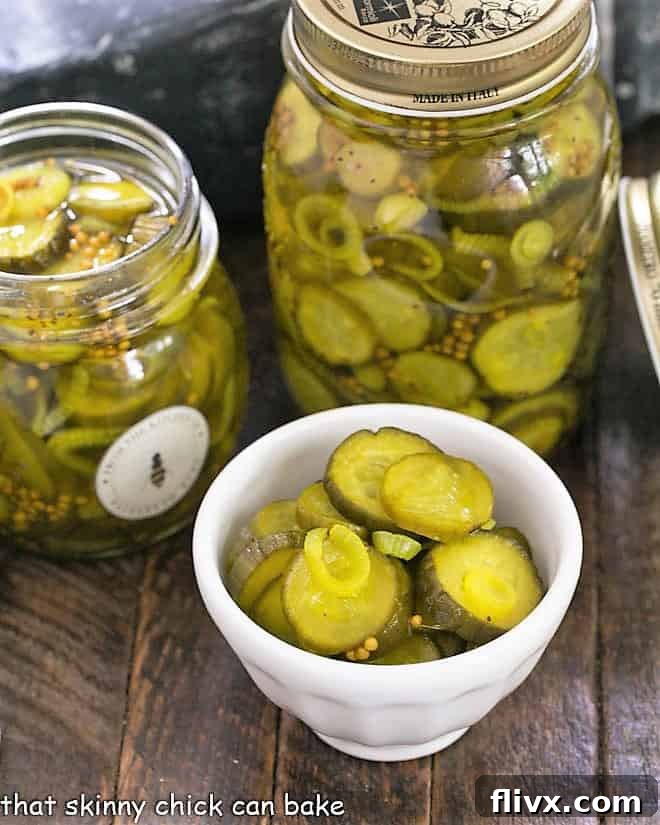
Experience the delightful crunch and sweet-tangy flavor of these incredibly easy homemade Bread and Butter Refrigerator Pickles. They capture the nostalgic taste of classic canned pickles, just like my mom used to make, but without any of the fuss or specialized equipment of traditional canning. Get ready for a simple, no-stress pickling adventure!
Whether you’re a seasoned chef or a kitchen novice, if the thought of traditional canning feels daunting, then this recipe is your ideal entry point into the wonderful world of homemade preserves. Our simple guide to making delectable homemade sweet pickles requires minimal effort and no complex water bath processing. It’s truly pickling made easy!
What Our Readers Are Saying:
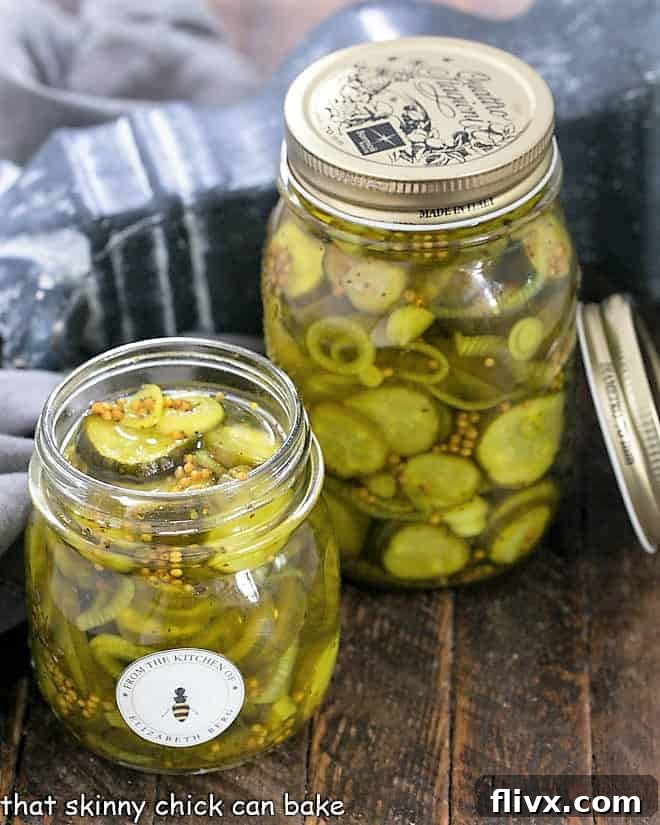
We love hearing from satisfied pickle makers! Vermaast on Pinterest raves: “I made 24 pints of these Bread and Butter Pickles, and they came out great. They are delicious.” Join countless others who have discovered the joy and simplicity of these irresistible refrigerator pickles.
Why You Absolutely Must Make These Easy Refrigerator Pickles
Doubtful about diving into the world of pickling? Let us convince you why these homemade sweet pickles are an absolute must-try:
- Effortless Pickling for Beginners: Forget the intimidating water baths, specialized pressure canners, and extensive sterilization processes. This recipe is designed for ease, making it the perfect starting point for anyone new to home preserving. You’ll achieve fantastic results without all the traditional canning complexities.
- Unforgettable Sweet and Tangy Flavor: These aren’t just any pickles; they’re the iconic Bread and Butter variety, renowned for their perfect balance of sweetness and a pleasant vinegary tang. Infused with aromatic spices like mustard and celery seeds, every bite offers a burst of flavor that’s truly addictive.
- Versatile Culinary Delight: Beyond being a delightful snack straight from the jar, these homemade refrigerator pickles elevate countless dishes. Slice them for sandwiches and burgers, chop them into potato or pasta salads, or arrange them on a charcuterie board or crudité platter for an unexpected pop of flavor and texture. They even make a fantastic accompaniment to grilled meats!
- Healthier, Fresher Ingredients: When you make pickles at home, you control every ingredient. You can choose the freshest cucumbers, use high-quality vinegar, and even adjust the sugar content to your preference. This ensures a healthier, more transparent product compared to many store-bought options.
- Cost-Effective and Rewarding: Making your own pickles can be surprisingly economical, especially when cucumbers are in season. Plus, there’s immense satisfaction in creating something so delicious from scratch, knowing exactly what went into it.
Expert Tips for Crafting Perfect Refrigerator Pickles
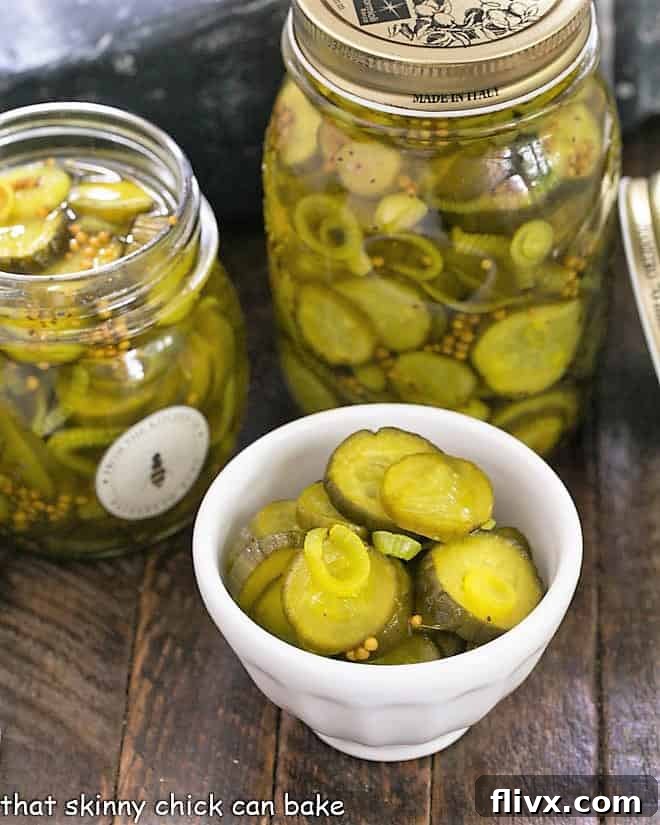
Even though this recipe simplifies the pickling process by skipping traditional canning, a few insider tips can elevate your homemade bread and butter pickles from good to absolutely sensational. If you’re looking for that incredible, classic flavor without the extensive labor, these pointers are for you!
Buying and Prepping Your Cucumbers: The Foundation of Great Pickles
- Choose Wisely: The quality of your cucumbers is paramount. Always opt for the freshest, firmest, and blemish-free pickling cucumbers you can find. These varieties are typically smaller, crisper, and have thinner skins than slicing cucumbers found in salad sections. Look for Kirby or Persian cucumbers for best results.
- Wash Thoroughly (But Gently): Before brining, give your cucumbers a thorough wash under cool running water. Avoid using soap, as it can leave an unpleasant residue. A soft scrub brush can help remove any dirt or surface contaminants without bruising the delicate skin.
- Consistent Slicing: For uniform brining and pickling, aim for consistently thick slices. A mandoline slicer can be incredibly helpful here, ensuring each pickle slice has the same delightful crunch and absorbs the brine evenly.
- Trim Ends: Some experts suggest trimming off both ends of the cucumber as the blossom end contains enzymes that can lead to softer pickles. While often more critical for long-term canning, it’s a good habit for refrigerator pickles too.
Mastering the Pickling Process for Optimal Flavor and Texture
- The Salt and Ice Bath: This crucial step, where cucumber and onion slices are heavily salted and covered with ice, isn’t just for cooling. It draws out excess water from the vegetables, ensuring a crispier pickle texture and preventing them from becoming soggy. Allow the full three hours for the ice to melt and the brining action to work its magic.
- Rinse, Rinse, Rinse!: After the ice bath, a double (or even triple) rinse is essential. You need to remove all that excess salt, otherwise, your pickles will be overwhelmingly salty and unpleasant. Taste a small piece after rinsing to ensure the saltiness is just right before proceeding.
- The Perfect Brine Ratio: Our recipe provides a perfectly balanced hot pickling mixture of vinegar, sugar, and carefully selected spices. However, pickle preference is deeply personal! Feel free to tweak the sugar content to make them sweeter or less sweet. Some even enjoy adding a touch more vinegar for a sharper tang.
- Spice It Up (or Down): Mustard seed, celery seed, turmeric, and cloves form the backbone of classic bread and butter pickle flavor. Don’t hesitate to experiment with other spices like a few red pepper flakes for a subtle kick, whole peppercorns, or even a bay leaf for added complexity. Just remember to start small and adjust to your taste.
- Hot Pack Method: Ladling the hot pickling mixture over the cucumbers in jars helps to further tenderize the vegetables and infuse them with flavor quickly. Ensure the jars are clean and warm to prevent thermal shock.
Storing Your Homemade Refrigerator Pickles Safely
- Proper Jarring: Once your delicious bread and butter pickles have been created, pack them snugly into clean glass jars. Allow them to cool completely to room temperature before securely screwing on the lids. This ensures no condensation forms inside, which could affect quality.
- Refrigeration is Key: Unlike traditionally canned pickles that are shelf-stable, refrigerator pickles are not hermetically sealed and require constant refrigeration. Immediately transfer your lidded jars to the refrigerator once cooled.
- Shelf Life: Due to the lack of full sterilization and processing, these pickles have a shorter shelf life than their canned counterparts. Generally, they are best enjoyed within 2-4 weeks. While some sources suggest they can last up to 6-8 weeks, for optimal crispness and flavor, we recommend consuming them sooner. Always trust your senses – if the brine becomes cloudy, develops an off-odor, or the texture changes significantly, it’s best to discard them.
- Share the Love: If you’re lucky enough to have an abundance of fresh pickling cucumbers from your garden, or simply made a large batch, don’t hesitate to make extra! These delightful homemade sweet pickles make fantastic gifts for friends, family, and neighbors. Just be sure to let them know they need to be refrigerated!
Frequently Asked Questions About Homemade Pickles
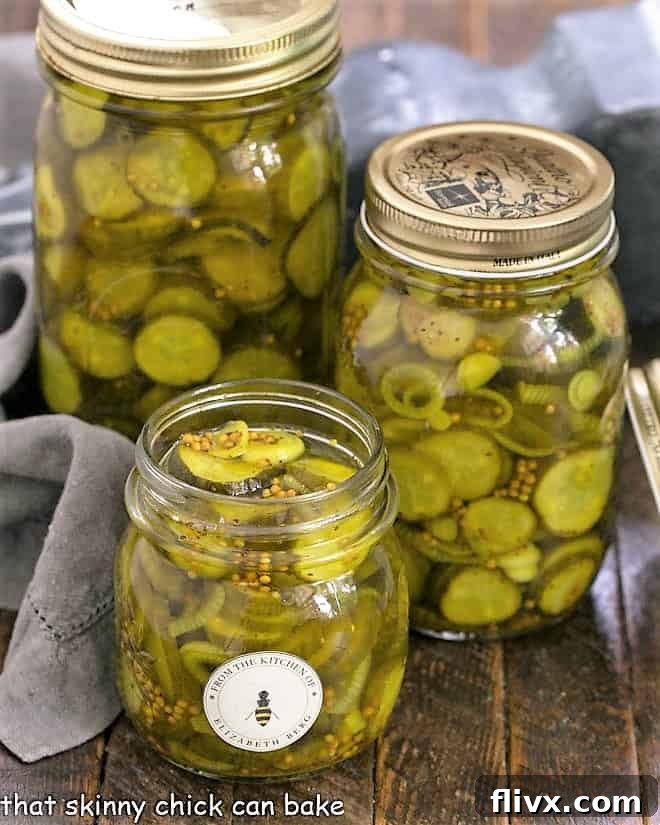
Refrigerator pickles are a fantastic alternative to traditional canned pickles. Instead of undergoing a lengthy water bath canning process to create a shelf-stable seal, they are briefly heated in their brine and then stored in the refrigerator. This method means they aren’t hermetically sealed and thus have a shorter, but still enjoyable, refrigerated shelf life.
Bread and Butter Pickles are a beloved variety of sweet pickles, distinguished by their unique blend of tangy vinegar, sugar, and a mix of spices, often including mustard seeds, celery seeds, and turmeric. The charming name is said to have originated during the Great Depression, when these affordable, flavorful pickles were commonly served on sandwiches with bread and butter, providing a simple yet satisfying meal.
When properly stored in the refrigerator, homemade refrigerator pickles will generally maintain their quality and flavor for about 3-4 weeks. Some sources claim they can last up to 6-8 weeks, but it’s always best to consume them sooner for optimal freshness and crunch. It’s crucial to regularly inspect your pickles; if the brine becomes murky, an unusual odor develops, or the pickles lose their crisp texture and appear soft, it’s a clear sign that they should be discarded.
While you can technically pickle any cucumber, for the best results, it’s highly recommended to use pickling cucumber varieties like Kirby or Persian cucumbers. These cucumbers are specifically bred for pickling due to their thinner skins, fewer seeds, and firmer flesh, which helps them stay crisp in brine. Larger slicing cucumbers tend to become soft and watery when pickled.
More Pickle-Inspired Delights
- Homemade Claussen Knock-Off Pickles from Foodie with Family
- Kool-Aid Pickles from Tornadough Alli
- Easy Pasta Salad with Pickle Relish
- Cubano with Sliced Dill Pickles
- Pickled Onions
- Easy Dill Pickle Dip
- More Snack Recipes
Stay connected with us across social media! Find us on Instagram, Facebook, and Pinterest. We absolutely love seeing your culinary creations, so don’t forget to tag us when you whip up a batch of these fantastic pickles! If you adore the results, please consider leaving a 5-star rating in the recipe card below.
Note: I purchased my canning labels fromFelix Doolittle. Watch for sales around the holidays.
Easy Bread and Butter Pickles
15 minutes
15 minutes
30 minutes
1 1/2 quarts
Easy, refrigerator bread and butter pickles like my mom used to make!
Ingredients
- 2 pounds pickling cucumbers, sliced
- 8 pearl onions, sliced
- ¼ cup canning salt
- 2 cups sugar
- 2 cups white vinegar
- 1 tablespoon mustard seed
- 1 teaspoon celery seed
- ½ teaspoon ground turmeric
- A pinch of ground cloves
Instructions
- In a large container, combine the cucumbers, onions, and salt. Cover with crushed ice and mix well. Let stand for 3 hours. Drain; rinse and drain again.
- In a large pot, combine the sugar, vinegar, mustard seed, celery seed, turmeric, and cloves and bring to a boil.
- Add cucumber mixture, then return to a boil. Remove from the heat.
- Carefully ladle the hot mixture into jars.
- Let cool, then screw on lids and refrigerate for up to 2 weeks.
- If you’d like to store them longer, refer to a canning manual or website for directions.
Notes
Since these aren’t processed, they must be refrigerated and eaten within a few weeks.
Nutrition Information:
Yield:
24
Serving Size:
1
Amount Per Serving:
Calories: 73Total Fat: 0gSaturated Fat: 0gTrans Fat: 0gUnsaturated Fat: 0gCholesterol: 0mgSodium: 1180mgCarbohydrates: 18gFiber: 0gSugar: 17gProtein: 0g
A Journey Through Time and Taste: My Childhood Pickle Memories
For me, the taste of homemade bread and butter pickles isn’t just about food; it’s a direct portal to cherished childhood summers. Every year, without fail, our family would embark on an epic eight-hour journey. Packed into our trusty, un-air-conditioned station wagon – a vehicle that also proudly lacked seatbelts or a radio (my dad was nothing if not a pragmatic and frugal man!) – we’d head north on I-35, bound for our relatives in North Dakota. The hours would fly by, filled with classic road trip games: spotting unique farmhouses, counting license plates from different states, and the occasional, truly memorable event, like the time our trip coincided with a total solar eclipse, leading us across the Canadian border for an awe-inspiring natural spectacle.
But the real magic unfolded upon arrival at the farm. Summers at Aunt Angela’s and Uncle John’s were an endless tapestry of discovery and joy. My cousins and I would spend our days exploring every nook and cranny of the sprawling property. We’d daringly climb into the dusty, hay-scented barn lofts, whisper secrets to the horses in the stables, and greet the friendly farm dogs. Our evenings were a feast for the senses, with the comforting aromas of Aunt Angela’s cooking filling the air – from gooey, homemade caramels to savory tacos.
Among these culinary adventures, helping to make bread and butter pickles stands out vividly. While my dad, a true connoisseur of savory flavors, always leaned towards crisp dill and potent garlic pickles, I, like my mom and her side of the family, was utterly smitten by those sweet, crunchy slices infused with the distinctive warmth of mustard and celery seeds. The process itself, a whirlwind of fresh cucumbers, vibrant spices, and that intoxicating sweet-sour aroma, felt like an ancient ritual.
I distinctly recall Aunt Angela’s meticulous approach, her hands deftly preparing cucumbers for what I now know was traditional water bath canning. Back then, my youthful exuberance meant I was far more interested in the immediate gratification of eating those delightful refrigerator pickles than understanding the intricacies of the preserving process. The thought of spending hours over a hot stove seemed secondary to the joy of a crisp, tangy slice on a warm summer afternoon.
Years later, recreating these easy bread and butter pickles has been a heartwarming journey. It’s a testament to the fact that you don’t need elaborate equipment or an all-day commitment to capture those authentic, cherished flavors. This simplified refrigerator pickle recipe perfectly replicates the taste of those nostalgic childhood summers, proving that some of the best culinary memories can be revived with just a little time and a lot of love.
Ready to Pickle?
We hope this guide inspires you to try your hand at making these effortless and delicious bread and butter refrigerator pickles. They’re more than just a condiment; they’re a versatile ingredient, a delightful snack, and a gateway to creating wonderful new kitchen memories. Enjoy the satisfying crunch and the perfectly balanced sweet and tangy flavor!