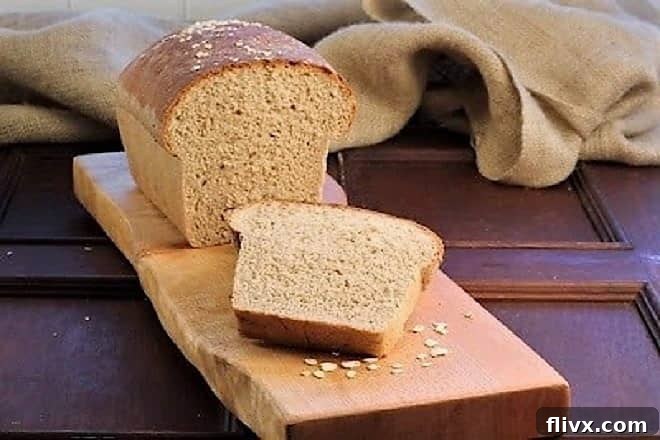
Homemade Honey Oatmeal Bread is more than just a simple loaf; it’s a hug in bread form, perfect for transforming ordinary meals into extraordinary culinary experiences. Whether enjoyed as the foundation for your favorite sandwiches, a comforting addition to breakfast or brunch, or a delightful side with dinner, this bread shines. Imagine it slathered with creamy butter, a vibrant fruit jam, or even more golden honey – a truly versatile and incredibly satisfying treat for any occasion.
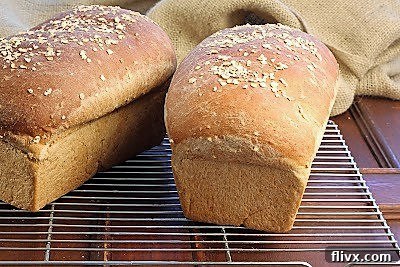
Baking Irresistible Honey Oatmeal Bread
There’s an undeniable magic that happens when you bake bread at home. The aroma alone is enough to fill any kitchen with warmth and anticipation. For years, my family’s breakfast and lunch routines relied on weekly pilgrimages to a beloved local bakery, specifically for their incredible honey oat bread and delicate challah knots. It was a ritual, a small luxury that brought immense joy. So, when that bakery eventually closed its doors, it left a significant void, not just in our diet, but in a cherished family tradition.
The quest began to recreate that elusive, perfect loaf. While store-bought alternatives offered convenience, they never quite captured the wholesome sweetness, the tender crumb, or the distinct flavor of truly homemade bread. The journey into baking my own yeast bread, particularly an oatmeal variety, became a passionate endeavor. It’s about more than just food; it’s about recapturing a lost comfort and creating new traditions right in my own kitchen. The satisfaction of pulling a warm, golden loaf from the oven, knowing every ingredient that went into it, is unparalleled. This homemade version isn’t just a substitute; it’s an elevated experience, bringing a taste of artisan quality directly to your table.
Crafting Your Own Oatmeal Bread Recipe
The turning point in my homemade bread journey came when I stumbled upon a Honey Wheat Oatmeal Bread recipe on The Slow Roasted Italian blog. The description alone promised a delightful loaf, and the ingredients spoke to the wholesome, hearty bread I craved. I printed it off immediately, eager to put theory into practice. From the moment I started mixing, the dough came together just as Donna, the recipe creator, had described: beautifully smooth, elastic, and yielding. There’s a certain meditative quality to working with yeast dough, feeling it transform from a shaggy mixture into a supple mass under your hands (or the powerful arm of a stand mixer).
The first batch was a resounding success. While it wasn’t an exact replica of my old bakery favorite – perhaps a touch less dense and with a slightly different sweetness profile – it quickly earned rave reviews from my toughest critics: my husband and children. Their enthusiastic approval was the ultimate seal of success. They loved its subtle sweetness, its soft texture, and how perfectly it toasted. This positive reception confirmed that I had found a new staple for our family meals. With just a few simple tweaks, primarily a slight increase in honey to cater to our sweet tooth, this oatmeal loaf transformed into an absolute winner, worth baking again and again. My heartfelt thanks go to Donna for sharing such an inspiring and adaptable recipe!
This bread offers incredible versatility. Imagine waking up to the aroma of freshly toasted honey oatmeal bread, ready to be adorned with a dollop of cream cheese and a sprinkle of cinnamon, or perhaps a slice of perfectly ripe avocado. For lunch, it makes the most delightful foundation for any sandwich, from classic peanut butter and jelly to a gourmet turkey and cheddar. And for dinner, a warm slice alongside a hearty soup or stew is pure comfort. The combination of nutrient-rich oats and the natural sweetness of honey not only creates an outstanding flavor but also adds valuable fiber and energy to your diet, making it a wholesome choice for any time of day.
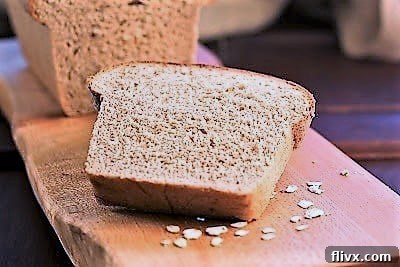
For those eager to explore more baking adventures, be sure to check out my recipe box for an array of delightful Bread Recipes. Each one is crafted to bring joy and deliciousness to your kitchen.
Tips for Baking Perfect Honey Oatmeal Bread
Achieving a consistently perfect loaf of homemade bread, especially a yeast-based one, involves a few key steps. First, the yeast itself is a living organism, and its vitality is crucial. Always ensure your warm water is within the ideal temperature range of 105-115°F (40-46°C). Too cold, and the yeast won’t activate; too hot, and it will die. A kitchen thermometer is a small but mighty tool here. Watching the yeast “bloom” – forming a frothy layer on the surface – is your visual cue that it’s active and ready to work its magic.
Kneading is another vital stage. Whether by hand or with a stand mixer equipped with a dough hook, proper kneading develops the gluten in the flour, which gives the bread its structure and chewy texture. Knead until the dough is smooth, elastic, and passes the “windowpane test” (stretching a small piece of dough thin enough to see light through it without tearing). Don’t be afraid to adjust flour slightly if your dough feels too sticky or too dry; humidity and flour type can affect absorption.
The rising process, known as proofing, requires a warm, draft-free environment. Covering the bowl with plastic wrap and a clean kitchen towel helps to retain warmth and moisture. A good rule of thumb is to let the dough double in size, which typically takes about an hour, but can vary based on ambient temperature. Patience here is key; rushing the rise can result in a dense, heavy loaf. After the first rise, gently “punch down” the dough to release excess gas, then shape it into loaves. The second rise in the loaf pans contributes to the bread’s final airy texture.
Finally, baking the bread to perfection is a science. Preheat your oven thoroughly to ensure an even bake from the start. To check for doneness, tap the bottom of the loaf – it should sound hollow. For ultimate precision, an instant-read thermometer inserted into the center of the loaf should register around 190-200°F (88-93°C). Once baked, immediately remove the loaves from their pans and let them cool completely on a wire rack. This allows steam to escape, preventing a soggy bottom and ensuring the crust remains crisp and the interior perfectly set. Slicing into a warm loaf is tempting, but waiting until it’s fully cooled ensures the best texture and flavor.
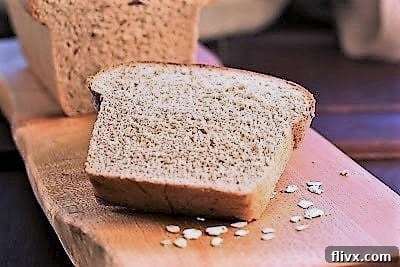
Honey Oatmeal Bread
30 minutes
40 minutes
1 hour 10 minutes
2 loaves
Discover the joy of baking this delightful Homemade Honey Oatmeal Bread. This recipe creates a soft, subtly sweet, and wonderfully wholesome yeast bread, perfect for elevating your everyday sandwiches, breakfast toasts, or as a comforting side to any meal. A true family favorite!
Ingredients
- 4 1/2 teaspoons dry active yeast (2 envelopes)
- 1/2 cup honey
- 4 tablespoons butter plus 1 tablespoon to grease the bowl
- 2 1/4 cups warm water (110º; hotter than 120º will kill the yeast)
- 1 tablespoon salt
- 2 3/4 cups unbleached bread flour
- 4 cups whole wheat flour
- 1 cup quick-cooking oats
- 1 whole egg, lightly beaten
Instructions
- Melt 4 tablespoons butter and combine it with the honey in the bowl of a stand mixer. Carefully add the warm water. Ensure the mixture’s temperature is between 110-120ºF (43-49ºC). Sprinkle the dry active yeast evenly over the water-honey mixture and stir gently to combine. Allow it to rest for 5-10 minutes until the yeast becomes foamy and visibly “blooms,” indicating it’s active.
- In a separate large mixing bowl, thoroughly combine the salt, 2 cups of whole wheat flour, and 1 cup of unbleached bread flour. Attach the dough hook to your stand mixer. Gradually add the dry flour mixture to the bloomed yeast mixture, blending on low speed until all the liquid is absorbed and a shaggy dough forms. Increase the speed to medium and continue beating for 2 minutes, ensuring you scrape down the sides of the bowl with a spatula to incorporate all ingredients.
- Add the lightly beaten egg and one additional cup of whole wheat flour to the dough. Blend on low speed until the egg is fully incorporated into the dough. Increase the speed to medium and beat for another 2 minutes. Now, add the quick-cooking oats, the final 1 cup of whole wheat flour, and the remaining 1 cup of unbleached bread flour. Continue mixing for several more minutes on medium speed until the dough is smooth, elastic, and pulls away cleanly from the sides of the bowl.
- Depending on humidity and flour, up to one more cup of bread flour can be incorporated if the dough feels excessively sticky. (I personally found this step unnecessary with the specified quantities.) To prepare for the first rise, place 1 tablespoon of butter in a large, clean bowl and microwave it for about 30 seconds until melted. Swirl the butter around to coat the bottom and sides of the bowl. Transfer the prepared dough into the warm, greased bowl, turning it once to ensure the entire dough ball is lightly coated. Cover the bowl tightly with plastic wrap, then drape a clean kitchen towel over it. Let the dough rise in a warm, draft-free spot for approximately one hour, or until it has doubled significantly in size.
- Once the dough has doubled, gently punch it down to release the air. Turn the dough out onto a lightly floured surface. Cover it with an inverted bowl and let it rest for 15 minutes. This resting period helps relax the gluten, making the dough easier to handle. Divide the dough into two equal halves. Shape each half into a neat loaf and carefully place them into greased 9 x 5-inch loaf pans. If desired, sprinkle the tops of the loaves with a few extra oats for an appealing visual and textural touch. Cover the pans again with plastic wrap and a kitchen towel, then let them rise for a second time for about an hour, or until they have nearly doubled in size within their pans.
- Preheat your oven to 350ºF (175ºC). Bake the loaves for 35-40 minutes. To confirm doneness, tap the top of a loaf; it should produce a hollow sound. For a more accurate check, an internal temperature of 190-200ºF (88-93ºC) indicates that the bread is fully baked. Once done, promptly remove the bread from the pans and transfer them to a wire cooling rack to cool completely. This crucial step prevents the bread from becoming soggy and allows the texture to set perfectly.
Notes
This beloved recipe for Honey Oatmeal Bread is a thoughtful adaptation inspired by the delicious ‘Honey Wheat Oatmeal Bread’ from The Slow Roasted Italian. We’ve made minor enhancements to perfect its sweetness and texture, aiming for a truly unforgettable homemade experience that captures the essence of classic bakery bread with a wholesome twist.
Nutrition Information:
Yield:
12
Serving Size:
2 slices
Amount Per Serving:
Calories: 206Total Fat: 4gSaturated Fat: 2gTrans Fat: 0gUnsaturated Fat: 1gCholesterol: 10mgSodium: 34mgCarbohydrates: 47gFiber: 0gSugar: 46gProtein: 0g
HOW MUCH DID YOU LOVE THIS RECIPE?
We’d love to hear about your baking success! Please leave a comment on the blog below or share a photo of your beautiful Honey Oatmeal Bread on Pinterest. Your feedback and photos inspire fellow bakers!
Baking homemade bread, especially this delightful Honey Oatmeal Bread, is a deeply rewarding experience. It fills your home with an intoxicating aroma, creates wonderful family memories, and provides a wholesome, delicious staple you can truly be proud of. Don’t be intimidated by yeast bread – with this detailed guide and recipe, you’re well on your way to baking success. Enjoy every tender, sweet slice!