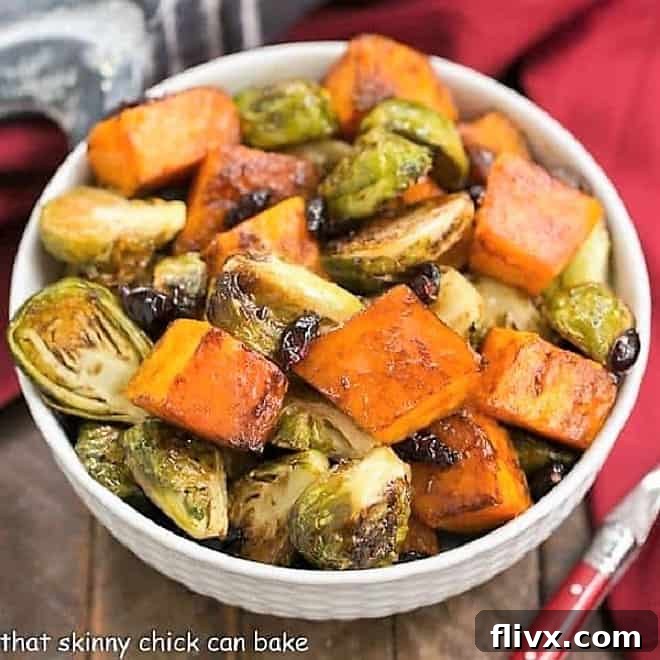
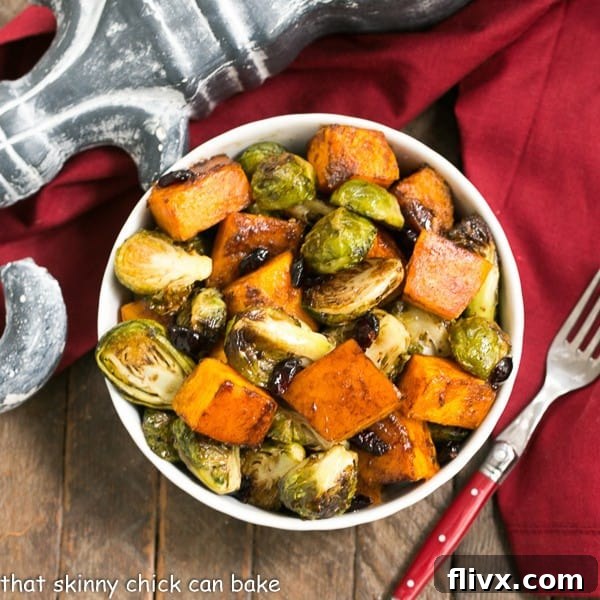
Roasted Fall Vegetables are more than just a simple side dish; they are a vibrant celebration of autumn’s bounty, especially when featuring the delightful combination of tender butternut squash, sweet cranberries, and earthy Brussels sprouts. This recipe promises not only ease of preparation but also an infusion of festive flavors that will elevate any holiday table or cozy weeknight meal. The beauty of these oven-roasted vegetables lies in their rich textures and the harmonious blend of savory and sweet notes, making them an unforgettable addition to your culinary repertoire.
The inspiration for this exquisite dish came from a memorable evening where my friend, Kate, and I had the pleasure of being “celebrity” chefs at a local fundraiser. After serving our own creations, we were eager to sample the diverse array of party fare. Among the many delectable options, one dish stood out: perfectly cooked Oven-Roasted Vegetables. The moment we tasted them, we knew we had to recreate that magic. What followed was a delightful culinary journey culminating in this optimized version, designed to bring that same festive flavor and effortless elegance to your home.
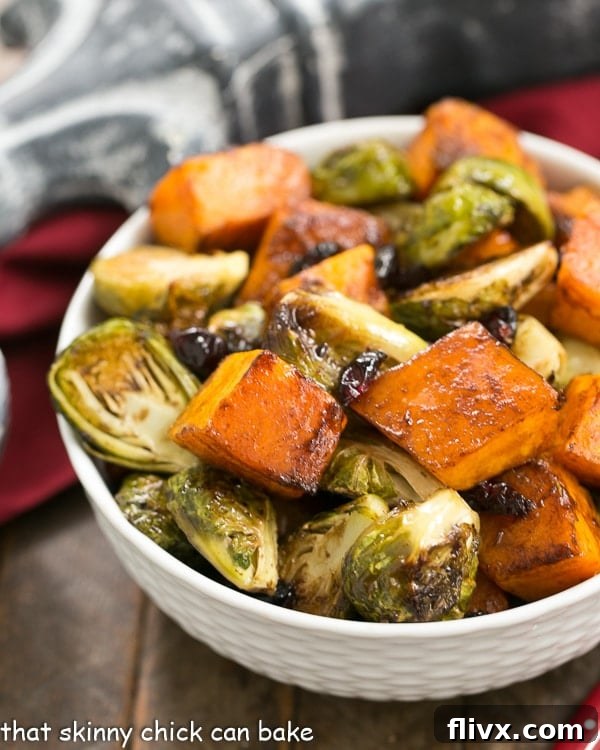
Why These Roasted Autumn Vegetables Deserve a Spot on Your Table
If you’re searching for a side dish that truly shines, these roasted autumn vegetables are an absolute must-try. They offer a delightful departure from ordinary vegetable preparations, transforming simple ingredients into a gourmet experience. Here’s why this recipe will quickly become a favorite:
- A Symphony of Flavors and Textures: By thoughtfully combining various vegetables, this dish offers a more memorable and dynamic experience than single-vegetable sides. The natural sweetness of butternut squash, the slightly bitter and tender crunch of Brussels sprouts, and the tart burst of dried cranberries create a complex flavor profile that tantalizes the palate. Each bite delivers a unique combination, keeping things exciting and enjoyable. This medley isn’t just about combining ingredients; it’s about crafting a harmonious blend that enhances the overall dining experience.
- Endless Customization and Versatility: This recipe serves as a fantastic foundation, easily adaptable to your preferences and whatever seasonal produce you have on hand. Feel free to “shake it up” by incorporating other favorite root vegetables like carrots or parsnips, adding aromatic onions or garlic for depth, or introducing a delightful crunch with toasted pecans or walnuts. The beauty of roasting is its forgiving nature, allowing you to experiment with different combinations to discover your signature blend. Whether you’re aiming for a specific flavor profile or simply using up what’s in your pantry, these roasted vegetables offer unparalleled flexibility.
- Elevated Flavor with a Signature Vinaigrette: While a simple drizzle of olive oil, salt, and pepper can produce tasty roasted vegetables, this recipe takes it a significant step further with a rich and tangy Dijon Mustard Balsamic Vinaigrette. This special dressing isn’t just an afterthought; it’s a game-changer. It coats each vegetable piece, infusing them with an irresistible depth of flavor that complements their natural sweetness and earthiness. The acidity of the balsamic vinegar cuts through the richness, while the Dijon mustard adds a subtle, piquant kick, transforming a humble side dish into a culinary masterpiece. This vinaigrette is the secret weapon that truly makes these roasted vegetables stand out.
Mastering the Art of Roasting: A Step-by-Step Guide for Perfect Vegetables
Roasting vegetables is one of the simplest yet most rewarding cooking methods, yielding tender interiors and beautifully caramelized exteriors. Achieving that perfect roast requires a few key techniques. Follow these steps to ensure your vegetables are perfectly cooked every time:
- Preheat Your Oven to Perfection: Always start by preheating your oven to the recommended temperature, typically between 400°F (200°C) and 425°F (220°C). A hot oven is crucial for creating that desirable caramelization and crisp texture. If the oven isn’t hot enough, vegetables tend to steam rather than roast, resulting in a soggy rather than a crispy finish.
- Uniform Cutting for Even Cooking: The secret to vegetables that cook evenly is to cut them into similar-sized pieces. Whether you’re dicing butternut squash or halving Brussels sprouts, consistency is key. Irregularly sized pieces will cook at different rates, leaving some undercooked and others burnt. Aim for bite-sized pieces that will be easy to eat and ensure every component of your dish is perfectly tender.
- Strategic Timing for Mixed Vegetables: When working with a combination of vegetables that have different cooking times, such as dense root vegetables (like squash or potatoes) and softer, quicker-cooking ones (like bell peppers or onions), a strategic approach is necessary. Start by roasting the harder vegetables first. Partway through their roasting time, add the softer vegetables to the pan. This ensures that all components reach their optimal tenderness simultaneously, preventing overcooked delicate greens or undercooked hardy roots.
- Give Them Space to Breathe: Overcrowding your sheet pan is a common mistake that leads to steamed rather than roasted vegetables. Ensure there’s ample space between your vegetable pieces on a single layer. Use a large, rimmed baking sheet, or two if necessary, to prevent the vegetables from releasing too much moisture and steaming each other. Adequate air circulation promotes even browning and that delicious crispy texture we all crave.
- Oil, Season, and Roast: Before roasting, gently toss the vegetables with a light drizzle of olive oil. The oil helps conduct heat, promotes browning, and allows seasonings to adhere. Follow with a generous sprinkle of kosher salt and freshly ground black pepper. Roast for approximately 20-25 minutes, but keep an eye on them. You want them tender-crisp, not overly soft or mushy. Stirring them once halfway through can help ensure even browning.
- The Finishing Touch: Cranberries and Vinaigrette: Towards the end of the roasting time, once the vegetables are nearly tender, add the dried cranberries. Then, drizzle your prepared Dijon Balsamic Vinaigrette over the vegetables and toss gently to coat. Return the pan to the oven for just a few more minutes (typically 3-5 minutes). This final short roast allows the cranberries to plump slightly and the vinaigrette to warm and infuse its flavors deeply into the vegetables without burning.
- Serve Hot and Enjoy: Roasted vegetables are always best served hot, directly from the oven. The warmth enhances their flavors and textures. Transfer them to a serving dish and present this colorful, aromatic side dish to your guests.
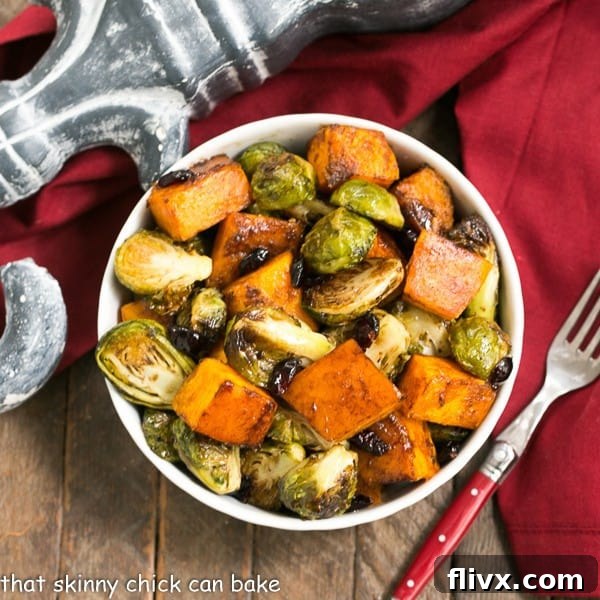
Expert Tips for Perfectly Roasted Vegetables Every Time
Achieving perfectly roasted vegetables is an art, but it’s an art that anyone can master with a few helpful tips and tricks. These insights will ensure your vegetables are tender, caramelized, and packed with flavor:
- Precision in Cutting: As mentioned in the steps, cutting your harder vegetables (like squash, potatoes, or carrots) into similar-sized pieces is paramount. This uniformity ensures that all pieces cook through at roughly the same rate, preventing some from being undercooked while others turn to mush. Aim for approximately 1 to 1.5-inch cubes or consistent half-pieces for Brussels sprouts.
- Staggered Addition for Delicate Ingredients: Ingredients with shorter cooking times, such as delicate onions, minced garlic, thin asparagus spears, or cherry tomatoes, should be added later in the roasting process. This prevents them from burning or becoming overly soft. For instance, if your main vegetables roast for 20 minutes, add the quicker-cooking items during the last 10 minutes.
- Thorough Oil Coating is Key: Before seasoning, ensure all your vegetables are lightly and evenly coated in oil. The oil acts as a binder, helping the salt, pepper, and any other herbs or spices adhere to the vegetables. It also promotes even browning and prevents sticking to the pan. Olive oil is a great choice for its flavor and medium-high smoke point, but avocado oil or grapeseed oil also work well.
- Infuse with Aromatic Herbs: Elevate the flavor profile of your roasted vegetables by adding fresh or dried herbs. Rosemary and thyme are classic companions to autumn vegetables, imparting a warm, earthy aroma. Other great options include sage, oregano, or a touch of dried Italian seasoning. Add fresh herbs during the last 10-15 minutes of roasting to prevent them from burning, or dried herbs at the beginning.
- Testing for Doneness: The best way to check if your roasted vegetables are perfectly cooked is to pierce a few of the largest pieces with a sharp knife or a fork near the end of the roasting time. The knife should insert easily, with minimal resistance, indicating they are tender but still hold their shape. Don’t be afraid to taste a piece to check for desired texture and seasoning.
- Preventing Burns: Stir and Flip: To ensure even browning and to prevent the bottom of your vegetables from burning, make sure to stir or flip them once or twice during the roasting process. This simple action redistributes the heat and allows all sides to caramelize beautifully, resulting in a more consistently textured and flavorful dish.
- Achieving Vinaigrette Emulsification: For a beautifully thick and homogeneous vinaigrette, proper emulsification is essential. First, whisk together all the non-oil ingredients (vinegar, mustard, salt, pepper) in a bowl. Then, slowly add the olive oil in a thin, steady stream while continuously whisking. This gradual addition allows the oil to disperse evenly and create a stable emulsion, resulting in a smooth, rich dressing that coats your vegetables perfectly.
- Don’t Overcrowd the Pan: While mentioned briefly, it bears repeating: overcrowding a baking sheet is the enemy of crispy roasted vegetables. When too many vegetables are packed together, they release moisture, creating steam that cooks rather than roasts them. This leads to soft, soggy results instead of tender, caramelized ones. Use two baking sheets if necessary to give your vegetables ample space.
Frequently Asked Questions About Roasting Vegetables
Roasting vegetables is a beloved cooking method, but questions often arise about achieving the best results. Here are some of the most common inquiries, along with detailed answers to help you master the technique:
The ideal temperature for roasting vegetables is typically high, encouraging caramelization and a slight crispness without burning. For this particular recipe, 400°F (200°C) works exceptionally well, striking a perfect balance for the butternut squash and Brussels sprouts. However, temperatures between 400°F and 425°F (200°C-220°C) are commonly used for most vegetables. A hotter oven leads to faster cooking and more intense browning. For denser vegetables, a slightly lower temperature for a longer period might be preferred to ensure they cook through, while delicate vegetables benefit from a quick, hot roast.
The roasting time for vegetables varies significantly depending on their type, size, and the oven temperature. Dense vegetables like Brussels sprouts, butternut squash, potatoes, and carrots will naturally take longer than softer vegetables such as bell peppers, zucchini, or asparagus. As a general guide, most vegetables roast for 20-45 minutes. For this recipe, expect 20-25 minutes. It’s always best to use the time specified in the recipe as a starting point. If you’re roasting a new vegetable or are unsure, check for doneness by piercing with a sharp knife at the 15-minute mark. If there’s still significant resistance, add more time and recheck every 5-7 minutes. The goal is tender insides with beautifully browned, slightly crispy exteriors.
You can roast almost any vegetable, and many vegetables truly shine when roasted, as the process brings out their natural sweetness and deepens their flavors. Some vegetables, especially cruciferous ones like cauliflower and Brussels sprouts, are particularly transformed by roasting. While boiling can sometimes yield a sulfuric odor, roasting caramelizes their sugars, resulting in a rich, nutty, and slightly sweet flavor. Other deliciously roastable vegetables include crisp asparagus, hearty broccoli florets, slender green beans, versatile potatoes (sweet or regular), vibrant carrots, colorful bell peppers, earthy beets, various types of squash (butternut, acorn, delicata), and many more! The key is to choose fresh, seasonal vegetables for the best flavor and texture.
Yes, roasted vegetables are excellent for meal prepping! You can roast a large batch at the beginning of the week and store them in an airtight container in the refrigerator for 3-5 days. While they might lose some of their initial crispness, they will still be incredibly flavorful and convenient to add to salads, grain bowls, wraps, or as a quick side dish for subsequent meals. Reheat gently in the oven or a skillet for the best texture, or enjoy them cold.
For roasting, it’s best to use oils with a high smoke point that can withstand the high temperatures without breaking down or burning. Olive oil is a popular choice due to its flavor and relatively high smoke point, making it suitable for temperatures up to 400-425°F. Other excellent options include avocado oil, grapeseed oil, or even refined coconut oil, all of which have high smoke points and neutral flavors that won’t overpower your vegetables. Avoid butter as it tends to burn at high roasting temperatures.
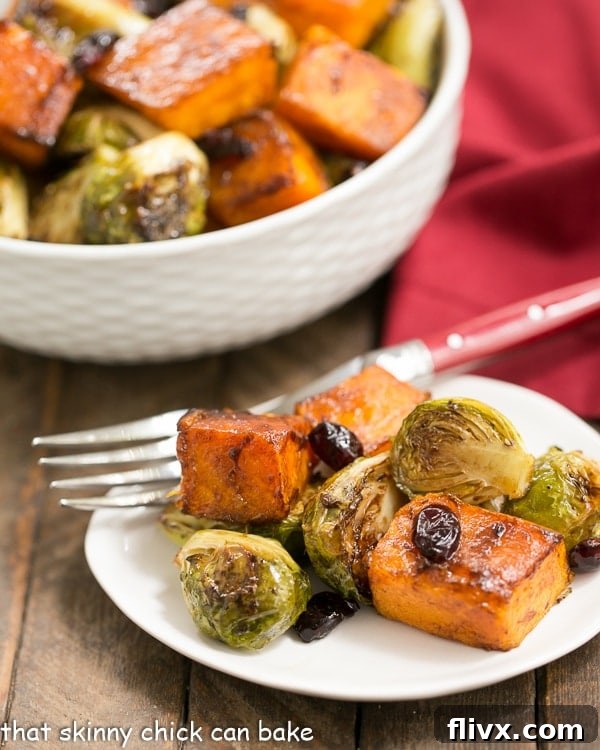
Stay in touch through social media @ Instagram, Facebook, and Pinterest. Don’t forget to tag me when you try one of my recipes! And if you love the results, please give it a 5-star rating in the recipe card.
More Delicious Autumn Side Dishes to Complement Your Meal
As the leaves change and the air turns crisp, our cravings often shift to hearty, comforting, and flavorful dishes that celebrate the season. Beyond these incredible Roasted Autumn Vegetables, there’s a wealth of other fantastic side dishes perfect for fall entertaining, Thanksgiving, or simply enjoying the bounty of the season. Explore some of our other seasonal favorites:
Autumn Side Dish Recipes
Seasonal recipes that are perfect for fall entertaining and Thanksgiving.
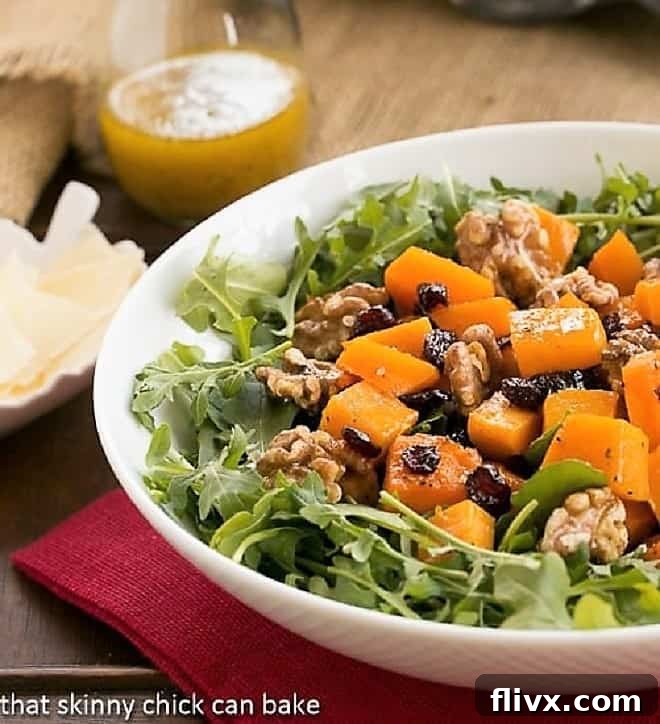
Arugula Salad with Roasted Butternut Squash
A delicious salad from Ina Garten that is easy and impressive, combining peppery arugula with sweet roasted squash.
Photo Credit: www.thatskinnychickcanbake.com
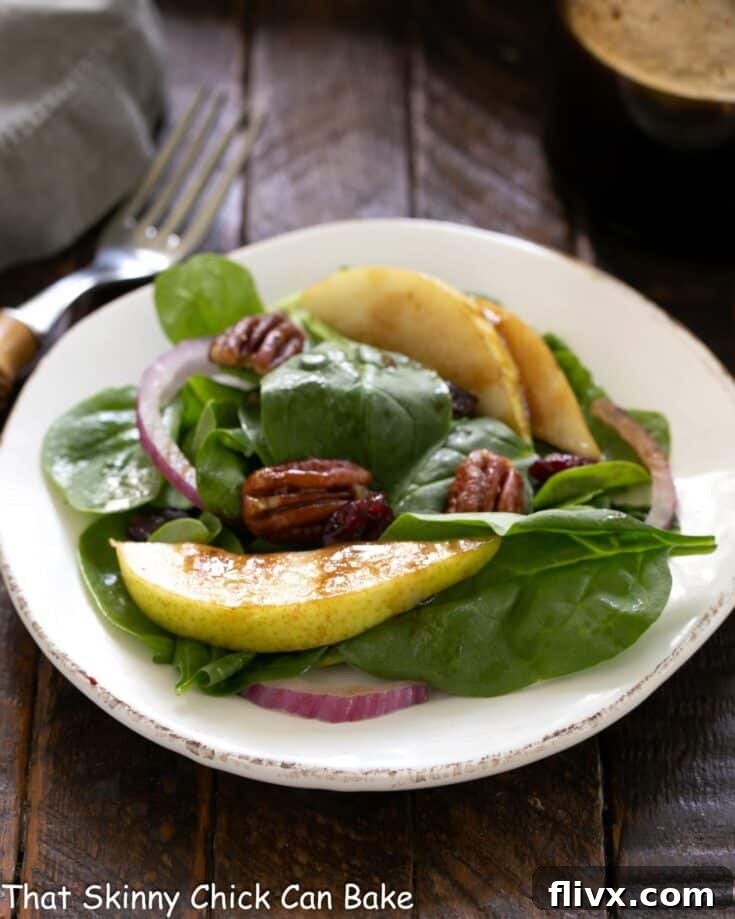
Spinach Salad with Pears, Cranberries and Candied Pecans
A tasty spinach salad filled with juicy pears, tart dried cranberries, and crunchy candied pecans – perfect for any holiday potluck!
Photo Credit: www.thatskinnychickcanbake.com
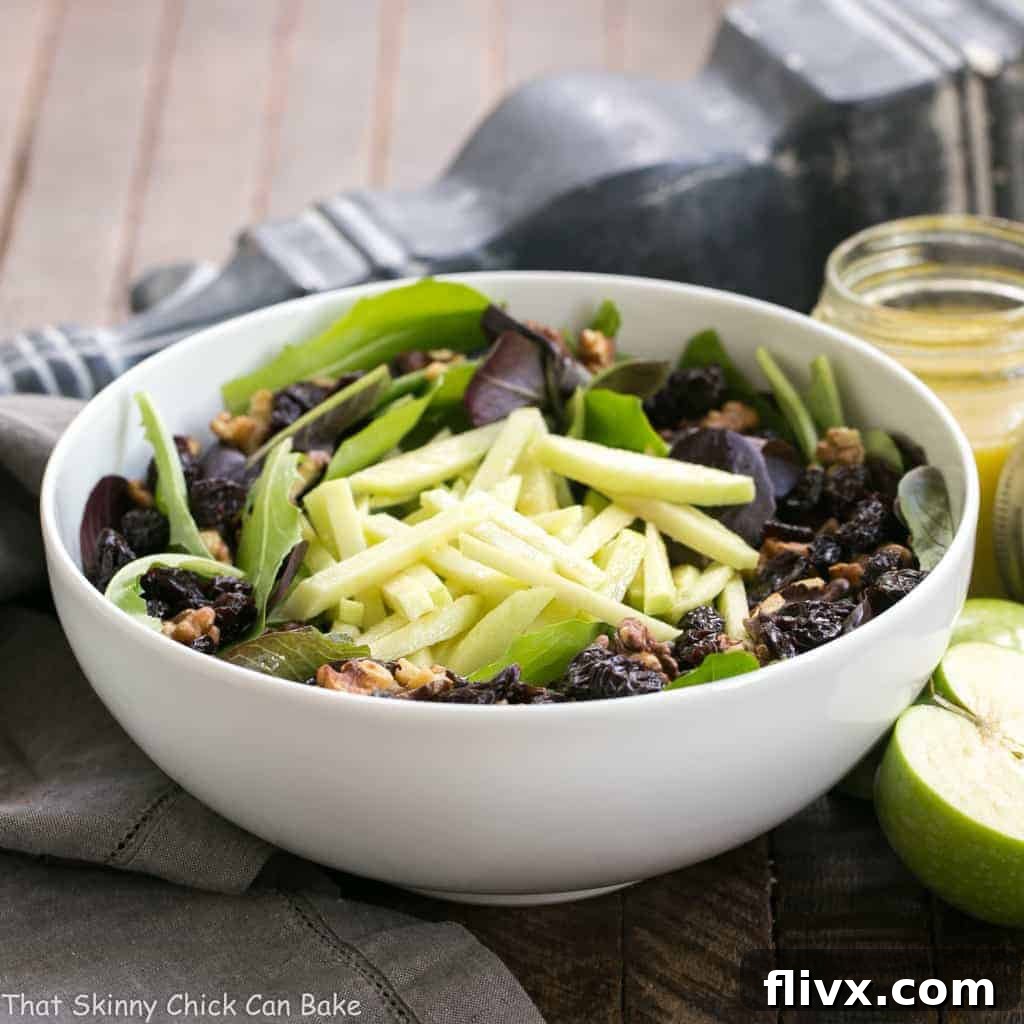
Apple, Cherry, Walnut Salad
A terrific fall salad combining crisp apples, sweet dried cherries, and earthy walnuts, all tossed in a delightful maple dressing.
Photo Credit: www.thatskinnychickcanbake.com
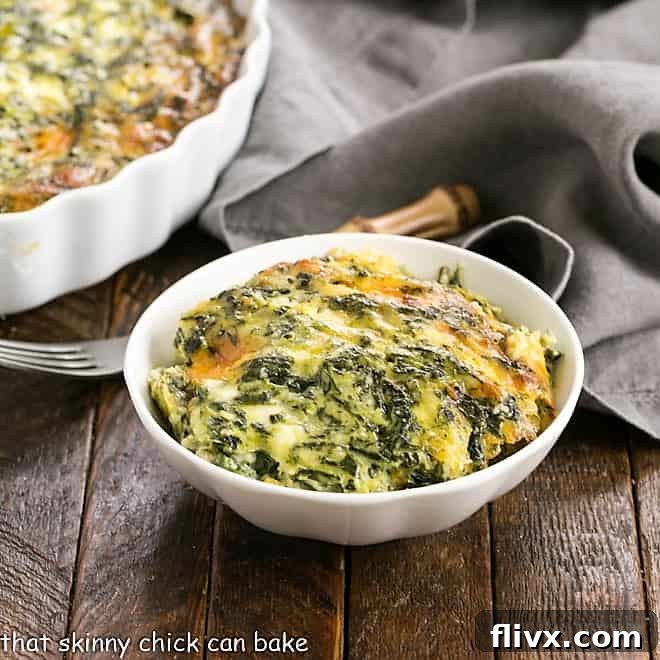
Cheesy Spinach Souffle
Made with defrosted frozen chopped spinach, this easy and elegant cheesy soufflé is a perfect side dish for the holidays!
Photo Credit: www.thatskinnychickcanbake.com
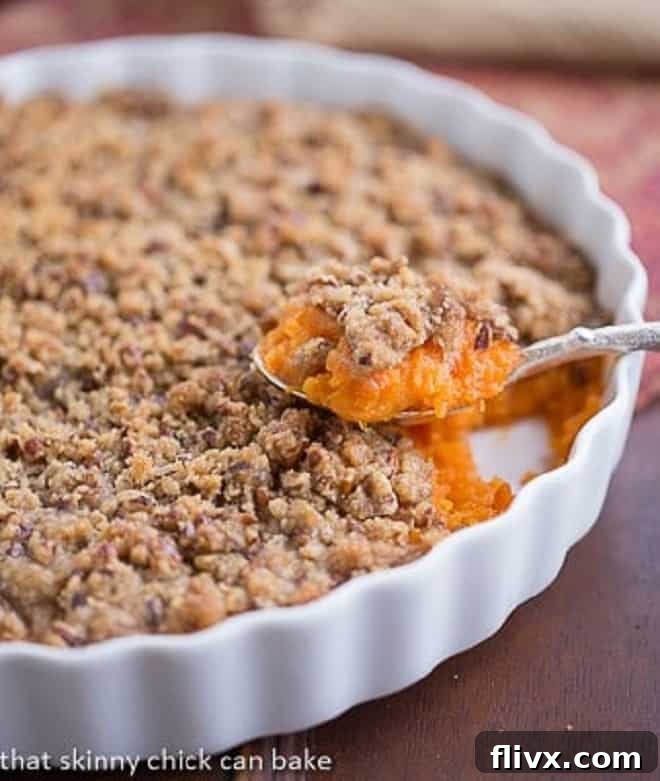
Praline Topped Sweet Potato Casserole
A classic sweet potato casserole with a heavenly brown sugar and pecan topping, ideal for Thanksgiving or any festive meal.
Photo Credit: www.thatskinnychickcanbake.com
The Recipe:
Roasted Autumn Vegetables Recipe
20 minutes
30 minutes
50 minutes
6 servings
A vibrant medley of fresh autumn vegetables, perfectly roasted and tossed in a tangy Dijon Balsamic Vinaigrette for an unforgettable holiday side dish.
Rating: 5 out of 5 stars based on 11 reviews
Ingredients
- 1 pound Brussels sprouts, trimmed and cut in half
- 1 Butternut squash (1½-2 pounds), peeled, seeds removed and cut into 1 -1½-inch cubes
- 2 tablespoons olive oil
- ½ teaspoon kosher salt
- Freshly ground black pepper, to taste
For the Vinaigrette:
- 1 tablespoon aged fig, currant or standard balsamic vinegar (should be thick and syrupy)
- ⅛ teaspoon kosher salt
- Freshly ground black pepper, to taste
- ¼ teaspoon Dijon mustard
- 2 tablespoons olive oil
- 3 tablespoons dried cranberries
Instructions
- Preheat the oven to 400ºF (200ºC).
- In a large bowl, toss together the prepared Brussels sprouts and butternut squash. Add 2 tablespoons of olive oil, ½ teaspoon of kosher salt, and freshly ground black pepper to taste. Mix well to ensure all vegetables are lightly coated. Spread the seasoned vegetables evenly in a single layer over a large, rimmed baking sheet.
- Roast for 20-25 minutes, or until the vegetables are tender but not mushy and show signs of caramelization. Gently toss the vegetables once in the middle of the roasting time to ensure even cooking and browning.
- While the vegetables are roasting, prepare the vinaigrette.
- In a small bowl, whisk together the balsamic vinegar, ⅛ teaspoon of kosher salt, freshly ground black pepper to taste, and ¼ teaspoon of Dijon mustard. Slowly add the remaining 2 tablespoons of olive oil in a thin stream while continuously whisking until the mixture is emulsified and slightly thickened. Taste and adjust seasonings as needed.
- Once the vegetables are cooked, remove them from the oven. Drizzle the prepared vinaigrette evenly over the cooked vegetables and sprinkle with the dried cranberries. Toss gently to combine. Return the baking sheet to the oven for about 5 more minutes to allow the cranberries to plump slightly and the vinaigrette to warm through. Serve hot immediately.
Notes
For the best flavor, I highly recommend using a good quality, aged balsamic vinegar, especially one that is naturally thick and syrupy. Aged balsamic vinegars offer a depth of flavor that enhances the entire dish. If you only have a standard, thinner balsamic vinegar, you may want to add a tiny amount of sweetener (like ½ – 1 teaspoon of maple syrup or a pinch of sugar) to the vinaigrette. This will help balance the acidity and mimic the sweetness of an aged balsamic, ensuring a well-rounded flavor profile for your roasted vegetables.
Recommended Products
As an Amazon Associate and member of other affiliate programs, I earn from qualifying purchases.
- OXO Good Grips 11-Inch Better Balloon Whisk
- Small Offset Spatula
- USA Pan Bakeware Half Sheet Pan, Warp Resistant Nonstick Baking Pan, Made in the USA from Aluminized Steel – 1050HS
Nutrition Information:
Yield:
6
Serving Size:
1
Amount Per Serving:
Calories: 210
Total Fat: 10g
Saturated Fat: 1g
Trans Fat: 0g
Unsaturated Fat: 8g
Cholesterol: 0mg
Sodium: 245mg
Carbohydrates: 32g
Fiber: 5g
Sugar: 23g
Protein: 3g
HOW MUCH DID YOU LOVE THIS RECIPE?
Please leave a comment on the blog or share a photo on Pinterest