The Ultimate Dutch Baby Pancake Recipe: Puffed Perfection for Breakfast & Brunch
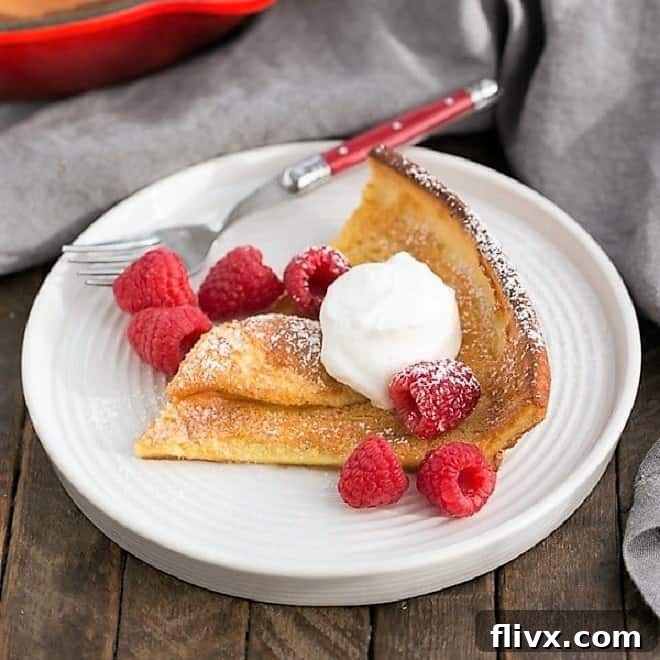
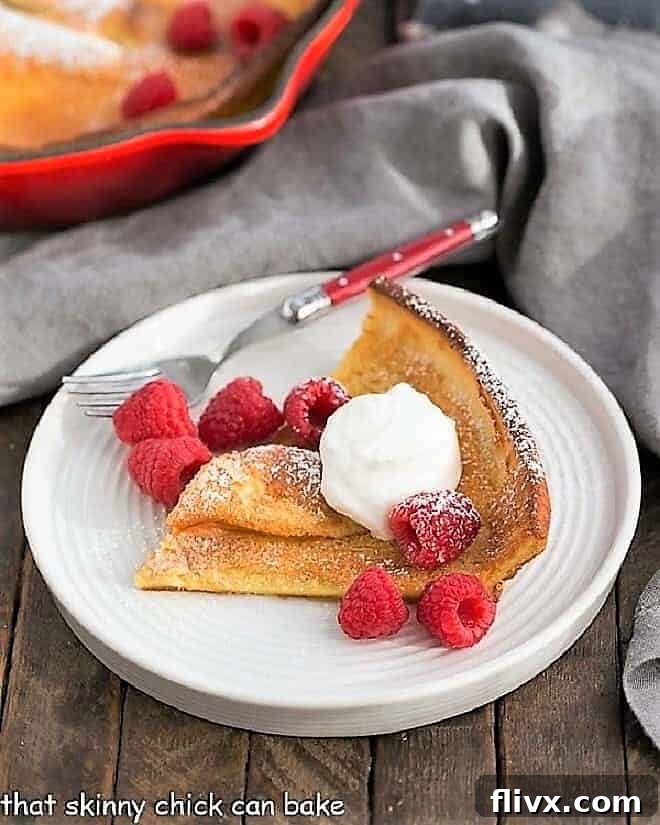
Welcome to the definitive guide for making the Best Dutch Baby Pancake! This enchanting breakfast treat, also lovingly known as a German Pancake or Oven Pancake, promises a sweet, tender, and perfectly puffed experience that will captivate your taste buds. Imagine a golden-brown, custardy center embraced by crisp, airy edges, served with a vibrant medley of fresh berries and a cloud of whipped cream. Even the most discerning palates, like my famously picky husband, have fallen head over heels for this recipe!
With a texture reminiscent of a large popover or a classic Yorkshire Pudding, this breakfast sensation is incredibly difficult to resist. Its dramatic rise and fall in the oven make it a captivating dish to prepare and an even more delightful one to devour.
What is a Dutch Baby Pancake? A Culinary Delight Explained
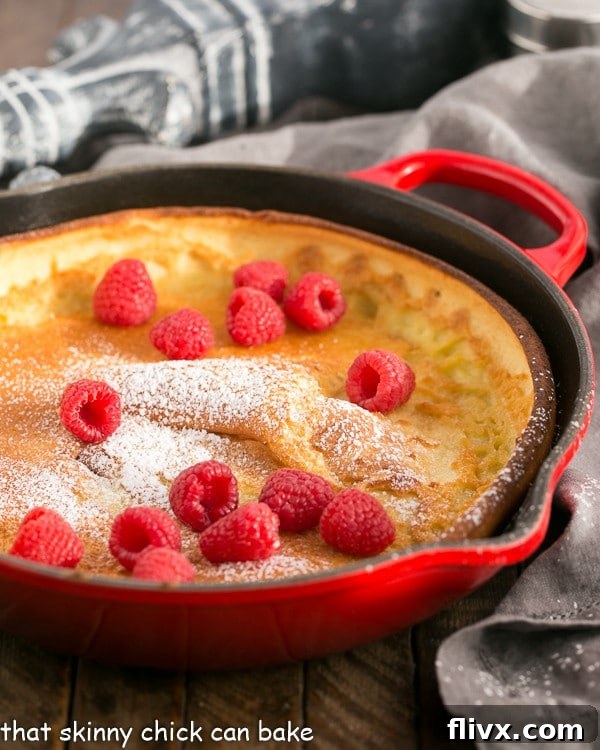
A Dutch Baby Pancake is not just any pancake; it’s an experience. Originating from German cuisine (where it’s known as Pfannkuchen), this unique dish is baked in the oven, typically in a hot cast iron skillet. As it bakes, the thin, egg-rich batter dramatically puffs up around the edges, creating a spectacular golden crown. Upon removal from the oven, it gracefully collapses, leaving a wonderfully tender, custardy center and delightfully crisp, chewy sides.
Despite its name, the “Dutch Baby” has no actual ties to the Netherlands. The most popular theory suggests that the name came from Manca’s Cafe in Seattle in the early 20th century, where the owner’s daughter mispronounced “Deutsch” (German) as “Dutch.” Regardless of its moniker, this beloved Puffed Pancake has cemented its place as a fantastic option for a leisurely breakfast or an elegant brunch.
- A Feast for the Eyes: The theatrical puffing and eventual collapse of the pancake create an impressive presentation that’s sure to garner oohs and aahs from your guests.
- Remarkably Versatile: From sweet to savory, the Dutch Baby serves as a perfect canvas for an endless array of toppings, allowing you to customize it to any craving or occasion.
- Simple Yet Sophisticated: Made with just a handful of pantry staples, it delivers gourmet results with minimal effort, making it ideal for both novice and experienced cooks.
Why This Dutch Baby Recipe is a Must-Try
If you’re looking to elevate your breakfast game or simply impress your family with something extraordinary, this Dutch Baby recipe is an absolute winner. Here’s why it deserves a permanent spot in your culinary repertoire:
A Rich History & Intriguing Name
This culinary marvel boasts a history spanning over a century, firmly rooted in German culinary traditions. While it’s a German pancake at heart, its popular “Dutch Baby” name is credited to Manca’s Cafe in Seattle. Legend has it that Victor Manca, the café owner, put the German pancake (Pfannkuchen) on his menu, and it was his daughter who affectionately (and perhaps mistakenly) called it a “Dutch Baby” instead of a “Deutsch” (German) pancake. Manca’s Cafe even claimed to have trademarked the name in 1942, solidifying its place in American breakfast lore.
Effortless Elegance for Any Occasion
Don’t let the impressive appearance fool you; making a Dutch Baby Pancake is surprisingly simple. With just a few basic ingredients and a hot oven, you can create a breakfast or brunch centerpiece that looks and tastes like it came from a gourmet kitchen. It’s perfect for lazy weekend mornings, special holiday brunches like Mother’s Day or Easter, or simply when you have overnight guests you want to delight with minimal fuss. The “wow” factor is guaranteed!
A Canvas for Culinary Creativity: Topping Galore
One of the greatest joys of a Dutch Baby Pancake is its incredible versatility when it comes to toppings. Whether you lean towards classic sweetness or adventurous savory flavors, there’s a perfect pairing for everyone. My husband, previously a skeptic of puffed pancakes, was completely won over by the simple combination of powdered sugar, fresh raspberries, and a dollop of sweetened whipped cream. But the possibilities extend far beyond:
- Classic Sweet: A squeeze of lemon juice and a dusting of powdered sugar (a traditional German way), maple syrup, honey, cinnamon sugar.
- Berry Bliss: Any fresh berries (strawberries, blueberries, blackberries), mixed fruit compotes, or warm berry sauces.
- Creamy Indulgences: Whipped cream (sweetened or plain), crème fraîche, mascarpone, lemon curd.
- Fruity & Exotic: Sautéed apples with cinnamon, caramelized bananas, sliced peaches, mango chunks.
- Nutty & Crunchy: Toasted nuts (pecans, walnuts, almonds), granola, coconut flakes.
- Savory Adventures: Don’t limit yourself to sweet! Consider topping with sautéed mushrooms and herbs, a fried egg and bacon, smoked salmon and cream cheese, or even roasted vegetables. The eggy base pairs beautifully with many savory elements.
No matter what name you call it, this Dutch Baby Pancake recipe is unequivocally delicious. I’m thrilled my husband is now a convert; it means I can serve this wonderful, impressive dish whenever we have company!
Mastering the Art of the Puffed Pancake: Step-by-Step Guide
While the Dutch Baby seems magical, achieving that perfect puff and tender interior is entirely within reach with a few key techniques. Here’s how to make your best Dutch Baby yet:
- Prepare the Batter: In a blender, combine eggs, flour, whole milk, sugar, and vanilla extract. Blend until the mixture is completely smooth and free of lumps. A smooth batter is crucial for the pancake’s texture and rise.
- Rest the Batter (PRO-Tip): Once mixed, transfer the batter to a covered container and refrigerate it for at least an hour, or even overnight. This crucial step allows the gluten in the flour to relax, resulting in a much more tender and less chewy finished product. It also gives the flour time to fully hydrate, which contributes to a better puff.
- Preheat Oven & Skillet (Critical PRO-Tip): Preheat your oven to 425°F (220°C). As the oven preheats, place your 10-inch cast iron skillet (or other oven-safe pan) inside. Heating the pan thoroughly before adding the batter is paramount. The extreme heat causes the batter to rapidly expand, creating that signature dramatic puff.
- Butter the Pan: Carefully remove the scorching hot skillet from the oven. Add butter pieces to the pan. Watch it closely as it melts very quickly. As it almost finishes melting, swirl the butter around to generously coat the entire bottom and sides of the skillet. This prevents sticking and adds a beautiful golden crust.
- Pour & Initial Bake: Immediately pour the chilled batter into the hot, buttered skillet. Return the skillet to the preheated oven and bake for 15-20 minutes, or until the pancake is dramatically puffed up and its edges are golden brown. Resist the urge to open the oven door during this phase, as it can cause the pancake to collapse prematurely.
- Lower Heat & Finish: Once the pancake is puffed and golden, reduce the oven temperature to 300°F (150°C) and continue baking for another 5 minutes. This lower temperature helps to cook the custardy center through without burning the delicate edges, ensuring a more stable structure before it eventually deflates.
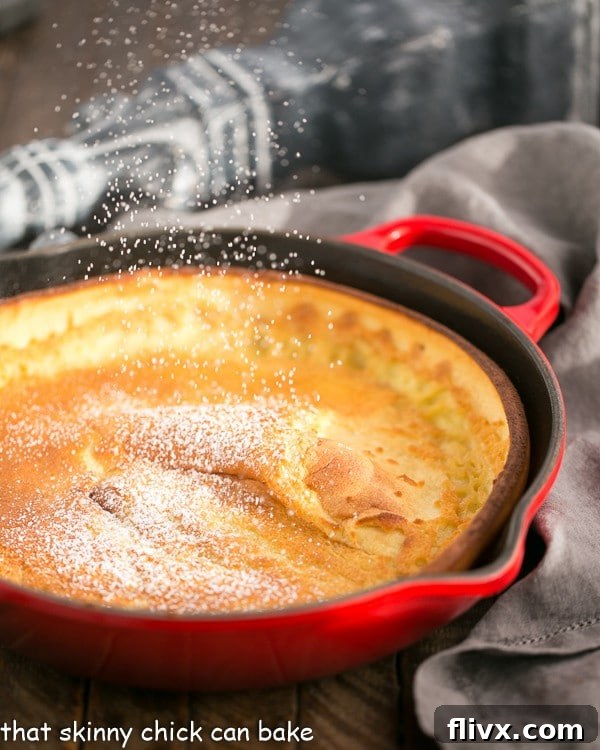
- Serve Immediately: Remove the skillet from the oven. The pancake will begin to deflate almost immediately, which is perfectly normal. Dust generously with powdered sugar, then cut into wedges. Serve hot with your preferred toppings—berries, whipped cream, maple syrup, cinnamon sugar, or any other delightful accompaniment you choose.
The first time I made them, my husband wasn’t a huge puffed pancake fan. But this time, whether it was the fresh whipped cream and berries or my tweaked recipe, he became a convert. Now, I know exactly what to make when we have overnight company – this wonderful Dutch Baby Pancake is always a hit!
Expert Tips for Your Best Dutch Baby Pancake Ever
Achieving Dutch Baby perfection is simple when you know a few tricks of the trade. Follow these expert tips for an unforgettable breakfast:
- Room Temperature Ingredients are Key: Ensure your milk and eggs are at room temperature before you start blending the batter. This helps the ingredients combine more smoothly and creates a more uniform batter, which in turn contributes to a better, more consistent rise. Cold ingredients can cause the butter to seize up, leading to a lumpy batter.
- The Power of the Rested Batter: As mentioned in the steps, chilling the blended batter for at least an hour (or ideally, overnight) is a game-changer. This resting period allows the flour to fully absorb the liquid and for the gluten strands to relax. The result? A remarkably tender pancake with a superior puff and a lighter texture.
- PRO-Tip for Morning Ease: Make the batter the night before! Simply blend the ingredients, cover the bowl, and pop it in the refrigerator. In the morning, give it a quick, gentle stir (don’t re-blend) before using. This makes preparing a show-stopping breakfast incredibly convenient, even on busy mornings.
- Heat, Heat, Heat! The absolute keys to a spectacular rise are a very hot oven and an even hotter pan. The rapid heat creates steam within the batter, which causes it to puff up dramatically. Don’t rush the preheating process for either your oven or your cast iron skillet.
- Choose Your Weapon Wisely – The Pan: A heavy, well-seasoned cast iron pan (typically 10-12 inches) is highly recommended for the best results. Cast iron retains heat exceptionally well and distributes it evenly, which is crucial for that impressive puff. If you don’t have cast iron, any heavy, oven-safe skillet will work, but cast iron truly excels here.
- Resist the Urge to Peek: Opening the oven door during the initial baking phase can cause a sudden drop in temperature, which may hinder the pancake’s rise or cause it to deflate prematurely. Trust the process and keep the oven door closed for the first 15-20 minutes.
- Make it a Festive Spread: If you’re making Dutch Babies for a holiday brunch or when entertaining guests, offer a bountiful assortment of toppings. A topping bar with various fruits, sauces, creams, and even a few savory options will make the meal interactive, visually stunning, and memorable.
Frequently Asked Questions (FAQ) About Dutch Baby Pancakes
What exactly is a Dutch Baby Pancake?
A Dutch Baby Pancake is a unique German pancake recipe, similar in concept to a large popover or a Yorkshire pudding. It’s characterized by its dramatic puffing as it bakes in a hot oven, followed by a gentle collapse once removed. This results in a dish with delightfully crisp, eggy edges and a soft, custardy center. While commonly served for breakfast or brunch in sweet variations, savory versions also exist and are equally delicious.
Why does a Dutch Baby Pancake puff up so dramatically?
The spectacular puff of a Dutch Baby is due to a combination of factors: the high egg content in the batter, the gluten in the flour, and crucially, the intense heat. When the chilled, thin batter hits a screaming hot, preheated skillet in a hot oven, the moisture in the batter rapidly turns into steam. This steam gets trapped by the developing gluten structure and expands, causing the pancake to inflate dramatically. As it cools, the steam condenses, and the pancake gracefully deflates.
Is there a difference between a Dutch Baby and a German Pancake?
No, they are essentially the same dish! “Dutch Baby” is simply a popular Americanized name for what is fundamentally a German pancake (Pfannkuchen). Depending on where you live or the family tradition, you might hear it called an Oven Pancake, a Puffed Pancake, or simply a German Pancake. All refer to this delightful, oven-baked wonder.
How did the “Dutch Baby Pancake” get its name?
The name “Dutch Baby” doesn’t actually imply a connection to the Netherlands. The most widely accepted origin story traces back to the early 1900s at Manca’s Cafe in Seattle. The owner, Victor Manca, added a German pancake (Pfannkuchen) to his menu. It’s believed that one of his daughters, intending to say “Deutsch” (German) pancake, mispronounced it as “Dutch” pancake. The name stuck, and Manca’s Cafe even claimed to have trademarked “Dutch Baby” in 1942, cementing its unique identity.
What are the best ways to serve a Dutch Baby?
The beauty of a Dutch Baby lies in its versatility! While a dusting of powdered sugar and fresh berries or a drizzle of maple syrup are classic, there are countless delicious toppings to explore. Consider serving it warm with:
- A squeeze of fresh lemon juice and powdered sugar for a traditional tangy-sweet flavor.
- Rich lemon curd or a variety of fruit jams and preserves.
- Cinnamon sugar, often mixed with a little melted butter.
- Whipped cream, mascarpone, or crème fraîche.
- Sautéed apples, caramelized pears, or roasted stone fruits.
- For a savory twist, try a fried egg, crispy bacon, sautéed mushrooms, smoked salmon with dill, or a sprinkle of cheese and fresh herbs.
Can I make Dutch Baby Pancakes ahead of time? How do I store leftovers?
While the batter can (and should) be made ahead of time and chilled overnight, Dutch Baby Pancakes truly taste best when freshly baked and served immediately. The texture is at its peak right out of the oven. If you do have leftovers, they can be stored in an airtight container in the refrigerator for 3-4 days. To reheat, gently warm in the microwave or a low oven until heated through, but be aware that the characteristic crisp edges may soften.
What essential equipment do I need to make a Dutch Baby?
The primary pieces of equipment you’ll need are a good blender for mixing the batter until smooth and a heavy, oven-safe skillet. A 10-inch cast iron skillet is highly recommended for its excellent heat retention and even cooking, which are crucial for the pancake’s dramatic puff. You’ll also need a hot oven capable of reaching 425°F (220°C).
Delicious Accompaniments & More Breakfast/Brunch Inspiration
Whether you’re planning a special Mother’s Day brunch, an Easter gathering, or simply hosting overnight guests, a truly terrific brunch spread is always a delight. The Dutch Baby Pancake is a fantastic star, but here are some other wonderful recipes to complement it or to try on another occasion:
- Asparagus & Pancetta Frittata from The Chef Next Door
- Spinach Bell Pepper Frittata
- Chunky Maple Coconut Granola
- Strawberry Mascarpone Stuffed French Toast
- Cranberry Apple Bread
- Breakfast Burritos
- Breakfast Sliders
- More of my Breakfast Recipes
- More of my Brunch Recipes
Stay in touch through social media @ Instagram, Facebook, and Pinterest. Don’t forget to tag me when you try one of my recipes! And if you love the results, please consider leaving a 5-star rating and comment on the blog.
Best Dutch Baby Pancake Recipe
A puffy pancake that makes a fabulous brunch entree!
Prep Time: 5 minutes
Cook Time: 25 minutes
Total Time: 30 minutes
Yield: 3 servings
Ingredients
- 3 eggs
- ½ cup all-purpose flour
- ½ cup whole milk
- ½ teaspoon vanilla extract
- 3 tablespoons granulated sugar
- 4 tablespoons unsalted butter, cut into 3-4 pieces
- For Serving: Powdered sugar, fresh raspberries, sweetened whipped cream, or maple syrup
Instructions
- Combine eggs, flour, milk, sugar, and vanilla in your blender. Blend until the mixture is completely smooth.
- (Optional, but recommended) Let the batter rest in the refrigerator for one hour. For best results, chill overnight.
- Preheat your oven to 425ºF (220°C). Place a 10-inch cast iron skillet into the oven as it preheats. Ensure the pan is thoroughly hot.
- Carefully remove the hot skillet from the oven. Place the butter pieces into the pan, watching carefully so they don’t burn. When the butter is almost melted, swirl it around to coat the bottom and sides of the skillet.
- Immediately pour the chilled batter into the hot, buttered pan.
- Bake for 15-20 minutes, or until the pancake is dramatically puffed and golden brown around the edges. Avoid opening the oven door during this phase.
- Reduce the oven temperature to 300ºF (150°C) and continue baking for 5 more minutes. This helps to set the center and prevent a quick collapse.
- Remove the skillet from the oven. The pancake will begin to deflate. Sprinkle generously with powdered sugar and cut into wedges.
- Serve each piece warm with fresh berries and a dollop of whipped cream, or with a drizzle of maple syrup, as desired.
Notes
Total time does not include the optional chilling time for the batter. Calorie count does not include toppings, as they vary widely.
Nutrition Information:
Amount Per Serving (based on 3 servings, without toppings):
- Calories: 537
- Total Fat: 22g
- Saturated Fat: 12g
- Trans Fat: 1g
- Unsaturated Fat: 8g
- Cholesterol: 232mg
- Sodium: 213mg
- Carbohydrates: 76g
- Fiber: 1g
- Sugar: 58g
- Protein: 10g