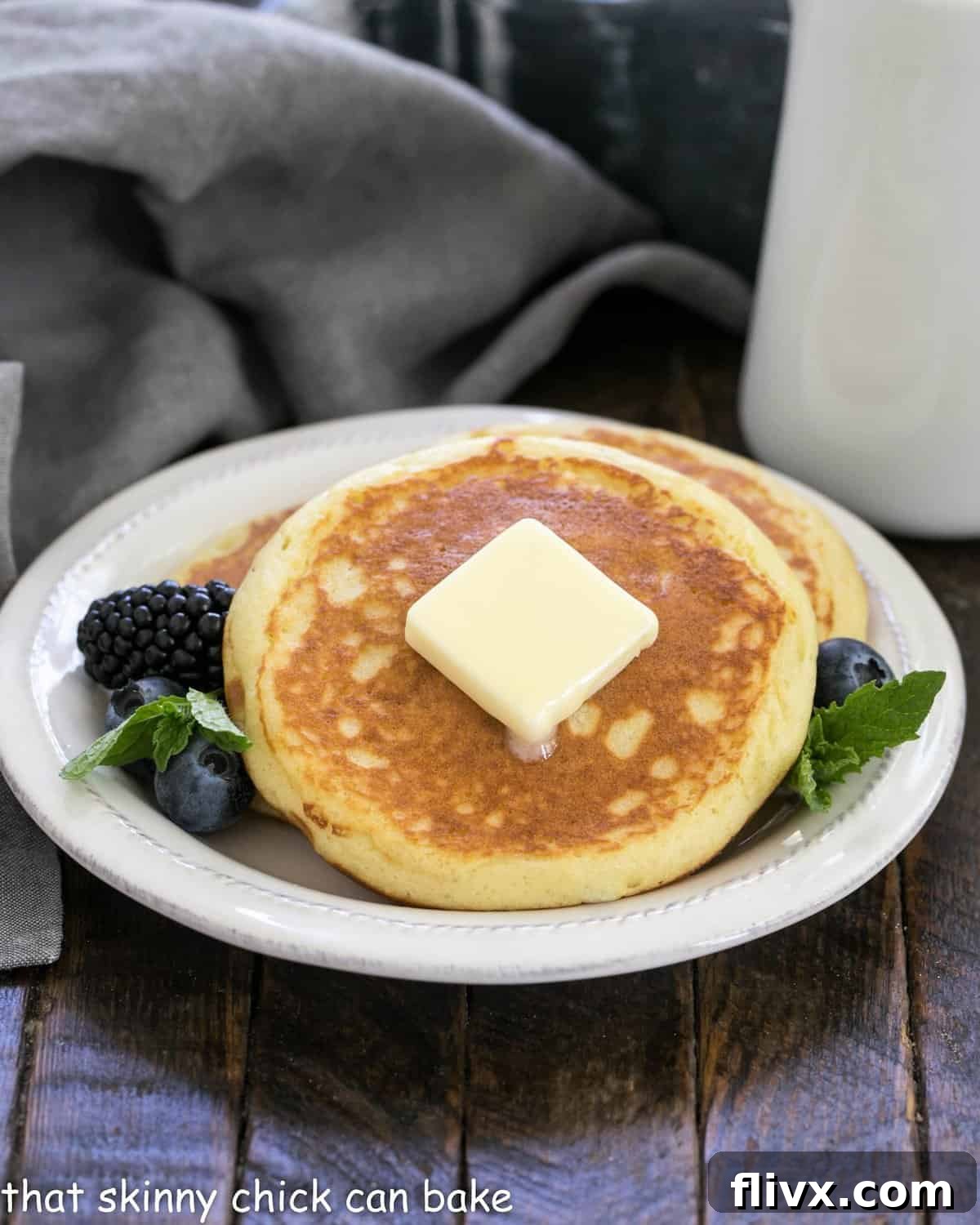
Discover the unparalleled delight of homemade Classic Buttermilk Pancakes – a recipe that consistently outperforms any store-bought mix. Buttermilk truly works wonders, transforming simple ingredients into remarkably tender and delicious pancakes that will elevate your breakfast experience.
For years, this treasured recipe, originally from our local Junior League Cookbook, “Winners,” has been my ultimate go-to for consistently crafting the Best Buttermilk Pancakes. The magic lies in a carefully balanced homemade batter, combining just the right amounts of sugar, butter, and buttermilk to deliver an exquisite blend of sweetness and tenderness in every bite.
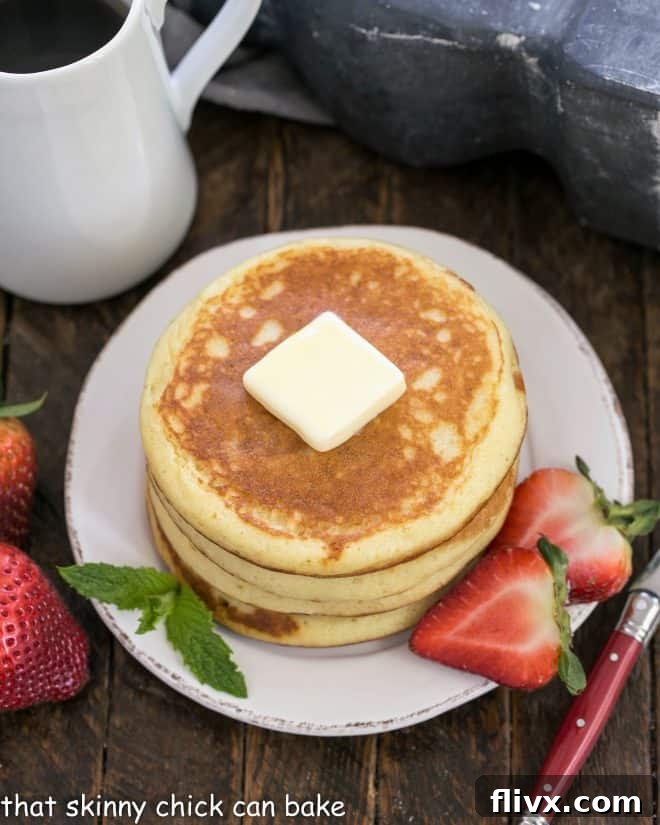
Why You Must Embrace Homemade Buttermilk Pancakes
Once you experience the sublime taste and texture of these scratch-made buttermilk pancakes, you’ll unequivocally abandon any notion of returning to a subpar boxed mix. This isn’t just a recipe; it’s a gateway to breakfast perfection.
- Unrivaled Flavor and Texture: Homemade pancakes possess a depth of flavor and a tender, airy texture that boxed mixes simply cannot replicate. Fresh ingredients make all the difference, delivering a taste that evokes warmth and comfort.
- Effortlessly Simple: Don’t let the “from scratch” label intimidate you. Making pancakes is surprisingly straightforward, requiring basic kitchen skills and common ingredients you likely already have on hand. It’s a quick and rewarding process that yields incredible results.
- The Buttermilk Advantage: The natural acidity in buttermilk is a secret weapon. It gently weakens the gluten strands in the flour, preventing toughness and ensuring an incredibly tender crumb. Beyond texture, this acidity reacts synergistically with baking soda, creating a powerful leavening action that results in beautifully risen, incredibly fluffy pancakes. It’s a culinary chemistry lesson that tastes delicious and provides that perfect light texture!
- Ingredient Control: When you make pancakes from scratch, you’re in charge. You know exactly what goes into your meal, allowing for precise adjustments to sweetness, richness, and even the option of incorporating healthier alternatives or dietary preferences.
For those seeking a wholesome twist, explore delightful whole wheat pancakes, offering a nutritious yet equally delicious alternative. And for a unique, oven-baked breakfast treat that never fails to impress, my Dutch Baby Pancake recipe consistently earns rave reviews and is a spectacular choice for a special brunch!
What Our Readers Are Saying:
We love hearing from satisfied cooks who’ve experienced the magic of this recipe! Debbie, a fan from Pinterest, enthusiastically raves: “This recipe consistently yields 8, perfectly 5-inch pancakes that are wonderfully crispy on the outside, yet incredibly fluffy and light on the inside. A genuinely good and easy recipe that I’ll be making again and again!”
Mastering Your Ingredients: A Closer Look
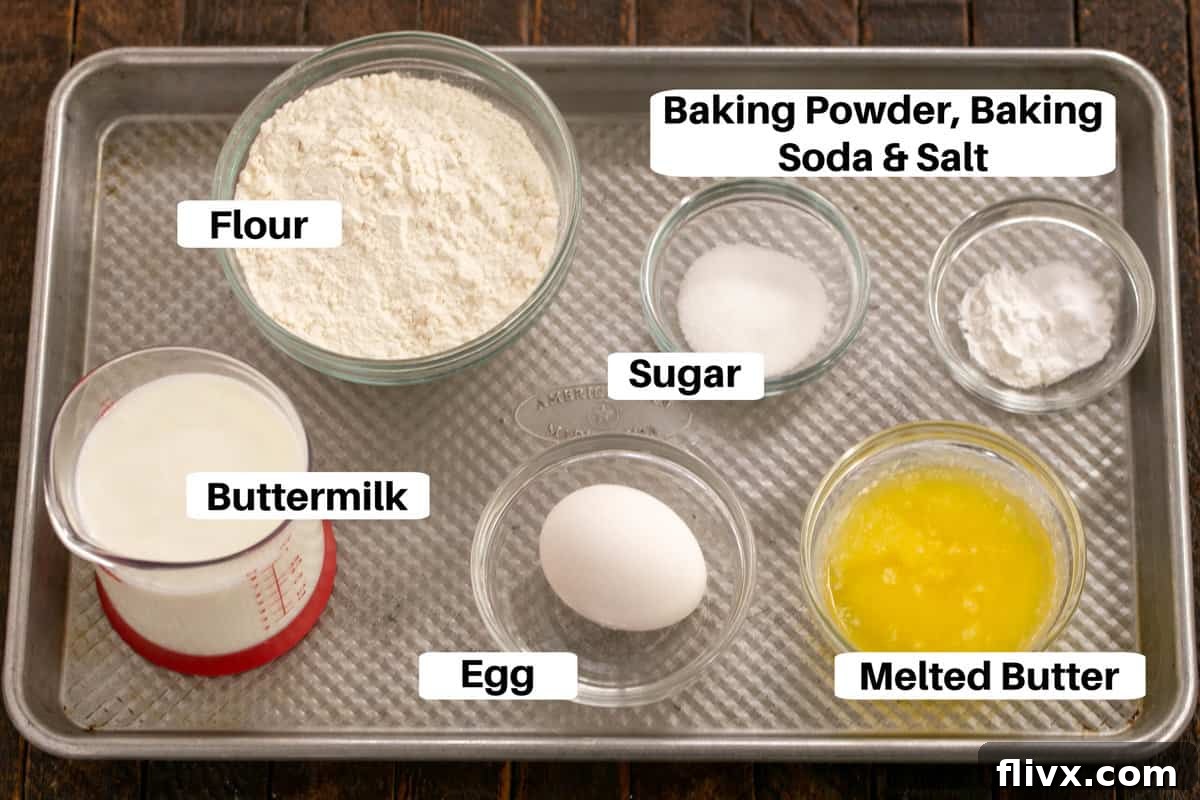
Understanding the role of each ingredient is key to achieving consistent pancake perfection. Here’s what you need to know about the stars of this recipe, and how they contribute to the ultimate fluffy experience:
- Kitchen Staples: These foundational elements include salt (crucial for balancing and enhancing all the other flavors), granulated sugar (contributes sweetness, aids in golden-brown caramelization, and helps with tenderness), baking soda (a powerful leavening agent that reacts with buttermilk’s acid), sifted all-purpose flour (provides the essential structure for your pancakes), and melted butter (infuses the batter with rich flavor and contributes to a moist, tender crumb).
- Egg: For optimal incorporation and a smoother, more uniform batter, it’s highly recommended to bring your egg to room temperature before mixing. A room-temperature egg emulsifies more effectively with other ingredients, leading to a more consistent batter and ultimately a lighter, fluffier pancake.
- Buttermilk: As the star ingredient, buttermilk is the MVP for tender pancakes. Its lactic acid effectively breaks down the gluten strands in the flour, preventing the pancakes from becoming tough or rubbery. Beyond tenderization, it vigorously reacts with baking soda to produce carbon dioxide gas, which creates those delightful air pockets and contributes significantly to the airy, fluffy texture.
- Baking Powder: Often overlooked, baking powder is another crucial leavening agent in this recipe that provides an additional lift to your pancakes. Unlike baking soda, it contains its own acid and works independently of buttermilk’s acidity, ensuring a robust rise. It’s absolutely crucial to check its expiration date, as its potency diminishes significantly over time. A quick test: add a spoonful to hot water; if it fizzes vigorously, it’s still active. If it doesn’t, replace it before starting this recipe for the best possible rise.
- Flour: Sifting your all-purpose flour before measuring and adding it to the batter helps prevent lumps, ensures a lighter, airier pancake, and makes for easier, more even mixing. This small step can make a big difference in the final texture.
- Butter: Using real melted unsalted butter in the batter not only contributes to an incredibly rich, luxurious flavor but also adds vital moisture, resulting in a remarkably tender pancake. It also plays a role in achieving that desirable golden-brown crust during cooking.
Chef-Approved Tips for Pancake Perfection
Even a seemingly simple recipe like pancakes benefits immensely from a few expert insights. Follow these tried-and-true tips to ensure your buttermilk pancakes are consistently exceptional, earning you rave reviews every time:
- Prioritize Real Buttermilk: While a homemade buttermilk substitute (milk + lemon juice/vinegar) works wonderfully in a pinch, real cultured buttermilk often offers a slightly richer, more complex flavor and a thicker consistency. Whenever possible, opt for genuine buttermilk for a truly superior pancake experience.
- PRO-Tip: Don’t Skimp on Fresh Leavening Agents: This recipe judiciously utilizes both baking powder and baking soda for optimal lift. Always, always check the expiration dates of both. Baking powder, in particular, can lose its efficacy surprisingly quickly after opening, directly leading to flat, dense pancakes. An active, fresh leavening agent is absolutely non-negotiable for that signature fluffy rise you’re aiming for.
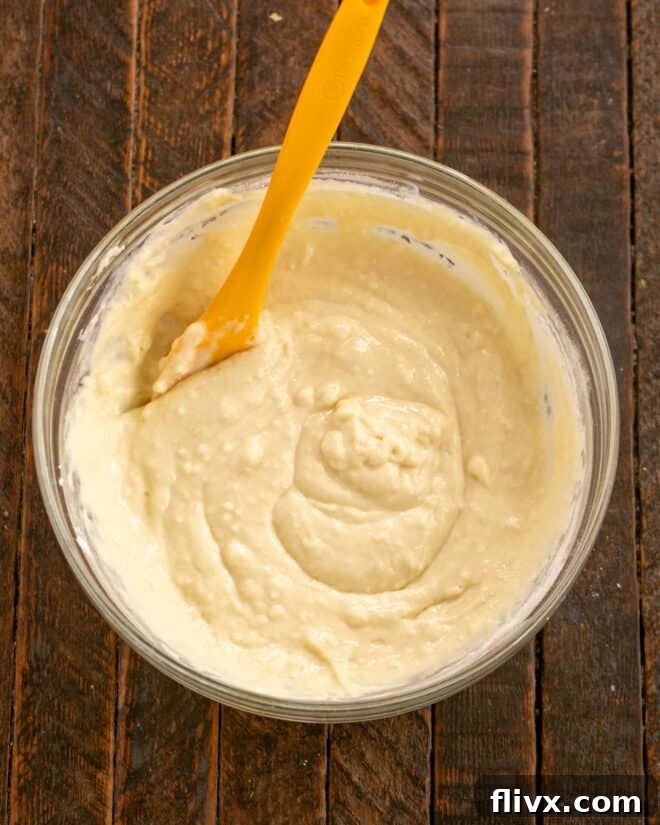
- PRO-Tip: Embrace the Lumps – Do Not Overmix: This is perhaps the most critical tip for tender pancakes. Overmixing the batter vigorously or for too long develops the gluten in the flour, which leads to tough, chewy pancakes – the opposite of what we want. Mix the batter just until the wet and dry ingredients are barely combined. A few small lumps in the batter are perfectly fine and actually desired, as they contribute to the batter’s lightness and the pancake’s tender, delicate structure.
- The Strategic Role of Sugar: Adding a touch of granulated sugar to your batter isn’t solely for sweetness; it also plays a vital role in the Maillard reaction, aiding in caramelization during cooking. This contributes to that beautiful, enticing golden-brown exterior and enhances the overall flavor profile of the pancake.
- Achieve Optimal Cooking Surface Temperature: According to culinary experts like those at Cook’s Illustrated, slowly and gradually heating your griddle or skillet to the correct, consistent temperature is paramount. Rushing the heating process or using excessively high heat can create uneven hot spots, leading to inconsistently cooked pancakes – some burnt, some undercooked. Aim for a consistent medium heat for even browning and thorough cooking.
- PRO-Tip: The Indispensable Bubble Signal: The clearest and most reliable indicator that your pancake is ready to flip is when numerous bubbles begin to form on the surface of the uncooked side and gracefully start to pop and create small craters. This visual cue signifies that the bottom is perfectly cooked through and has achieved a beautiful golden-brown hue. Resist the urge to flip prematurely!
- Maintain a Clean Cooking Surface: Between batches, it’s a good practice to quickly wipe out your pan or griddle with a paper towel. This removes any burnt residue or excess butter, preventing it from affecting the flavor and appearance of subsequent pancakes. Afterwards, add a fresh pat of butter or a light spray of cooking oil as needed for the next batch.
- Keeping Pancakes Warm for All: To ensure every pancake is served warm and fresh, even when cooking for a crowd, preheat your oven to a low 200°F (93°C). As each pancake finishes cooking, place it on a wire rack set over a rimmed baking sheet in the warm oven. This setup allows air to circulate around the pancakes, preventing them from becoming soggy and sticking together while you finish the rest of the batch.
- For Uniformity in Size: For consistently sized and evenly cooked pancakes, a simple trick is to use a ¼ cup measuring scoop to pour your batter onto the griddle. This also helps ensure that each pancake cooks uniformly.
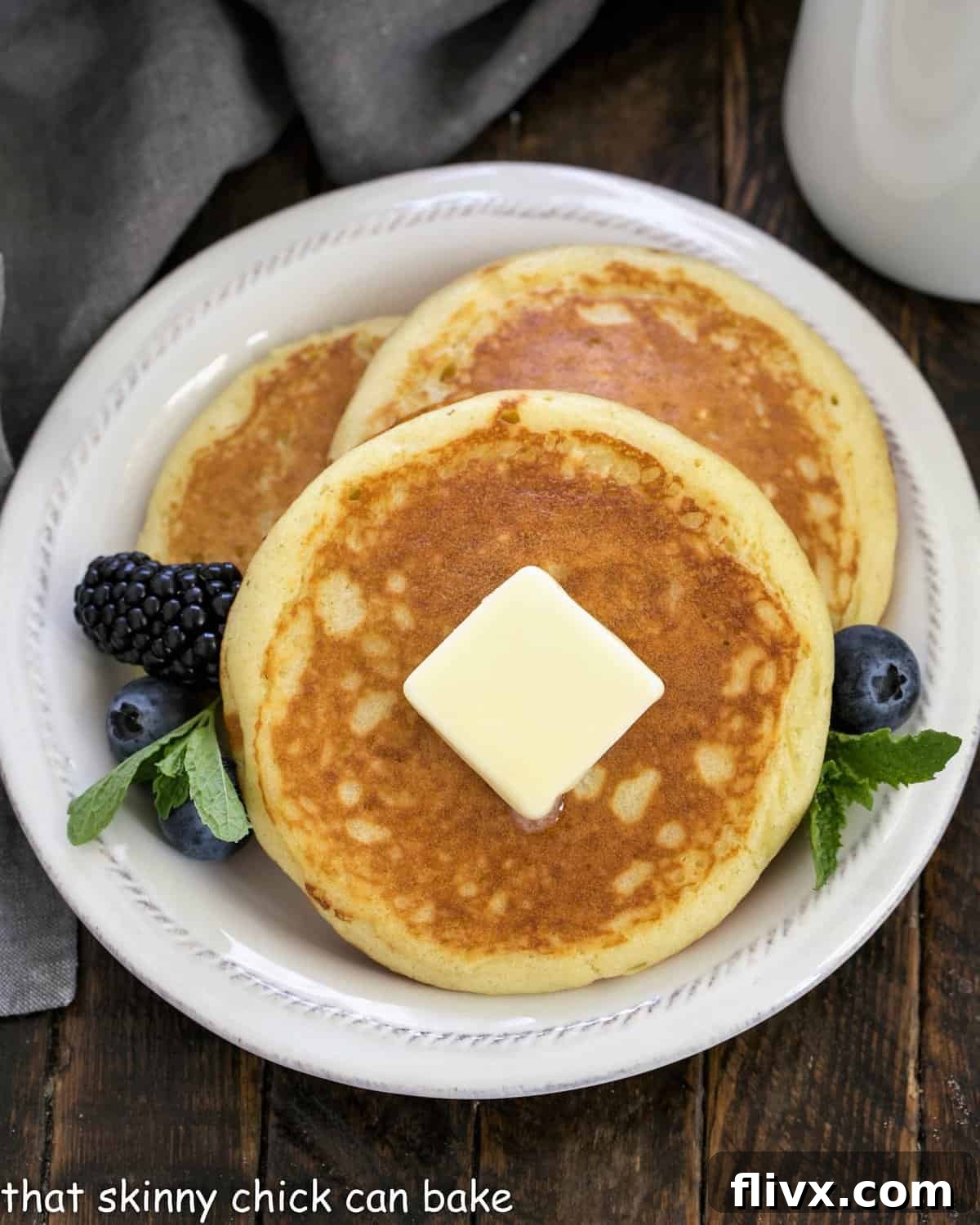
Your Step-by-Step Guide to Fluffy Buttermilk Pancakes
Crafting these delectable pancakes is a joy and a straightforward process. Here’s a detailed breakdown of each step, ensuring you achieve perfect results every time:
Unleash the Joy of This Homemade Pancake Recipe
These homemade buttermilk pancakes are undeniably worth the minimal extra effort involved. In just a few additional minutes compared to reaching for a box mix, you’ll whip up a batch of tender, flavorful, and perfectly sweet pancakes that will undoubtedly be the finest you’ve ever tasted or created from your own kitchen. Prepare yourself and your loved ones for an unforgettable breakfast experience that will become a cherished tradition!
It’s time to move beyond the mere convenience of a box and wholeheartedly return to the simple, deeply satisfying art of cooking from scratch. If you possess the ability to melt butter, accurately measure ingredients, and whisk a batter until just combined, then you already possess all the fundamental skills needed to craft a truly memorable and delightful breakfast. Better yet, imagine the sheer delight of treating your loved ones, especially your mom on Mother’s Day, to a magnificent, towering stack of these irresistibly Fluffy Buttermilk Pancakes. It’s a gesture that speaks volumes of care and culinary craftsmanship.
Frequently Asked Questions About Buttermilk Pancakes
Creating these classic buttermilk pancakes is a remarkably basic process that even novice cooks can master with confidence. While it involves using a couple of bowls for separate wet and dry ingredient mixing, the outstanding results are undeniably worth the small effort. Begin by preparing the batter: first, combine the wet ingredients, then whisk the dry ingredients separately, and finally, gently fold them together as outlined in the detailed recipe instructions. Next, heat your griddle or skillet to the optimal temperature, ensuring it’s lightly greased to prevent sticking. Pour measured rounds of batter onto the hot surface. Cook until characteristic bubbles appear and burst across the pancake’s top, signaling readiness for flipping. Gently slide your spatula under each pancake and flip, continuing to cook until the second side achieves a beautiful golden-brown hue and is cooked through.
No buttermilk on hand? No problem at all! A highly reliable buttermilk substitute can be easily prepared at home using common kitchen ingredients. Simply measure 1 tablespoon of an acid, such as fresh lemon juice or a neutral-flavored vinegar (like white vinegar or apple cider vinegar), into a 1-cup liquid measuring cup. Then, fill the remainder of the cup with regular milk (any fat percentage will work, though whole milk typically yields a richer result) up to the 1-cup mark. Allow this mixture to rest for approximately 5-10 minutes. During this brief waiting period, the acid will naturally curdle the milk slightly, creating a consistency and acidity level remarkably similar to real buttermilk. Give it a quick stir before using it exactly as the recipe calls for.
For perfectly cooked buttermilk pancakes, a lightly greased griddle or skillet is absolutely essential. Heat your cooking surface over a consistent medium heat – it’s crucial to avoid high heat, which can quickly burn the outside of the pancake before the inside has a chance to cook through. Once heated, pour approximately ¼ cup of batter for each pancake, ensuring you leave sufficient space between them for natural expansion and easy flipping. Cook the first side for about 3-4 minutes, or until numerous bubbles appear and open on the surface, and the edges begin to look set and slightly dry. This is your precise cue! Gently slide a thin spatula under each pancake and flip. Cook the second side for another 2-3 minutes, or until it’s beautifully golden brown and fully cooked through. Remember to adjust the heat as needed to maintain consistent browning and prevent any scorching.
Transforming this classic buttermilk pancake batter into delightful blueberry, chocolate chip, or other flavored pancakes is incredibly simple and fun! After you’ve poured the batter onto the hot griddle for the first side, but crucially, before flipping, generously scatter your desired additions – such as fresh blueberries, mini chocolate chips, or even finely diced bananas – directly over the surface of the uncooked side of each pancake. Allow the first side to cook until those tell-tale bubbles appear and burst. Once ready, flip the pancakes gently. The added ingredients will cook directly on the griddle for the remaining time, ensuring they are perfectly integrated, heated through, and slightly caramelized. This method also cleverly prevents the additions from sinking to the bottom of the batter while it rests.
While it’s generally best to cook pancake batter freshly made to preserve the full potency of the leavening agents, you can prepare the wet and dry ingredients separately the night before. Mix the dry ingredients in one bowl and cover it tightly. Whisk the wet ingredients (egg, buttermilk, melted butter) in another bowl and refrigerate it overnight. The next morning, simply combine the two mixtures, stirring minimally until just incorporated, and then proceed directly with cooking. If you combine the entire batter and let it sit too long, especially for several hours, the leavening agents (baking soda and powder) might lose some of their gas-producing power, resulting in flatter, less fluffy pancakes. If you do store combined batter, it’s best to use it within an hour or two for optimal fluffiness and rise.
Leftover buttermilk pancakes can be conveniently stored in an airtight container or a resealable bag in the refrigerator for up to 2-3 days, making them perfect for quick breakfasts during the week. For longer storage, pancakes freeze beautifully! To freeze, first allow the cooked pancakes to cool completely. Then, place them in a single layer on a baking sheet to flash freeze for about 30 minutes until firm. Once firm, transfer them to a freezer-safe bag or container, placing parchment paper between layers to prevent sticking. They’ll keep wonderfully in the freezer for up to 1-2 months. To reheat, you have several options: a toaster, microwave, or oven. A toaster oven or a regular oven (preheated to 350°F/175°C for about 5-10 minutes) will yield the crispiest, freshest-tasting results. A microwave is the quickest method but might make them slightly less crispy.
Explore More Delicious Breakfast & Brunch Recipes
If you’ve enjoyed mastering these classic buttermilk pancakes, you’ll surely love exploring these other fantastic breakfast and brunch ideas to diversify your morning menu and impress your family and friends:
- Croque Madame Breakfast Casserole from Bread Booze Bacon – A wonderfully savory and hearty dish, perfect for feeding a crowd or for a decadent weekend brunch.
- 3 Ingredient Protein Pancakes from Scattered Thoughts of a Crafty Mom – A quick, nutritious, and incredibly simple option for a protein-packed start to your day.
- Vanilla Bean Iced Coffee – The perfect refreshing and indulgent accompaniment to any breakfast or brunch, especially on warmer days.
- Baked Denver Omelet – An easy, hands-off, oven-baked take on a classic omelet, ideal for meal prep or serving multiple people.
- Buttermilk Banana Bread – Another delicious and comforting way to utilize buttermilk, resulting in an incredibly moist and flavorful quick bread.
- Mixed Berry Torte – A delightful and elegant sweet treat, bursting with fresh berries, perfect for a special brunch occasion or dessert.
- Plus, delve into my comprehensive collection of Best Breakfast Recipes and an array of inspiring Brunch Food Recipes for endless culinary inspiration and delightful meal planning!
Stay connected and share your culinary creations with me across social media! Find me on Instagram, Facebook, and Pinterest. Don’t forget to tag me when you whip up one of my delicious recipes – I love seeing your beautiful results! Your feedback is invaluable, and if you adore the outcome, please consider leaving a 5-star rating in the recipe card below to support the blog and help other home cooks discover this wonderful recipe.
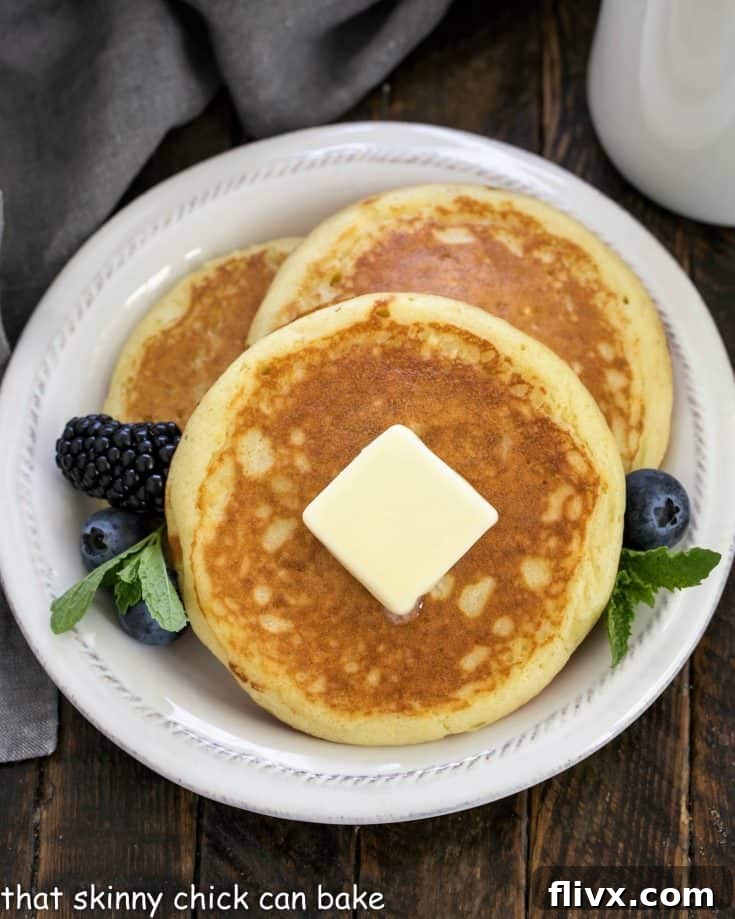
Classic Buttermilk Pancakes Recipe
5 minutes
5 minutes
10 minutes
3 servings (approx. 6-8 pancakes)
These homemade buttermilk pancakes consistently outshine any box mix. They are incredibly easy to prepare and promise a tender, fluffy breakfast every time!
Rating: 5 out of 5 stars (Based on 48 reviews)
Ingredients
- 1 large egg, room temperature
- ½ teaspoon salt
- 1 tablespoon granulated sugar
- 1 cup buttermilk (or homemade substitute, see FAQ)
- ½ teaspoon baking soda
- ½ rounded teaspoon baking powder (check freshness!)
- 1 cup all-purpose flour, sifted
- 3 tablespoons unsalted butter, melted and slightly cooled
Instructions
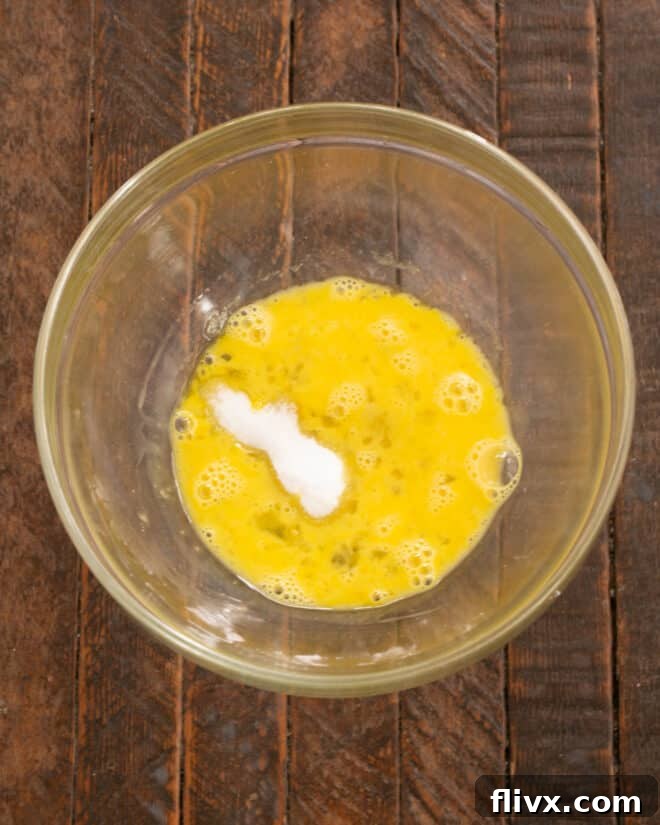
- In a large mixing bowl, whisk together the room temperature egg, salt, and sugar until well combined and slightly lightened.
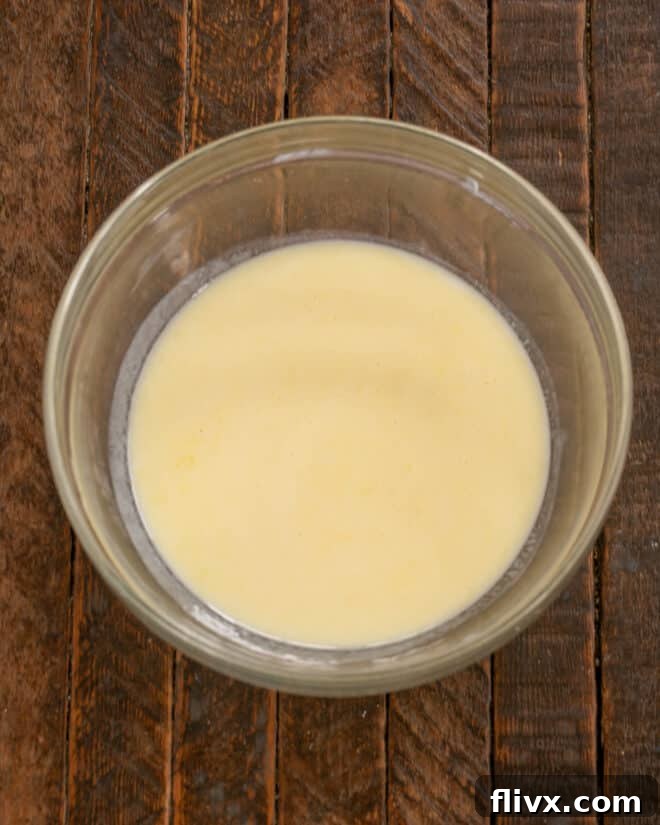
- Pour in the buttermilk and whisk until smoothly incorporated with the egg mixture. Set this wet mixture aside.
- In a separate medium bowl, whisk together the baking soda, baking powder, and sifted flour until thoroughly combined.
- Gradually add the dry ingredient mixture to the buttermilk mixture. Stir gently with a spoon or spatula until just combined. A few small lumps are perfectly fine and even desired for a tender crumb; do not overmix. Finally, gently stir in the melted butter until it is just incorporated into the batter.
- Heat a griddle or large non-stick skillet over medium heat. Lightly grease the surface with butter or cooking spray. Pour approximately ¼ cup of batter for each pancake onto the hot griddle, leaving enough space between them.
- Cook the pancakes for 3-4 minutes on the first side, or until bubbles begin to appear on the surface and start to pop, and the edges look set. Gently flip each pancake with a spatula and cook for another 2-3 minutes, or until the second side is golden brown and cooked through. Adjust heat as necessary to prevent burning.
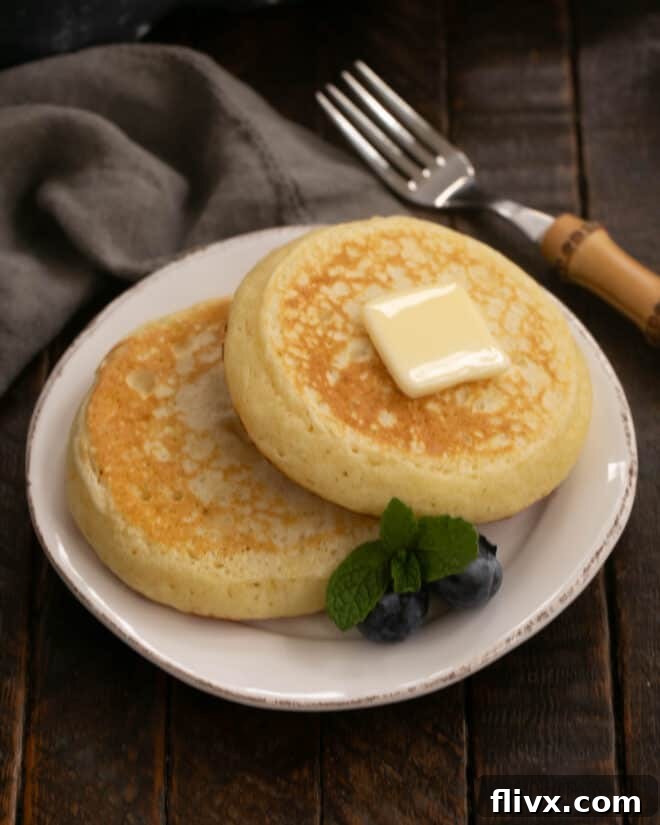
- Serve your classic buttermilk pancakes immediately, topped with extra butter, warm maple syrup, fresh berries, or any of your favorite toppings. For keeping warm, place cooked pancakes on a wire rack in a 200°F (93°C) oven.
Notes
Use butter to lightly grease your pan or griddle for the best flavor and browning. If you notice any burnt bits, quickly wipe out the pan between batches before adding more butter.
Always ensure your baking powder and baking soda are fresh for the best rise. Check the expiration dates on the containers.
This beloved recipe has been adapted from “Winners,” a highly regarded cookbook compiled by the Junior League of Indianapolis.
Nutrition Information (Per Serving):
Yield:
3 servings
Serving Size:
1 large pancake
Approximate Amount Per Serving:
Calories: 327Total Fat: 14gSaturated Fat: 8gTrans Fat: 0gUnsaturated Fat: 5gCholesterol: 96mgSodium: 914mgCarbohydrates: 40gFiber: 1gSugar: 8gProtein: 9g
HOW MUCH DID YOU LOVE THIS RECIPE?
Please leave a comment on the blog or share a photo on Pinterest