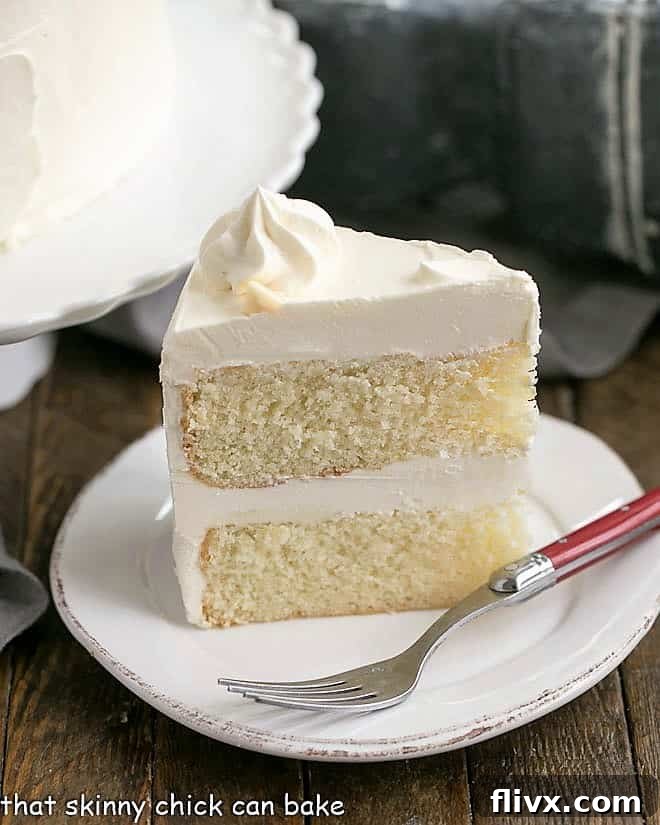
Welcome to the ultimate celebration cake: this incredibly rich and luscious Classic White Layer Cake with White Chocolate Buttercream. It’s the kind of dessert that graces special occasions, promising pure delight with every single forkful. Imagine a cake so irresistibly tender and moist that you find yourself reaching for “just one more sliver” again and again. This isn’t just a cake; it’s an experience, a masterpiece of subtle sweetness and luxurious texture that will impress even the most discerning palates. If you’ve been searching for the perfect white cake recipe, look no further – this is truly impossible to resist, especially when crowned with the silkiest, most exquisite Swiss Meringue Buttercream you’ll ever taste.
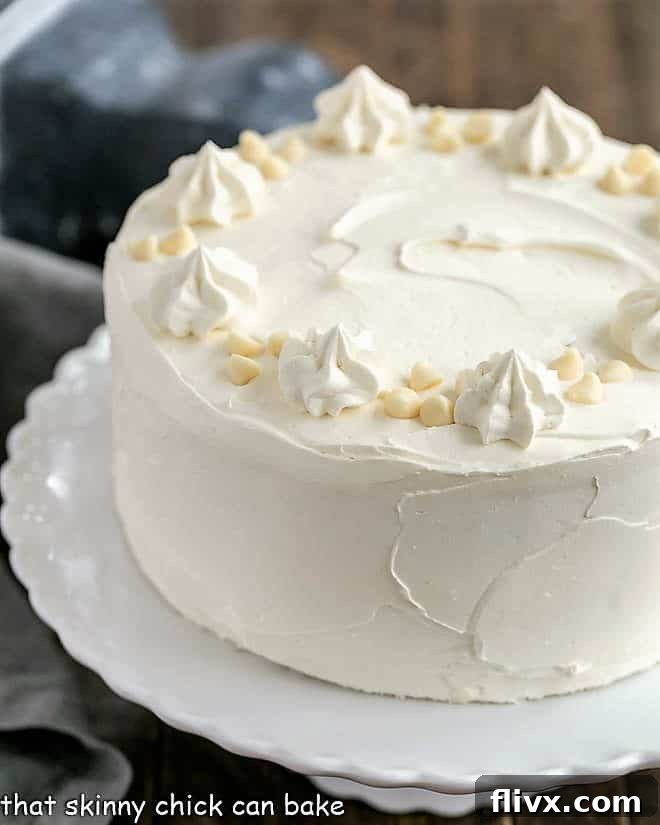
Why This Classic White Layer Cake is a Must-Make
There are countless reasons why this Classic White Layer Cake should be at the top of your baking list, especially for your next big event. It’s more than just a dessert; it’s a showstopper that guarantees satisfaction and sparks joy.
- Unforgettable Swiss Meringue Buttercream: The crown jewel of this cake is undoubtedly the Swiss meringue buttercream. If you’ve never had the pleasure of tasting this type of frosting, prepare to be amazed. Unlike other buttercreams, its incredibly smooth, silky texture and balanced sweetness set it apart. It’s light yet rich, melting delightfully in your mouth, and undeniably worth the slight extra effort for truly special occasions. This sophisticated buttercream elevates the entire cake, making it taste like it came from a high-end patisserie.
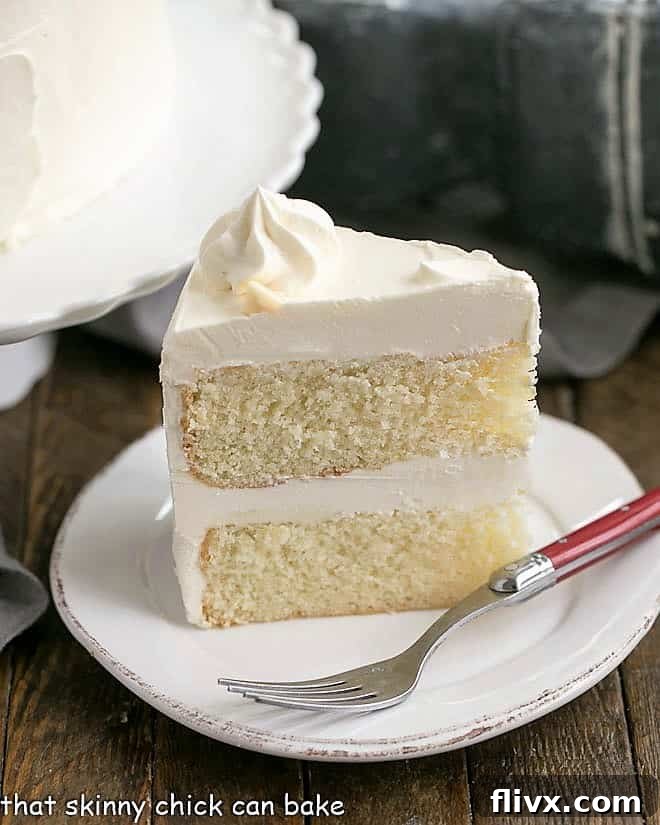
- The Quintessential White Cake: This particular White Cake Recipe has earned its place as a cherished, non-chocolate go-to layer cake. Crafted specifically with only egg whites, it achieves a pristine, snow-white crumb that is both tender and wonderfully moist, living up to its name perfectly. It’s the ideal canvas for any celebration, offering a delicate flavor that pairs harmoniously with the creamy frosting.
- Perfect for Any Celebration: Whether it’s a birthday, anniversary, wedding, or any festive gathering, this cake brings an air of elegance and delight. It’s especially cherished by those rare individuals who might not prefer dark chocolate, offering a refreshing and equally indulgent alternative. Its classic appeal ensures it’s a crowd-pleaser, suitable for all ages and tastes.
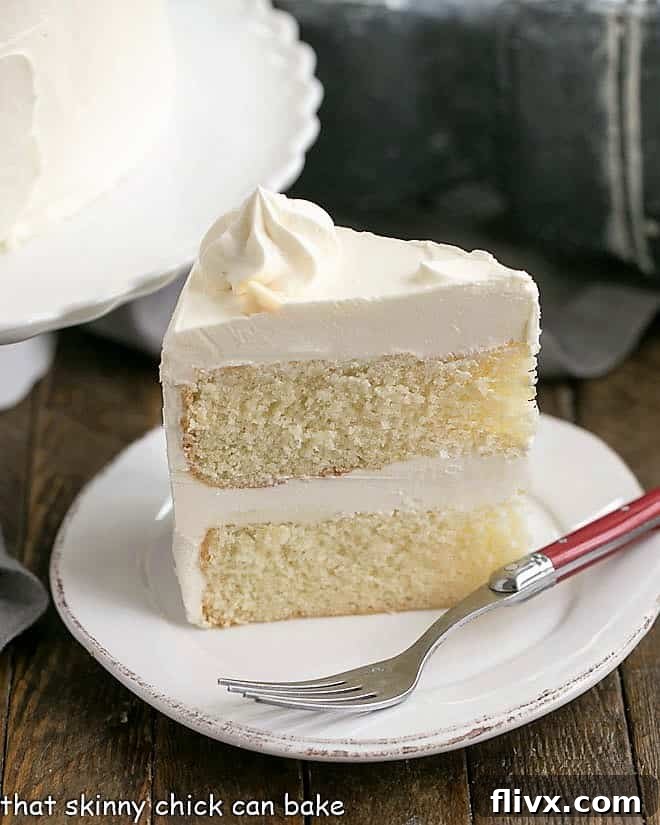
- A Truly Impressive Presentation: With its multiple layers and smooth, pristine frosting, this cake offers a visually stunning presentation. It’s a true centerpiece that speaks volumes of your care and skill, making any event feel more luxurious and memorable.
- Deeply Satisfying, Bite After Bite: As mentioned, this is the kind of dessert that challenges self-control. You might initially aim for a modest sliver, only to find yourself irresistibly drawn back for more, captivated by its delightful balance of textures and flavors. Baked in two 8-inch layer cake pans, it’s designed to be enjoyed and, quite possibly, polished off quickly amidst happy company!
Essential Ingredient Notes for Perfection
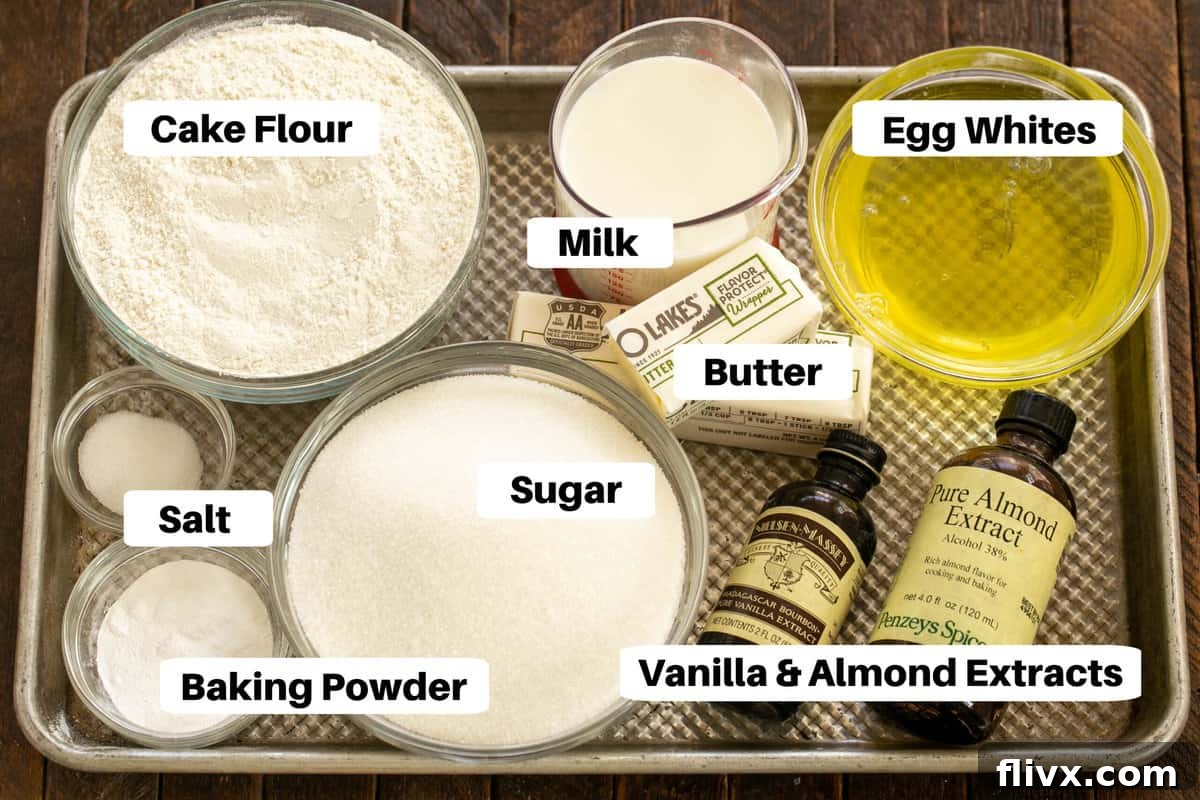
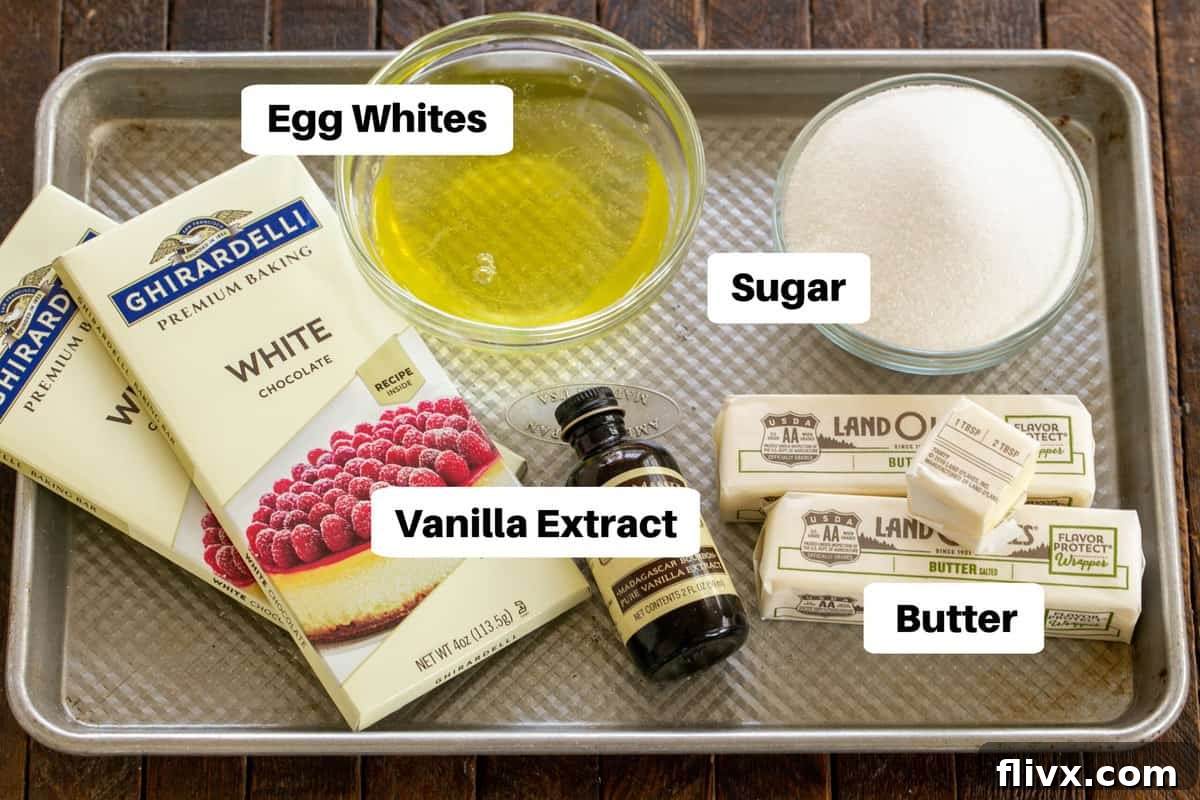
Crafting this exquisite cake and its sublime buttercream starts with understanding your ingredients. Quality and proper preparation are key to achieving that perfect tender crumb and silky frosting.
- Kitchen Staples – Sugar: Granulated sugar is used in both the cake and the buttercream. Ensure you measure it accurately. In the buttercream, it’s crucial for stabilizing the egg whites and creating a glossy meringue.
- Salt: For baking, I highly recommend using fine table salt. Its finer grain ensures it disperses more evenly throughout the batter, providing a consistent balance of flavor without any salty pockets, unlike coarser kosher salt which can sometimes create uneven distribution.
- Cake Flour: This is a non-negotiable for a truly tender, soft white cake. Cake flour has a lower protein content than all-purpose flour, which means less gluten development. Less gluten results in a softer, more delicate crumb. If you’re caught in a pinch and don’t have any, refer to our expert tips below for a simple homemade substitute.
- Milk: Always bring your milk to room temperature before incorporating it into the cake batter. Room temperature liquids emulsify better with fats, leading to a smoother, more uniform batter and a finer-textured cake.
- Egg Whites: Like milk, egg whites should be at room temperature for the cake batter to ensure optimal blending. For the Swiss meringue buttercream, while they are warmed over a double boiler, separating them when cold is easiest as the yolks are less prone to breaking. Avoid getting even a tiny speck of yolk into the whites, as fat will prevent them from whipping up properly.
- Almond Extract: This extract adds a delicate, subtle flavor that complements the white cake beautifully, enhancing its classic profile. It’s a secret weapon for many professional bakers.
- Vanilla Extract: Always opt for real vanilla extract, not artificially flavored versions. The pure, rich flavor of real vanilla makes a significant difference in both the cake and the buttercream, contributing depth and warmth.
- Baking Powder: This leavening agent is critical for the cake’s rise and tender texture. It’s not interchangeable with baking soda. Crucially, baking powder has an expiration date, and old powder will result in a flat, dense cake. To test its freshness, simply place a spoonful in a bowl of very hot water; if it bubbles vigorously, it’s fresh and ready to use.
- Unsalted Butter: For the cake, your butter should be at room temperature but still cool – meaning pliable but not melted or greasy. For the buttercream, room temperature butter is essential for achieving that luxurious, smooth consistency. Using unsalted butter allows you to control the total salt content in your recipe.
- White Chocolate: High-quality white chocolate is key for the buttercream. I personally love using Ghirardelli bars, finely chopped. Quality chocolate will melt smoothly and impart a superior flavor to your frosting, making it truly exceptional.
Crafting the Perfect White Layer Cake: A Step-by-Step Guide
Achieving a wonderfully moist and tender white layer cake is simpler than you might think, especially with these detailed steps. Precision and patience are your best friends in the kitchen.
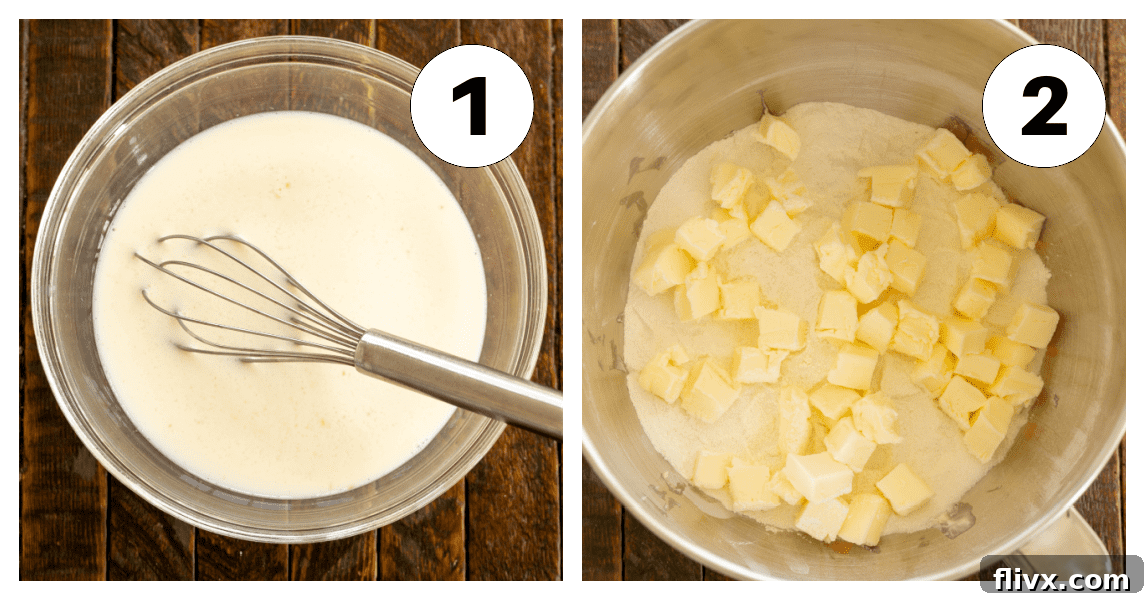
- Prepare the Liquid Mixture: In a medium bowl, thoroughly whisk together the room temperature milk, egg whites, almond extract, and vanilla extract until well combined. This ensures the liquids are uniformly mixed before being introduced to the dry ingredients, preventing overmixing later. Set this fragrant mixture aside.
- Combine Dry Ingredients and Butter: In the bowl of your stand mixer, whisk together the cake flour, sugar, baking powder, and salt on slow speed. This distributes the leavening and salt evenly. Next, add the room temperature (but still cool) butter, cut into small pieces. Beat on low speed for a couple more minutes until the mixture resembles coarse crumbs, and the butter is well integrated into the dry ingredients. This “reverse creaming” method helps create a super tender crumb by coating the flour particles in fat, inhibiting gluten development.
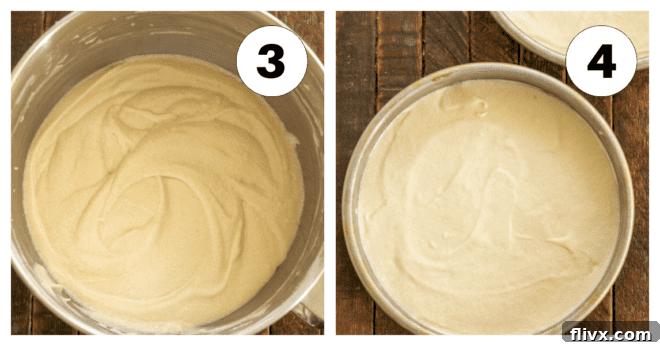
- Incorporate Liquid Gradually: With the mixer on medium speed, gradually add half of the milk mixture to the flour and butter mixture. Beat for two full minutes, allowing it to fully incorporate and develop a light, fluffy texture. Then, scrape down the sides of the bowl to ensure everything is mixed, add the remaining milk mixture, and beat for another minute until the batter is smooth and homogenous. This gradual addition helps maintain the batter’s emulsion and prevents it from becoming too wet too quickly.
- Bake and Cool: Divide the prepared batter evenly between two greased and floured 8-inch cake pans (or pans lined with parchment paper for easy release). Bake as directed in your recipe until a wooden skewer or toothpick inserted into the center of the cakes comes out clean. This indicates they are fully baked. Once out of the oven, allow the cakes to cool in their pans for about 10-15 minutes before inverting them onto a wire rack to cool completely. Cooling completely is crucial before frosting to prevent the buttercream from melting.
Mastering the White Chocolate Swiss Meringue Buttercream
This luxurious White Chocolate Swiss Meringue Buttercream is the crowning glory of our classic white cake. Its velvety smooth texture and delicate sweetness make it truly unparalleled. Don’t be intimidated by the name; with a few careful steps, you’ll achieve professional-level frosting at home.
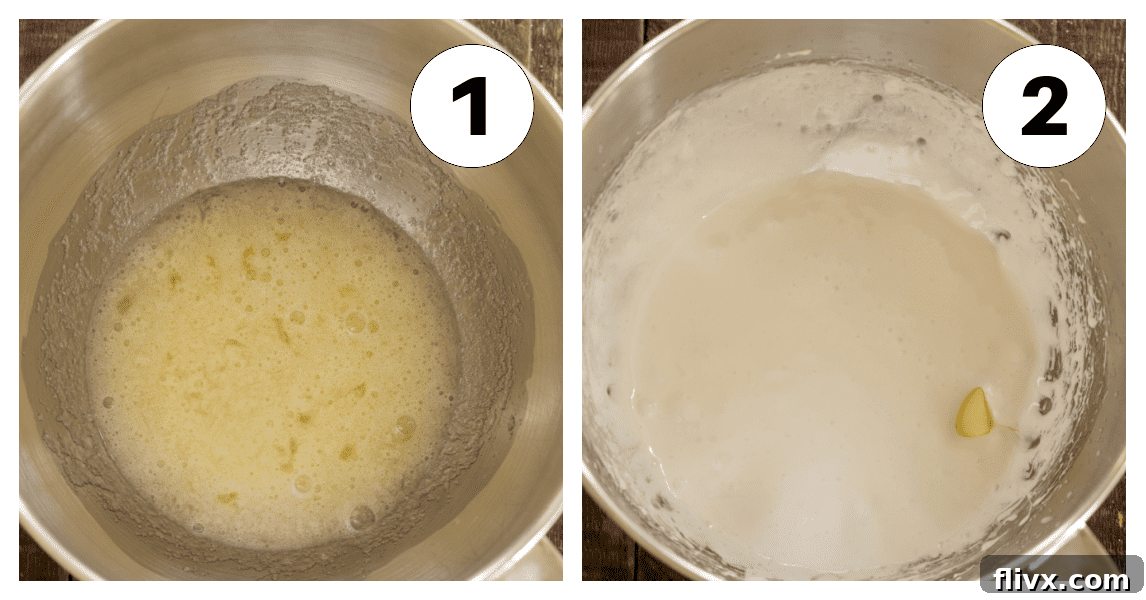
- Prepare the Meringue Base: In the heatproof bowl of a stand mixer, combine the egg whites and granulated sugar. Place this bowl over a pot of simmering water (creating a double boiler effect), ensuring the bottom of the bowl does not touch the water. Whisk continuously by hand until the sugar is completely dissolved and the mixture is hot to the touch (around 160°F or 71°C). This pasteurization step makes the meringue safe to eat and ensures a stable, glossy result.
- Whip the Meringue: Carefully remove the bowl from the heat and attach it to your stand mixer fitted with the whisk attachment. Begin whipping on high speed. Continue to whip until the mixture is thick, glossy, and has cooled completely to room temperature. This can take about 5-10 minutes, depending on your mixer and kitchen temperature. The meringue should hold stiff, shiny peaks.
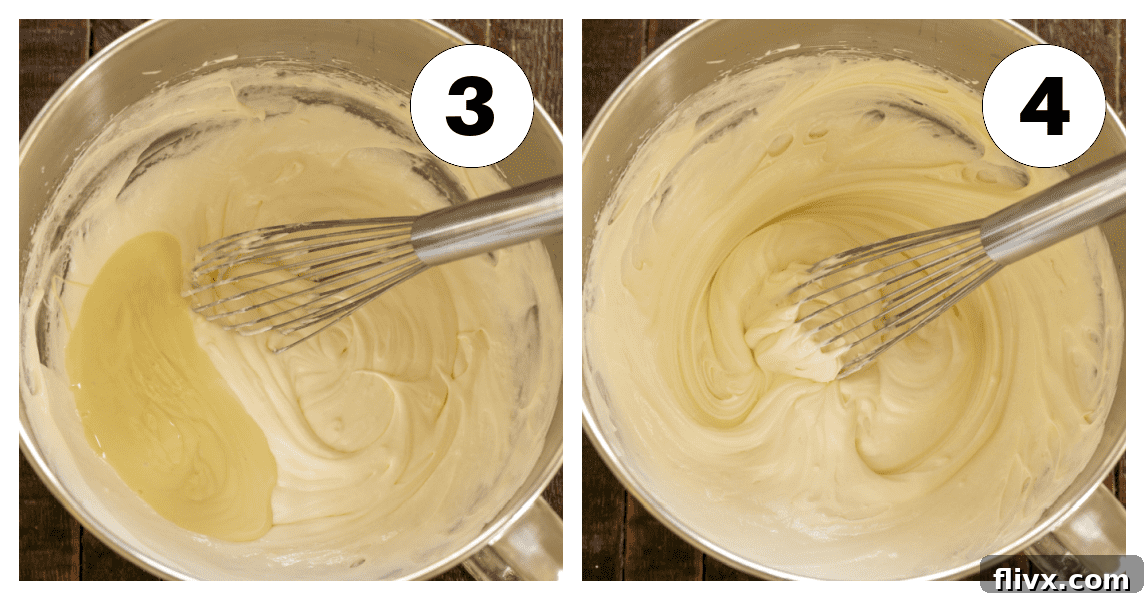
- Incorporate the Butter: Reduce the mixer speed to medium. Begin adding the room temperature butter, one tablespoon at a time. It’s crucial to wait until each tablespoon is fully incorporated before adding the next. The mixture might look curdled or soupy initially – don’t panic! This is normal. Keep beating; it will eventually come together into a smooth, creamy buttercream. Patience is key during this stage.
- Add Flavoring and Finish: Once the buttercream is smooth, add the cooled melted white chocolate and vanilla extract. Mix on low speed until everything is thoroughly combined and the frosting is smooth and silky. If the frosting seems too soft or runny for spreading, pop it into the refrigerator for 10-15 minutes, then re-whip it briefly until it reaches the desired consistency. It should be perfectly pipeable and spreadable for icing your beautiful cake.
Expert Tips for a Flawless White Chocolate Swiss Meringue Buttercream
The white chocolate Swiss meringue buttercream truly is a revelation – a luxurious, silky-smooth frosting with an unparalleled mouthfeel. Made with carefully warmed egg whites, whipped to perfection with sugar, and then enriched with soft butter and melted white chocolate, this buttercream is absolutely to die for. Here are some pro tips to ensure your buttercream is nothing short of perfect:
- Egg White Temperature for Meringue: Unlike many meringue recipes that require room temperature egg whites for whipping, for Swiss meringue, the egg whites do not need to be at room temperature initially because they will be gently warmed over a double boiler. However, a helpful tip is to separate your eggs when they are cold, as the yolks are firmer and less likely to break, making separation much easier.
- Preventing Buttercream Failure: This is crucial: avoid getting even the tiniest speck of egg yolk into your whites, as any fat will prevent them from whipping up properly into a stable meringue. Furthermore, ensure your mixing bowl and beater are completely grease-free. If your equipment was washed in a dishwasher, it’s usually fine, but if you’ve hand-washed, consider wiping all implements down with a little white vinegar to eliminate any unseen residue.
- Double Boiler Simplified: You don’t need a fancy, official double boiler. A simple setup works perfectly: use a large saucepan, fill it with about an inch or two of water, and bring it to a gentle simmer. Place your mixer bowl on top, ensuring the bottom of the bowl does not touch the simmering water. The steam will gently heat your egg white and sugar mixture.
- Butter Consistency is Key: When it’s time to add the butter to your whipped meringue, make sure it’s at true room temperature. It should be soft enough to indent easily with your finger but not melted or greasy. You’ll be adding it one tablespoon at a time, and it’s essential that each piece is fully incorporated before you add the next. This patience will be rewarded with a smooth, emulsified buttercream.
- Storage and Serving: Due to the egg whites in the buttercream, this cake absolutely needs to be stored in the refrigerator. Wrap it loosely or place it in an airtight cake carrier to prevent it from drying out or absorbing refrigerator odors.
- PRO-Tip for Serving: For the best flavor and texture, always bring the cake to room temperature before serving. Allow it to sit out on the counter for at least 1-2 hours (depending on kitchen temperature) before slicing. This allows the butter and cake crumb to soften beautifully, enhancing the eating experience.
- Adjusting Frosting Quantity: When I recently remade this cake, I found that making ⅔ of the frosting recipe yields more than enough for this two-layer cake. The precise adjusted amounts for a smaller batch are helpfully listed in the notes section of the recipe card below, allowing you to minimize waste.
Expert Tips for the Tender White Cake
Achieving a tender crumb and a moist, classic white layer cake requires a few crucial techniques. As always, a thorough read-through of the entire recipe before you begin, coupled with precise measurement, will set you up for success. These tips focus on maximizing moisture and tenderness in your cake layers.
- Using Egg Whites for a True White Cake: The absence of egg yolks is what keeps this cake from taking on a yellow hue, ensuring it remains a true white cake. Don’t let those leftover yolks go to waste! They’re perfect for enriching other delightful desserts like creamy pudding or classic creme brulee.
- The Magic of Cake Flour: Cake flour is your best friend for a delicate, soft cake. It contains less protein compared to all-purpose flour, which translates to less gluten development during mixing. The less gluten that forms, the more tender and airy your cake’s crumb will be.
- PRO-Tip: Homemade Cake Flour Substitute: If you find yourself in a pinch and don’t have cake flour on hand, you can easily create a substitute using common kitchen staples. For every cup of cake flour required, measure out a cup of all-purpose flour. Then, remove two tablespoons of the all-purpose flour and replace them with two tablespoons of cornstarch. Sift this mixture together thoroughly. The cornstarch helps to further lower the overall gluten content per cup, mimicking the properties of commercial cake flour.
- Mindful Mixing: During the mixing process, frequently scrape down the bottom and sides of your mixing bowl. This ensures all ingredients are uniformly incorporated and minimizes the amount of time you need to spend beating the batter. Over-beating can over-develop the gluten, resulting in a tougher cake. Scrape, mix briefly, then scrape again for the smoothest batter.
- PRO-Tip: Even Cake Layers: To achieve beautifully uniform layers, which look most professional and appealing when sliced, I highly recommend using a kitchen scale to divide your batter evenly between the two cake pans. If you don’t have a scale, you can eyeball it fairly accurately or use a few toothpicks inserted into the batter in each pan to measure depth, adding or subtracting batter until the levels are approximately the same.
- Preventing Dryness: The key to a moist cake is to avoid overbaking. Always try to bake this white layer cake just until a toothpick or wooden skewer inserted into the center comes out clean or with a few moist crumbs attached, but no wet batter. All ovens vary, so the baking times provided are general guidelines; rely on the toothpick test for accuracy. Removing the cake promptly once it’s done will ensure a perfectly tender and moist result.
Frequently Asked Questions About Classic White Layer Cake & Buttercream
Have questions about perfecting your white layer cake or mastering Swiss meringue buttercream? Here are some of the most common inquiries to guide you.
There’s a wonderful world of buttercream frostings, each with its own unique characteristics. At least seven primary types exist, including American, French, Italian, Swiss, and German buttercream. American buttercream is perhaps the most common, made simply with powdered sugar, butter, and often milk or cream, resulting in a very sweet and dense frosting. Swiss meringue buttercream, featured in this recipe, is favored by professional bakers for its incredibly smooth, silky texture, rich butter flavor, and balanced sweetness – it’s far less sugary than American buttercream. Italian meringue buttercream is similar to Swiss but uses hot sugar syrup to cook the egg whites, resulting in a very stable, light frosting. French buttercream incorporates egg yolks for a richer, custard-like consistency, while German buttercream (also known as Custard Buttercream or Mousseline Buttercream) uses a pastry cream base blended with butter. Each type offers a distinct taste and texture profile, making them suitable for different applications.
Achieving perfectly even cake layers is key for a professional-looking finish. The most accurate method is to weigh your cake pans as you fill them, ensuring each pan contains precisely the same amount of batter. A kitchen food scale is invaluable for this. If you don’t have a scale, don’t worry! You can still achieve good results by using a visual method. After dividing the batter, insert a few toothpicks into the batter in each pan to measure its depth. Then, add or subtract batter from one pan to another until the batter lines on the toothpicks are approximately the same height. Another tip is to gently tap the filled pans on the counter a few times to release any large air bubbles and help the batter settle evenly.
To achieve a smooth, professional finish on your frosted cake, a few essential tools will make a world of difference. An offset spatula (or two – one small, one large) is indispensable for spreading and smoothing frosting evenly across the top and sides of the cake. A bench scraper or cake scraper is also incredibly useful for achieving perfectly smooth, straight sides. For a clean presentation, I often tuck strips of parchment paper around the perimeter of the cake stand or serving plate before frosting. This acts as a barrier, catching any drips and preventing frosting from getting onto your display surface. Once frosting is complete, simply pull the parchment strips away, revealing a pristine edge underneath your beautifully decorated cake.
You May Also Love These Classic Cake Recipes
If you’re a fan of baking and enjoy creating delightful desserts, explore some of my other favorite cake recipes. There’s something for every palate!
- Chocolate Fudge Layer Cake is a true labor of love, but absolutely worth every bit of effort for its intensely rich flavor.
- Triple Layer Cocoa Cake offers deep chocolate flavor with less fuss, making it one of my consistently favorite chocolate cakes.
- Lemon Layer Cake is a vibrant and zesty option that will undoubtedly please all the citrus lovers in your life.
- Classic Carrot Cake remains my personal first choice for its comforting spices and moist texture.
- Tres Leches Cake Recipe is an authentic and utterly delicious milk-soaked cake that is a must-try.
- Don’t forget to check my comprehensive recipe index for even more of the Best Cake Recipes.
Stay in touch and share your baking adventures with me through social media @ Instagram, Facebook, and Pinterest. Don’t forget to tag me when you try one of my delicious recipes! And if you absolutely love the results and are delighted with your creation, please consider giving it a 5-star rating in the recipe card below. Your feedback and support mean the world!
Classic White Layer Cake with White Chocolate Buttercream
45 minutes
30 minutes
1 hour 15 minutes
12 servings
A tender white layer cake iced with an exquisite Swiss meringue buttercream!
Ingredients
For the Classic White Cake:
- 2¼ cups cake flour
- 1 cup milk, at room temperature
- 6 large egg whites, at room temperature
- 2 teaspoons almond extract
- 1 teaspoon pure vanilla extract
- 1¾ cups granulated sugar
- 4 teaspoons baking powder
- ¾ teaspoon fine table salt
- 1½ sticks (12 tablespoons) unsalted butter, at room temperature but still cool and firm
For the White Chocolate Swiss Meringue Buttercream:
- 9 ounces high-quality white chocolate, finely chopped
- 6 large egg whites
- 1½ cups plus 3 tablespoons granulated sugar
- 1½ cups plus 3 tablespoons (3 sticks + 3 tablespoons) unsalted butter, at room temperature
- 2 teaspoons pure vanilla extract
Instructions
- Preheat your oven to 350°F (175°C). Prepare two 8-inch round cake pans by generously spraying them with a baking spray (like Baker’s Joy) and lining the bottoms with parchment paper circles. This ensures easy release of the cake layers.
- Ensure that your milk and egg whites are at room temperature. This is vital for proper emulsion and a tender cake crumb.
- In a medium bowl, combine the room temperature milk, egg whites, almond extract, and vanilla extract. Whisk gently until thoroughly combined, then set aside.
- In the bowl of an electric stand mixer fitted with the paddle attachment, mix the cake flour, granulated sugar, baking powder, and salt on slow speed for about 30 seconds to combine. Add the butter, cut into small pieces, and beat on low speed for 2-3 minutes until the mixture resembles coarse, sandy crumbs.
- Gradually add half of the milk mixture to the flour mixture. Increase the mixer speed to medium and beat for exactly 2 minutes, scraping down the sides of the bowl as needed. Add the remaining milk mixture and beat for another 1 minute until the batter is smooth and well emulsified. Avoid overmixing.
- Divide the cake batter evenly between the two prepared 8-inch cake pans. Use a kitchen scale for precision if desired, or eyeball it carefully.
- Bake for 27 to 30 minutes, or until a wooden skewer or toothpick inserted into the center of the cakes comes out clean. Be careful not to overbake, as this can lead to a dry cake.
- Allow the baked cake layers to cool in their pans on a wire rack for 10-15 minutes before inverting them onto the wire rack to cool completely to room temperature. Frosting a warm cake will cause the buttercream to melt.
- While the cake cools, prepare the white chocolate for the buttercream. Melt the chopped white chocolate in a microwave-safe bowl using 15-30 second intervals, stirring well after each, until smooth and fully melted. Set aside to cool completely to room temperature.
- To make the Swiss Meringue Buttercream, combine the 6 egg whites and 1½ cups plus 3 tablespoons of sugar in the heatproof bowl of a stand mixer. Place this bowl over a pot of simmering water (a double boiler), ensuring the bottom of the bowl does not touch the water.
- Whisk the egg white and sugar mixture continuously by hand for 1-2 minutes until it feels hot to the touch and the sugar crystals have completely dissolved. You can test this by rubbing a small amount between your fingers; it should feel smooth, not grainy.
- Remove the bowl from the heat and attach it to your stand mixer fitted with the whisk attachment. Whip on high speed for about 5-8 minutes, or until the meringue is very thick, glossy, and has cooled completely to room temperature. The bowl should no longer feel warm.
- Switch to the paddle attachment and reduce the mixer speed to medium-low. Begin adding the room temperature butter (1½ cups plus 3 tablespoons), one tablespoon at a time, ensuring each addition is fully incorporated before adding the next. The mixture may appear soupy or curdled at first; this is normal. Continue beating; it will come together and become smooth and creamy.
- Once the buttercream is smooth, add the cooled melted white chocolate and the 2 teaspoons of vanilla extract. Mix on low speed until fully combined and the frosting is smooth and velvety. If the icing is too soft, refrigerate it briefly for 10-15 minutes, then re-whip until it reaches a spreadable consistency.
- Once the cake layers are completely cooled to room temperature, frost the cake with your luxurious White Chocolate Swiss Meringue Buttercream. Stack the layers, fill between them, and then cover the entire cake.
Notes
Cake recipe adapted from Cook’s Illustrated, and the delightful frosting adapted from Ghirardelli.
You will likely have some leftover buttercream if you make the full recipe. If you prefer to make a slightly smaller batch that is still ample for this cake, you can adjust the quantities for ⅔ of a batch: use 6 ounces of white chocolate, 4 large egg whites, 1 cup plus 2 tablespoons of granulated sugar, 1 cup plus 2 tablespoons (2 sticks + 2 tablespoons) unsalted butter, and 1½ teaspoons pure vanilla extract.
Recommended Baking Products
As an Amazon Associate and member of other affiliate programs, I earn from qualifying purchases.
- KitchenAid KSM150PSER Artisan Tilt-Head Stand Mixer with Pouring Shield, 5-Quart, Empire Red
- OXO Good Grips 11-Inch Better Balloon Whisk
- 8-inch Cake Pan
Nutrition Information:
Yield:
12
Serving Size:
1 slice
Amount Per Serving:
Calories: 520Total Fat: 24gSaturated Fat: 14gTrans Fat: 1gUnsaturated Fat: 8gCholesterol: 137mgSodium: 502mgCarbohydrates: 67gFiber: 0gSugar: 45gProtein: 9g
HOW MUCH DID YOU LOVE THIS RECIPE?
Please leave a comment on the blog or share a photo on Pinterest