
Classic Gazpacho: The Ultimate Refreshing Summer Soup
Escape the summer heat with a bowl of authentic Classic Gazpacho. Hailing from the sun-drenched region of Andalusia, Spain, this vibrant cold tomato soup is a culinary marvel. It’s a celebration of fresh, ripe produce, blended to perfection and served chilled for an unparalleled refreshing experience. More than just a soup, it’s a taste of Spanish tradition that will instantly transport you to the Mediterranean.
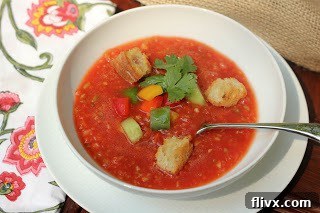
My journey with this exquisite Spanish Gazpacho recipe began in the 1970s, thanks to my mom. It quickly became a cherished summer staple in our family, eagerly anticipated as soon as garden tomatoes ripened. The simple act of topping it with crisp cucumbers, sweet bell peppers, and golden, buttery homemade croutons transformed it from a mere dish into a truly memorable meal. It’s a testament to how simple, fresh ingredients can create something extraordinary.

Why This Classic Gazpacho Will Be Your New Summer Favorite
There are countless reasons why this Andalusian Gazpacho deserves a permanent spot in your summer recipe repertoire. It’s not just a meal; it’s an experience. Here’s why you’ll fall in love with it:
- A Taste of Childhood Nostalgia: My first encounter with gazpacho was as a curious 10-year-old in a charming Swiss restaurant in Aspen, Colorado. The unexpected delight of this cold, savory soup left an indelible impression. If it captivated a young palate back then, imagine how much you’ll adore its sophisticated simplicity today!
- Nutrition in a Bowl: Often referred to as a “liquid salad,” gazpacho is brimming with fresh, wholesome vegetables. Each spoonful delivers a concentrated dose of vitamins, minerals, and fiber, making it an incredibly healthy choice. And let’s not forget the irresistible crunch of homemade croutons, adding a delightful texture and richness.
- The Ultimate Cool-Down: On those sweltering summer days when cooking feels like a chore and heavy meals are unappealing, gazpacho is your culinary savior. Its chilled temperature and refreshing flavors provide instant relief, invigorating your senses and cooling you from the inside out.
- Effortlessly Elegant: Despite its simple preparation, gazpacho has an elegant appeal. It’s perfect for casual family lunches, sophisticated dinner parties, or as a vibrant appetizer. Its bright colors and fresh taste make it a crowd-pleaser for any occasion.
- Highly Adaptable: While this recipe honors the classic tradition, gazpacho is incredibly versatile. You can adjust the spice level, vary the type of vinegar, or even experiment with different garnishes to suit your personal preferences. It’s a recipe that encourages creativity while delivering consistent deliciousness.
A Journey Through History: The Origins of Authentic Gazpacho
To truly appreciate gazpacho, it’s worth delving into its rich history. This beloved soup has roots that stretch back centuries, far predating the introduction of tomatoes to Europe. The earliest versions of gazpacho were humble peasant dishes, typically made by crushing stale bread, garlic, olive oil, and vinegar with water in a mortar. It was a vital source of hydration and sustenance for laborers working in the scorching fields of Andalusia.
The arrival of tomatoes from the New World in the 16th century gradually transformed gazpacho into the vibrant, red soup we recognize today. However, it wasn’t until the 19th century that tomatoes became a truly integral part of the recipe, solidifying its status as a quintessential Spanish dish. The evolution of gazpacho reflects a beautiful blend of practicality, available ingredients, and culinary innovation, culminating in a soup that perfectly embodies the spirit of its region: fresh, resilient, and full of life. It’s a dish that tells a story of survival and celebration, enduring through time to become a global culinary icon.
My Personal Gazpacho Story: A Family Tradition
My connection to gazpacho is deeply intertwined with cherished family memories. Every summer, my dad would spend a couple of weeks at the Physics Institute in Aspen, Colorado. When he wasn’t scaling mountains, our family explored the quaint, Victorian ski town, long before it became the chic destination it is today. Our days were filled with invigorating hikes or relaxing outside the music tent, listening to daily practices. If we were particularly lucky, my mom would treat us to lunch at one of the local eateries.
It was during one of these special lunches, perhaps at a charming spot called Guido’s, that my sisters and I had our first taste of this exotic Spanish soup. In our Midwest college hometown, such dishes were rare, and we were always on our best behavior, eager to experience new flavors. The instant “ooohs” and “aaahs” around the table confirmed that we had stumbled upon something truly magical. That initial taste of gazpacho, in an unexpected mountain setting, sparked a lifelong love affair with this refreshing soup.
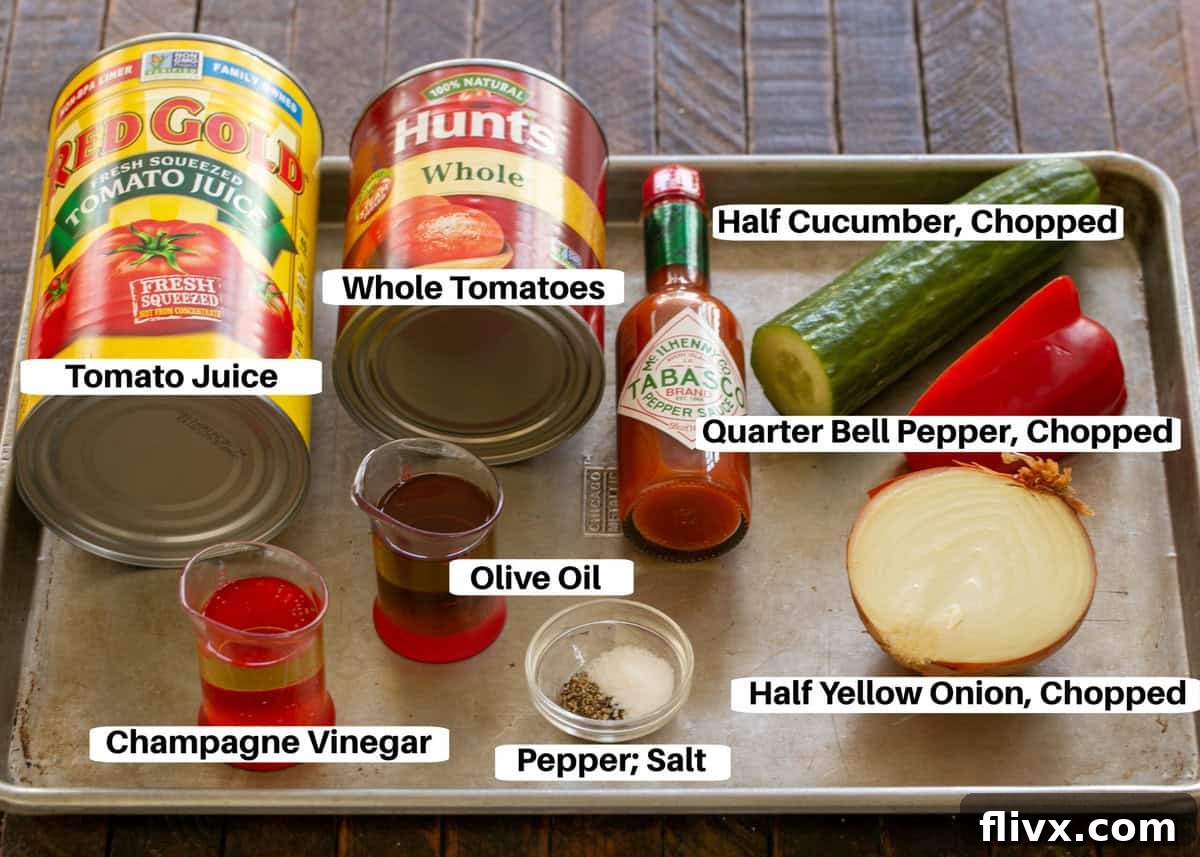
Key Ingredients for an Authentic Spanish Gazpacho
The beauty of traditional gazpacho lies in the simplicity and quality of its ingredients. Each component plays a vital role in creating the soup’s distinctive fresh and vibrant flavor profile. Here’s a closer look at what you’ll need:
- Ripe Tomatoes: The heart and soul of gazpacho. Vine-ripe garden tomatoes burst with natural sweetness and acidity. If fresh aren’t available, high-quality canned whole peeled tomatoes make an excellent substitute, offering deep flavor. Removing skins and seeds from fresh tomatoes can improve texture, but it’s optional if your blender is powerful.
- Green Bell Pepper: While red bell peppers offer sweetness, the traditional green pepper provides a sharper, more piquant flavor that is characteristic of classic gazpacho. It adds a crucial layer of herbaceousness.
- Onion: A small amount of white or red onion introduces a pungent, aromatic note that balances the sweetness of the tomatoes and adds depth to the overall flavor.
- Cucumber: For that essential refreshing crispness. I prefer English cucumbers as their thin skin means no peeling is necessary, and they have fewer seeds, resulting in a smoother soup.
- Vinegar: Red wine vinegar is traditional, but sherry vinegar offers an exquisite, nutty complexity that elevates the gazpacho. Champagne vinegar is also a delightful option, providing a subtle tang. The vinegar brightens all the flavors.
- Olive Oil: A generous pour of good quality extra virgin olive oil is indispensable. It emulsifies with the other liquids, contributing a silky richness and a luxurious mouthfeel that makes the soup truly satisfying.
- Bread: Traditionally, a small amount of stale bread is blended into gazpacho to thicken it and give it body. However, I often omit it in the blend, preferring to serve my bread as crunchy, buttery croutons on top. This offers a wonderful textural contrast.
- Water or Tomato Juice: Used to adjust the consistency of the gazpacho to your liking. While debated in traditional recipes, I highly recommend using tomato juice to thin the soup, as it prevents diluting the robust flavors of the fresh vegetables. Water can be used if you prefer a lighter base.
- Tabasco (Optional, but Recommended): For a subtle kick that awakens the palate. A dash or two adds a gentle warmth without overpowering the fresh ingredients. Adjust to your taste, or omit if you prefer no heat.
- Salt and Freshly Ground Black Pepper: Essential seasonings to enhance and harmonize all the flavors. Always taste and adjust as needed.
Step-by-Step Guide: Crafting Your Perfect Gazpacho
Making homemade gazpacho is surprisingly simple and incredibly rewarding. The process primarily involves blending fresh ingredients and allowing the flavors to meld beautifully in the chill. Here’s how to bring this refreshing Spanish masterpiece to life:
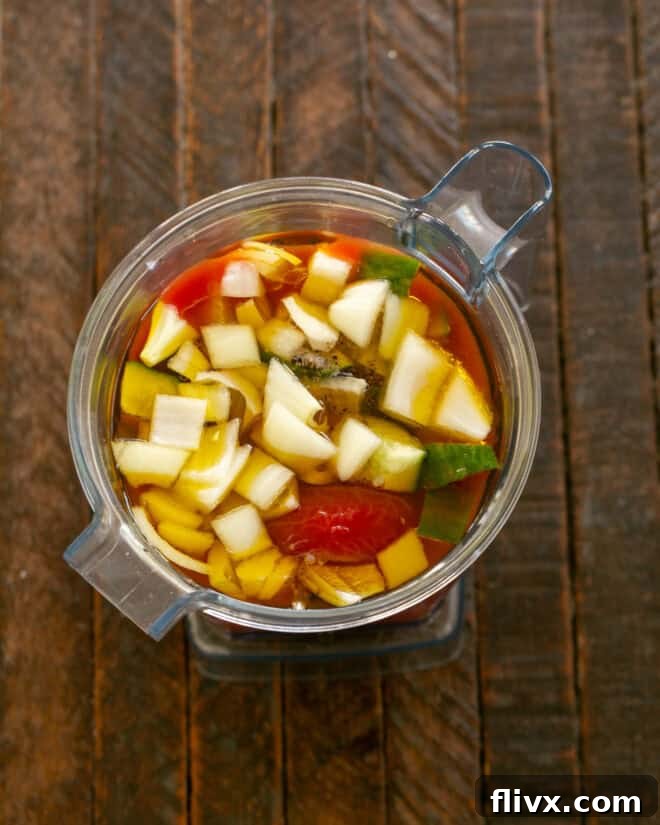
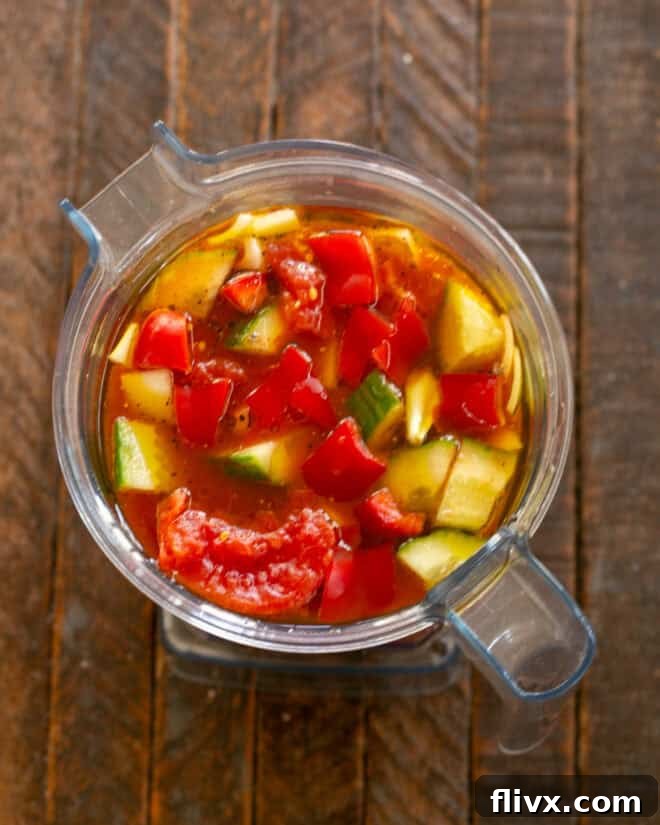
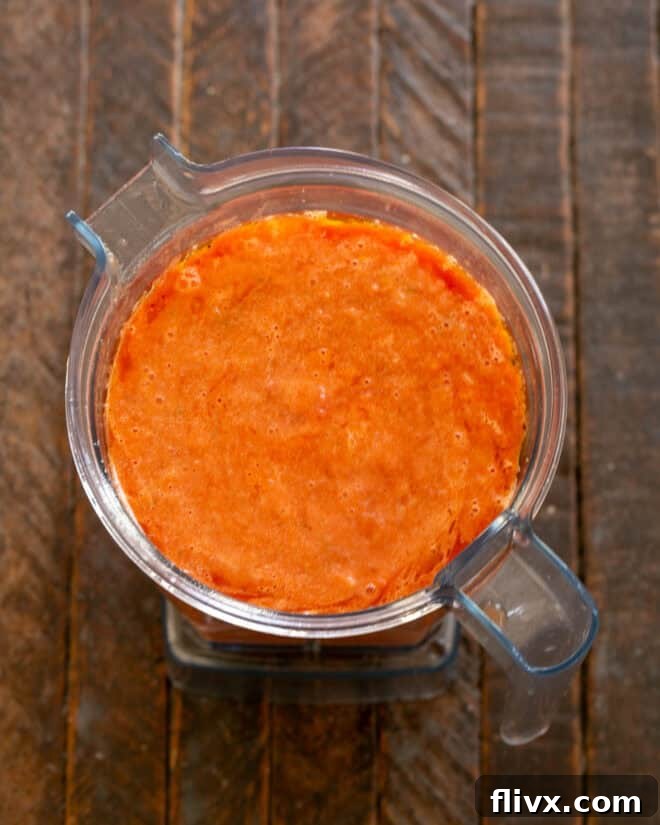

As you can see, classic gazpacho truly lives up to its nickname: “a liquid salad”! Bursting with flavors and nutrients from fresh vegetables, it’s the quintessential mid-summer lunch or a delightful, refreshing accompaniment to any meal, from grilled steak to a hearty sandwich. For those looking to explore beyond tradition, consider my Wazpacho for a creative twist. This vibrant Mango Gazpacho offers a wonderfully fruity alternative, while a stunning Beet Gazpacho brings an earthy sweetness and striking color to your table.

This easy gazpacho recipe is so straightforward, you’ll want to make it a regular feature in your warm-weather cooking rotation. The beauty is in its simplicity: a quick blend, followed by a period of chilling to allow the flavors to deepen and harmonize. Here’s a detailed breakdown of the process:
- Prepare Your Garnishes: Finely dice fresh cucumbers, bell peppers (red, green, or a mix for color), and/or onions. These fresh, crunchy toppings add wonderful texture and visual appeal to your finished soup.
- Craft Homemade Croutons: Cut slices of day-old bread (baguette or sourdough works beautifully) into small cubes. Sauté these bread cubes in a pan with a generous amount of salted butter until they are golden brown and crisp on all sides. For an extra touch, sprinkle with a pinch of salt while still warm. These buttery croutons are a game-changer!
- Blend the Gazpacho: Combine all the main soup ingredients (tomatoes, bell pepper, onion, cucumber, vinegar, olive oil, optional Tabasco, salt, and pepper) into a high-speed blender or food processor. Blend until the mixture is completely smooth and creamy. If you prefer a slightly chunkier texture, blend for a shorter period, leaving some small pieces.
- PRO-Tip for Flavor Development: The chilling process is paramount for gazpacho. Once blended, transfer the soup to a container and refrigerate it. Allow it to chill thoroughly for at least a few hours, but ideally overnight. This extended chilling time enables all the vibrant flavors to meld and develop into a more cohesive, delicious whole. Stir well again before serving.
- Serve with Style: Ladle the chilled gazpacho into bowls. Generously top each serving with your prepared diced vegetables and those irresistible homemade croutons. A drizzle of extra virgin olive oil and a sprig of fresh basil or parsley can add a final flourish.
- PRO-Tip for Entertaining: For a sophisticated appetizer, make a half batch (or even smaller) and serve it as “shooters.” Pour the gazpacho into small glasses for a few refreshing sips, often called an “amuse-bouche” in French, meaning “to amuse the mouth.” These mini servings are perfect for hot summer evenings and are sure to impress your guests! Don’t forget to garnish even these small portions for visual appeal.
Reflecting on my mom’s original recipe, it was the slightly salty, buttery croutons—cubes of baguette sautéed in butter—that captivated my young palate. Today, while I still adore those crunchy gems, it’s the harmonious blend of the vibrant veggie garnish with the subtly spicy, rich tomato puree that I find truly blissful. I’ve updated my mom’s classic recipe with a touch of hot sauce for an extra kick and sometimes swap the traditional red wine vinegar for champagne vinegar, simply because I might have a higher-quality bottle in my pantry. Sherry vinegar is another superb option that adds wonderful depth. I sincerely hope this traditional gazpacho recipe becomes a cherished new summer favorite for you and your family, just as it has for mine.
Frequently Asked Questions About Classic Gazpacho
Here are some common questions about gazpacho, providing more insights into this delightful Spanish soup:
A true classic gazpacho, originating from Andalusia, Spain, is defined by a specific set of traditional elements. While regional variations exist, the core components typically include fresh, ripe tomatoes, bell peppers (often green for its distinct flavor), onions, cucumber, garlic, a touch of stale bread for thickening, olive oil, and vinegar. These ingredients are blended raw and served chilled, creating a soup that perfectly captures the essence of Spanish summer.
White Gazpacho, also known as Ajo Blanco, is another exquisite cold Spanish soup, though it differs significantly from its tomato-based counterpart. Instead of tomatoes, Ajo Blanco is primarily made with bread, blanched almonds, garlic, sherry vinegar, and olive oil, often garnished with grapes or melon. It offers a creamy, nutty, and subtly sweet flavor profile, presenting a beautiful contrast to the red gazpacho.
Peeling tomatoes for gazpacho is a matter of preference and desired texture. If using canned tomatoes, the peels often slip off easily with your fingers. For fresh garden tomatoes, you can score a shallow ‘X’ on the bottom, blanch them in simmering water for about 30-60 seconds, then transfer them to an ice bath. The peels will then easily slough off. Removing the peels (and seeds) results in an incredibly smooth and refined gazpacho, free from any fibrous bits. While optional, it can elevate the soup’s texture, especially if your blender isn’t super high-powered.
Absolutely, gazpacho is an incredibly healthy choice! It’s brimming with nutrient-dense fresh vegetables like tomatoes, cucumbers, and peppers. Tomatoes, in particular, are excellent sources of Vitamins A, C, and E, as well as potent antioxidants like lycopene. The vegetables also contribute dietary fiber, promoting digestive health. Combined with healthy fats from olive oil, gazpacho is a powerhouse of nutrition, hydrating and nourishing your body, especially during warmer months.
The tradition of serving gazpacho cold is rooted in the climate of Southern Spain, where it was first conceived. The summers in Andalusia can be intensely hot, with temperatures often soaring. This chilled soup was ingeniously designed as a cooling, hydrating, and nourishing meal to combat the sweltering heat. Serving it cold not only makes it incredibly refreshing but also preserves the fresh, vibrant flavors of the raw vegetables, offering a perfect antidote to a sultry day.
Delicious Soups You May Also Like:
If you’re a fan of comforting or refreshing soups, here are some other recipes to explore:
- Chilled Avocado Soup from Recipe Girl
- Hearty Bacon Corn Chowder
- Gazpacho Shooters for your next party
- Rustic Farro Soup for a wholesome meal
- Gazpacho Salad for a deconstructed twist
- Explore more Soup and Stew Recipes
Stay connected and share your culinary creations with me on social media! Find me @ Instagram, Facebook, and Pinterest. Don’t forget to tag me when you try one of my recipes! If you love the results, please consider giving it a 5-star rating in the recipe card below.

Classic Gazpacho Recipe with Homemade Croutons
The Recipe By Liz Berg
A spectacular cold tomato soup garnished with fresh vegetables and irresistible homemade croutons.
15 minutes
15 minutes
8 servings
Rating: 5/5 (55 Reviews)
Ingredients
- 1 pound can of tomatoes (or 1.5 lbs fresh peeled and seeded garden tomatoes)
- 20 ounces tomato juice
- ½ cucumber, chopped
- ¼ green or red bell pepper, chopped
- ½ onion, chopped
- ¼ cup champagne vinegar (or red wine vinegar/sherry vinegar)
- ¼ cup extra virgin olive oil
- ½ teaspoon Tabasco sauce, or to taste (optional)
- ½ teaspoon salt
- Freshly ground black pepper to taste
- Diced cucumbers, bell peppers, and homemade croutons, for garnish.
Instructions
- Add all gazpacho ingredients (except garnishes) to a blender or food processor. Puree until smooth.
- Chill the soup overnight (or for at least 3-4 hours) before serving to allow flavors to fully develop.
- Serve cold, garnished generously with diced fresh vegetables and crispy homemade croutons.
Notes
This recipe is adapted from my mom’s recipe, source unknown.
To make homemade croutons, sauté bread cubes in a combination of butter and a splash of olive oil until golden brown and crispy. Sprinkle with a bit of salt while warm.
Chilling the gazpacho overnight is crucial as it allows the flavors to truly meld and deepen, resulting in a much tastier and more complex soup.
Recommended Products
As an Amazon Associate and member of other affiliate programs, I earn from qualifying purchases.
- OXO Vegetable Peeler
- OXO Cutting Board
- Vitamix Blender
Nutrition Information:
Serving Size: 1
Amount Per Serving:
Calories: 104
Total Fat: 8g
Saturated Fat: 1g
Trans Fat: 0g
Unsaturated Fat: 6g
Cholesterol: 0mg
Sodium: 418mg
Carbohydrates: 9g
Fiber: 2g
Sugar: 5g
Protein: 2g
How much did you love this recipe?
Please leave a comment on the blog or share a photo on Pinterest!