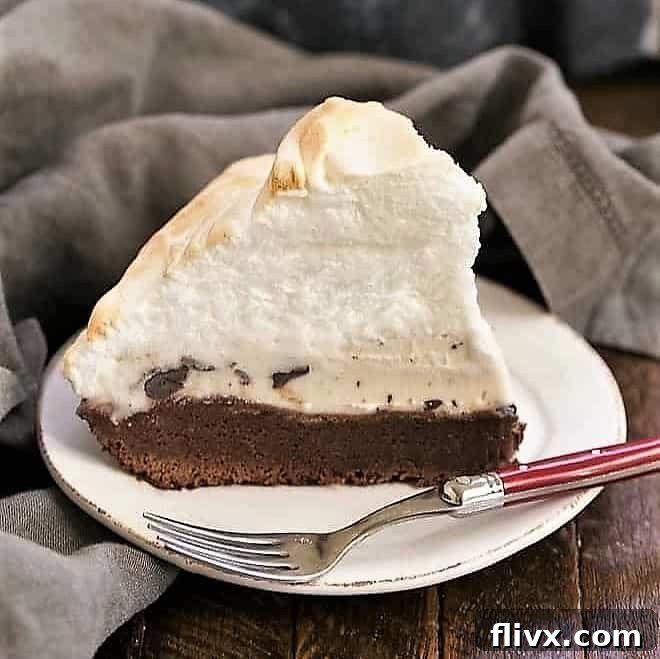
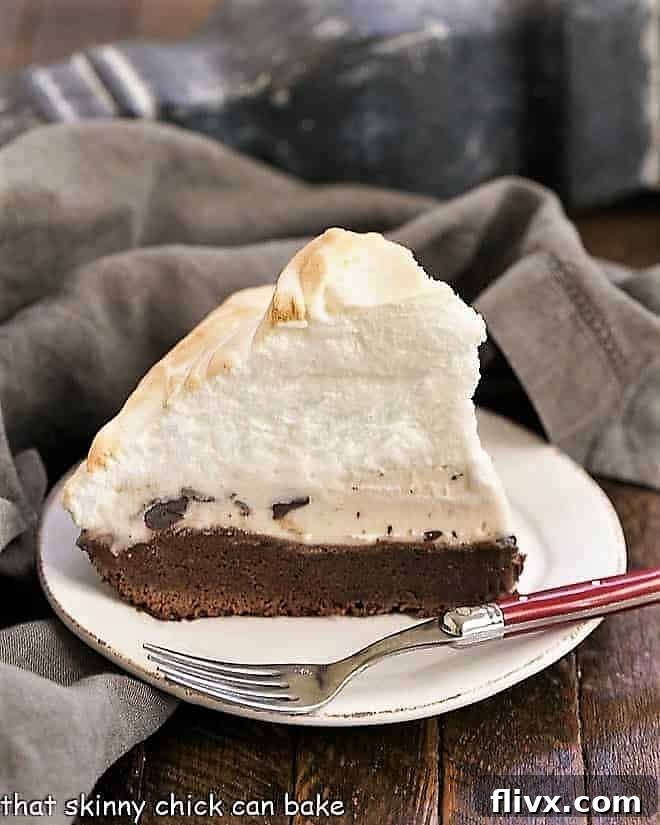
A Brownie Baked Alaska is a truly spectacular dessert that reimagines the classic meringue-topped confection with a decadent twist. Named after the United States’ acquisition of Alaska in the late 1800s, this iconic dessert traditionally features a sponge cake base, a layer of ice cream, and a dramatic blanket of toasted meringue. Our rendition elevates this historical treat by substituting the conventional cake with a rich, fudgy brownie base, making it an irresistible choice for any chocolate enthusiast.
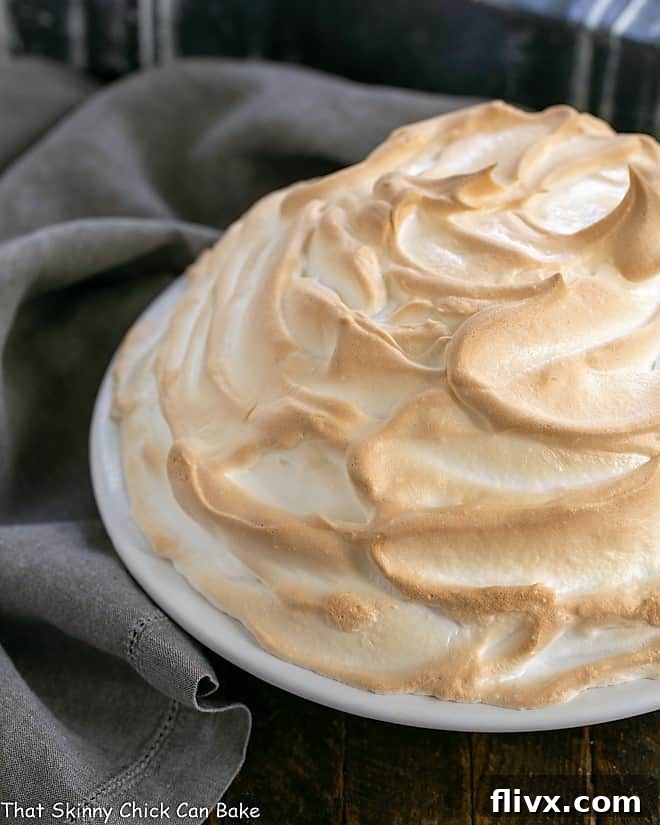
This out-of-the-ordinary Baked Alaska recipe is a guaranteed show-stopper. Its massive, billowy topping of toasted meringue creates an impressive visual contrast against the dark brownie and creamy ice cream, promising a delightful interplay of temperatures and textures with every spoonful. Prepare to amaze your guests with this elegant yet surprisingly achievable dessert.
Why This Brownie Baked Alaska is a Must-Make Dessert
If you’re looking for a dessert that combines rich flavors with stunning presentation, this Brownie Baked Alaska is your perfect match. Here’s why it deserves a spot on your baking list:
- A Decadent Twist on an Iconic Classic: While the original Baked Alaska is legendary, our version takes it to new heights. The fudgy brownie base provides a deeper, more satisfying chocolate experience than a traditional sponge cake, creating a truly unforgettable dessert.
- Perfect for Chocoholics: For those who can’t get enough chocolate, swapping a plain cake for a rich, chewy brownie is a game-changer. The intense chocolate flavor pairs beautifully with the sweet ice cream and light meringue, offering a multi-dimensional indulgence.
- Endless Ice Cream Flavor Possibilities: This recipe is incredibly versatile. While vanilla with chocolate chips is a fantastic choice, feel free to experiment with your favorite premium ice cream flavors. Imagine the refreshing kick of peppermint stick, the rich notes of coffee or toffee, or even a double chocolate explosion with chocolate ice cream. Each combination offers a unique dessert experience.
- Impressive Yet Achievable: Despite its grand appearance, making a Brownie Baked Alaska is more straightforward than you might think. With clear instructions and a few expert tips, you can create a dessert that looks like it came from a professional patisserie.
- The Ultimate Compliment-Getter: Prepare for enthusiastic praise! As my son Tom jokingly said, “This can’t be good for you,” after devouring a slice – a testament to its irresistible deliciousness. This dessert consistently garners rave reviews and gasps of delight.
Essential Ingredients for Your Brownie Baked Alaska
Crafting the perfect Brownie Baked Alaska begins with selecting quality ingredients. Here’s a breakdown of what you’ll need and why each component is important:
- For the Brownie Base: You’ll need one recipe’s worth of brownies, baked in a pie dish and completely cooled. You can opt for your favorite homemade fudgy brownie recipe for unparalleled richness, or use a high-quality box mix for convenience. If using a box mix, you might not need all the batter for a standard pie dish.
- Premium Ice Cream: Two pints of your favorite premium ice cream are essential for that creamy, cool contrast. I highly recommend a rich vanilla bean or vanilla with chocolate chips, like Graeter’s, but any flavor that complements chocolate – such as mint, coffee, or even strawberry – would be delicious.
- Egg Whites for Meringue: You’ll need four large egg whites. For the best volume and stability, separate your eggs when they are cold, as the yolks are less likely to break. However, allow the egg whites to come to room temperature before beating, as this significantly increases their ability to whip into a voluminous foam.
- Sugar for Sweetness and Structure: Regular granulated sugar works perfectly, but superfine sugar (caster sugar) dissolves more easily into the egg whites, resulting in a smoother, more stable meringue.
- Cream of Tartar (or Lemon Juice) for Stability: A quarter teaspoon of cream of tartar is crucial for stabilizing the egg whites, helping them hold their shape and preventing them from weeping. If you don’t have cream of tartar, an equal amount of fresh lemon juice is an excellent substitution.
Step-by-Step Guide: How to Create Your Brownie Baked Alaska
Follow these detailed steps to assemble your stunning Brownie Baked Alaska:
- Prepare the Brownie Base: Begin by baking your chosen brownie recipe (homemade or box mix) in a 9-inch pie plate. Ensure the brownie is fully cooked but still fudgy. If using a box mix, you may have some batter leftover, as standard box mixes often yield more than needed for a single pie plate. Once baked, if the top isn’t perfectly level, gently press it down while still slightly warm to create an even surface for the ice cream layer.
- Cool Completely: Allow the brownie base to cool completely to room temperature. This is crucial to prevent the ice cream from melting prematurely when applied.
- Layer the Ice Cream: Remove the ice cream from its containers. For easy layering, slice each pint into three thick rounds. Arrange these rounds directly on top of the cooled brownie base, fitting them snugly. Use any remaining ice cream wedges to fill in any gaps or holes, then pile the rest in the center of the pie plate to create a slight dome shape. This dome will give your Baked Alaska its classic height.
- Freeze Firmly: Transfer the brownie and ice cream base to the freezer immediately. Freeze for a minimum of 30-60 minutes, or until the ice cream is very firm. This hardening step is absolutely critical, as it prevents the ice cream from melting when the meringue is toasted in the oven.
- Preheat Oven: About 15 minutes before you’re ready to bake, preheat your oven to 375°F (190°C).
- Prepare the Meringue: In a meticulously clean mixing bowl, beat the room-temperature egg whites with an electric mixer until they become foamy. Add the cream of tartar (or lemon juice) and continue beating until soft peaks form. Gradually add the sugar, a tablespoon at a time, continuing to beat until the whites hold stiff, glossy peaks. The meringue should be thick and shiny.
- Assemble and Toast: Swiftly remove the firmly frozen ice cream base from the freezer. Working quickly to prevent melting, generously mound the prepared meringue over the entire ice cream and brownie structure. Use an offset spatula or the back of a spoon to spread the meringue all the way to the edges of the pie plate, ensuring every bit of ice cream is completely sealed and covered. This meringue acts as an insulator, protecting the ice cream from the oven’s heat.
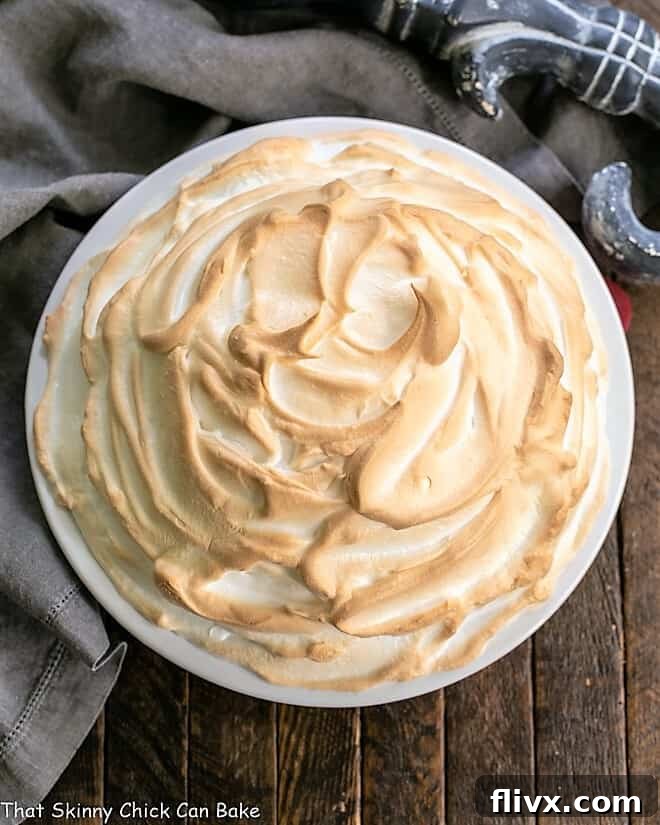
- Bake and Serve: Place the pie plate in the preheated oven. Bake for approximately 5-10 minutes, or until the meringue turns a beautiful golden brown and is lightly caramelized. Watch it carefully, as meringue can brown quickly. Serve your magnificent Brownie Baked Alaska immediately for the best experience.
Expert Tips for Brownie Baked Alaska Success
Achieving a perfect Brownie Baked Alaska involves a few key techniques. Here are some expert tips to ensure your dessert is a show-stopping success:
- Customize Your Base: While a fudgy brownie provides an incredible chocolatey depth, don’t feel limited. You can experiment with different cake flavors for the base, such as vanilla sponge, chocolate fudge cake, or even a rich pound cake. Just ensure it’s baked in a pie plate for the classic shape.
- Managing Boxed Brownie Batter: If you opt for a box mix for convenience, be aware that many standard mixes yield more batter than a 9-inch pie plate can hold for an appropriately thin base. You might only need two-thirds of the prepared batter. Adjust baking time accordingly.
- Ice Cream Flavor Pairing: The ice cream layer offers immense flexibility. Vanilla is always a safe and delicious choice, but consider flavors that complement chocolate well. Think coffee, mint chocolate chip, caramel swirl, or even raspberry for a fruity contrast. Ensure your chosen ice cream is premium quality for the best texture and flavor.
- The Critical Freezing Step: This cannot be overstated. The brownie and ice cream layers *must* be frozen solid before the meringue is applied and toasted. This allows the meringue to brown beautifully in the oven while the ice cream remains perfectly frozen, creating that signature hot-and-cold sensation. Aim for at least 30-60 minutes, or even longer, for optimal firmness.
- Meringue Volume is Key: For the most voluminous and stable meringue, use egg whites that are at room temperature. Cold egg whites don’t whip up as easily or hold as much air.
- Cleanliness is Paramount for Meringue: When whipping meringue, your mixing bowl and beaters must be impeccably clean and completely free of any grease, oil, or even a trace of egg yolk. Any fatty residue will prevent the egg whites from whipping properly and reaching their full volume. Running your equipment through the dishwasher or wiping with lemon juice and rinsing well can help.
- Safe Egg Separation: To avoid contaminating an entire batch of egg whites, separate each egg individually into a small, separate bowl before adding the white to your main mixing bowl. This way, if a yolk breaks, you only lose one egg white, not the entire batch.
- Make-Ahead Magic: You can prepare the brownie and ice cream base up to two days in advance. Simply cover the pie plate tightly with plastic wrap and freeze until ready to serve. When it’s dessert time, simply whip up the meringue, apply it, and bake as directed. You might need to extend the baking time by a few minutes if the base is extremely cold.
- Perfect Slicing Technique: Cutting through toasted meringue can be tricky as it tends to stick to the knife. To achieve clean slices, dip your knife in very hot water (boiling water works best), wipe it dry, and then make your cut. Reheat and wipe the knife for each slice. Alternatively, score your intended slice lines with the sharp point of a knife before cutting, providing a guide for clean separation.
Frequently Asked Questions About Baked Alaska
A classic Baked Alaska is typically constructed with three distinct layers: a base of sponge cake (or in our case, a fudgy brownie), a generous layer of firm ice cream, and a dramatic topping of fluffy meringue. The magic lies in the meringue’s insulating properties, which protect the frozen ice cream from melting while the exterior is quickly toasted to a golden-brown perfection in a hot oven or with a kitchen torch.
The dessert purportedly received its evocative name in 1876 at Delmonico’s Restaurant in New York City. Chef Charles Ranhofer is often credited with creating it to commemorate the United States’ purchase of Alaska from Russia in 1867. Initially, it was sometimes called “Alaska-Florida” due to the striking contrast between the hot, baked meringue and the cold, frozen ice cream, symbolizing the two extreme climates. However, it quickly became known simply as Baked Alaska. While Ranhofer popularized the name, there are also undocumented claims that Antoine Alciatore of Antoine’s restaurant in New Orleans may have created a similar dish around the same time. This concept of a “hot exterior, cold interior” dessert wasn’t entirely new, having been known in Europe under names like omelette norvégienne (Norwegian omelette), omelette surprise, or omelette sibérienne. If you want to add an extra flourish, douse your Baked Alaska in rum and ignite it for a spectacular presentation known as a Bombe Alaska.
Slicing through the delicate yet sticky meringue topping of a Baked Alaska can be challenging. The meringue often adheres to the knife, leading to tearing rather than a clean cut. To achieve perfectly neat slices, a common trick is to use a hot, dry knife. Dip a sharp knife into very hot (preferably boiling) water for a few seconds, then wipe it completely dry before making each slice. The heat from the blade melts a tiny path through the meringue, allowing for a smooth, clean cut. Repeat this process for every slice. Alternatively, you can use the sharp point of your knife to gently pierce a series of small dots along the line where you intend to cut. These “dots” act as controlled perforations, making it easier to slice cleanly along the predetermined path.
Absolutely! This is one of the fantastic features of Baked Alaska. You can prepare the brownie and ice cream layers up to two days ahead of time. Ensure it’s tightly covered with plastic wrap to prevent freezer burn and ice crystals from forming on the ice cream. When you’re ready to serve, simply whip up the meringue, mound it over the frozen base, and bake as directed. You might find that a pre-frozen base requires an extra minute or two in the oven for the meringue to brown adequately.
Delicious Desserts You Might Also Love
- Frozen Chocolate Mousse Cake
- Frozen Grasshopper Pie
- No-Churn Ice Cream Cake
- Frozen Chocolate Peanut Butter Pie
- Individual Baked Alaskas
- More Decadent Dessert Recipes
Stay in touch through social media @ Instagram, Facebook, and Pinterest. Don’t forget to tag me when you try one of my recipes! If you love the results, please consider giving it a 5-star rating and leaving a comment.
Brownie Baked Alaska Recipe
This recipe transforms the classic Baked Alaska into a chocolate lover’s dream with a rich, fudgy brownie base and creamy vanilla chocolate chip ice cream, all topped with a perfectly toasted meringue. It serves 8 people and takes approximately 30 minutes of prep time, 45 minutes of cook time, for a total of 1 hour and 15 minutes.
Ingredients
- 1 brownie recipe (homemade or boxed mix), baked in a 9-inch pie dish and cooled
- 2 pints premium ice cream (e.g., Graeter’s Vanilla with Chocolate Chips)
For the Meringue:
- 4 large egg whites, at room temperature
- ¼ teaspoon cream of tartar (or an equal amount of lemon juice)
- ½ cup granulated sugar (superfine sugar recommended for smoother meringue)
Instructions
- Bake the brownies in a 9-inch pie plate according to your chosen recipe. If using a box mix, you may not need all the batter. Cool completely to room temperature.
- Once cooled, if the brownie top is uneven, gently press it down to create a level surface.
- Remove ice cream from containers and slice each pint into 3 thick rounds. Arrange 3 rounds on top of the brownie in the pie plate. Cut remaining ice cream rounds into 6 wedges each.
- Fill any gaps in the ice cream layer with some of the wedges, then pile the remainder in the center to create a dome shape.
- Freeze the brownie and ice cream base for 30-60 minutes, or until very firm.
- Preheat your oven to 375°F (190°C) about 15 minutes before you’re ready to make the meringue.
- In a very clean mixing bowl, beat room-temperature egg whites with an electric mixer until foamy. Add the cream of tartar and continue to beat until soft peaks form.
- Gradually add the sugar, one tablespoon at a time, beating until the egg whites hold stiff, glossy peaks.
- Remove the frozen ice cream base from the freezer. Working quickly, mound the meringue over the entire ice cream and brownie structure, spreading it to the very edge of the pie plate to completely seal the ice cream.
- Bake for 5-10 minutes, or until the meringue is beautifully golden brown. Serve immediately.
- Make-Ahead Tip: You can prepare the brownie and ice cream layers up to 2 days in advance. Cover and freeze. When ready to serve, top with freshly made meringue and bake as directed, extending baking time slightly if needed.
Notes
To cut through the meringue cleanly, use a hot, dry knife. Dip the knife in boiling water and wipe it dry before each slice to prevent sticking and tearing.
For the best fudgy base, I highly recommend using a rich homemade brownie recipe, such as my Fudgy Brownie Recipe.