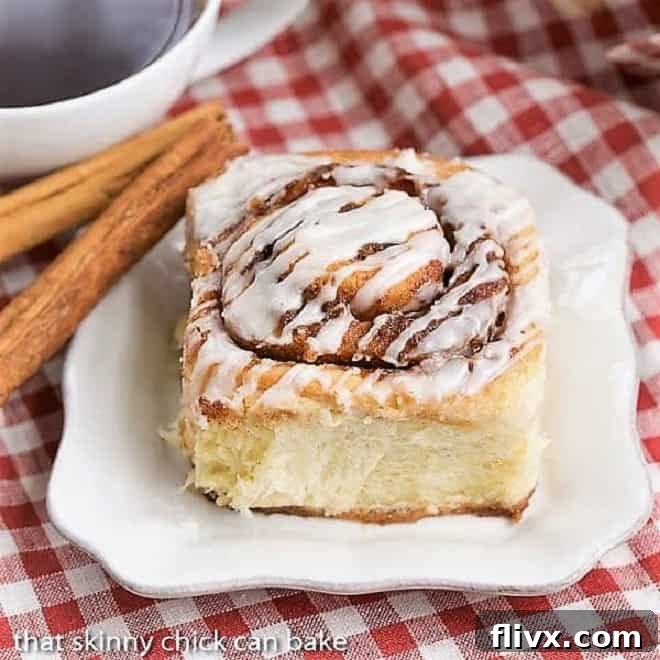
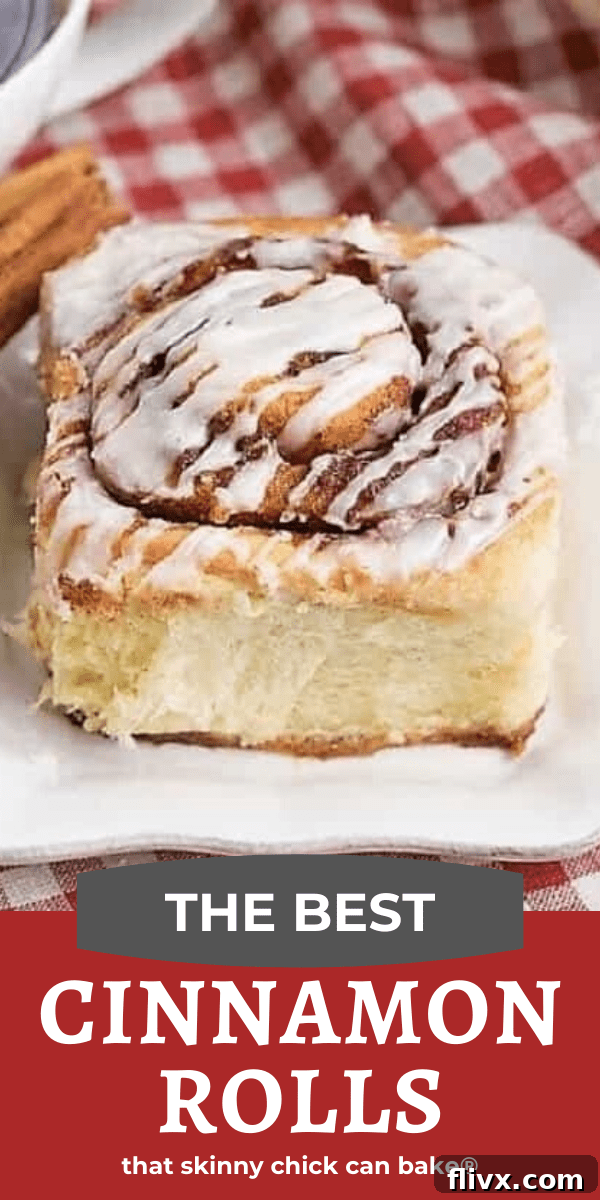
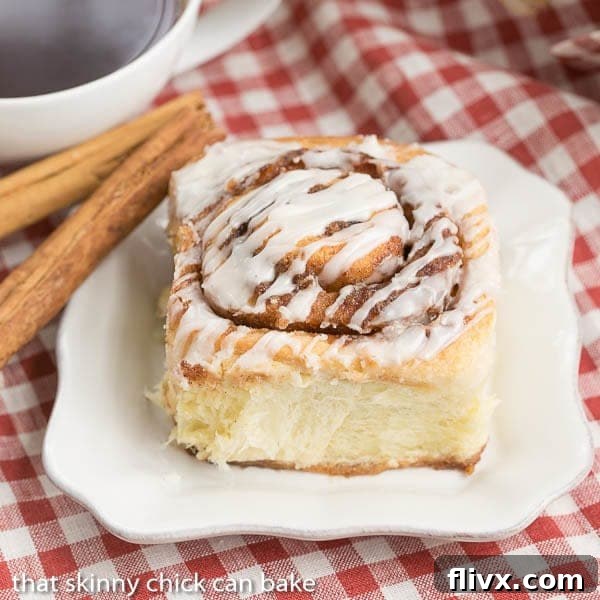
Indulge in the ultimate breakfast delight with our Best Cinnamon Rolls Recipe! Featuring a rich, brioche-like dough, these tender, buttery cinnamon rolls are a true labor of love, culminating in a melt-in-your-mouth experience that will become a cherished family tradition.
There’s nothing quite like the aroma of freshly baked cinnamon rolls wafting through your home. With a generous drizzle of sweet powdered sugar glaze, this recipe promises the ultimate homemade treat. Perfect for lazy weekend mornings, festive holiday brunches, a special Mother’s Day surprise, or simply to brighten any ordinary day of the week, these cinnamon buns are guaranteed to impress.
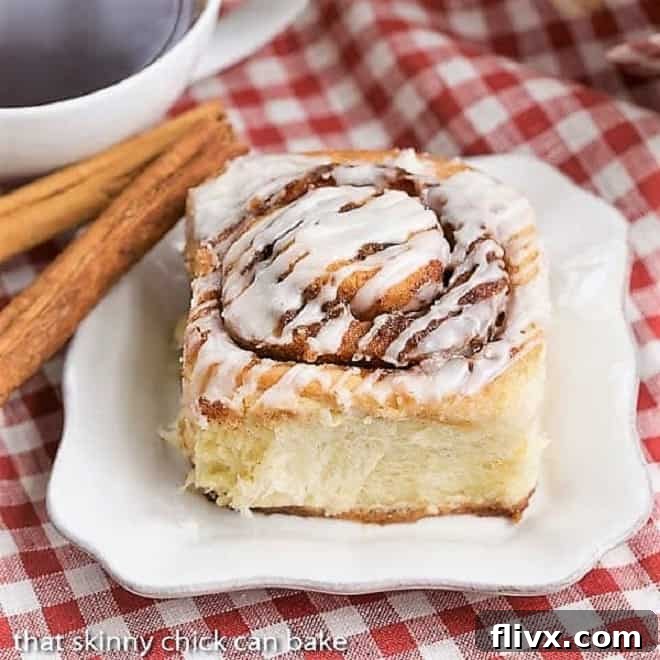
Why You Must Make These Best Homemade Cinnamon Rolls
The quest for the perfect cinnamon roll is a journey many home bakers embark on. For years, my family and I settled for convenient store-bought options, but there’s a profound difference when you create them from scratch. I first delved into making these homemade cinnamon rolls during a period when my family and I were craving something truly sweet and comforting. After extensive testing of multiple recipes, this particular one emerged as the clear winner, delivering consistently superior results that are unmatched.
- Unmatched Flavor and Texture: These aren’t just any cinnamon rolls. The dough is exquisitely tender and buttery, almost like a brioche, providing a rich foundation for the spiced filling.
- A Proven Winner: I meticulously tested three different cinnamon roll recipes, and this one consistently produced the absolute BEST cinnamon buns. Its balanced sweetness, perfect rise, and incredible softness set it apart.
- Simple, Yet Stunning Glaze: While the rolls themselves are a masterpiece, the simple powdered sugar glaze adds the ideal finishing touch, complementing the deep cinnamon and brown sugar flavors without overwhelming them.
Reader Endorsement:
From Angela:
Best Cinnamon Rolls Ever!! ❤️ I have made these several times & they turn out perfect every time. This has become my “Go To” recipe for Cinnamon Rolls.
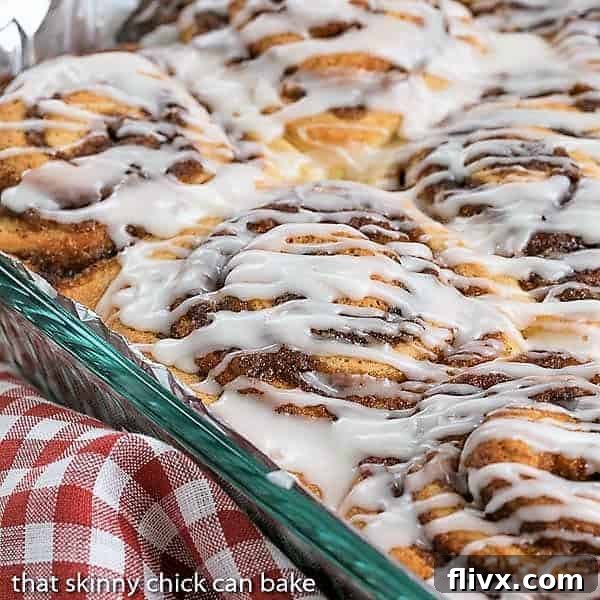
The Story Behind This Ultimate Homemade Cinnamon Buns Recipe
My husband Bill’s grandmother was a prodigious baker, crafting dinner rolls, fresh bread, pies, and, of course, incredible cinnamon rolls from scratch every single weekend. Living with his family for years, they were all wonderfully spoiled by her unmatched baking skills. Her method was purely intuitive, relying on touch and feel rather than written recipes. Sadly, this meant her culinary secrets weren’t formally passed down, leaving us to recreate that magic.
For a long time, my own family found immense joy in store-bought options, particularly a certain brand of frozen cinnamon rolls that only required a quick microwave zap. There was genuine sadness when we thought these beloved treats were discontinued, highlighting our family’s deep affection for anything sweet and doughy.
However, embracing the art of homemade baking truly changed our perspective. Using a stand mixer with a dough hook simplifies the process of making homemade cinnamon rolls, making it far less intimidating than one might imagine. This recipe captures the essence of those cherished, old-fashioned baked goods, delivering a taste of nostalgia with every bite. I genuinely hope you’ll try this recipe and discover why it has become our family’s absolute favorite cinnamon roll.
Key Ingredients for Fluffy Cinnamon Rolls
Crafting the perfect cinnamon roll begins with understanding the role of each ingredient. Here’s a breakdown of what you’ll need and why each component is vital for that tender, buttery brioche-like dough and luscious filling:
- Kitchen Staples: You’ll need all-purpose flour (no need for bread flour here!), corn starch, granulated sugar, salt, and ground cinnamon. These form the fundamental structure and flavor base.
- Whole Milk: Ensure your milk is warm, ideally between 105°F and 115°F (40°C-46°C). It’s crucial not to let it exceed 120°F (49°C), as this can kill the yeast, preventing your dough from rising properly.
- Instant Yeast: One packet (2 ¼ teaspoons) of instant yeast is typically sufficient. Brands like Red Star Platinum Yeast are excellent choices, known for their consistent activity and reliability. Instant yeast doesn’t require proofing beforehand, simplifying the process.
- Eggs: Use large eggs and make sure they are at room temperature. Room temperature eggs incorporate more easily and evenly into the dough, leading to a smoother, more uniform texture.
- Butter: Both for the dough and the filling, use unsalted butter at room temperature. Cut it into 12 pieces for easier incorporation into the dough. Room temperature butter creamed into the flour mixture creates pockets of air, contributing to the brioche-like softness. If you only have salted butter, it’s generally fine; just be mindful of any additional salt in the recipe.
- Brown Sugar: For the filling, always pack brown sugar firmly into the measuring cup. This ensures you get the correct amount, which is essential for that rich, moist caramel-like center in your cinnamon rolls.
- Powdered Sugar: When preparing the glaze, sift your powdered sugar. This crucial step prevents lumps and ensures a smooth, silky icing that drapes beautifully over your warm rolls.
- Vanilla Extract: Always opt for real vanilla extract over artificially flavored versions. The quality of your vanilla makes a noticeable difference in the final aroma and taste of the glaze. Nielsen-Massey is a highly recommended brand for its superior flavor.
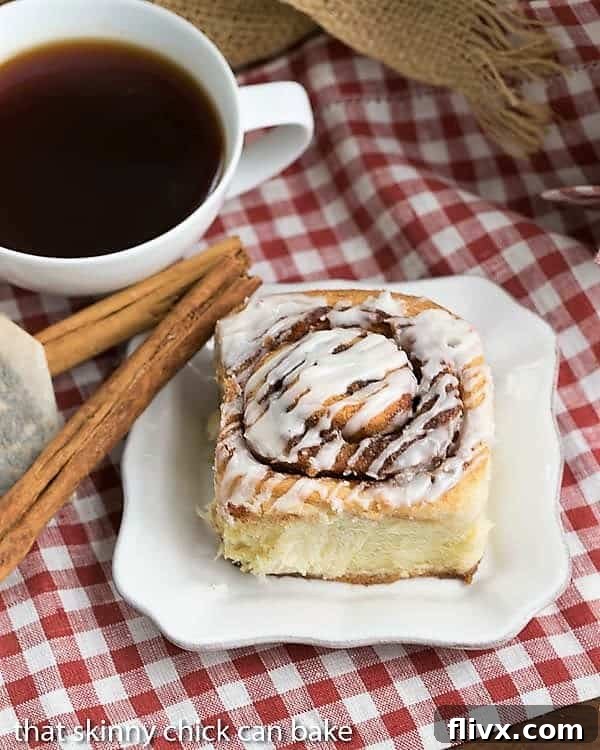
Expert Recipe Tips for Perfect Homemade Cinnamon Rolls
Baking with yeast might seem daunting at first, but with a few essential tips, you’ll master these fluffy cinnamon rolls in no time. These pieces of advice are key to achieving a tender, perfectly risen dough and an irresistible finish.
- Check Your Yeast’s Expiration Date: This is a non-negotiable step. Always inspect the expiration date on your yeast package.
PRO-Tip: Using expired yeast is one of the most common reasons for a failed rise. There’s nothing more disheartening than spending time on dough only for it to remain flat. Active yeast is the cornerstone of airy, fluffy cinnamon rolls.
- Maintain Optimal Liquid Temperature: Yeast is a living organism, sensitive to temperature.
PRO-Tip: Invest in an instant-read thermometer to accurately check the temperature of your warm liquids (like milk). If the liquid is too hot (above 120ºF or 49ºC), it will kill the yeast, resulting in dense, brick-like rolls. If it’s too cold, the yeast won’t activate properly, leading to a slow or non-existent rise.
- Understand Salt’s Role with Yeast: Salt is essential for flavor and controlling yeast activity, but direct contact can inhibit it.
PRO-Tip: Always add salt along with the flour, not directly into the yeast-and-liquid mixture. This separation allows the yeast to activate without immediate interference, while still integrating the salt for overall dough development.
- Mastering the Kneading Process: Proper kneading is crucial for developing gluten, which gives yeast breads their characteristic elasticity and structure.
PRO-Tip: A stand mixer with a dough hook makes kneading incredibly easy and efficient. Aim for a smooth, elastic dough that springs back when gently poked. If kneading by hand, be patient and persistent until the dough transforms from shaggy to smooth. During long kneading sessions with a mixer, monitor the motor’s heat. If it gets too warm, give it a rest to prevent overheating.
- The Art of Proofing (Rising): Yeast dough typically undergoes two proofing periods, each vital for texture and flavor.
PRO-Tip: The first proof involves placing the dough in a greased bowl, covering it, and letting it rise in a warm, draft-free spot until doubled in size. The second proof occurs after the rolls are shaped. Avoid rushing this process by placing the dough in an overly warm environment, as this can lead to an undesirable texture in the final baked product. A warm room temperature, around 85ºF (29ºC), is ideal. You can create a makeshift proofing environment by placing a pan of hot water in your oven and then placing your covered dough in the oven’s warmth.
- Checking for Doneness: Knowing when your yeast bread is perfectly baked ensures optimal texture and flavor.
PRO-Tip: The internal temperature of a fully baked yeast bread or roll should be between 195ºF and 210ºF (90ºC-99ºC), depending on the specific recipe and bread type. An instant-read thermometer is indispensable for this.
- Crafting the Perfect Glaze for Cinnamon Rolls: The glaze is the crowning glory of any cinnamon roll.
PRO-Tip: Making a luscious glaze is simple: whisk together sifted powdered sugar, milk, and vanilla extract. For a thinner glaze, add a tiny bit more milk, one drop at a time. For a thicker consistency, add more sifted powdered sugar. Remember, sifting the powdered sugar is key to a super smooth, lump-free icing.
Step-by-Step Guide to Making Tender Cinnamon Buns
Follow this detailed guide to create the most incredible tender cinnamon buns your family will ever taste. Each step is designed to ensure success, even for novice bakers.
Mixing the Dough for the Best Cinnamon Rolls
- Gather Your Ingredients: Before you begin, lay out all your ingredients. For this recipe, standard all-purpose flour is perfect. Make sure your instant yeast is fresh (I highly recommend Red Star Platinum Yeast) and your butter is softened to room temperature. This preparedness ensures a smooth process.
- Warm the Milk Carefully: Gently warm your whole milk. Use a thermometer to confirm its temperature is within the ideal range of 105ºF-115ºF (40ºC-46ºC), and absolutely no higher than 120ºF (49ºC). This warmth is crucial for activating the yeast without harming it.
- Choose Your Kneading Method: You have the option to knead the dough by hand, which is a satisfying, tactile experience, or use the dough hook attachment on your stand mixer, which is my preferred method for its efficiency and ease.
Proofing the Dough for a Perfect Rise
Achieving a light and airy texture requires two distinct proofing periods, allowing the yeast to develop both flavor and volume.
- First Proofing: After mixing, transfer your dough to a lightly greased bowl. Greasing the bowl prevents the dough from sticking and makes it easier to remove once it has risen.
- Cover and Warm Place: Cover the bowl tightly with plastic wrap to prevent a skin from forming, and place it in a consistently warm spot in your home, ideally around 80-85ºF (27-29ºC). Some modern ovens even have a “proof” setting set at this ideal temperature, which works wonderfully. Allow the dough to rest until it has visibly doubled in size, typically around 1.5 to 2 hours.
Shaping Your Cinnamon Rolls
- Prepare the Filling: In a separate bowl, combine your brown sugar, cinnamon, and any other desired spices. Ensure the ingredients are well mixed for even distribution.
- Roll Out the Dough: Gently punch down the risen dough to release the air. On a lightly floured surface, roll it out into an 18-inch square. Spread the softened butter evenly across the dough, leaving a small border free at one edge.
- Apply the Filling: Generously sprinkle the prepared cinnamon-sugar filling over the buttered dough, gently pressing it down so it adheres.
- Roll and Seal: Starting from the edge nearest you, carefully roll the dough into a tight cylinder. Once rolled, lightly pinch the seam to seal it securely.
- Cut and Arrange: Using a sharp knife or even unflavored dental floss for a cleaner cut, slice the cylinder into 12 equal pieces. Place these pieces, cut-side down, into your prepared baking pan.
- Second Proof: Cover the pan loosely with plastic wrap and let the shaped rolls proof again in a warm spot until they have doubled in size and look puffy, usually about 1 hour. This second rise ensures their signature light texture.
Baking and Glazing Your Cinnamon Rolls
- Preheat and Bake: Preheat your oven to 350ºF (175ºC). Bake the rolls for 35-40 minutes, or until they achieve a beautiful golden brown color and are cooked through. Their internal temperature should read 195-210°F (90-99°C).
- Prepare the Glaze: While the rolls are baking, whisk together your sifted powdered sugar, milk, and vanilla extract in a medium bowl until smooth.
- Cool and Glaze: Allow the baked cinnamon rolls to cool for about 15 minutes in the pan before generously drizzling them with the prepared glaze using a spoon. This cooling period allows the glaze to set slightly without completely melting away.
Frequently Asked Questions About Homemade Cinnamon Rolls
What Is in a Classic Cinnamon Roll Filling?
The quintessential cinnamon roll filling consists of a simple yet powerful trio: softened butter, sugar, and, of course, a generous amount of ground cinnamon. Many recipes, including this one, elevate the flavor by using brown sugar instead of granulated sugar, which adds rich caramel undertones and helps keep the filling moist.
What Kind of Pan is Best for Baking Cinnamon Rolls?
For optimal results, a Pyrex baking dish or any glass or ceramic baking pan is generally preferred. These materials help minimize any potential reaction between the acidic ingredients in the rolls and metal pans. More importantly, glass and ceramic excel at retaining and distributing heat evenly, which helps ensure the rolls bake thoroughly and achieve a consistent golden-brown crust without drying out.
How Do You Minimize the Oozing of the Filling While Baking Cinnamon Rolls?
One of the best ways to prevent the delicious filling from oozing out during baking is to use soft, room-temperature butter in the filling, rather than melted butter. Softened butter creates a thicker barrier that holds the sugar and cinnamon in place. Some bakers also recommend adding a small amount of cornstarch or flour to the filling mixture, which can help absorb moisture and thicken it, though I haven’t found it necessary with this recipe when using softened butter.
Can I Prepare Cinnamon Rolls Ahead of Time?
Absolutely! You can prepare the rolls up to the second proofing stage. After placing the cut rolls in the baking pan, cover them tightly with plastic wrap and refrigerate overnight (up to 12-18 hours). The next morning, remove them from the fridge about 1-2 hours before baking to allow them to come to room temperature and complete their final rise before baking as usual. This is a fantastic option for fresh-baked cinnamon rolls on busy mornings.
How Should I Store Leftover Cinnamon Rolls?
Leftover cinnamon rolls are best stored in an airtight container at room temperature for up to 2-3 days. For longer storage, they can be refrigerated for up to a week, or frozen for up to 1-2 months. To reheat, simply warm them gently in the microwave for 15-30 seconds or in a preheated oven at 300°F (150°C) for about 5-10 minutes until warmed through.
You May Also Like:
- Cake Mix Cinnamon Rolls from Love from the Oven
- Better Than Cinnabon Cinnamon Rolls Recipe from A Spicy Perspective
- Giant Cinnamon Roll Cake with Vanilla Glaze from Baked by Rachel
- Cinnamon Bubble Roll
- Moomies Cinnamon Buns
- Homemade Orange Rolls
- Classic Cinnamon Rolls
- All my Best Breakfast Recipes
- All my Best Bread Recipes
We believe these truly are the Best Cinnamon Rolls you’ll ever make. Have you ever tried baking homemade cinnamon rolls before? If you give this recipe a try and fall in love with them as much as we have, please consider coming back and leaving a rating and a comment below. Your feedback helps other aspiring bakers discover and enjoy this wonderful recipe!
Stay in touch through social media @ Instagram, Facebook, and Pinterest. Don’t forget to tag me when you try one of my recipes! And if you love the results, please consider giving it a 5-star rating in the recipe card.
The Best Cinnamon Rolls Recipe
30 minutes
40 minutes
1 hour 10 minutes
12 rolls
Tender, perfect glazed cinnamon rolls
Ingredients
Dough:
- ¾ cup warm whole milk
- 1 packet (2 ¼ teaspoons) instant yeast, I used Red Star Platinum Yeast
- 3 eggs, at room temperature
- 4 ¼ cups flour
- ½ cup corn starch
- ½ cup sugar
- 1 ½ teaspoons salt
- 12 tablespoons (1 ½ sticks) butter, at room temperature, cut into 12 pieces
Filling:
- 1 ½ cups brown sugar
- 1 ½ tablespoons cinnamon
- 4 tablespoons butter, at room temperature
Glaze:
- 1 ¼ cups powdered sugar, sifted
- 2 tablespoons milk
- ½ teaspoon vanilla
Instructions
- Grease a 9 x 13-inch baking pan. Set aside.
- Combine the warm milk and yeast in a bowl and whisk until the yeast dissolves. Mix in the eggs.
- In the bowl of a stand mixer with the paddle attachment, combine the flour, cornstarch, sugar, and salt. Mix to combine.
- With the mixer on low, slowly add the warm milk mixture and continue mixing until the dough comes together for about 1 minute.
- Increase the speed to medium and add the butter, one piece at a time, until incorporated.
- Switch to the dough hook and continue to mix until the dough is smooth and comes away from the sides of the bowl, about 10 minutes.
- Knead the dough a few times on a lightly floured surface and form the dough into a smooth ball.
- Place the dough in a greased bowl. Cover with plastic wrap and place in a warm spot and let rest until doubled in size, about 2 hours.
- Mix the brown sugar, cinnamon, and salt together in a small bowl.
- Punch down the dough and roll into an 18-inch square on a lightly floured surface and spread with the softened butter.
- Sprinkle the filling evenly over the dough and press gently.
- Starting with the edge nearest you, roll the dough into a cylinder and pinch lightly to seal the seam.
- Cut the roll into 12 equal pieces (dental floss can be helpful here for clean cuts) and place the pieces, cut side down, in the prepared pan.
- Cover the pan with plastic wrap and let rise in a warm spot until doubled, about 1 hour.
- Preheat oven to 350 ºF (175ºC). Bake the rolls for 35-40 minutes, until they are golden brown.
- While the buns bake, make the glaze by whisking the powdered sugar, milk, and vanilla in a medium bowl and set aside.
- Let rolls cool for about 15 minutes, then drizzle on glaze with a spoon.
Notes
Adapted from Cook’s Country.
Total time does not include proofing time.
Recommended Products
As an Amazon Associate and member of other affiliate programs, I earn from qualifying purchases.
- Smithcraft Stainless Steel Measuring Cups Set
- Measuring Spoons
- KitchenAid KSM150PSER Artisan Tilt-Head Stand Mixer with Pouring Shield, 5-Quart, Empire Red
- Set of Glass Mixing Bowls
- 9 x 13 Baking Pan
- 9 x 13 Revol Ceramic Baking Dish
Nutrition Information:
Yield:
12
Serving Size:
1 roll
Amount Per Serving:
Calories: 446Total Fat: 10gSaturated Fat: 6gTrans Fat: 0gUnsaturated Fat: 3gCholesterol: 69mgSodium: 359mgCarbohydrates: 83gFiber: 2gSugar: 43gProtein: 7g
Thatskinnychickcanbake.com occasionally offers nutritional information for recipes contained on this site. This information is provided as a courtesy and is an estimate only. This information comes from online calculators. Although thatskinnychickcanbake.com attempts to provide accurate nutritional information, these figures are only estimates.
Varying factors such as product types or brands purchased can change the nutritional information in any given recipe. Also, many recipes on thatskinnychickcanbake.com recommend toppings, which may or may not be listed as optional and nutritional information for these added toppings is not listed. Other factors may change the nutritional information such as when the salt amount is listed “to taste,” it is not calculated into the recipe as the amount will vary. Also, different online calculators can provide different results.
To obtain the most accurate representation of the nutritional information in any given recipe, you should calculate the nutritional information with the actual ingredients used in your recipe. You are solely responsible for ensuring that any nutritional information obtained is accurate.