
This French Lemon Tart, known exquisitely as Tarte au Citron, is not merely a dessert; it’s a vibrant symphony of citrus that promises to be the most captivating and refreshing treat you’ll ever bake or taste. With its perfect balance of tangy and sweet, nestled within a wonderfully buttery crust, this classic French pastry is truly a culinary masterpiece.
Imagine a delicate, golden shortbread crust, crisp and tender, giving way to a dreamy, velvety lemon sabayon that melts in your mouth. This lemon dessert is more than just a recipe; it’s an experience, a triumph for any baker, and an absolute winner for any occasion, from casual gatherings to elegant dinner parties. Prepare to fall in love with its irresistible charm and sophisticated flavor profile.

Why This French Lemon Tart Will Be Your New Favorite
- **An Unforgettable Flavor Combination:** The exquisite pairing of a rich, buttery shortbread crust with a vibrant, luscious lemon sabayon creates a textural and flavorful sensation that is simply unparalleled. Each bite offers a harmonious blend that will leave you craving more.
- **Perfectly Balanced Sweetness and Tartness:** This isn’t just a sweet dessert; it’s a masterclass in balance. The sharp tang of fresh lemon is expertly mellowed by just the right amount of sweetness and the creamy richness of the sabayon, ensuring a refreshing finish without being overly cloying.
- **Elevate Your Dessert Repertoire:** If you’re a discerning fan of lemon desserts, this Tarte au Citron isn’t just another recipe; it’s a game-changer. It will easily ascend to the top of your favorites list, offering a sophisticated alternative to traditional lemon bars or pies. Its elegant presentation and sublime taste make it ideal for impressing guests or simply treating yourself to something truly special.
- **A Touch of French Elegance at Home:** Baking this tart brings a piece of classic French patisserie into your kitchen. It’s a rewarding project that, despite its impressive results, is surprisingly achievable, allowing you to enjoy a taste of France without leaving your home.
My husband, second only to chocolate, harbors an undeniable passion for lemon desserts. Not long ago, I whipped up a batch of my renowned Best Lemon Bars Recipe for a baking club challenge, and both he and our daughter, Katie, showered them with enthusiastic praise. Then, as fate would have it, a few days before an anticipated visit to my in-laws, I noticed my fruit bowl was still overflowing with a bounty of gorgeous, sun-kissed lemons. A thought sparked: a simple yet elegant lemon tart, or Tarte au Citron, would be the perfect travel companion and a delightful treat to share.
The vision was clear: a delicate, buttery shortbread crust cradling a luscious, perfectly balanced lemon sabayon. It would undoubtedly hit all the right notes. Whether you lovingly call it a lemon tart, an authentic tarte au citron, or even a sophisticated lemon pie, this creation turned out to be an absolutely terrific delicacy to present during our family visit. The anticipation alone was half the joy!
And oh, my goodness. The first slice confirmed it: this French Lemon Tart transcends every single lemon dessert I have ever crafted or had the pleasure of tasting. The exquisite fusion of the tender, buttery crust with the silken, creamy filling was a revelation – a truly unparalleled combination. My dear mother-in-law, who always appreciates my culinary efforts, bestowed upon this tart an extra layer of accolades, her eyes sparkling with delight. Even my father-in-law, who wasn’t feeling his best and found most sweet things unappealing, couldn’t resist. He savored a thin slice each night, finding the perfect harmony of tartness, sweetness, and creaminess incredibly comforting and appealing. It truly speaks volumes when a dessert can bring such joy and comfort, especially when appetites are delicate.
Essential Ingredient Notes for Your Tarte au Citron
Crafting the perfect Tarte au Citron begins with understanding the role each ingredient plays. Quality and temperature are key for both the crust and the filling.
- Kitchen Staples: Ensure you have all-purpose flour for a tender crust, granulated sugar for sweetness, and a pinch of salt to enhance all flavors. Ice water is crucial for the pastry.
- Butter: Always use cold, unsalted butter, cut into small pieces, for both the crust and the filling. Cold butter in the crust creates pockets of steam, resulting in a flaky, tender texture. In the sabayon, cold butter is whisked in at the end to give it a luxurious, silky smooth finish and help it set beautifully.
- Eggs: You’ll need large eggs, separated into yolks and whole eggs, and kept cold until ready to use. The egg yolks provide richness and act as a powerful emulsifier and thickener for the luscious sabayon, giving it that characteristic creamy texture.
- Lemon Juice: This is the star of the show! PRO-Tip: Always use freshly squeezed lemon juice. The bottled variety, unfortunately, simply cannot replicate the bright, zesty, and authentic flavor that fresh lemons provide. Its vibrant acidity is critical for the tart’s signature taste.
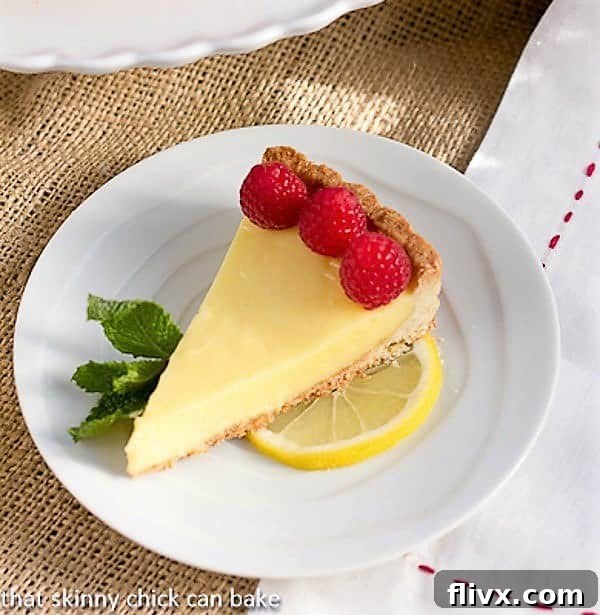
Mastering Your French Lemon Tart: Recipe Tips and Tricks
Achieving the perfect French Lemon Tart hinges on precision and technique for its two main components: the crust and the filling. Follow these expert tips for an unforgettable result.
- **The Perfect Shortbread Crust:** This recipe’s crust is a classic shortbread, designed for tenderness and a melt-in-your-mouth texture.
- PRO-Tip: Utilize Cold Butter. Just like with a traditional pastry crust, using very cold butter cut into small pieces is essential. This prevents the butter from fully incorporating into the flour, creating tiny pockets that release steam during baking, leading to an incredibly tender and crumbly crust rather than a tough one.
- **Mixing the Crust:** Pulse the flour, sugar, and salt with the cold butter in a food processor until the mixture resembles coarse crumbs. This quick method keeps the butter cold. Then, add the liquids (egg yolk and ice water) and process only until the mixture just begins to hold together when pinched. Overmixing develops gluten, which makes the crust tough.
- **Chilling is Crucial:** Once the dough is pressed into your tart pan, PRO-Tip: Chill the crust thoroughly before baking. This step is vital for two reasons: it prevents the crust from shrinking excessively during baking, and it allows any gluten strands that may have developed during mixing to relax, ensuring a more tender final product.
- **Blind Baking for Crispness:** Don’t skip blind baking the crust. Lining it with foil and filling with pie weights or dried beans helps it maintain its shape and prevents a soggy bottom once the filling is added. Bake until it’s set and lightly golden.
- **Crafting the Silky Lemon Sabayon Filling:** The filling, adapted from the renowned Thomas Keller, requires careful attention to achieve its signature luxurious texture.
- **Constant Whisking is Key:** When cooking the sabayon over a double boiler, constant and vigorous whisking is paramount. This prevents the eggs from scrambling and helps the mixture thicken evenly into a smooth, light custard.
- **Watch for Thickness, Not Time:** While recipes provide estimated cooking times, prioritize the consistency of your sabayon. It needs to reach the consistency of a loose pudding while still in the double boiler. If it appears runny, continue heating and whisking until it visibly thickens and coats the back of a spoon. Mine often takes longer than specified, so be patient and observe the texture. The filling will continue to thicken further as it cools.
- **The Power of Fresh Lemon Juice:** PRO-Tip: Always, without exception, use freshly squeezed lemon juice. Bottled lemon juice lacks the vibrant acidity, complex flavor, and bright aroma that is absolutely necessary for the authentic taste of this tart. The difference is truly astounding and non-negotiable for a superior result.
- **Incorporating Butter for Richness:** After removing the sabayon from the heat, whisk in cold butter pieces one at a time. This technique, known as “monter au beurre,” adds incredible richness, gloss, and a silky mouthfeel to the finished custard.
- **Serving and Presentation:**
- **Garnishing for Appeal:** I adore adorning my desserts with fresh berries, and any type will work beautifully here. Strawberries, raspberries, or blueberries provide a lovely burst of color and a fresh counterpoint to the lemon. The vibrant contrast of colorful berries against the sunny yellow of the lemon tart makes for an absolutely stunning presentation.
- **A Touch of Whipped Cream:** For an extra layer of decadence, especially if serving company, a small dollop of lightly sweetened whipped cream will push this tart over the top. It adds a cloud-like texture and a subtle richness that complements the tartness perfectly.
- **Optimal Serving Temperature:** While delicious at room temperature, chilling the tart for a few hours before serving allows the filling to fully set, ensuring clean, elegant slices.
- **Storage:** Leftover tart should be stored in the refrigerator, covered loosely with plastic wrap. It will remain fresh and delicious for 2-3 days.
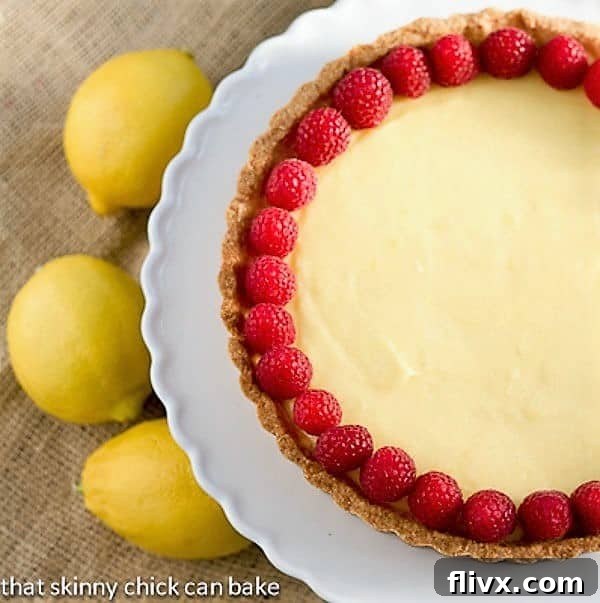
Frequently Asked Questions About Tarte au Citron
Sabayon is a light, foamy, and rich custard made by whisking egg yolks, sugar, and typically a liquid (like wine, liquor, or, in this case, lemon juice) over simmering water (a bain-marie) until the mixture thickens into a delicious, airy confection. It’s the French counterpart to the Italian Zabaglione.
Directly translated from French to English, “Tarte au Citron” means “tart with lemon” or simply “lemon tart.” It’s the classic French term for this beloved citrus dessert.
The flavor distinction between fresh and bottled lemon juice is monumental. Fresh lemon juice delivers a bright, complex, and zesty aroma and taste that bottled juice simply cannot replicate. Bottled versions often have a flatter, sometimes metallic, flavor due to processing and preservatives, which dulls the vibrant citrus notes essential for a truly outstanding lemon tart. It’s the difference between merely lemony and truly exquisite lemon.
Absolutely! The French Lemon Tart is an excellent make-ahead dessert. You can prepare the crust and blind bake it a day in advance. The filling can also be made a day ahead and refrigerated. Assemble the tart just before serving, or assemble and chill for at least 4 hours (preferably overnight) before slicing for the best results.
Several steps help prevent a soggy crust. First, ensure your butter is very cold for the crust and avoid overworking the dough. Second, chilling the crust before baking helps it hold its shape. Most importantly, blind baking the crust until it is golden brown and firm, both on the bottom and sides, creates a barrier against the moist filling.
You’ll need a 9-inch tart pan with a removable bottom, a food processor (for the crust, though it can be done by hand), a large metal bowl for the sabayon, a whisk, a pot for simmering water (to create a double boiler), and pie weights or dried beans for blind baking.
More Irresistible Lemon Dessert Recipes
If you’ve fallen in love with the bright, zesty allure of citrus desserts, you’re in for a treat! Explore these other fantastic lemon-infused creations:
- Strawberry Lemon Blondies from The View From Great Island
- Greek Lemon Bundt Cake
- Best Lemon Bars
- Glazed Lemon Scones
- Plus, delve into all my other delightful Lemon Recipes for more inspiration!
Stay connected and share your culinary adventures with me across social media! Find me @ Instagram, Facebook, and Pinterest. Don’t forget to tag me when you try one of my recipes – I absolutely love seeing your creations! And if this French Lemon Tart becomes your new obsession, please consider giving it a 5-star rating in the recipe card below. Your feedback helps other bakers discover these delicious recipes!
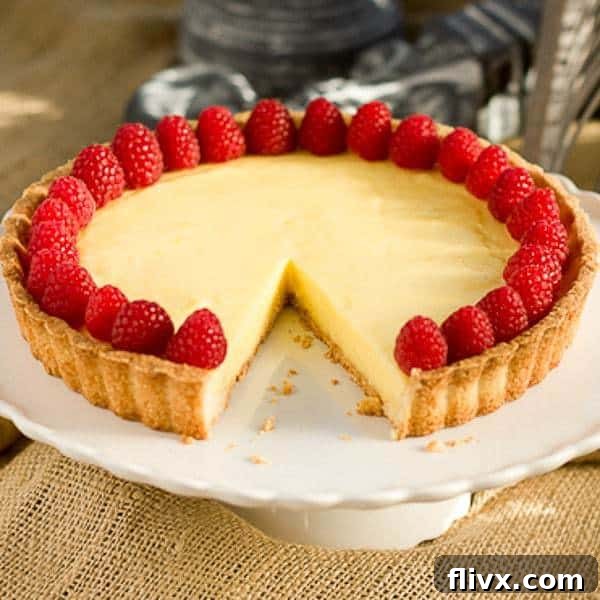
Classic Tarte au Citron (French Lemon Tart) Recipe
30 minutes
1 hour
1 hour 30 minutes
8 servings
A sublime, authentic French lemon tart featuring a buttery shortbread crust and a rich, tangy lemon sabayon, adapted from Thomas Keller and Bon Appetit.
Rated 4.8 out of 5 stars based on 8 reviews.
Ingredients
For the Crust:
- 1 cup plus 2 tablespoons (about 140g) all-purpose flour
- ¼ cup (50g) granulated sugar
- ¼ teaspoon salt
- 7 tablespoons (approx. 100g) cold unsalted butter, cut into small pieces
- 1 large egg yolk, cold
- 1 tablespoon ice water
For the Lemon Sabayon Filling:
- 2 large whole eggs, cold
- 2 large egg yolks, cold
- ¾ cup (150g) granulated sugar
- ½ cup (120ml) fresh lemon juice (from about 3-4 lemons)
- 6 tablespoons (3 ounces / 85g) cold unsalted butter, cut into small pieces
Instructions
- Prepare the Crust: In a food processor, combine the flour, sugar, and salt. Add the cold butter pieces and pulse using on/off turns until the mixture forms coarse crumbs.
- In a small bowl, whisk together the egg yolk and ice water. Add this liquid mixture to the crumb mixture in the food processor. Process only until the dough just begins to clump together. Be careful not to overmix.
- Press the dough evenly over the bottom and up the sides of a 9-inch tart pan with a removable bottom. Use your fingers or the bottom of a glass to create an even layer. Trim any excess dough from the edges. Pierce the crust all over with a fork to prevent bubbling. Chill the prepared crust in the refrigerator for at least 30 minutes.
- Blind Bake the Crust: Preheat your oven to 350°F (175°C). Line the chilled crust with aluminum foil or parchment paper, pressing it gently against the sides. Fill the lined crust with dried beans or ceramic pie weights.
- Bake for approximately 20 minutes, or until the crust is set. Carefully remove the foil and beans/weights. Continue baking for another 20 minutes, or until the crust is pale golden brown. If the crust bubbles during this stage, gently press it down with the back of a fork. Transfer the baked crust to a wire rack to cool completely.
- Prepare the Lemon Sabayon Filling: Bring about 1½ inches of water to a gentle boil in a medium pot. Ensure the pot is slightly smaller in diameter than the large metal bowl you will use for the filling, so the bowl can sit snugly on top without touching the water.
- Meanwhile, in the large metal bowl, whisk together the whole eggs, egg yolks, and granulated sugar vigorously for about 1 minute, until the mixture is smooth and slightly pale.
- Place the metal bowl over the pot of simmering water (creating a double boiler). Using a large whisk, constantly whip the mixture. For even heating, you can also slowly turn the bowl as you whisk.
- After about 2 minutes, when the eggs are foamy and have begun to thicken slightly, add one-third of the fresh lemon juice to the mixture, continuing to whisk constantly.
- Continue to whisk vigorously, and once the mixture visibly thickens again, add another one-third of the lemon juice.
- Whisk until the mixture thickens once more, then add the remaining lemon juice. Continue whisking vigorously and turning the bowl until the sabayon is thick, light in color, and the whisk leaves a distinct trail in the bottom of the bowl as you lift it. This process can take anywhere from 8 to 20 minutes; focus on the consistency rather than the clock. The filling should resemble a loose pudding.
- Turn off the heat but leave the bowl over the hot water. Add the cold butter pieces to the sabayon one at a time, whisking continuously until each piece is fully incorporated and the filling is smooth and glossy. The filling might loosen slightly at this stage, but it will thicken beautifully as it cools.
- Assemble and Chill: Pour the warm lemon sabayon filling into the cooled, blind-baked tart crust. Carefully place the tart pan on a baking sheet for easier handling.
- Chill the tart in the refrigerator for at least 4 hours, or preferably overnight, until the filling is completely set. This chilling is essential for clean slices.
- Serve the Tarte au Citron chilled or at room temperature. Garnish with fresh raspberries or other berries, and a dollop of sweetened whipped cream, if desired, for an exquisite presentation.
Notes
For the neatest slices and a perfectly set filling, ensure your tart is thoroughly chilled before serving. An overnight chill works wonders!
Nutrition Information:
Yield:
8
Serving Size:
1 slice
Amount Per Serving (approximate):
Calories: 322Total Fat: 22gSaturated Fat: 13gTrans Fat: 1gUnsaturated Fat: 8gCholesterol: 189mgSodium: 252mgCarbohydrates: 28gFiber: 0gSugar: 25gProtein: 4g
HOW MUCH DID YOU LOVE THIS RECIPE?
Please leave a comment on the blog or share a photo on Pinterest and tag me!