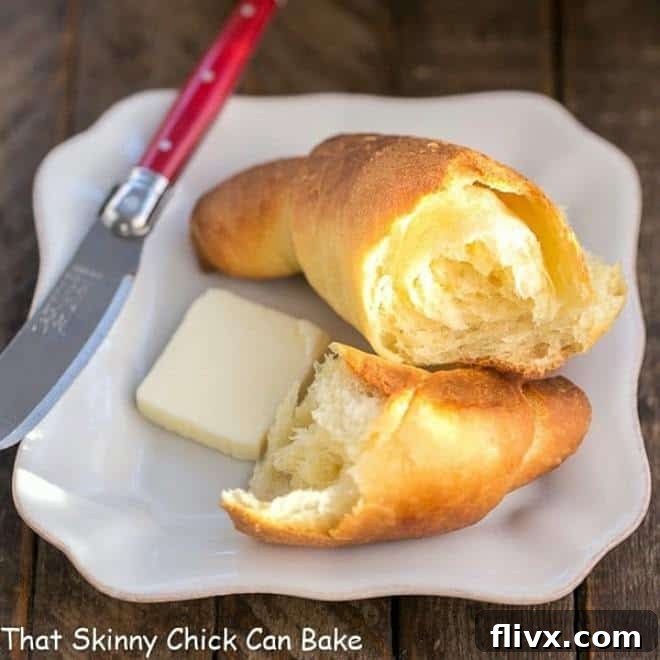
There’s an undeniable magic in freshly baked bread, and when it comes to rolls, nothing quite compares to the tender, flaky, and unbelievably buttery delight of Homemade Crescent Rolls. This made-from-scratch recipe isn’t just a meal accompaniment; it’s an experience, a memory in the making that will have your family raving and reaching for seconds, then thirds! Forget the canned versions; once you taste these luscious, golden-brown beauties, there’s no turning back.
For years, my household, like many others, indulged in the convenience of store-bought or canned crescent rolls. They were a staple, especially for holiday feasts. But there’s a distinct difference between convenience and true culinary bliss. This journey began with a simple desire: to replicate that beloved crescent roll flavor, but with an unparalleled freshness and richness that only homemade can offer. What I discovered was a recipe that utterly transforms the dinner table, elevating any meal from ordinary to extraordinary. These scratch-made buttery dinner rolls outshine their canned counterparts by a mile, becoming an instant family favorite.
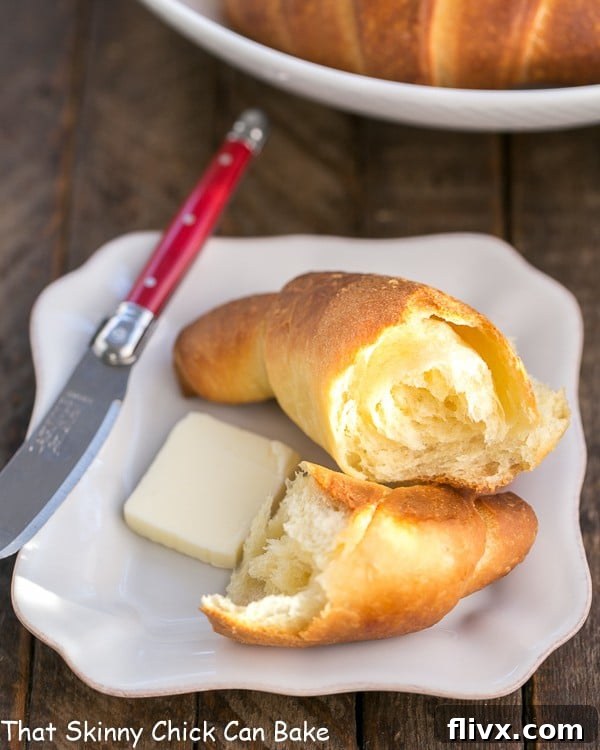
Why You Must Make These Homemade Crescent Rolls
Investing a little time in baking from scratch yields dividends in flavor and satisfaction that you simply can’t buy. Here’s why this particular crescent rolls recipe will become a cherished staple in your kitchen:
- Unrivaled Flavor and Texture: These aren’t just rolls; they’re delicate, cloud-like pockets of pure joy. Made with generous amounts of real butter, they boast an incredibly tender crumb and a visibly flaky exterior that melts in your mouth. The depth of flavor from fresh yeast and quality ingredients is simply unmatched by anything pre-packaged.
- A Taste of Authenticity: Unlike rolls from a can that often have a generic, somewhat artificial taste, these homemade yeast rolls celebrate natural flavors. You control every ingredient, ensuring a wholesome and utterly delicious outcome that speaks of genuine home cooking.
- Perfect for Planning Ahead: Juggling holiday preparations or busy weeknights? These rolls are incredibly freezer-friendly! Prepare a double batch, bake some now, and freeze the rest for later. This convenience means you can always have a stash of gourmet-quality dinner rolls ready for any occasion, proving that homemade doesn’t always mean last-minute stress.
- Become the Star Baker: Imagine the compliments when guests ask where you purchased these magnificent rolls, and you proudly announce they’re homemade! There’s an immense satisfaction in serving something so exquisitely crafted by your own hands. You’ll not only impress everyone with your baking prowess but also create lasting culinary memories.
- Versatility for Any Meal: While perfect for holiday tables, these buttery wonders are also ideal for Sunday dinner, a special brunch, or simply to elevate an everyday meal. Their rich flavor complements savory dishes beautifully, and their soft texture makes them delightful with just a smear of jam or honey.
Holiday planning often dictates reaching for convenience items, and fresh rolls from the market are a common choice. After all, making everything from scratch can feel daunting! But with a bit of foresight, you can elevate your holiday spread without the last-minute rush. This year, I got ahead of the game by baking a large batch of these flaky, buttery homemade crescent rolls and freezing half of them. Stored in an airtight, freezer-safe bag with as much air removed as possible, these dinner rolls tasted absolutely fabulous after a gentle defrost and quick warming. The anticipation of biting into a warm, fluffy roll, knowing it was made with love and superior ingredients, is a treat in itself.
Ingredient Notes for Perfect Crescent Rolls
The secret to exceptional baking lies in understanding your ingredients. While this recipe uses common pantry staples, a few nuances can make all the difference in achieving that perfect tender, flaky texture and rich, buttery flavor.
- Kitchen Staples: Butter, Sugar, Flour, Salt – These form the foundation of most baking recipes. Ensure your butter is of good quality, as its flavor will shine through prominently. All-purpose flour is typically sufficient, but using a bread flour might lend a slightly chewier texture if preferred. Fine-grain salt is best for even distribution.
- Skim Milk – The recipe specifically calls for skim milk, but don’t fret if you only have other fat percentages on hand. I frequently use 2% milk, and it yields equally fantastic results. The lower fat content of skim milk can sometimes contribute to a slightly lighter dough, but the rich butter in this recipe will ensure plenty of tenderness regardless.
- Eggs – Always use large eggs for consistency in baking recipes unless otherwise specified. Eggs add richness, help with structure, and contribute to the beautiful golden color of the baked rolls. Ensure they are at room temperature for better incorporation into the dough.
- Instant Yeast – I highly recommend using a reliable instant yeast, such as Red Star Platinum Yeast, for consistent results. Instant yeast is fantastic because it can be mixed directly into your dry ingredients without prior proofing, saving a step. PRO-Tip: Always check the expiration date on your yeast package before you begin baking. Expired yeast is the most common culprit for doughs that don’t rise. If you’re unsure of its potency, you can test it: combine 1 teaspoon of sugar and 2 ¼ teaspoons of yeast (one standard envelope) with ¼ cup of warm water (around 105-115°F or 40-46°C). Let it sit for 10 minutes. If the mixture becomes bubbly and smells distinctly yeasty, your yeast is active and ready to use. If not, it’s time for a fresh packet!
- Egg White Glaze – A simple egg white beaten with 1 teaspoon of water creates a wonderful glaze. Brushing this mixture over your rolls just before baking gives them a beautiful, shiny, golden-brown crust that enhances their visual appeal and adds a subtle crispness.
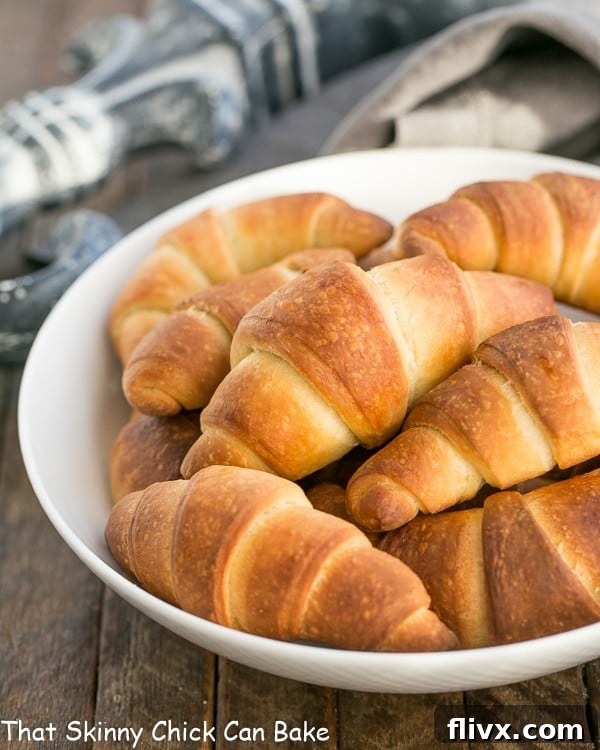
Expert Tips for Flawless Crescent Rolls
Baking yeast bread can seem intimidating, but with a few expert insights, you’ll be rolling out perfect crescent rolls like a seasoned pro. This recipe, while incredibly rewarding, involves a significant amount of butter in the dough, which contributes to its incredible richness and flakiness. Consequently, you might find the dough a bit sticky, requiring a little extra flour during rolling, and that’s perfectly fine!
- Mastering the Timeline: The most “difficult” aspect of this recipe isn’t the technique, but rather the planning. These rolls require patience and respect for yeast dough’s natural progression. You’ll have an initial 3-hour proofing period, followed by a substantial 8-12 hour (or even overnight) refrigeration stint. This cold fermentation is crucial for developing flavor and making the dough easier to handle. Once this resting period concludes, the shaped, unbaked buttery crescent rolls need to come to room temperature before their final bake. This multi-stage process results in an incredibly tender, flavorful roll, so plan accordingly for maximum enjoyment.
- Pre-Baking for Ultimate Convenience: For those seeking maximum make-ahead flexibility, consider a method championed by Cook’s Illustrated: pre-bake your formed crescent rolls for only 4 minutes at 350°F (175°C). Once slightly set but not fully browned, pop them into the freezer. When you’re ready to serve, simply defrost these partially baked rolls and finish baking them for 12-16 minutes until golden and puffed. This trick is a game-changer for holiday entertaining or meal prepping!
- Quality Ingredients are Key: Just as with any recipe, the quality of your ingredients directly impacts the final product. Always use high-quality butter – it makes a noticeable difference in flavor and texture. And as mentioned, double-check your yeast’s expiration date! Nothing is more disheartening than mixing a beautiful dough only for it to refuse to rise. Fresh, active yeast is your best friend in bread making.
- Don’t Over-Flour: While a little extra flour might be needed for rolling out the buttery dough, resist the urge to add too much. Excessive flour can lead to dry, dense rolls. Use just enough to prevent sticking, keeping your workspace and rolling pin lightly dusted.
- The Art of Rolling: When forming your crescent shapes, aim for an even roll from the wide end to the pointed tip. Gently stretching each triangle of dough an extra 2 to 3 inches before rolling helps create those beautiful, distinct layers and the classic crescent shape.
- Creating a Humid Baking Environment: The instruction to pour boiling water into a separate baking sheet on the lower rack is brilliant. This creates steam in your oven, which helps the rolls achieve a magnificent rise, a wonderfully tender interior, and a thin, crisp crust. Don’t skip this step!
Frequently Asked Questions About Crescent Rolls
Absolutely! This recipe is excellent for make-ahead convenience. You can prepare and refrigerate the dough for up to 3 days before shaping and baking. Additionally, as mentioned in our expert tips, you can partially bake and freeze the rolls. For even longer storage, fully baked and cooled rolls can be stored in an airtight container or a freezer-safe Ziploc bag (ensuring all excess air is removed) in the freezer for up to 3 months. This flexibility makes them perfect for busy schedules or holiday meal prep.
Freshly baked crescent rolls are best enjoyed the day they are made, but leftovers can certainly be saved. Store them in an airtight container at room temperature for up to 3 days. If you need them to last a bit longer, storing them in the refrigerator can extend their freshness for a couple of extra days. For optimal long-term storage, freezing is the best option, allowing them to keep for up to 3 months.
Bringing leftover rolls back to their soft, warm glory is simple! If they are at room temperature or refrigerated, a quick warm-up in the microwave (just a few seconds per roll) or oven will do the trick. For oven reheating, wrap them loosely in foil and warm in a 350°F (175°C) oven for 5-10 minutes. This helps prevent them from drying out. If your rolls are frozen, always defrost them first at room temperature or in the refrigerator before warming.
The Ultimate Holiday Dinner Rolls
These buttery homemade crescent rolls are more than just a side dish; they are a culinary celebration. The effort, while requiring planning, is undeniably worth it. Imagine the aroma filling your home, the tender, flaky texture, and the rich, buttery taste that transports you back to cherished childhood memories, but with a gourmet twist. Treat your family to these ultimate holiday dinner rolls, and watch them disappear faster than you can say “more butter!” They truly are a testament to the simple joy of baking from scratch.
You May Also Love These Bread Recipes
- Homemade Orange Rolls
- Classic Cinnamon Rolls
- Whole Wheat Dinner Rolls
- Japanese Milk Bread
- More of the Best Yeast Bread Recipes
Stay in touch through social media @ Instagram, Facebook, and Pinterest. Don’t forget to tag me when you try one of my recipes! And if you love the results, please consider leaving a 5-star rating and comment below to share your experience with fellow bakers.
Buttery Homemade Crescent Rolls
A homemade version of the buttery crescent rolls you love, elevated to perfection!
Ingredients
- ¾ cup skim milk
- 16 tablespoons unsalted butter, cut into 16 pieces
- ¼ cup granulated sugar
- 3 large eggs
- 4 cups all-purpose flour
- 1 teaspoon instant yeast (e.g., Red Star Platinum Yeast)
- 1 ½ teaspoons fine sea salt
- 1 egg white, lightly beaten with 1 teaspoon water (for glazing)
Instructions
- In a 4-cup Pyrex measuring cup or small saucepan, gently heat the skim milk, butter pieces, and sugar until the butter is mostly melted and the mixture is warm to the touch (around 105-115°F or 40-46°C). Whisk well to ensure all ingredients are combined.
- In a separate medium bowl, lightly beat the 3 large eggs. Gradually drizzle about one-third of the warm milk mixture into the eggs, whisking constantly to temper the eggs and prevent scrambling. Slowly whisk in the remaining milk mixture until fully incorporated.
- Using a stand mixer fitted with the paddle attachment, combine the flour and instant yeast on low speed for about 15 seconds until uniformly mixed.
- With the mixer running on low, slowly add the egg and milk mixture in a steady stream to the dry ingredients. Mix for approximately 1 minute until a shaggy dough forms. Increase the mixer speed to medium and beat for 1 minute. Gradually add the salt and continue beating for about 3 more minutes, or until the dough develops stronger gluten webs. The dough will remain quite loose and sticky, not forming a cohesive ball, which is expected.
- Transfer the sticky dough to a large bowl that has been lightly greased. Cover the bowl tightly with plastic wrap and let the dough rise at room temperature until it has doubled in size and feels tacky to the touch, typically about 3 hours.
- Once risen, prepare a rimmed baking sheet by lining it with plastic wrap. Lightly sprinkle the dough with a small amount of flour (no more than 2 tablespoons) to prevent excessive sticking, then gently press down on the dough to deflate it.
- Carefully transfer the deflated dough to a lightly floured counter. Gently press and shape the dough into a rough rectangular form.
- Transfer this dough rectangle to the prepared plastic-lined baking sheet, cover it again with plastic wrap, and refrigerate for a minimum of 8 hours, or ideally, overnight (up to 12 hours). This chilling period is crucial for flavor development and ease of handling.
- After chilling, remove the dough from the refrigerator. Lightly flour your counter again and line a clean baking sheet with parchment paper. Roll the cold dough into a uniform 20 by 13-inch rectangle.
- Using a sharp knife or pizza cutter, cut the dough in half lengthwise to create two long rectangles. Then, cut each rectangle into 8 triangles. Trim the edges as needed to ensure all triangles are roughly uniform in size.
- Before rolling each crescent, gently elongate each dough triangle, stretching it an additional 2 to 3 inches in length from the wide base to the pointed tip. This helps create more layers.
- Starting at the wide end of an elongated triangle, gently roll the dough upwards, tucking the sides slightly as you go, until you reach the pointed tip. Ensure the pointed tip ends up on the bottom to seal the roll. Gently push the ends of the roll towards each other to form a classic crescent shape.
- Arrange the formed crescent rolls in 4 rows on the parchment-lined baking sheet. Cover the entire baking sheet tightly with plastic wrap and refrigerate for at least 2 hours, or up to 3 days, until ready to bake.
- Approximately 1 hour before you plan to bake, remove the baking sheet with the chilled rolls from the refrigerator. Allow them to rise at room temperature until they feel slightly tacky and soft to the touch and have lost their refrigerator chill.
- Thirty minutes before baking, adjust your oven racks to the lower-middle and lowest positions. Place a second empty, rimmed baking sheet on the lowest rack. Preheat your oven to 425°F (220°C).
- Bring 1 cup of water to a boil on your stovetop. While the water boils, lightly brush the risen crescent rolls with the egg white mixture prepared earlier.
- Working quickly and carefully, place the baking sheet with the egg-washed rolls onto the upper-middle rack in the preheated oven. Immediately pour the boiling water onto the empty rimmed baking sheet on the lower rack (this creates steam for a beautiful crust and rise), then quickly close the oven door.
- Bake the rolls for 10 minutes at 425°F (220°C). After 10 minutes, reduce the oven temperature to 350°F (175°C) and continue baking for another 12 to 16 minutes, or until the tops and bottoms of the rolls are a deep, rich golden brown.
- Transfer the baked crescent rolls to a wire rack. Let them cool for about 5 minutes before serving warm. Enjoy the incredible buttery goodness!
Notes
This fantastic recipe has been adapted from Cook’s Illustrated, a trusted source for precise and perfected techniques.
Recommended Products
As an Amazon Associate and member of other affiliate programs, I earn from qualifying purchases.
- USA Pan Bakeware Half Sheet Pan
- Reynolds Kitchens Non-Stick Baking Parchment Paper Sheets
- KitchenAid KSM150PSER Artisan Tilt-Head Stand Mixer
Nutrition Information:
Yield: 16 rolls
Serving Size: 1 roll
Amount Per Serving:
Calories: 247
Total Fat: 13g
- Saturated Fat: 8g
- Trans Fat: 0g
- Unsaturated Fat: 4g
Cholesterol: 66mg
Sodium: 312mg
Carbohydrates: 28g
- Fiber: 1g
- Sugar: 4g
Protein: 5g
/
Category: Bread