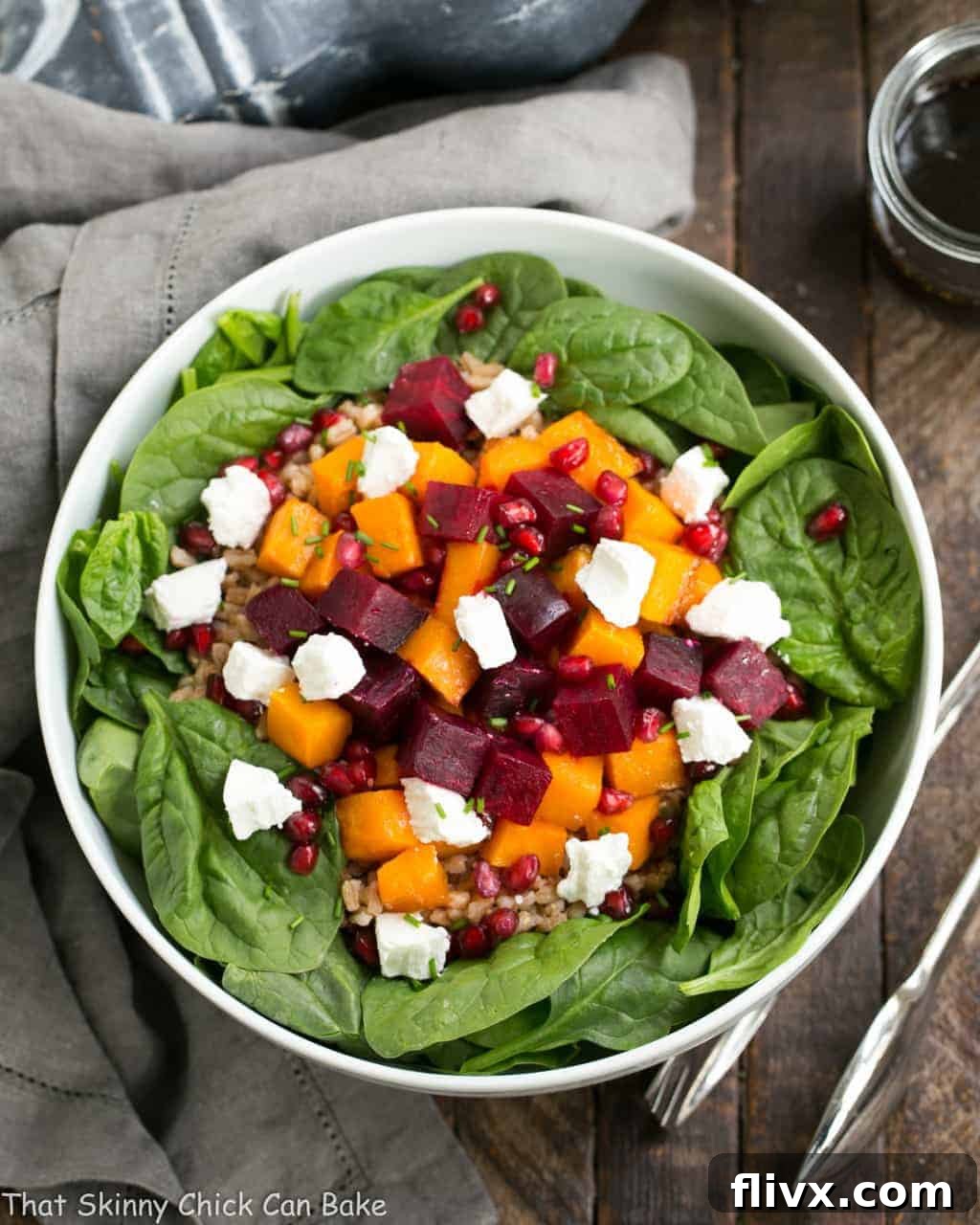
Delight your senses and warm your soul with this exquisite Roasted Fall Vegetable Salad, perfectly complemented by a luscious Maple Balsamic Vinaigrette. It’s the ultimate vibrant side dish to elevate your autumn dining experience!
This post is proudly sponsored by Rubbermaid, and as always, all opinions expressed are entirely my own.
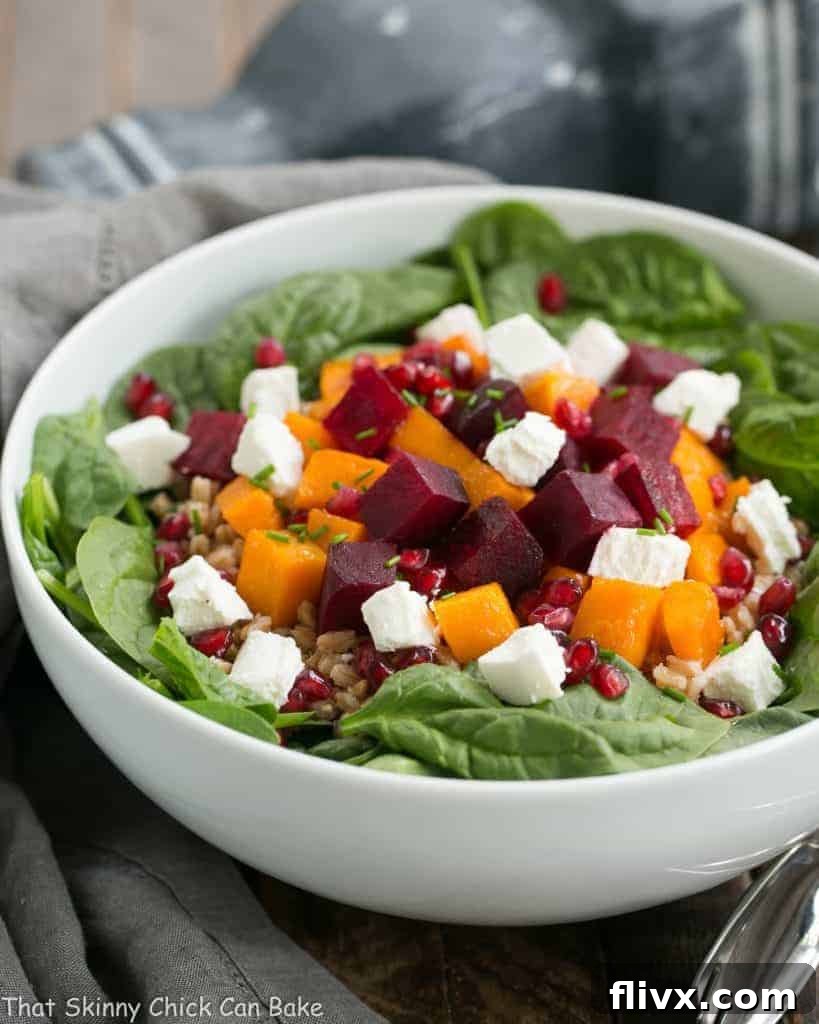
Embracing Autumn Flavors: The Roasted Fall Vegetable Salad
As the vibrant hues of summer fade and the chill of autumn settles in, my kitchen transforms, shifting its focus from crisp, tender garden produce to the comforting warmth of roasted root vegetables. There’s a particular magic in this seasonal transition, a joy in embracing the earthy sweetness and robust textures that fall produce offers. This Roasted Fall Vegetable Salad with Maple Balsamic Vinaigrette is a celebration of everything I adore about autumn cooking – it’s hearty, incredibly flavorful, and beautifully vibrant.
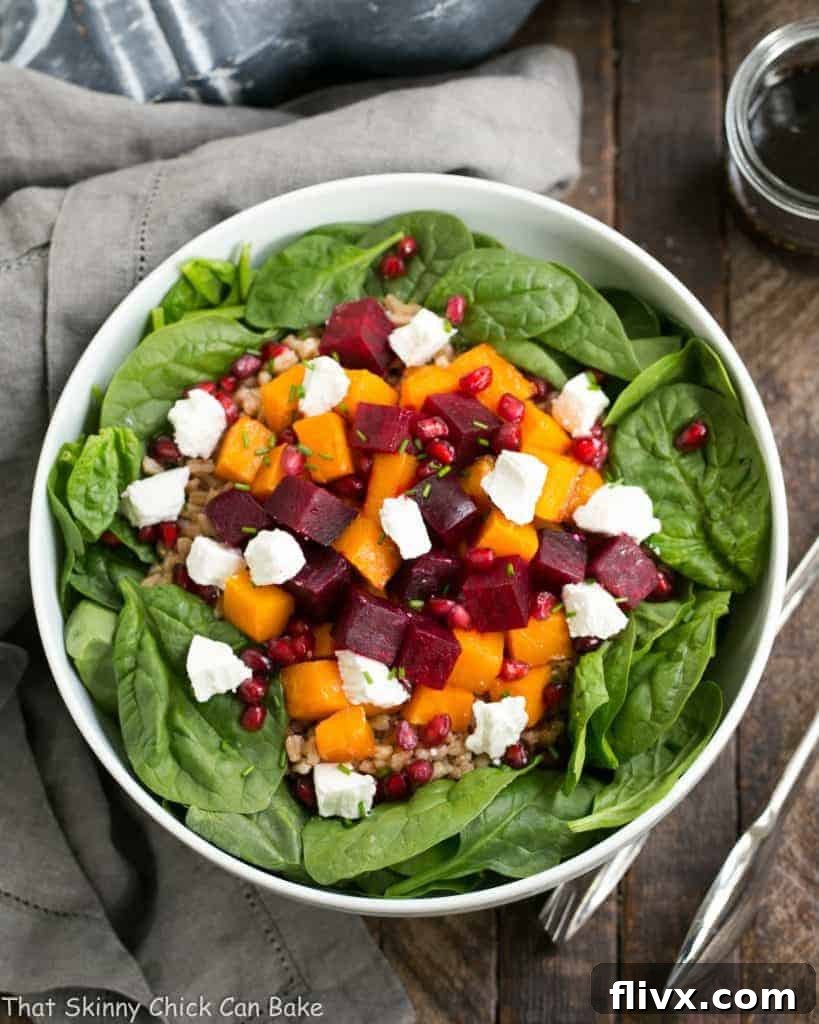
For this particular rendition, I’ve brought together the best of fall: tender, sweet butternut squash and deeply flavored roasted beets. These glorious vegetables are then layered with fresh, peppery baby spinach, chewy farro for a satisfying texture, and creamy goat cheese, which adds a delightful tang. What truly brings this salad together, however, is an incredible Maple Balsamic Vinaigrette. Its sweet and tangy notes are the perfect autumnal echo, tying all the diverse textures and flavors into a harmonious culinary experience.
This salad isn’t just a meal; it’s an experience. The roasting process caramelizes the natural sugars in the vegetables, intensifying their flavors and giving them a tender, almost melt-in-your-mouth quality. The combination of ingredients provides a fantastic balance of sweet, savory, tangy, and earthy, making it an ideal side dish for a holiday feast or a substantial main course for a cozy weeknight dinner. It’s a true testament to the abundance and beauty of the fall harvest.
The Magic of Roasting Fall Vegetables: Butternut Squash and Beets
Roasting vegetables is a simple technique that yields profound flavor. The high heat of the oven transforms humble ingredients, concentrating their natural sweetness and creating wonderfully tender textures. For this salad, we focus on two fall superstars: butternut squash and beets.
Butternut Squash: A Golden Delight
Butternut squash is a quintessential fall vegetable, known for its sweet, nutty flavor and smooth, creamy texture when cooked. When roasted, its natural sugars caramelize, giving it a rich, golden-brown exterior and an even more intense sweetness. It’s also packed with vitamins A and C, making it a nutritious addition to any meal. Preparing butternut squash can sometimes be a bit daunting due to its firm skin, but a sharp knife and a bit of patience make it easy to peel, deseed, and cube. Tossing it with a touch of olive oil, maple syrup, and salt before roasting ensures every piece gets that perfect golden char and irresistible flavor.
Beets: Earthy and Vibrant
Beets bring a beautiful, deep crimson hue to this salad, along with an earthy sweetness that perfectly complements the butternut squash. Roasting beets whole in foil helps them steam in their own juices, resulting in incredibly tender, easy-to-peel roots that retain their vibrant color and concentrated flavor. Beyond their striking appearance and delicious taste, beets are a nutritional powerhouse, rich in fiber, folate, and vitamin C. Their unique flavor profile adds a grounding element to the salad, balancing the lighter, sweeter notes.
The beauty of roasting these vegetables together is not just the convenience, but the way their individual characteristics come alive, creating a foundation of flavor and texture that makes this salad truly unforgettable. A simple sheet pan and a hot oven are all you need to unlock their delicious potential.
Building the Perfect Salad: Farro, Spinach, and Goat Cheese
While the roasted vegetables form the soulful core of this dish, the supporting cast of farro, fresh spinach, and goat cheese elevate it into a truly satisfying and well-rounded meal. Each component adds its own unique contribution to the salad’s overall appeal.
Farro: The Hearty Grain
Farro, an ancient grain, is a fantastic choice for adding substance and a delightful chewiness to salads. Unlike lighter grains, farro holds its shape beautifully and offers a satisfying bite that complements the tender roasted vegetables. It’s also a good source of fiber and protein, making this salad even more nourishing. Cooking farro is straightforward, much like rice or pasta, and can be done ahead of time. Once cooked and cooled, it absorbs the flavors of the dressing wonderfully, becoming a flavorful and grounding element in the salad.
Baby Spinach: Freshness and Vitality
Fresh baby spinach provides a crisp, slightly peppery counterpoint to the warm, roasted vegetables and grains. Its delicate leaves create a fresh bed for the other ingredients and contribute a wealth of vitamins and minerals, including iron and vitamin K. The contrast between the wilted spinach, lightly dressed, and the robust roasted vegetables is simply sublime. Using fresh, high-quality spinach is key to the salad’s overall freshness and visual appeal.
Goat Cheese: Creamy Tang
Crumbled goat cheese is the perfect finishing touch, adding a creamy texture and a distinctive tangy flavor that cuts through the richness of the roasted vegetables and the sweetness of the maple vinaigrette. Its soft, crumbly consistency melts ever so slightly when mixed with the warm ingredients, creating pockets of delightful flavor in every bite. If goat cheese isn’t your preference, feta cheese or even a soft blue cheese could be interesting alternatives, but the classic tang of goat cheese is highly recommended for its balancing effect.
Crafting the Perfect Drizzle: Maple Balsamic Vinaigrette
No salad is complete without the perfect dressing, and this Maple Balsamic Vinaigrette is truly the star that unifies all the wonderful elements of our Roasted Fall Vegetable Salad. It’s remarkably easy to make at home and offers a depth of flavor far superior to any store-bought alternative.
The combination of balsamic vinegar, Dijon mustard, and maple syrup creates a balanced profile that is both sweet and tangy, with a subtle kick from the mustard. Balsamic vinegar provides a rich, complex acidity, while Dijon mustard acts as an emulsifier, helping the dressing come together smoothly and preventing the oil and vinegar from separating. The addition of maple syrup is where the autumn essence truly shines. Its distinct, warm sweetness is a natural pairing for the earthy roasted vegetables, enhancing their caramelized notes without being overly sugary. A pinch of salt brings all these flavors into focus, ensuring a well-seasoned dressing.
Making the vinaigrette is a simple process: whisk together the balsamic vinegar, Dijon mustard, maple syrup, and salt. Then, slowly drizzle in the olive oil while continuously whisking. This gradual addition and constant agitation are crucial for achieving a beautifully emulsified, smooth, and cohesive dressing. The result is a glossy, flavorful vinaigrette that clings perfectly to every ingredient, adding moisture and a burst of autumnal taste to each mouthful.
Beyond the Plate: Extending Freshness with Rubbermaid FreshWorks
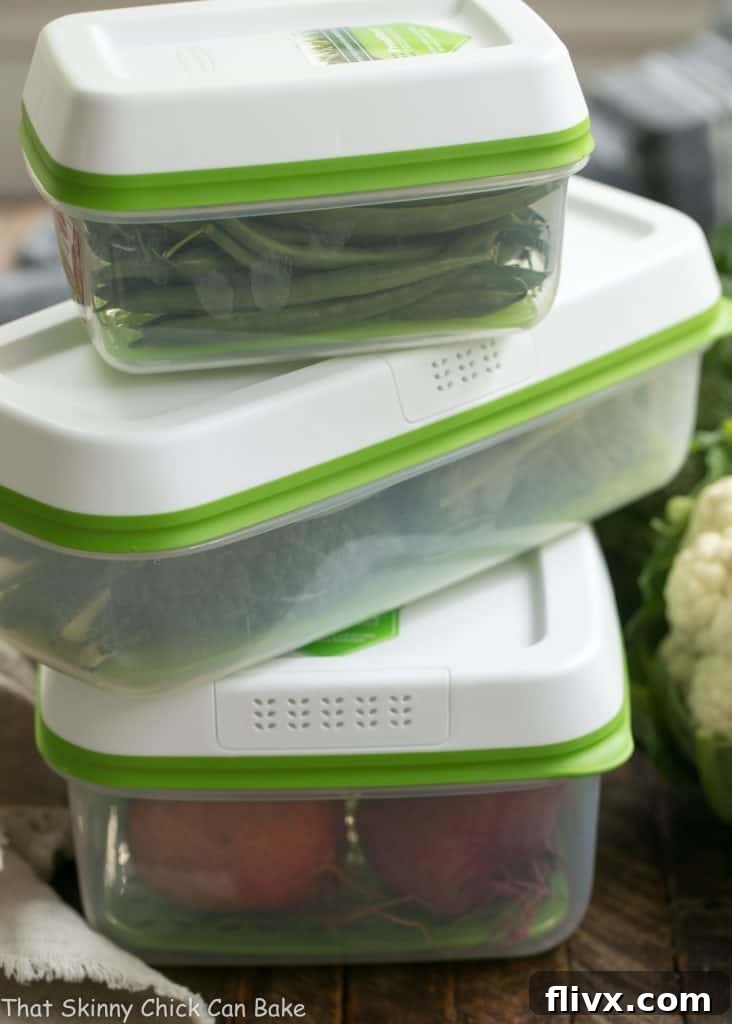
Have you ever found yourself frustrated by produce spoiling faster than you’d like? Especially delicate greens like spinach, or those expensive berries that seem to wilt or mold within days of bringing them home? It’s a common issue that contributes to food waste and unnecessary grocery expenses. That’s why I’m thrilled to share one of my favorite kitchen solutions: the Rubbermaid FreshWorks Produce Saver.
I’ve been an enthusiastic user of Rubbermaid FreshWorks Produce Savers ever since I started using them a while ago. The difference they make in extending the life of fresh produce is truly remarkable. For instance, baby spinach, a staple in my fridge for countless salads and omelets, now lasts at least twice as long when stored in these ingenious containers. My berries, precious and perishable, go straight from their grocery store packaging into my FreshWorks containers as soon as I walk through the door from the market.
It’s astonishing how much longer these pricey gems maintain their freshness, thanks to the innovative technology behind FreshWorks. Rubbermaid has even expanded its collection to include new sizes, perfectly optimized for specific items like green beans, asparagus, and tomatoes, though they are, of course, versatile enough for storing a wide array of other fruits and vegetables.
Understanding the FreshWorks Technology: A Closer Look
- Extended Freshness: Independent studies have consistently shown that FreshWorks containers can keep produce fresh for up to 80% longer compared to storing them in their original store packaging. This means fewer spoiled strawberries, crispier greens, and more time to enjoy your fresh produce.
- Patented FreshVent Technology: The lids of these containers feature a patented FreshVent technology. This isn’t just a simple vent; it actively regulates the flow of oxygen and carbon dioxide, creating an optimal microclimate inside the container. This controlled environment significantly slows down the ripening process, keeping your produce fresher for longer without any pumps or refills.
- No Pre-Washing or Cutting Needed: One of the most convenient aspects is that there’s no need for extra steps. You can transfer your produce directly from the grocery bag into the FreshWorks container without washing or cutting it first. This saves time and minimizes exposure to moisture which can accelerate spoilage.
- CrispTray Innovation: At the bottom of each FreshWorks container is a unique CrispTray. This perforated tray elevates the produce away from the base of the container, preventing it from sitting in accumulated moisture. This crucial design element ensures proper airflow around the produce and prevents sogginess, which is a major contributor to spoilage.
By investing in Rubbermaid FreshWorks Produce Savers, you’re not just buying containers; you’re investing in fresher food, less waste, and ultimately, saving money and time. It’s a simple change that makes a significant positive impact on your kitchen routine and your budget.
Roasted Fall Vegetable Salad Recipe with Maple Balsamic Vinaigrette
Prepare to impress with this delightful and wholesome fall salad!
30 minutes
Cook Time:
30 minutes
Total Time:
1 hour
Yield:
6 servings
Ingredients
- 2 medium sized beets
- 1 pound butternut squash, cut into ¾ inch cubes
- 1 tablespoon olive oil
- ¼ teaspoon salt
- 1 tablespoon maple syrup
- ½ cup farro
- 1 ½ cup chicken broth (or salted water)
- 5-ounce bag baby spinach
- 2-4 ounces goat cheese, cut into cubes
- ¼ cup balsamic vinegar
- 1 teaspoon Dijon mustard
- 1 tablespoon maple syrup
- pinch of salt
- ¼ cup olive oil
- 1 tablespoon pomegranate arils, optional, to garnish
- Chopped chives, optional, to garnish
Instructions
- Preheat the oven to 400ºF (200ºC).
- Wrap the beets in foil and roast for about 45 minutes or until tender when pierced with a fork. When cool enough to handle, peel and cut them into ¾-inch chunks.
- While the beets are roasting, place the butternut squash chunks on a separate sheet pan. Toss them with 1 tablespoon olive oil, 1 tablespoon maple syrup, and ¼ teaspoon salt until evenly coated. Add the sheet pan to the oven with the beets. Roast the squash for 15 to 20 minutes, turning once halfway through, until it’s tender and slightly caramelized.
- Cook the farro according to package instructions in chicken broth (or salted water) until it’s tender but still has a slight chew. Drain any excess liquid and let it cool to room temperature.
- Prepare the Maple Balsamic Vinaigrette: In a small bowl, whisk together the ¼ cup balsamic vinegar, Dijon mustard, 1 tablespoon maple syrup, and a pinch of salt. Slowly drizzle in the ¼ cup olive oil while continuously whisking until the dressing is well emulsified and smooth.
- Add a small amount of the prepared vinaigrette to the cooled farro, just enough to moisten it and infuse some flavor. Set aside.
- To assemble the salad, place half of the baby spinach in a large salad bowl. Layer with half of the dressed farro, half of the roasted beets and butternut squash, and half of the goat cheese cubes.
- Repeat the layering process with the remaining spinach, farro, beets, squash, and goat cheese.
- If desired, garnish the salad with vibrant pomegranate arils and freshly chopped chives. Drizzle generously with the remaining Maple Balsamic Vinaigrette and gently toss just before serving to combine all the delicious components.
Nutrition Information:
Serving Size: 1
Amount Per Serving:
Calories: 303
Total Fat: 20g
Saturated Fat: 7g
Trans Fat: 0g
Unsaturated Fat: 12g
Cholesterol: 19mg
Sodium: 576mg
Carbohydrates: 23g
Fiber: 4g
Sugar: 10g
Protein: 10g
Serving Suggestions and Customizations
This Roasted Fall Vegetable Salad is incredibly versatile and can be adapted to suit various tastes and occasions. While it shines as a hearty side dish for roasted chicken, pork tenderloin, or a Thanksgiving spread, it’s also substantial enough to be a light yet fulfilling vegetarian main course.
- For a Protein Boost: Add grilled chicken, pan-seared salmon, crispy chickpeas, or even hard-boiled eggs for extra protein, transforming it into a complete meal.
- Nutty Crunch: Toasted pecans, walnuts, or pumpkin seeds (pepitas) would add a delightful crunch and extra nutty flavor. Sprinkle them on top just before serving.
- Additional Fall Flavors: Consider adding thinly sliced apples or pears for a touch of fruitiness, or roasted Brussels sprouts for more green vegetable goodness. A sprinkle of fresh thyme or rosemary could also enhance the savory notes.
- Cheese Alternatives: If goat cheese isn’t your favorite, crumbled feta cheese, blue cheese, or even shaved Parmesan could offer interesting variations.
- Warm or Room Temperature: This salad is delicious served warm, with the roasted vegetables still slightly warm, or at room temperature. It makes for excellent leftovers too, though it’s best if the spinach is added fresh each time.
More Delicious Salad Recipes You’ll Love:
- Shaved Brussels Sprouts Salad
- Greek Quinoa Salad from Your Homebased Mom
- Hearts of Palm, Artichoke, Avocado and Butter Lettuce Salad
- 10 Favorite Salad Dressing Recipes from Gimme Some Oven
- Plus, some terrific Salad Ideas from Barefeet in the Kitchen
Kitchen Essentials Used in This Recipe:
- Stainless Steel Serving Tongs
- Wusthof Classic 6-inch Wave Knife
- OXO Non-Slip Cutting Board
- Kuhn Rikon 10-Inch French Wire Whisk
I hope this comprehensive guide inspires you to create your own delicious Roasted Fall Vegetable Salad with Maple Balsamic Vinaigrette. It’s a dish that truly embodies the essence of autumn, offering warmth, comfort, and incredible flavor in every bite. Enjoy the bounty of the season!
Please leave a comment on the blog or share a photo on Pinterest! Your feedback and creations mean the world.