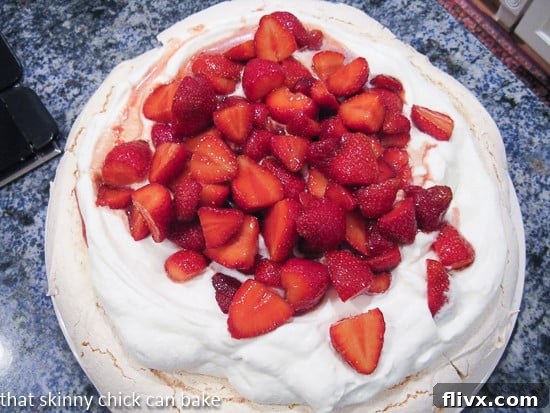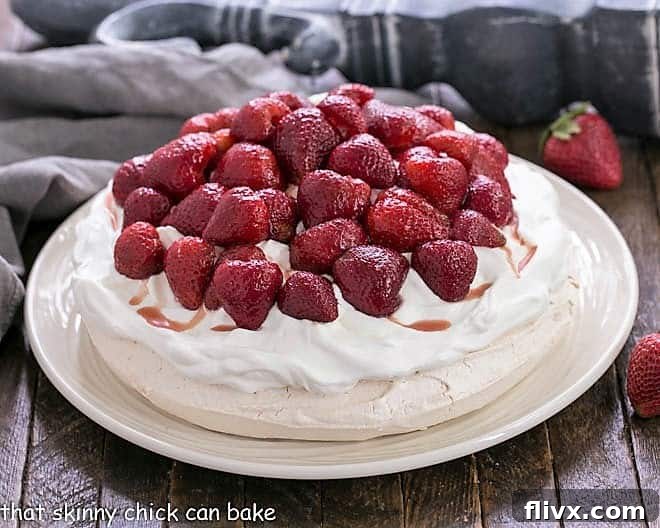
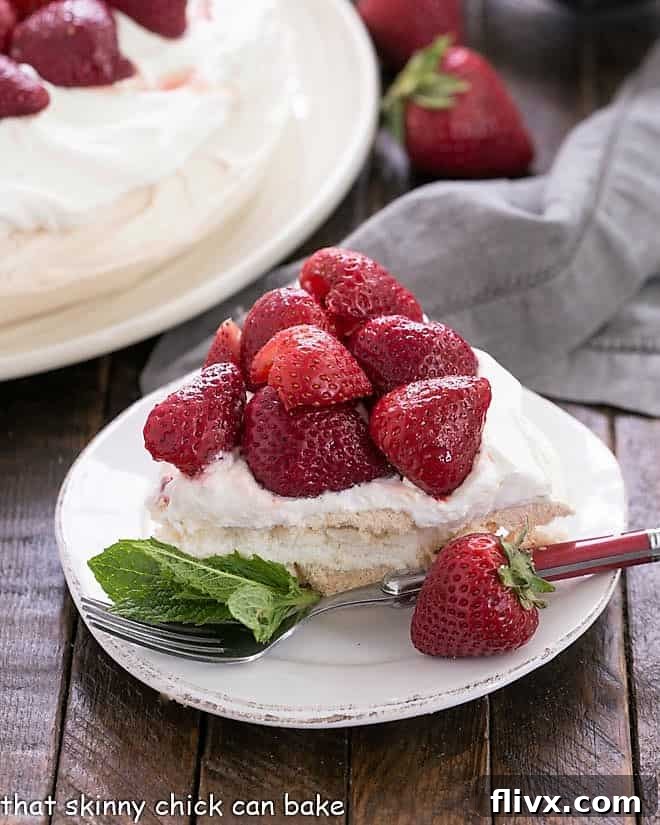
Prepare to be enchanted by this utterly magnificent Strawberry Pavlova recipe – a true celebration of textures and flavors that promises to be the crowning glory of any gathering. Featuring a famously “squidgy” yet crisp meringue shell, generously topped with a billowy cloud of sweetened whipped cream, and adorned with vibrant, balsamic-marinated strawberries, this dessert is nothing short of a showstopper. It’s an elegant masterpiece that looks far more complicated to create than it actually is, making it a perfect project for bakers of all skill levels.
Pavlova recipes are especially cherished for warm-weather celebrations, spring brunches, or simply whenever the market overflows with the season’s finest, most fragrant berries. Crafted from a handful of simple, readily available ingredients, a homemade pavlova dessert unfailingly elicits gasps of delight and appreciative “oohs and aahs” from everyone at the table. Its striking visual appeal, combined with its light-as-air texture and refreshing taste, makes it an unforgettable culinary experience.
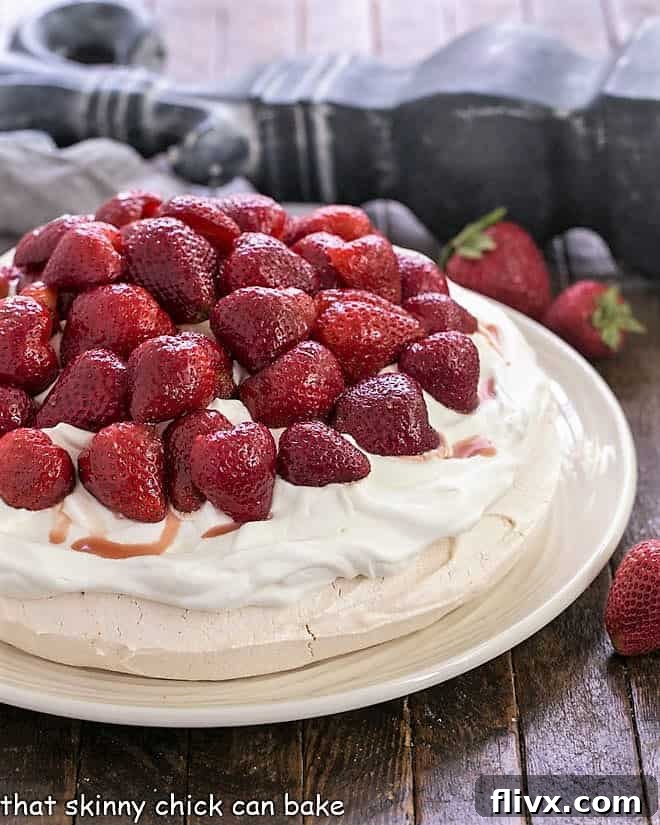
Why This Strawberry Pavlova Is a Must-Make Dessert
There’s a special kind of magic in creating a dessert that combines elegance with relative simplicity, and this Strawberry Pavlova perfectly embodies that. While lavish desserts were a rarity in many childhoods, the memory of a delicate meringue base, perhaps layered with tangy lemon curd and topped with a generous swirl of whipped cream, often serves as an introduction to the ethereal world of pavlova. This foundational experience often sparks a lifelong appreciation for its unique charm.
- A Culinary Revelation: Years later, rediscovering the pavlova through acclaimed chefs’ recipes, such as Nigella Lawson’s chocolate pavlova adorned with crimson raspberries and lush cream, cemented its status as a dessert icon. The sheer volume of praise these recipes garnered highlighted the pavlova’s universal appeal and its capacity to impress.
- Guaranteed Crowd-Pleaser: The first attempt at making a pavlova for a neighborhood potluck proved its irresistible allure. It vanished in mere moments, leaving a trail of delighted guests and a slightly disappointed family at home who had hoped for leftovers. The necessity to immediately bake a second one speaks volumes about its undeniable deliciousness and immediate popularity. This pavlova truly is a guaranteed showstopper, making it a brilliant choice for any occasion where you want to dazzle your guests.
- Seasonal Perfection: Beyond its stunning appearance, this Strawberry Pavlova is a celebration of seasonal ingredients. When strawberries are at their peak – red, juicy, and bursting with natural sweetness – pairing them with the delicate meringue and creamy topping creates a harmonious symphony of textures and tastes that is simply unparalleled. It’s light enough for a summer afternoon, yet indulgent enough for a special evening.
- Effortlessly Elegant: Despite its sophisticated presentation, the process of making pavlova is surprisingly straightforward. It primarily involves whipping egg whites into a glossy, stable meringue, a technique that, once mastered, opens up a world of delightful possibilities. The result is an impressive dessert that requires minimal hands-on time but yields maximum impact.
Key Ingredients for the Perfect Pavlova
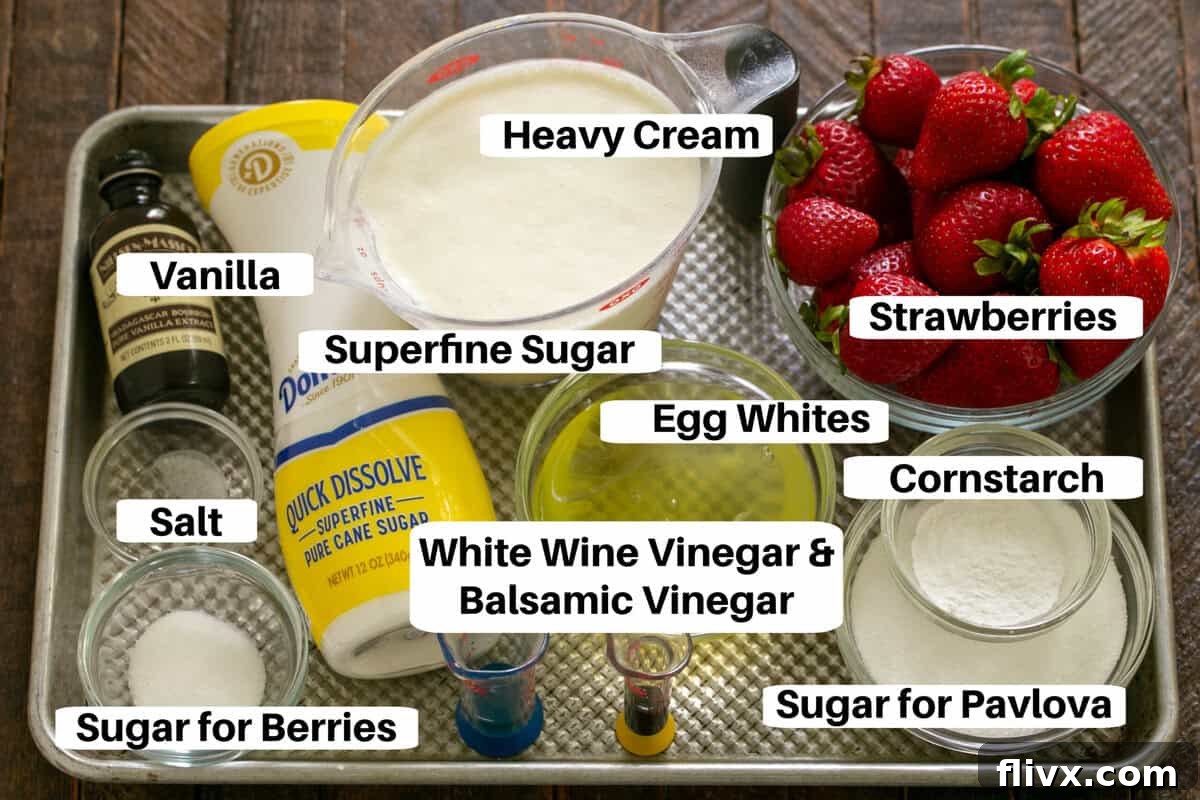
Crafting a flawless Strawberry Pavlova begins with understanding the role each ingredient plays. While the list is simple, the quality and preparation of these components are crucial for achieving that signature crisp exterior and soft, marshmallowy interior.
- Egg Whites: These are the star of your meringue. Absolute purity is non-negotiable – even the smallest speck of egg yolk, which contains fat, will prevent your egg whites from whipping up to their full, voluminous potential. Similarly, ensure your mixing bowl and beaters are impeccably clean and completely free of any residual oil or grease. This meticulousness is key to achieving lofty, stable peaks.
- White Sugar, Superfine: While regular granulated sugar can be used, superfine sugar (also known as caster sugar) is highly recommended for pavlova. Its finer crystals dissolve more rapidly into the egg whites, leading to a smoother, more stable, and less grainy meringue. Look for brands like Domino that offer a superfine version, usually located near the standard granulated sugar.
- Table Salt: Just a small pinch of salt in your meringue mixture isn’t just for desserts; it acts as a flavor enhancer. Salt brings out the sweetness and deepens the overall taste profile, ensuring your pavlova isn’t just sweet, but deliciously balanced.
- Cornstarch: This seemingly minor addition plays a vital role in stabilizing the meringue. It helps create the pavlova’s distinct texture—a crisp, fragile shell giving way to a soft, chewy, marshmallow-like center. Without it, the meringue might be too delicate and prone to weeping.
- Vinegar (White Wine or Champagne for Meringue, Aged Balsamic for Strawberries): For the meringue, a touch of white wine or champagne vinegar (or even apple cider vinegar) provides a crucial acidic component. This acidity helps denature the egg white proteins, making them more stable and preventing the meringue from collapsing. For the strawberries, a high-quality, aged balsamic vinegar is transformative. It doesn’t make the strawberries taste like vinegar; instead, it deepens their natural sweetness, adds a complex, slightly tangy note, and brightens their overall flavor profile, creating a sophisticated topping.
- Real Vanilla Extract: Always opt for genuine vanilla extract over artificial vanilla flavoring. The difference in taste is significant. Real vanilla adds a warm, aromatic depth that artificial versions simply cannot replicate. Brands like Nielsen-Massey are renowned for their superior quality and are a fantastic choice for baking.
- Fresh, Ripe Strawberries: The quality of your fruit directly impacts the success of your topping. Select strawberries that are deep red, glossy, plump, and free from bruises or soft spots. Most importantly, choose fragrant berries; their natural aroma is a strong indicator of superior flavor and sweetness, which will truly elevate your pavlova.
- Heavy Whipping Cream: To achieve that perfect, stable, and luxurious whipped cream topping, ensure you use heavy whipping cream with a minimum of 36% butterfat. This higher fat content allows the cream to whip up beautifully thick and hold its shape without quickly deflating, providing the ideal soft counterpoint to the meringue.
Creating Your Exquisite Strawberry Pavlova
Embark on the journey to create this magnificent Strawberry Pavlova with confidence. The process, while requiring attention to detail, is incredibly rewarding, culminating in a dessert that is both visually stunning and exquisitely delicious. Follow these steps for pavlova perfection:
Expert Tips for Pavlova Perfection
Achieving a truly spectacular Strawberry Pavlova, with its signature crisp exterior and wonderfully soft, marshmallowy interior, involves a few key techniques. Much like baking delicate meringue cookies, mastering pavlova requires attention to detail and understanding the nuances of working with egg whites. Here are some invaluable tips to ensure your dessert is an absolute triumph:
- The Golden Rule of Egg Whites: Impeccable Cleanliness. When preparing to whip egg whites, your mixing bowl and beaters must be absolutely pristine and completely free of any grease or oil residue. Even a microscopic trace of fat can prevent the egg whites from aerating properly, leading to a flat, dense meringue rather than a light, voluminous one. A good practice is to run all your equipment through the dishwasher or wash them thoroughly with hot, soapy water and then dry them completely.
- Precise Egg Separation: No Yolk Allowed! In the same vein of cleanliness, extreme care must be taken when separating egg whites from yolks. Yolks are rich in fat, and even the tiniest speck contaminating the whites will inhibit proper whipping. It’s always best to separate eggs one by one into a separate small bowl before adding the white to your main mixing bowl. This way, if you accidentally contaminate one egg white, you only lose that single white, not the entire batch. Contaminated egg whites will simply not whip to their full potential, so it’s crucial to discard them or save them for a different, non-meringue use.
- Temperature Matters for Egg Whites: Cold for Separation, Room Temp for Whipping. Eggs are easiest to separate when they are cold, as the yolks are firmer and less likely to break. However, egg whites achieve maximum volume and whip up much faster and more stably when they are at room temperature. Plan ahead by separating your eggs directly from the refrigerator, then let the egg whites sit on the counter for 30-60 minutes to come to room temperature before whipping. For a quicker warm-up, you can carefully place the bowl of egg whites into another larger bowl of very warm (not boiling, to avoid cooking the whites) water for about 10-15 minutes.
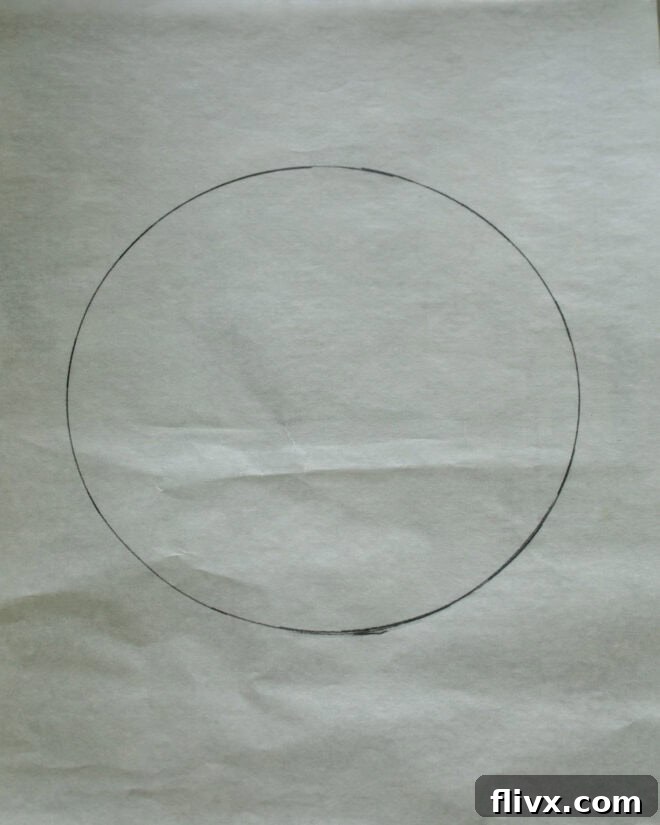
- The Parchment Paper Guide: To ensure a perfectly shaped pavlova, always bake it on a baking sheet lined with parchment paper. Use an 8- or 9-inch cake pan or a similarly sized round object as a template to draw a circle on one side of the parchment. Then, flip the parchment paper over so the drawn circle is underneath, and use it as a clear guide for spreading your beaten egg whites. This trick helps achieve a uniform, beautiful base.
- Low and Slow Baking with Oven Cooling: Pavlova requires a specific baking environment. It is typically baked at a lower temperature than many other desserts, for a longer duration. This gentle heat allows the meringue to dry out and crisp up without browning too quickly. Crucially, once the baking time is complete, the oven heat is turned off, and the pavlova is left inside the cooling oven to dry out completely. This slow, gradual cooling process helps prevent the meringue from cracking or deflating, yielding that characteristic crisp outer shell while maintaining its delightfully “squidgy,” marshmallowy center. Resist the urge to open the oven door during this cooling phase.
- Timing the Toppings: Freshness is Key. For the ultimate pavlova experience, assemble your dessert with the whipped cream and balsamic strawberries only shortly before serving, ideally within an hour or two. While the meringue shell can be made ahead, adding the moist toppings too early will cause the meringue to soften more quickly. While a slightly softened meringue is still delicious, the preferred way to enjoy pavlova is when the meringue is at its freshest, boasting a crisp crunch that contrasts beautifully with the soft cream and fruit.
- Whip It for Stability: If you anticipate your pavlova sitting out for a little longer, or if you prefer extra stable whipped cream, consider adding a stabilizer like “Whip It” (a cream stabilizer powder) or a teaspoon of cornstarch to your heavy cream before whipping. This helps the cream hold its peaks for an extended period, especially in warmer conditions.
Frequently Asked Questions About Pavlova
If you’re new to this delightful dessert, you might initially think of a pavlova as simply a giant meringue or a sophisticated egg white cookie. However, it’s so much more! According to culinary reference guides like the Food Lover’s Companion, a pavlova is characterized by its distinct structure: “a crisp meringue base topped with whipped cream and fresh fruit such as strawberries, passion fruit, and kiwi.” The history of the pavlova itself is steeped in a friendly rivalry between Australia and New Zealand, both claiming its origin. What is widely agreed upon, however, is that this exquisite dessert was named in honor of the renowned Russian ballerina, Anna Pavlova, following her celebrated tours of both countries in 1926. Her grace and lightness are perfectly embodied in this dessert.
The meringue base of a pavlova is quite versatile and can be prepared ahead of time. To maintain its crispness and prevent it from absorbing moisture from the air, store the cooled meringue shell in an airtight container at room temperature. A fantastic spot for storage, often overlooked, is a turned-off oven. The dry, dark environment of an oven provides an ideal, humidity-free space for the meringue to remain crisp. Just be sure to place a prominent reminder on the oven door to prevent it from being accidentally preheated! I speak from personal experience – a forgotten pavlova in a preheating oven is a sad sight indeed. Once you’ve added the whipped cream and fresh fruit toppings, the pavlova must be refrigerated. For the best texture and appearance, it’s always recommended to top your pavlova with cream and berries as close to serving time as possible. Any leftovers, already assembled, must also be stored in the refrigerator and consumed within 1-2 days, though the meringue will soften over time.
Yes, it is indeed possible to freeze a pavlova shell, offering a convenient make-ahead option for this impressive dessert. However, due to the inherent fragility of a baked meringue, it’s wise to anticipate that it might sustain a few minor chips or small cracks during the freezing and thawing process. Don’t despair, though! With a little care, any imperfections can be cleverly concealed beneath a generous, artfully arranged mound of whipped cream and fruit, making your pavlova look just as perfect as if it were freshly baked. To freeze a pavlova shell effectively, ensure it has completely cooled to room temperature after baking. Culinary experts like Nigella Lawson recommend freezing the shell first on its original baking pan until solid. Once thoroughly frozen, carefully wrap it in several layers of plastic wrap, followed by a layer of aluminum foil, to protect it from freezer burn and absorb odors. Store it in a safe spot in the freezer where it won’t be crushed by other items. For optimal results in terms of texture and flavor, aim to store it for no longer than one month. When ready to serve, thaw the pavlova shell at room temperature for a few hours before topping and serving.
Explore More Decadent Dessert Recipes:
If you’ve fallen in love with the light and airy magic of meringue, or simply crave more delightful desserts, explore these fantastic recipes:
- Indulgent Layered Chocolate Meringue Cake
- Classic Zesty Lemon Meringue Pie
- Crispy Chocolate Chip Meringue Cookies
- Refreshing Strawberry Eton Mess
- Charming Mini Pavlovas
- Discover more of the Best Dessert Recipes for every occasion!
Stay connected for more irresistible recipes and culinary inspiration! Follow me on Instagram, Facebook, and Pinterest. Don’t forget to tag me when you whip up one of my creations! If you adore the results, please consider leaving a 5-star rating in the recipe card below – your feedback means the world to me!
Strawberry Pavlova
20 minutes
1 hour 15 minutes
1 hour 35 minutes
8 servings
A stunning dessert! This large, crisp meringue shell is generously topped with sweetened whipped cream and vibrant balsamic-marinated strawberries, creating an unforgettable sensory experience.
Ingredients
For the Meringue:
- 4 large egg whites
- Pinch of salt
- 1 ¼ cups superfine or regular granulated sugar
- 2 teaspoons cornstarch
- 1 teaspoon white-wine vinegar
- ½ teaspoon real vanilla extract
For the Topping:
- 1 pound fresh strawberries, hulled and halved or quartered
- ½ teaspoon real vanilla extract
- ½ teaspoon high-quality balsamic vinegar
- 1-2 teaspoons granulated sugar (adjust to taste)
- 2 cups heavy whipping cream (at least 36% butterfat)
- ½ cup granulated sugar
Instructions
- Prepare the Meringue: Begin by preheating your oven to 350°F (175°C).
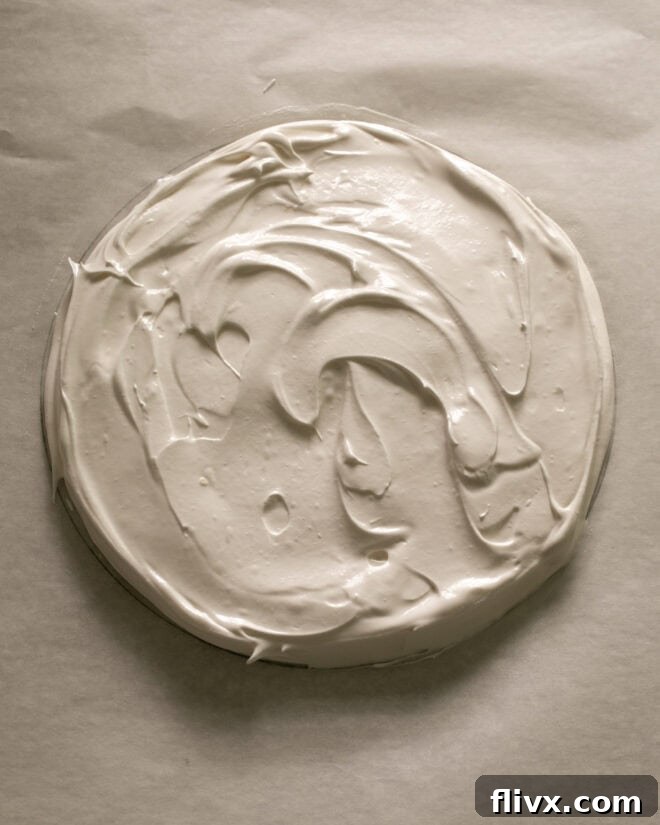
- Line a large baking sheet with parchment paper. Using an 8- or 9-inch cake pan as a guide, trace a circle onto the parchment. Flip the parchment paper over so the drawn circle is on the underside, preventing pencil marks from touching your meringue.
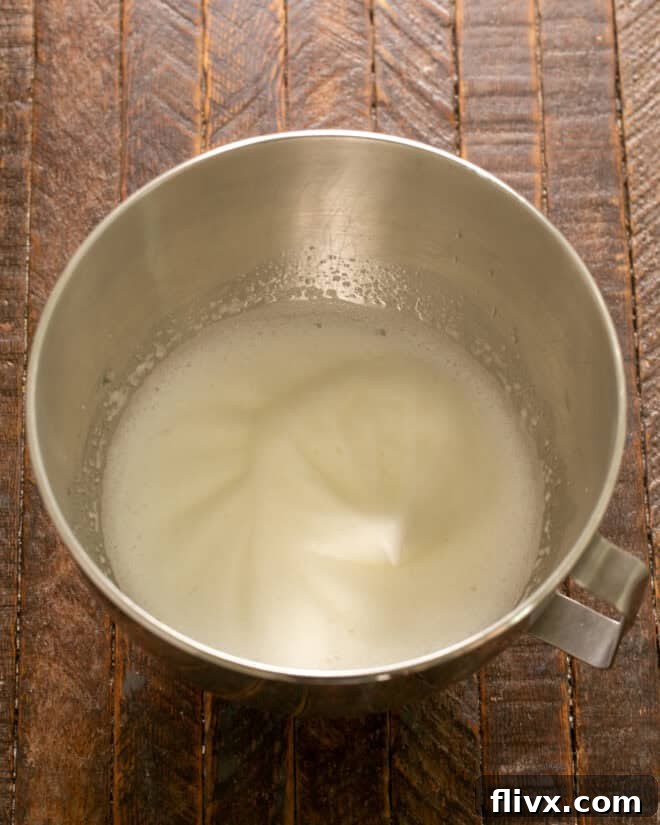
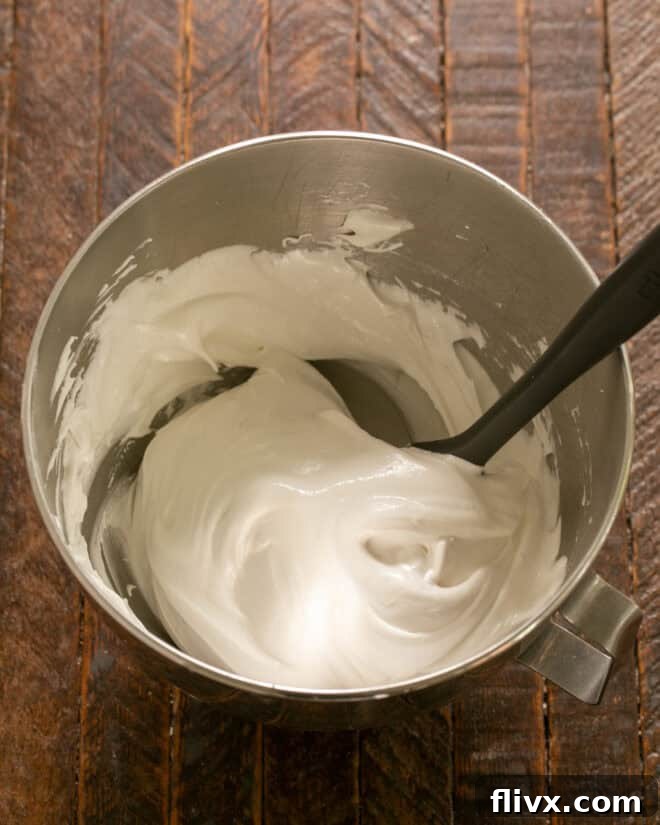
- In the impeccably clean bowl of an electric mixer (or a large glass bowl with a hand mixer), combine the egg whites and a pinch of salt. Start beating at a low speed, gradually increasing to high. Continue beating until satiny soft peaks begin to form.
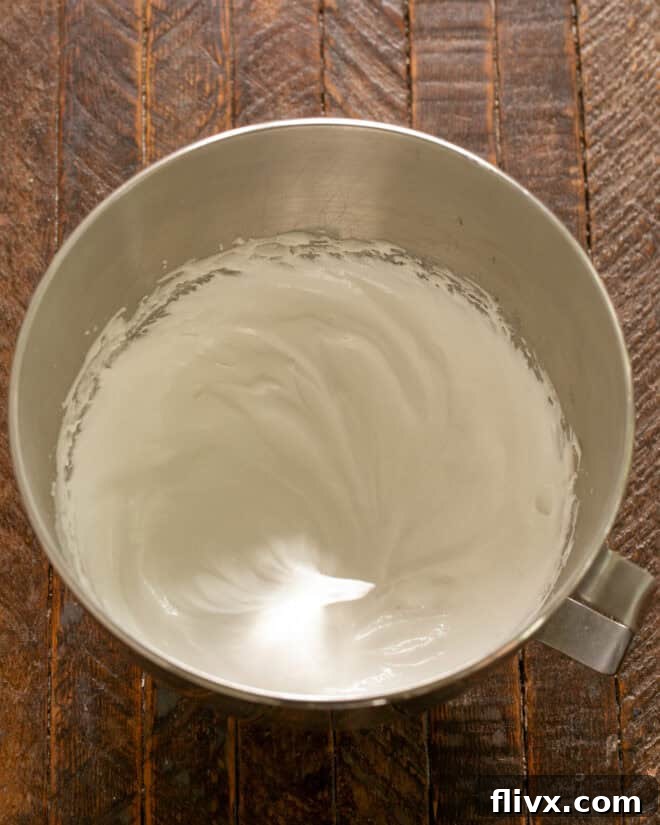
- With the mixer still running on high, gradually beat in the sugar, one tablespoon at a time. This slow addition allows the sugar to dissolve completely. Continue beating until the meringue is stiff, glossy, and holds firm peaks when the beaters are lifted. The mixture should be smooth and shiny.
- Gently sprinkle in the cornstarch, white-wine vinegar, and vanilla extract. Carefully fold these ingredients into the meringue using a spatula, taking care not to deflate the mixture.
- Mound the prepared meringue onto the parchment paper within your traced circle. Using the back of a spoon or a spatula, gently shape it into a disk, creating a slight indentation or well in the center to hold the toppings later.
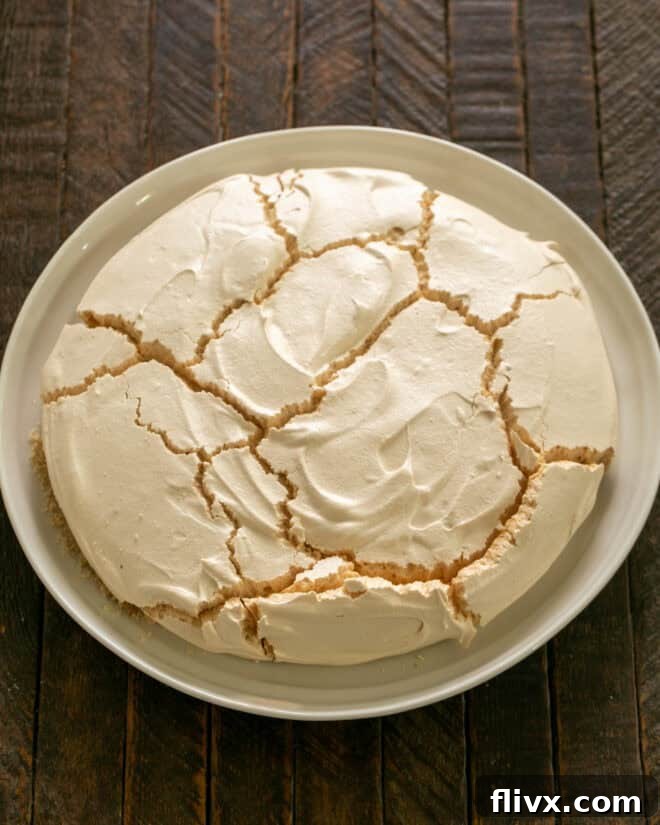
- Place the baking sheet with the meringue into the preheated oven. Immediately reduce the oven temperature to 300°F (150°C). Bake for 1 hour and 15 minutes. Once baking is complete, turn off the oven but leave the meringue inside with the door closed. Allow the meringue to cool completely in the oven; this slow cooling process is crucial for preventing cracks and achieving the ideal texture.
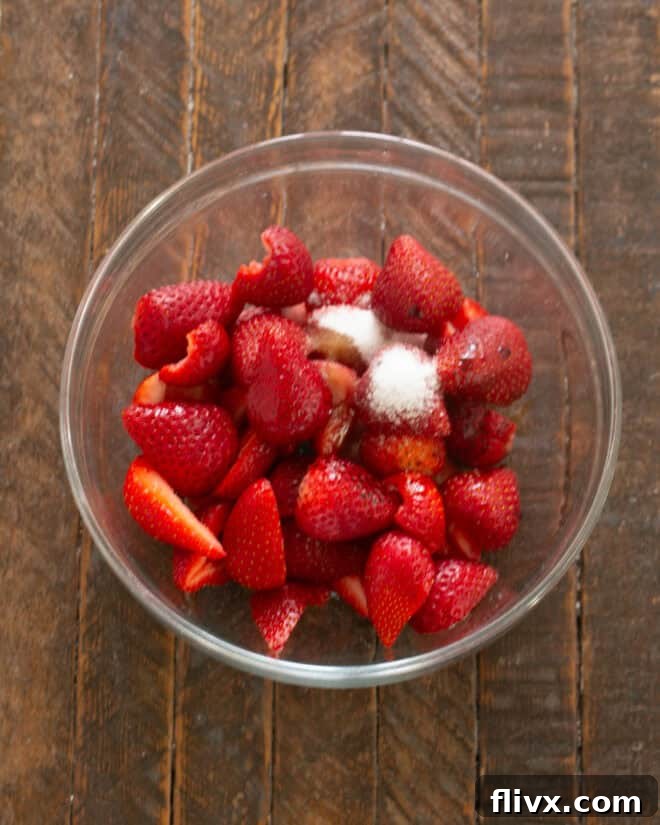
- Prepare the Topping: While the meringue cools, prepare your strawberry topping. In a medium mixing bowl, combine the hulled and halved or quartered strawberries with ½ teaspoon vanilla extract, ½ teaspoon high-quality balsamic vinegar, and 1-2 teaspoons of granulated sugar (adjust sugar amount based on the sweetness of your strawberries). Gently toss to coat. Cover the bowl with plastic wrap and let the strawberries sit at room temperature for at least 15 minutes, and up to 2 hours, to macerate and release their delicious juices.
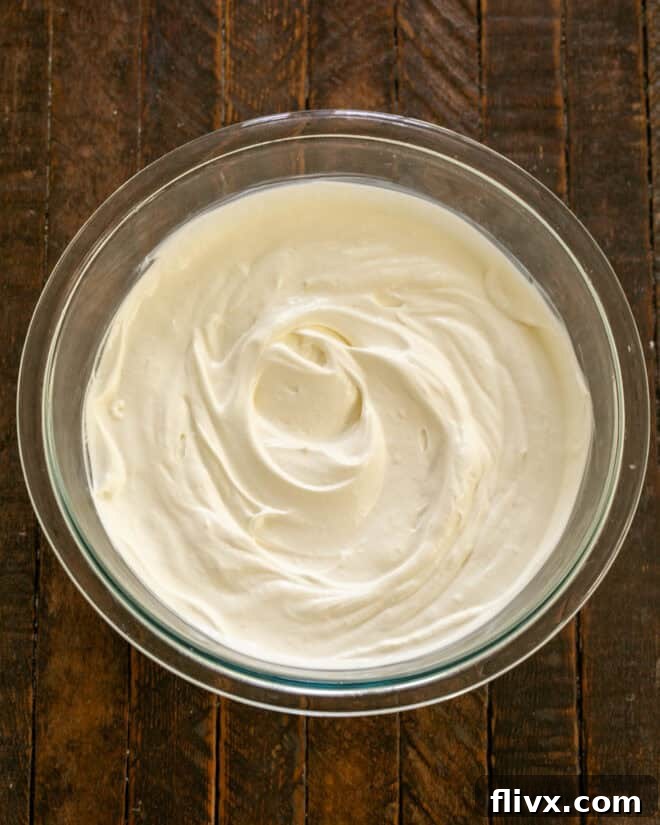
- To Serve: Once the meringue shell is completely cool, carefully invert it onto your chosen serving plate. Gently peel off the parchment paper. In a chilled mixing bowl, whip the heavy cream with ½ cup sugar until it is thick enough to hold soft to medium peaks.
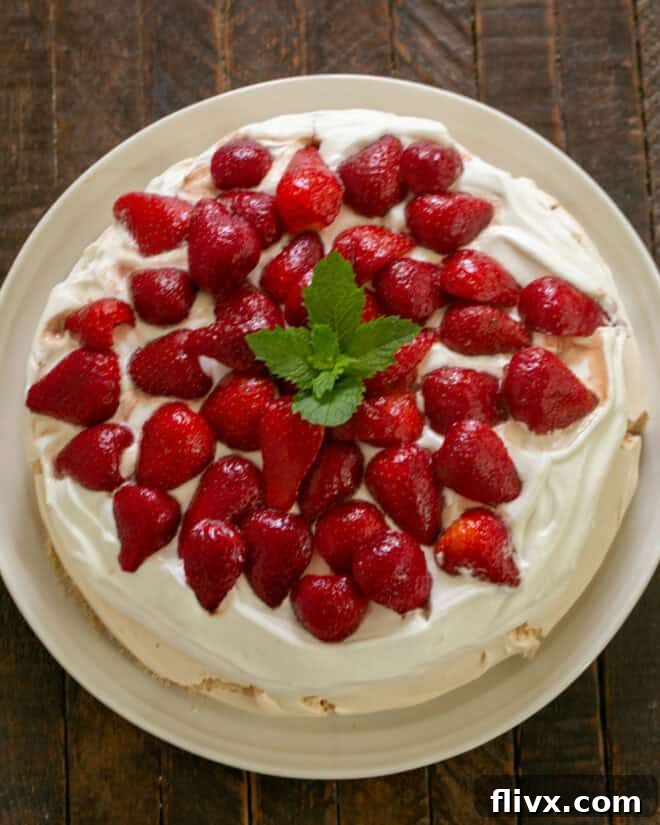
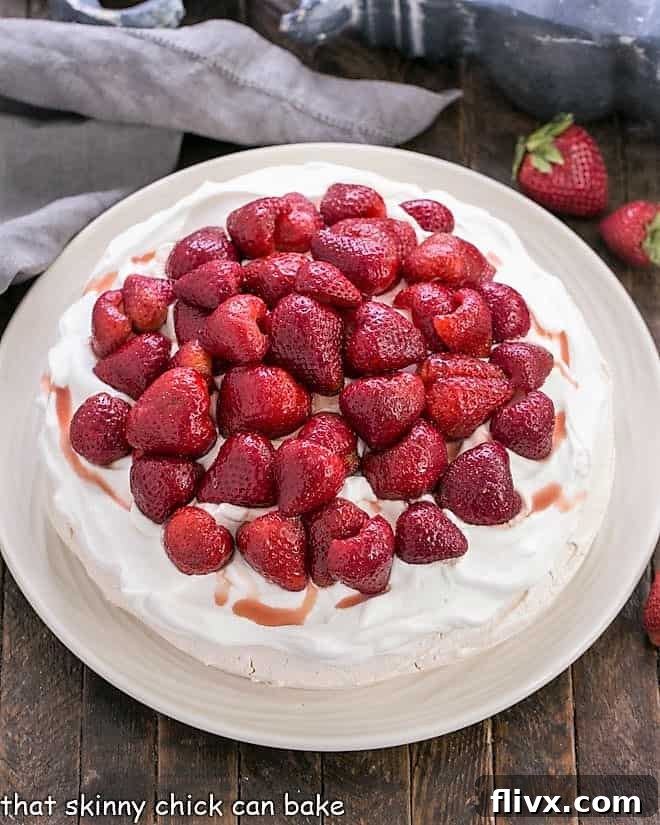
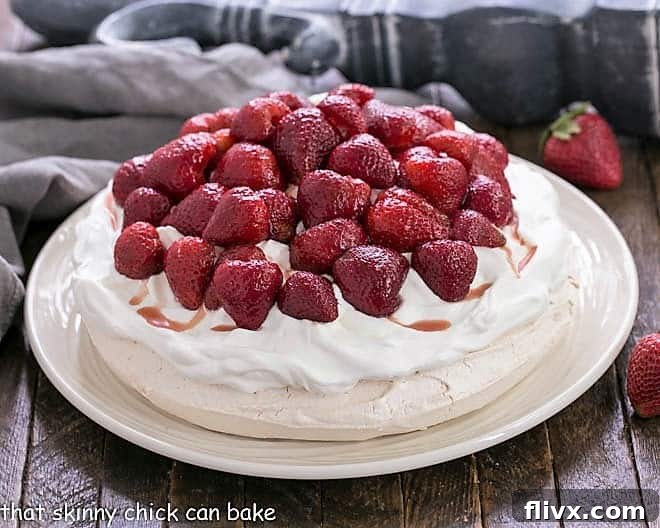
- Spread the whipped cream evenly over the cooled meringue shell, filling the well you created. Finally, generously spoon the balsamic-marinated strawberries and their juices over the whipped cream. Serve your exquisite Strawberry Pavlova immediately to enjoy its perfect blend of textures and flavors!
Notes
I often add a cream stabilizer, such as “Whip It,” to the heavy cream before whipping, especially if the dessert won’t be eaten immediately. This helps the whipped cream maintain its volume and texture for a longer period. However, if you plan to serve and consume the pavlova on the same day it’s made, this step is not strictly necessary. This recipe is thoughtfully adapted from the brilliant Nigella Lawson.
Nutrition Information:
Yield:
8
Serving Size:
1
Amount Per Serving:
Calories: 383Total Fat: 22gSaturated Fat: 14gTrans Fat: 1gUnsaturated Fat: 6gCholesterol: 67mgSodium: 61mgCarbohydrates: 45gFiber: 1gSugar: 43gProtein: 4g
HOW MUCH DID YOU LOVE THIS RECIPE?
Please leave a comment on the blog or share a photo on Pinterest