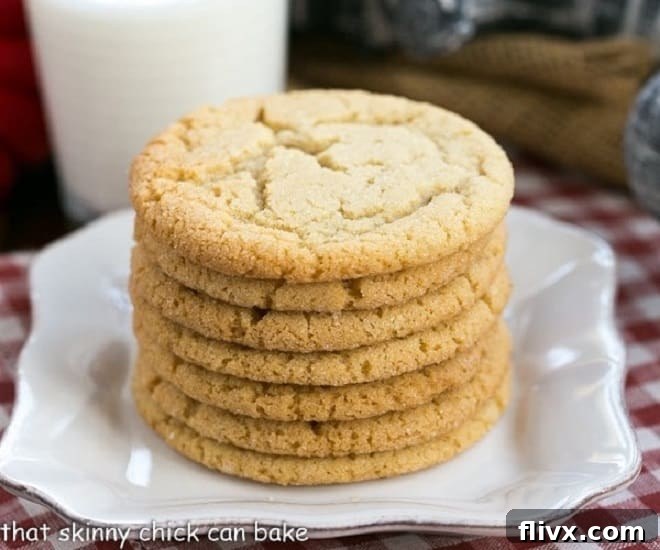
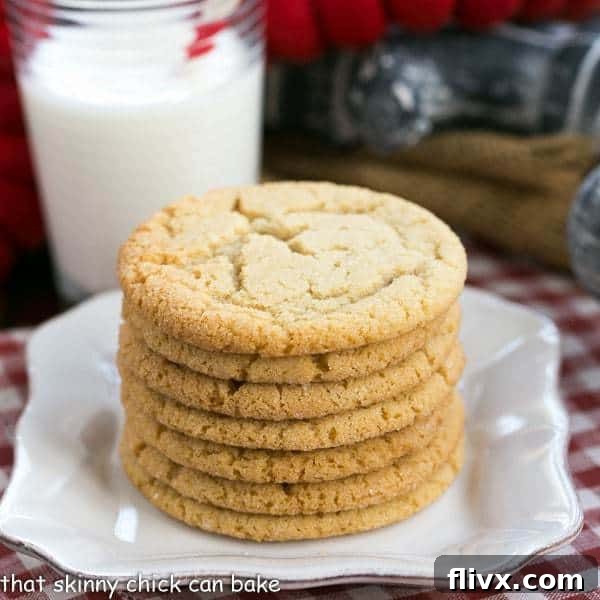
There’s something truly magical about a freshly baked cookie, especially when it’s perfectly soft, delightfully chewy, and infused with a rich, caramelly flavor. These Chewy Butterscotch Cookies are exactly that—a melt-in-your-mouth indulgence that has earned a cherished spot in countless goodie boxes I share with friends and neighbors during the festive holiday season and beyond. Forget the complicated recipes; you’ll be amazed at how these crackled beauties come to life with just a handful of simple ingredients, making them an instant family favorite that everyone will adore. Their unique depth of flavor, derived from the golden brown sugar, sets them apart from your average sugar cookie, offering a warmth and richness that is simply irresistible.
Perfectly uncomplicated to create, these butterscotch sugar cookies captivate the palate of anyone who tries them. Butterscotch stands as a splendid alternative for those who may not favor chocolate, nuts, mint, or other common cookie additions, providing a distinct, comforting sweetness that appeals to all ages. The process is wonderfully straightforward: prepare the sweet, buttery dough, roll the individual balls in granulated sugar for that extra sparkle and crisp edge, and then bake them to golden perfection. The result is a batch of remarkably simple, yet profoundly addictive cookies, boasting a delicious depth of flavor courtesy of brown sugar, which lends them their signature chewiness and a subtle caramel note that is truly divine.
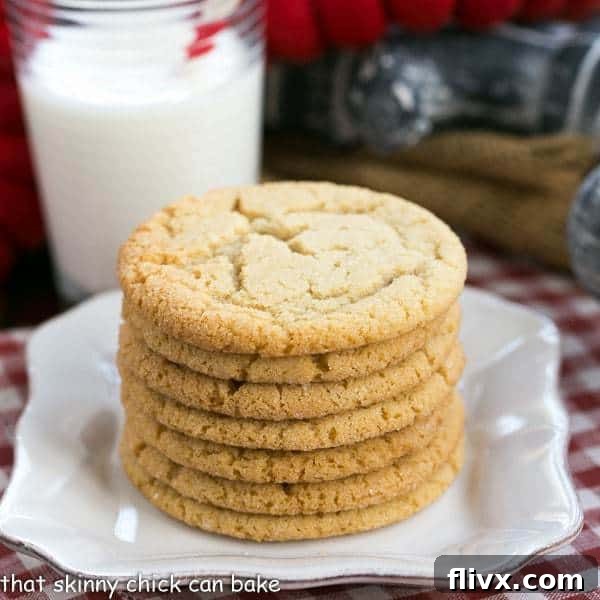
Why You Must Make These Irresistible Butterscotch Cookies
If you’re searching for a cookie recipe that consistently delivers on flavor, texture, and pure joy, these homemade butterscotch cookies are an absolute must-try. Here’s why they deserve a top spot in your baking repertoire:
- Unforgettable Melt-in-Your-Mouth Experience: These aren’t just any cookies; they boast a tender, soft interior that practically melts on your tongue, leaving behind delightful caramel undertones. The natural butterscotch flavor, derived from the harmonious blend of butter and brown sugar, is far superior to any artificial imitation.
- Broad Appeal for Every Palate: While chocolate often steals the spotlight, these butterscotch cookies offer a wonderful alternative that almost everyone loves. Their sweet, buttery profile is universally appealing, making them a safe and incredibly popular choice for gatherings, potlucks, and everyday treats. Even those who claim not to have a “sweet tooth” often find themselves reaching for a second.
- Versatility for All Occasions: From simple after-school snacks to elegant afternoon tea accompaniments, these cookies fit seamlessly into any event. They are an absolute staple in my kitchen, especially during the festive holiday season. I lovingly bake batches every year to include in my Christmas goodie boxes, but they’re equally perfect for welcoming new neighbors, comforting a family in need, celebrating a new baby, or contributing to a vibrant cookie exchange. Their robust structure also makes them ideal for packing into lunch boxes without crumbling.
- Effortless Baking Process: Despite their gourmet taste, these cookies are surprisingly easy to make. The recipe involves common pantry staples and straightforward steps, making it accessible even for novice bakers. You don’t need any fancy equipment or advanced techniques to achieve spectacular results.
- A Classic with a Twist: While essentially a sugar cookie, the use of brown sugar transforms it into something truly special. This isn’t just a plain sugar cookie; it’s a rich, deep-flavored experience that redefines what a simple cookie can be.
The origin of this cherished recipe adds another layer of warmth to these cookies. On special occasions, my dear father-in-law would eagerly seek out a specific vendor at the local farmers’ market, whose chewy butterscotch cookies were legendary. After many pleasant chats and a display of genuine appreciation for the baker’s craft, he was finally entrusted with the treasured recipe. This wasn’t just any recipe for him; it represented a shared passion. My father-in-law and I connected over a love for diverse foods, from exquisite apple desserts and savory smoked fish to crunchy nuts and indulgent caramel desserts. Though he was known for being incredibly selective, reportedly eating only two types of vegetables when he first married my mother-in-law, his discerning palate, perhaps even more so than my husband’s, wholeheartedly approved of these Brown Sugar Cookies. Both men unequivocally agreed that these chewy delights were nothing short of phenomenal.
How to Make the Perfect Chewy Butterscotch Cookies
Crafting these delectable cookies is a rewarding experience, leading to a batch of perfectly textured and flavored treats. The secret to their authentic “butterscotch” essence lies not in artificial chips, but in the harmonious marriage of high-quality butter and rich brown sugar. This combination naturally creates those coveted caramel undertones that make these cookies so special. Follow these detailed steps and pro tips to ensure your cookies are nothing short of spectacular:
- Room Temperature Ingredients are Key: For seamless incorporation and a smooth, consistent dough, always ensure your butter and egg are at room temperature. This allows them to cream together beautifully, creating a uniform base for your cookies. Planning ahead for this small detail makes a significant difference in the final texture.
- PRO-Tip for That Signature Crackle: Cream of Tartar’s Magic: To achieve that desirable crackled appearance on your cookie tops, incorporate a touch of cream of tartar into your dry ingredients. This white, acidic powder acts as a leavening agent stabilizer, reacting with baking soda to give the cookies a slight lift and encouraging the surface to crack as they bake. It’s the same ingredient I use to stabilize egg whites in meringue cookies, ensuring consistent results.
- Butter vs. Margarine: No Contest: For the absolute best and most authentic butterscotch flavor, use real butter. Margarine simply cannot replicate the rich, creamy taste and texture that butter imparts, which is crucial for developing those deep caramel notes. Quality butter is an investment in flavor.
- Understanding Brown Sugar’s Role: Brown sugar is essentially granulated sugar with added molasses, and this molasses is what makes all the difference. It contributes to the cookie’s distinct flavor profile and, most importantly, provides extra moisture to the dough. This added moisture is the secret to achieving wonderfully chewy cookies. Feel free to use dark brown sugar for an even richer, more intense flavor; just be aware that your cookies will naturally turn out a deeper golden brown. These Brown Sugar Butterscotch Cookies are celebrated for their rich flavor and irresistible chewy texture, thanks largely to this ingredient.
- The Sweet Sugar Coating: Before baking, roll each dough ball generously in granulated sugar. This simple step serves multiple purposes: it adds a beautiful sparkle, creates a delightful sweet and crisp bite on the exterior, and helps form those charming crackled tops as the cookies expand in the oven. It’s a small detail that elevates the entire cookie experience.
- A Straightforward Process: The beauty of this recipe lies in its simplicity. The most time-consuming steps involve forming the dough into uniform balls and rolling them in sugar. The rest is quick mixing and baking. This makes it a perfect recipe for baking with children or when you need a delicious treat without a fuss.
- Storage and Freezing for Future Enjoyment: These cookies are excellent keepers. Store them in an airtight container at room temperature, and they will remain fresh and chewy for approximately 3-4 days. For longer enjoyment, these cookies freeze exceptionally well. Place them in a freezer-safe bag or container, and they’ll maintain their quality for up to 3 months, ready to be thawed and enjoyed whenever a craving strikes.
- Perfect for Any Occasion: This butterscotch cookie recipe transcends mere holiday baking. While they are a beloved addition to my annual neighbor goodie boxes, they are also perfectly suited for welcoming new neighbors, offering comfort to a family navigating a difficult time, celebrating a new arrival, contributing to a vibrant holiday cookie exchange, enhancing an elegant afternoon tea, or simply providing a wholesome and delicious after-school snack. Their versatility makes them a go-to recipe all year round.
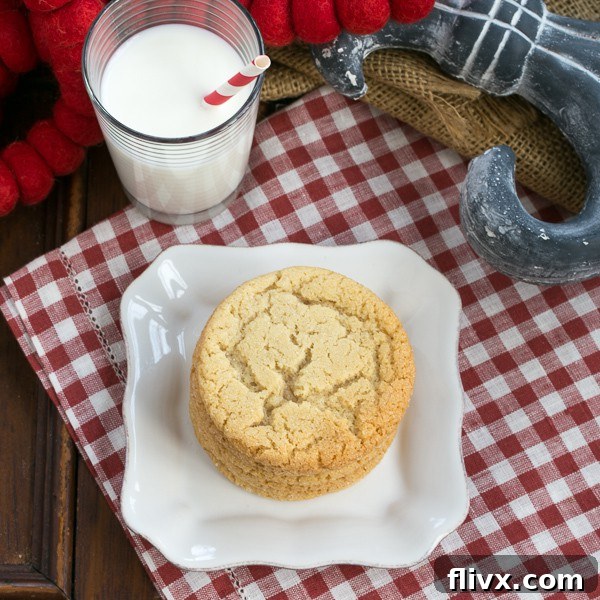
Expert Baking Tips for Flawless Butterscotch Cookies
Achieving cookie perfection often comes down to a few simple yet effective techniques. These expert tips will help you bake a batch of chewy butterscotch cookies that are not only delicious but also visually appealing, just like they came from a professional bakery:
- Achieve Uniformity with a Cookie Scoop: For consistently sized cookies that bake evenly, a medium cookie scoop is your best friend. My preferred dough balls are roughly the size of a walnut, which yields generously sized cookies—and trust me, no one ever complains about a larger cookie!
- Adjusting for Smaller Cookies: If you prefer daintier cookies, simply opt for a small cookie scoop and remember to reduce the baking time accordingly. There’s no need to flatten these dough balls before baking; they’ll spread naturally.
- Perfecting the Sphere: After scooping the dough, a quick roll between your palms will create beautifully round dough balls, contributing to a more appealing final product. This also helps the sugar adhere more uniformly.
- PRO-Tip: Post-Bake Reshaping: Don’t fret if a cookie or two isn’t perfectly round straight out of the oven. While still hot and pliable, you have a brief window to correct imperfections. Gently use a spatula to tap the edges into shape, or for true perfection, take a round cookie cutter slightly larger than your baked cookie and rotate it around the still-warm, soft cookie to gently nudge it into a flawless circle. Remember, speed is key here; once the cookies cool for even a couple of minutes, they firm up and won’t be as cooperative. Always have your hot pad ready!
- The Non-Stick Solution: Parchment Paper: For effortless removal and minimal cleanup, always bake your cookies on a half sheet pan lined with parchment paper. This ensures your cookies will never stick, and cleanup is a breeze. Silicone baking mats also work wonderfully.
- PRO-Tip for Maximum Chewiness: Underbake Slightly: The ultimate secret to achieving those coveted chewy cookies is to bake them just until the edges are set and lightly golden, but the centers still look slightly soft and underdone. They will continue to cook and firm up as they cool on the baking sheet. Removing them from the oven at this crucial stage guarantees a soft, tender, and perfectly chewy texture every time.
Essential Ingredient Notes for Your Butterscotch Cookies
Understanding the role of each ingredient is fundamental to baking truly exceptional chewy butterscotch cookies. While the recipe calls for basic pantry items, paying attention to a few specifics can elevate your final product from good to outstanding:
- Common Kitchen Staples: The foundation of these cookies relies on familiar ingredients you likely already have: granulated sugar (used both in the dough and for coating), brown sugar (our star for butterscotch flavor and chewiness), all-purpose flour, baking soda (for leavening), and a pinch of salt (to balance the sweetness and enhance flavors).
- Butter – Quality and Temperature Matter: Use high-quality unsalted butter for the best flavor control. If using salted butter, you might slightly reduce the added salt in the recipe. Crucially, ensure your butter is at room temperature. This isn’t just a suggestion; soft butter creams much more effectively with sugar, incorporating air and creating a light, fluffy base that contributes to the cookie’s tender texture.
- Egg – The Binder and Moisturizer: Like butter, your egg should also be at room temperature. A room-temperature egg incorporates smoothly into the butter and sugar mixture, preventing curdling and ensuring a homogenous dough. The egg acts as a binding agent, holding the ingredients together, and contributes to the cookie’s moisture and richness.
- Vanilla Extract – Go for Real: Vanilla is more than just a background flavor; it enhances and rounds out the butterscotch notes. Always opt for pure vanilla extract over imitation vanilla flavoring. The difference in taste is significant and noticeable. I personally prefer premium brands like Nielsen-Massey for their superior quality.
- Cream of Tartar – The Texture Master: Don’t skip the cream of tartar! This ingredient is pivotal for two reasons: it helps create that beautiful crackled surface that is characteristic of these cookies, and it works in conjunction with baking soda to aid in the rising process, resulting in a lighter, more tender crumb. Its slight acidity also brightens the overall flavor.
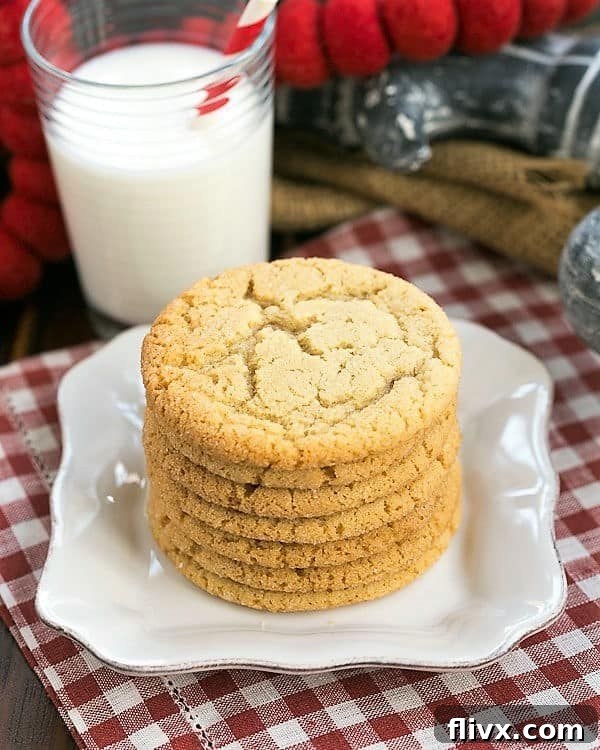
Frequently Asked Questions About Butterscotch
Butterscotch is a delightful flavor profile derived primarily from a harmonious blend of brown sugar and butter. While often compared to caramel, a key distinction lies in the sugar used: butterscotch utilizes brown sugar, which inherently contains molasses, lending it a richer, deeper, and often chewier texture. Caramel, in contrast, is traditionally made with white, granulated sugar. Toffee, another sweet treat, differs significantly as it is cooked to a “hard crack” candy stage, resulting in a brittle, hard confection, unlike the soft and chewy consistency of butterscotch and caramels. The molasses in brown sugar also gives butterscotch its characteristic golden-brown hue and a slightly more complex flavor.
The origins of butterscotch can be historically traced back to Yorkshire, England. It was here that a renowned confectioner named Samuel Parkinson is credited with first crafting this sweet delight. His initial creations of butterscotch date back to the year 1817, making it a culinary tradition with a rich history spanning over two centuries. Parkinson’s original butterscotch was often sold in hard, brittle pieces, predating the softer, chewy forms that became popular later.
The exact etymology of “butterscotch” is a subject of ongoing debate among culinary historians, with no definitive consensus. One prevailing theory suggests that the “scotch” component of the name might be linked to Scotland, though the connection isn’t entirely clear. Another, perhaps more plausible, theory posits that “scotch” is an abbreviation or a phonetic derivative of “scorch.” This idea stems from the historical practice of making butterscotch candy, which often involved cooking butter and sugar to a point where the butter was slightly scorched or browned, contributing to its deep flavor. The act of “scotching” or cutting the candy into pieces could also be another source. Regardless of its precise origin, the name evokes the rich, buttery, and often deeply colored sweet treat we know and love today.
Explore More Delicious Cookie and Dessert Recipes
If you’ve fallen in love with these Chewy Butterscotch Cookies, you’re in for a treat! Discover more delectable recipes that are perfect for any occasion, from casual snacks to elegant desserts. Expand your baking horizons with these fantastic options:
- Butterscotch Peanut Butter Corn Flake Clusters from Crazy for Crust – A no-bake delight combining butterscotch with the irresistible crunch of cornflakes and peanut butter.
- Big Dipper Oatmeal Butterscotch Cookies – Another chewy classic, these oatmeal cookies are studded with butterscotch chips for double the flavor.
- Butterscotch Blondies with White Chocolate Chips – Rich, fudgy blondies elevated with butterscotch and creamy white chocolate.
- Classic Vanilla Spritz Cookies – Elegant and delicate, these melt-in-your-mouth cookies are perfect for holiday platters.
- Best Meringue Cookies – Light as air and crispy, these sweet meringues are surprisingly simple to make.
- White Chocolate Macadamia Nut Cookies – A beloved combination of creamy white chocolate and crunchy macadamia nuts in a soft cookie.
- More delightful Cookie Recipes to satisfy every craving.
- An extensive collection of the Best Dessert Recipes for all your sweet indulgences.
We love connecting with our readers! Stay in touch through social media by following us on Instagram, Facebook, and Pinterest. Don’t forget to tag us when you share your delicious creations made using our recipes! If you’re thrilled with the results of these Chewy Butterscotch Cookies, please take a moment to show your appreciation by giving a 5-star rating in the recipe card below. Your feedback helps us grow and inspires other bakers!
Chewy Butterscotch Cookies
20 minutes
10 minutes
30 minutes
36 cookies
These Chewy Butterscotch Cookies are a delightful addition to any goodie box, perfect for sharing with friends and family during the holidays or any special occasion. With their soft texture, rich caramel notes from brown sugar, and appealing crackled tops, they’re guaranteed to become a cherished family favorite. Easy to make and incredibly addictive, these cookies offer a unique flavor that stands out from the crowd.
Ingredients
- 1 cup granulated sugar (for dough)
- 1 cup packed light brown sugar
- 1 cup unsalted butter (two sticks), at room temperature
- 1 large egg, at room temperature
- 2 teaspoons pure vanilla extract
- 2 ½ cups all-purpose flour
- 2 teaspoons baking soda
- ¼ teaspoon salt
- 2 teaspoons cream of tartar
- ½ cup granulated sugar, to coat dough balls (adjust as needed)
Instructions for Baking
- Preheat your oven to 325ºF (160ºC). Line a baking sheet with parchment paper for easy release and cleanup.
- In a large mixing bowl, cream together the room-temperature butter, granulated sugar (1 cup), and brown sugar until the mixture is light and fluffy. Beat in the room-temperature egg and pure vanilla extract until well combined, scraping down the sides of the bowl as needed.
- In a separate bowl, whisk together the all-purpose flour, baking soda, salt, and cream of tartar. Gradually add the dry ingredients to the wet ingredients, mixing on low speed until just combined. Be careful not to overmix the dough.
- Place the remaining ½ cup of granulated sugar in a shallow bowl. Scoop out rounded teaspoons (or use a medium cookie scoop for larger cookies, about walnut size) of dough. Roll each dough ball between your palms to make it round, then roll it generously in the sugar to coat completely.
- Arrange the coated dough balls on the prepared parchment-lined baking sheet, leaving about 2 inches of space between each cookie to allow for spreading.
- Bake for 9-10 minutes for smaller cookies, or up to 12-15 minutes for larger cookies. For perfectly chewy cookies, look for edges that are lightly golden and set, while the centers still appear slightly soft. They will continue to firm up as they cool.
- Remove from the oven and let the cookies cool on the baking sheet for a few minutes before transferring them to a wire rack to cool completely. Enjoy these warm, chewy butterscotch delights!
Recommended Baking Products
As an Amazon Associate and member of other affiliate programs, I earn from qualifying purchases, helping to support this blog at no extra cost to you.
- Reynolds Cookie Baking Sheets Non-Stick Parchment Paper, 25 Sheet, 4 Count
- USA Pan Bakeware Half Sheet Pan, Warp Resistant Nonstick Baking Pan, Made in the USA from Aluminized Steel – 1050HS
- USA Pan 1603CR X-Large Bakeable Nonstick Cooling Rack, 19.75 x 13.625-Inches
Nutrition Information:
Yield:
36
Serving Size:
1
Amount Per Serving:
Calories: 121Total Fat: 5gSaturated Fat: 3gTrans Fat: 0gUnsaturated Fat: 2gCholesterol: 19mgSodium: 129mgCarbohydrates: 17gFiber: 0gSugar: 11gProtein: 1g
HOW MUCH DID YOU LOVE THIS RECIPE?
Please leave a comment on the blog or share a photo on Pinterest and tag us!