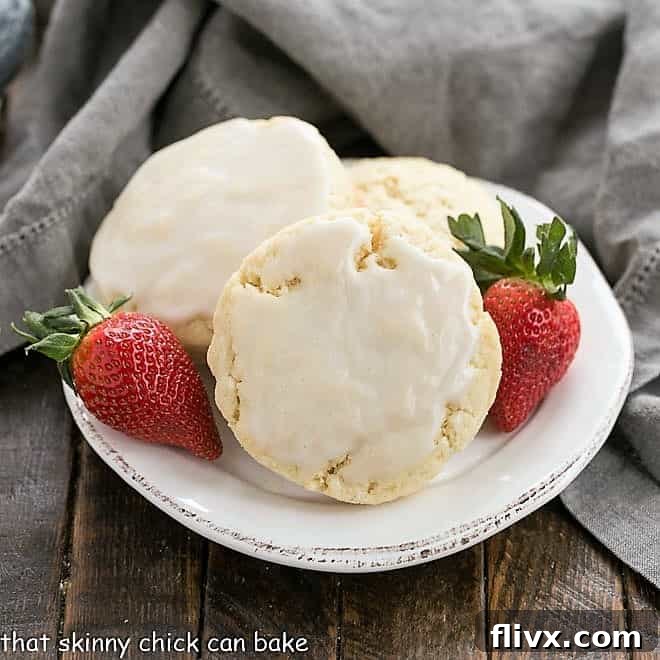
Prepare to be amazed by these Vanilla Bean Scones, a recipe that consistently earns rave reviews from everyone who tastes them. For optimal freshness, scones are best enjoyed on the day they are baked, but any leftovers can be easily frozen to savor later.
When it comes to starting your day right, or elevating an afternoon tea, there’s truly nothing quite like a perfectly moist and tender scone. I’m thrilled to share my tried-and-true tips for How to Make Scones, especially since my devoted friends and trusted taste testers have unanimously declared this to be the Best Scone Recipe they’ve ever had the pleasure of tasting.
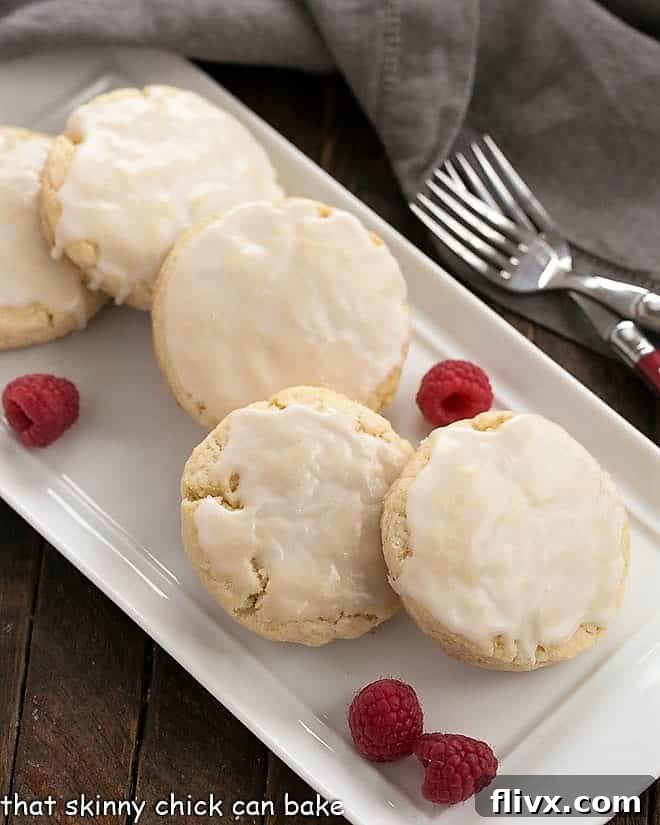
The Ultimate Vanilla Bean Scone Experience: Why You Must Bake These Today
My journey with this exceptional vanilla scone recipe began back in 2013, inspired by a fellow blogger who highly recommended The Pioneer Woman’s Scones. My initial plan was to introduce these delightful treats to a cherished group of women I regularly meet with, knowing I could count on their honest and insightful feedback.
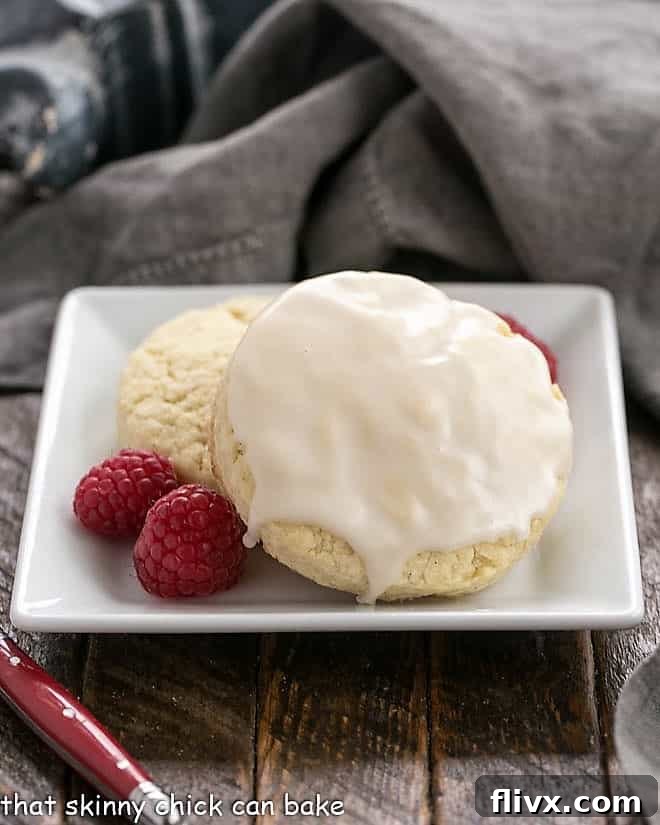
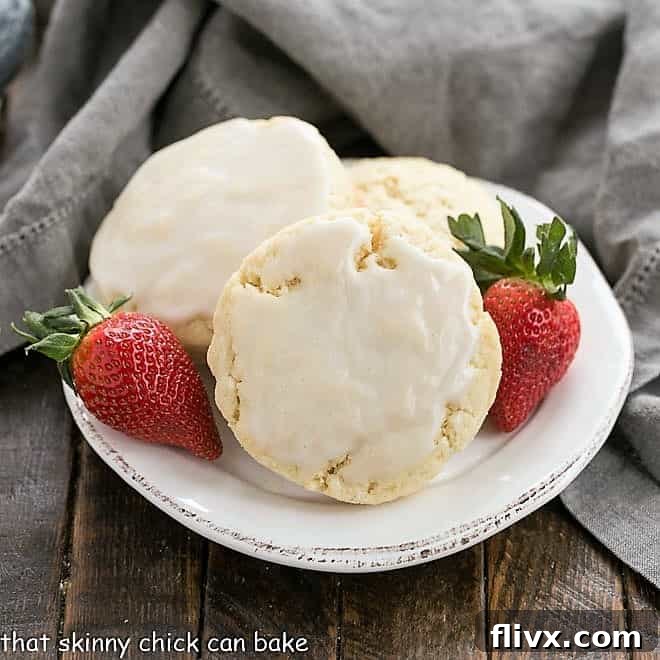
What made these particular vanilla scones truly stand out from others I had baked in the past was the brilliant addition of a sweet vanilla glaze after baking. This wasn’t merely about adding extra sweetness; the glaze played a crucial role in keeping the scones incredibly moist and tender. It truly “gilded the lily,” transforming an already delicious scone into an absolute masterpiece.
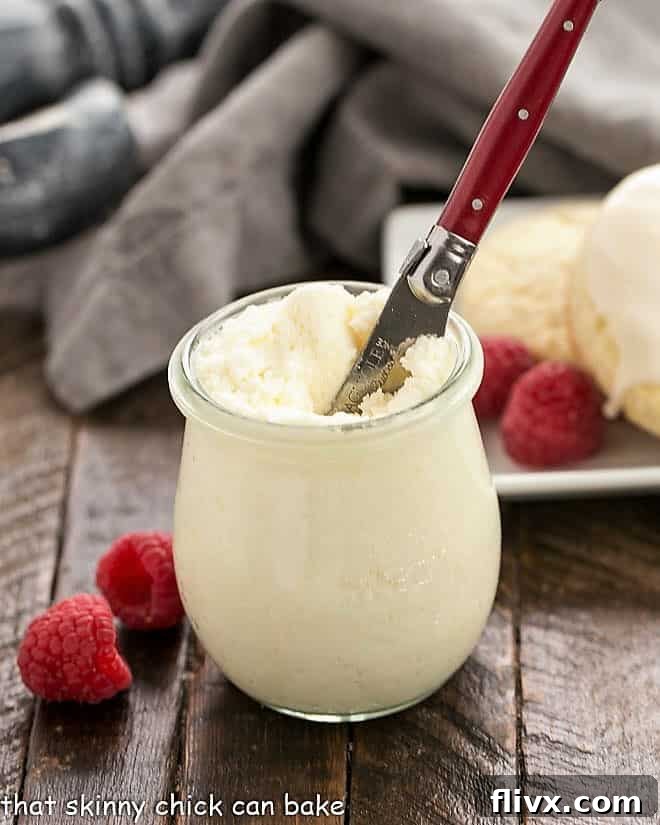
Fast forward nearly six years, and I decided to bake another batch, this time pairing them with a luscious homemade clotted cream. The response was nothing short of ecstatic. My friends showered them with praise, with one even exclaiming that they were the best thing I had ever baked! Such high praise indeed, especially from a group of discerning palates.
Even Bill, my notoriously picky husband who typically shies away from quick bread and muffins, reluctantly gave them a try for breakfast. To my utter surprise and delight, he’s now a devoted fan of scones! This recipe truly has the power to convert even the most skeptical eaters into scone enthusiasts.
Beyond their incredible flavor, these vanilla bean scones offer a delightful texture that’s light and airy, never dense or dry. The magic lies in the carefully selected ingredients and precise techniques, which we’ll explore in detail. Whether you’re an experienced baker or new to the world of scones, this recipe guarantees a rewarding and delicious experience, making every bite a moment to cherish.
Essential Ingredient Notes for Perfect Vanilla Bean Scones
Crafting the perfect vanilla bean scones starts with understanding the role of each ingredient. Here’s a detailed look at what you’ll need and why it matters:
- Kitchen Staples – You’ll need all-purpose flour, granulated sugar, salt, a large egg, and milk. Ensure your flour is fresh for the best texture.
- Baking Powder – This is the primary leavening agent responsible for giving your scones their characteristic lift and tender crumb. It’s crucial to check the expiration date of your baking powder, as it has a much shorter shelf life than baking soda. To test its activity, simply add a spoonful to a small glass of hot water; it should bubble vigorously. If it doesn’t, it’s time for a fresh tin before you begin baking.
- Unsalted Butter – For truly tender and flaky scones, your butter must be very cold, ideally straight from the refrigerator. Cold butter is key because as it melts in the hot oven, the water within it creates steam, which in turn forms pockets of air, resulting in those desirable flaky layers.
- Heavy Cream – This ingredient adds unparalleled richness and moisture to the scone dough, contributing significantly to their soft texture and luxurious mouthfeel. It helps bind the ingredients without overworking the dough, which can lead to tough scones.
- Whole Vanilla Beans – The star of the show! Using whole vanilla beans provides the most authentic and pronounced vanilla flavor, thanks to the aromatic “caviar” inside. If whole beans are unavailable, high-quality vanilla extract or vanilla bean paste can be used as alternatives. Vanilla bean paste, in particular, often contains real vanilla seeds, offering a visual appeal and a flavor profile close to whole beans.
- Powdered Sugar – Essential for the silky-smooth vanilla glaze. Sifting the powdered sugar beforehand is critical to prevent lumps and achieve a perfectly uniform consistency for your glaze.
Selecting quality ingredients is the first step towards achieving bakery-quality scones in your own kitchen. Paying attention to these details will ensure your vanilla bean scones are nothing short of spectacular.
Pro Tips for Baking the Best Vanilla Bean Scones
Achieving bakery-quality scones at home is easier than you think with these expert tips:
- Embrace Real Vanilla Beans: Unlike many recipes that simply call for vanilla extract, this vanilla scone recipe truly shines by utilizing the aromatic seeds, or “caviar,” from fresh vanilla beans. Seek out vanilla pods that are dark, plump, and flexible—these indicate superior freshness and flavor. I personally source mine from Penzey’s, as they consistently offer a much higher quality than what I typically find in local supermarkets. The distinct flavor profile from vanilla bean seeds or a good vanilla bean paste is significantly fresher and more pronounced than extract alone.
- Vanilla Alternatives: While whole vanilla beans offer the best flavor, you can certainly substitute. For each vanilla bean, feel free to use a teaspoon of high-quality vanilla extract, keeping in mind that the seeds provide a more robust and nuanced vanilla essence. Alternatively, 2-3 teaspoons of vanilla bean paste can be used per bean; it often contains visible vanilla seeds, adding both flavor and aesthetic appeal.
- The Cold Butter Advantage: This is a non-negotiable step for tender, flaky scones. Ensure your butter is very cold, even frozen for a few minutes if your kitchen is warm. When you cut cold butter into the flour mixture, it creates small, distinct pieces. As these butter pieces melt in the hot oven, the water content rapidly converts into steam. This steam pushes up the layers of dough, creating airy pockets and preventing your scones from becoming dense or heavy. The result is a light, tender crumb with delightful flakiness.
- Handle with Care – Avoid Overmixing: Scone dough is delicate. Overmixing develops the gluten in the flour, leading to tough scones. Mix just until the ingredients are combined and a cohesive dough forms. A few dry spots are perfectly acceptable; they will hydrate during baking.
- The Right Consistency: The exact amount of heavy cream needed can vary slightly depending on environmental factors like humidity. Start with the recommended amount and add a tiny bit more, spoon by spoon, if your dough feels too dry and crumbly to come together. The goal is a slightly sticky, but manageable, dough.
- Even Thickness is Key: When patting or rolling out your dough, aim for a consistent thickness of about ¾ to 1 inch. While it might be tempting to cut thicker scones for a larger end product, past experience shows that consistency in thickness is more important for even baking.
- Cutting Your Scones: Whether you opt for classic rounds using a biscuit cutter or rustic triangles as Ree Drummond famously does, both methods yield delicious results. Just remember that the yield of your cream scone recipe will naturally vary depending on the size and shape you choose.
By following these tips, you’re well on your way to baking a batch of vanilla bean scones that will impress everyone, including yourself!
How to Make Scones: A Step-by-Step Guide to Perfection
After sharing these incredible vanilla bean scones with my friends, the chatter quickly turned to questions about the secrets behind perfect scone making. Many were curious about specific techniques. First, I always highlight that this recipe includes an egg, which is a bit unusual for some scone recipes but contributes significantly to their richness and tender crumb. Then came the common question: “Is the butter melted?” Just as with creating a flawless pie crust, the butter absolutely needs to be very cold. This is paramount for achieving those desirable tender, flaky layers that define a truly great scone.
- Prepare Your Butter: Begin by dicing your cold butter into small, ½-inch pieces. Immediately place these butter cubes back into the refrigerator while you prepare the dry ingredients. Keeping the butter chilled throughout this initial stage is critical for the scone’s texture.
- Combine Dry Ingredients: In a large mixing bowl, whisk together the flour, sugar, baking powder, and salt. Ensure these dry ingredients are well combined before the next step.
- Incorporate the Cold Butter: Remove the diced butter from the fridge. Using a pastry blender, two knives, or even your fingertips, cut the butter into the dry ingredients. The goal is to work the butter until the mixture resembles coarse cornmeal, with some pea-sized pieces of butter still visible. Avoid overworking it. If your kitchen or hands are warm, don’t hesitate to place the mixture back into the refrigerator for 10-15 minutes to allow the butter to firm up again. This prevents the butter from melting too early.
- Prepare the Wet Ingredients: In a separate bowl, whisk the egg with the heavy cream and your chosen vanilla (vanilla bean seeds, extract, or paste).
- Form the Dough: Gradually add the wet ingredient mixture to the dry ingredients. Gently stir with a spoon or your hands until a cohesive dough just begins to form. Be careful not to overmix; this is the most common mistake leading to tough scones. The exact amount of cream needed can vary based on the humidity in your environment, so you might need to add a tiny bit more cream (a teaspoon at a time) if the mixture seems too dry and isn’t coming together. The dough should be soft and slightly sticky.
- Shape the Scones: Lightly flour a clean counter surface or a piece of parchment paper (parchment makes cleanup a breeze!). Turn the dough out onto the floured surface. Gently pat or roll the dough into a rectangular or round shape, aiming for a thickness of about ¾ to 1 inch. From past experience with this recipe, cutting thicker scones doesn’t necessarily result in a thicker final product, but consistency in thickness aids in even baking.
- Cut the Scones: Using a round biscuit cutter, cut rounds from the dough. You can also cut the dough into triangles, as done by Ree Drummond, for a more rustic look. Gather the scraps, gently press them together (without kneading), and cut out more scones until all dough is used.
- Bake: Carefully transfer the cut scones to a baking sheet lined with parchment paper. Bake in a preheated oven (temperature specified in the recipe card below) for approximately 15-18 minutes, or until they are golden brown on top and cooked through.
- Cool and Glaze: Let the scones cool on the baking sheet for a few minutes before transferring them to a wire rack to cool completely. While they cool, prepare the vanilla glaze (instructions below). Once cooled, dip the tops of the scones into the glaze and allow it to set before serving.
Remember that the final yield will vary depending on the size of your cutter and how thickly you cut your cream scone recipe. Enjoy the process and the delightful outcome!
Frequently Asked Questions About Vanilla Bean Scones
Scones are traditional British baked goods, typically made with wheat or oats and leavened with baking powder, giving them a quick rise. They are either shaped and cut into rounds or triangles, then baked until golden. Generally slightly sweetened, scones are a quintessential component of a classic cream tea or an afternoon tea, most often served split and accompanied by fruit jam and clotted cream. While many scones are enjoyed plain, some variations, like our vanilla bean scones, are enhanced with a sweet glaze. The pronunciation of the word “scone” varies across the British Isles, rhyming either with “gone” or “tone.” In America, the latter pronunciation is most common.
The traditional accompaniments for scones are part of their charm! For an authentic British experience, serve your vanilla bean scones with generous dollops of clotted cream (which you can even make at home!) and a selection of fruit preserves or jams, such as strawberry or raspberry. Other delightful options include whipped cream, lemon curd for a zesty twist, or simply good quality butter. Scones are best enjoyed warm, paired with a hot cup of tea (black tea is traditional, but any favorite will do) or coffee, and a side of fresh berries or sliced fruit can complete the spread beautifully.
Absolutely! Scones freeze exceptionally well, which is perfect for meal prepping or enjoying fresh-baked goodness whenever a craving strikes. You can freeze them in two ways:
Unbaked Scones: After cutting your scones, place them on a parchment-lined baking sheet and freeze until solid (about 1-2 hours). Once frozen, transfer them to an airtight freezer bag or container. They can be baked directly from frozen; simply add an extra 5-10 minutes to the baking time.
Baked Scones: Allow baked and cooled scones (without glaze) to freeze on a baking sheet until solid. Then transfer them to a freezer-safe bag or container. To reheat, simply warm them in a preheated oven (around 300°F/150°C) for about 10-15 minutes, or until heated through. Glaze after reheating if desired.
While often confused, especially in North America, scones and biscuits have distinct differences. Both are quick breads leavened with baking powder and often use cold butter. However, British scones typically contain eggs and a higher sugar content, making them richer and slightly sweeter, designed to be served with jam and cream. American biscuits, on the other hand, are generally savory or less sweet, made with buttermilk or milk, and primarily served with savory dishes like gravy or alongside fried chicken. Scones tend to have a slightly denser, yet tender, crumb compared to the lighter, flakier layers often found in biscuits. This recipe leans into the traditional British scone style with its richness and sweetness.
Explore More Delightful Scone Recipes and Breakfast Treats
If you’ve fallen in love with these vanilla bean scones, you’ll surely enjoy exploring other variations and easy breakfast recipes:
- Strawberry Shortcake Scones from The View From Great Island
- Lemon Scones with Nutmeg and Cherries from Taste and Tell
- Maple Scones from Two Peas and Their Pod
- Glazed Lemon Tea Scones
- Strawberry Buttermilk Scones
- Cranberry Eggnog Scones
- Raspberry Cream Scones
- More Easy Breakfast Recipes
- More Favorite Brunch Recipes
This beloved recipe for Vanilla Bean Scones was originally shared in February 2013. The text and accompanying photos have been thoroughly updated in 2020 to provide even more detailed instructions and enhance your baking experience.
Stay connected with us through social media! Follow @ Instagram, Facebook, and Pinterest. Don’t forget to tag me when you whip up one of my recipes! If you adore the results, please consider leaving a 5-star rating in the recipe card below to help others discover these amazing scones.
Vanilla Bean Scones
10 minutes
18 minutes
28 minutes
12 scones
Perfectly tender vanilla bean scones with a sweet vanilla glaze!
Rated 4.8 out of 5 stars by 54 reviewers.
Ingredients
For the Scones:
- 3 cups all-purpose flour
- ⅔ cups granulated sugar
- 5 teaspoons baking powder
- ¼ teaspoon salt
- 2 sticks (½ pound) unsalted butter, very cold and cut into small pieces
- 1 large egg
- ¾ cup heavy cream
- 2 whole vanilla beans (or 2 teaspoons vanilla extract or 2 teaspoons vanilla bean paste)
For the Glaze:
- 2 ½ cups powdered sugar, sifted
- ¼ cup milk (may add more if you prefer a thinner icing)
- ½ teaspoon vanilla bean paste or vanilla extract
- Dash of salt
Instructions
- Preheat your oven to 350ºF (175°C). Line a baking sheet with parchment paper and set it aside.
- If using vanilla beans: Split the vanilla beans lengthwise with a sharp knife and scrape out the tiny vanilla seeds (“caviar”). Add these seeds to the heavy cream and mix gently to combine. Let this mixture rest for a few minutes while you prepare the dry ingredients, allowing the vanilla flavor to infuse. If using extract or paste, add it to the cream later.
- In a large bowl, sift together the flour, sugar, baking powder, and salt. Add the cold, diced butter to the dry ingredients. Cut the butter into the flour mixture using a pastry blender, two knives, or your fingertips, until the mixture resembles coarse cornmeal with some pea-sized pieces of butter remaining.
- Mix the egg into the vanilla-infused cream (or plain cream if using extract/paste, which you’d add now). Pour this wet mixture into the dry ingredients. Gently stir with a spoon or your hands until the dough just comes together. Be careful not to overmix; a few dry spots are fine. If the dough seems too dry to form a ball, add a tiny bit more cream, one teaspoon at a time, until it’s cohesive.
- On a lightly floured surface or a piece of parchment paper, gently pat or roll the dough into a ¾ to 1-inch thick rectangle or round. Using a 2-inch round cookie cutter (or cut into triangles), cut out individual scones. Place the cut scones on the prepared baking sheet. Bake for about 15-18 minutes, or until the tops are lightly golden brown. Let them cool on the pan for a few minutes, then transfer them to a wire rack to cool completely.
- While the scones are cooling, prepare the glaze: If using a vanilla bean for the glaze, scrape its seeds into the milk and let sit for a few minutes. In a mixing bowl, sift the powdered sugar and add a pinch of salt. Gradually whisk in the vanilla milk (or plain milk with vanilla extract/paste) until you achieve a smooth, pourable glaze consistency. Dip the tops of the cooled scones into the glaze, then place them back on the wire rack to allow the glaze to set and dry.
Notes
The yield of scones will vary depending on the size of your cookie cutter. This recipe has been adapted from The Pioneer Woman’s original scone recipe to include real vanilla beans and enhance the overall texture and flavor profile.
Nutrition Information:
Yield:
12
Serving Size:
1
Amount Per Serving:
Calories: 308
Total Fat: 6g
Saturated Fat: 4g
Trans Fat: 0g
Unsaturated Fat: 2g
Cholesterol: 33mg
Sodium: 274mg
Carbohydrates: 59g
Fiber: 1g
Sugar: 34g
Protein: 4g
HOW MUCH DID YOU LOVE THIS RECIPE?
Please leave a comment on the blog or share a photo on Pinterest