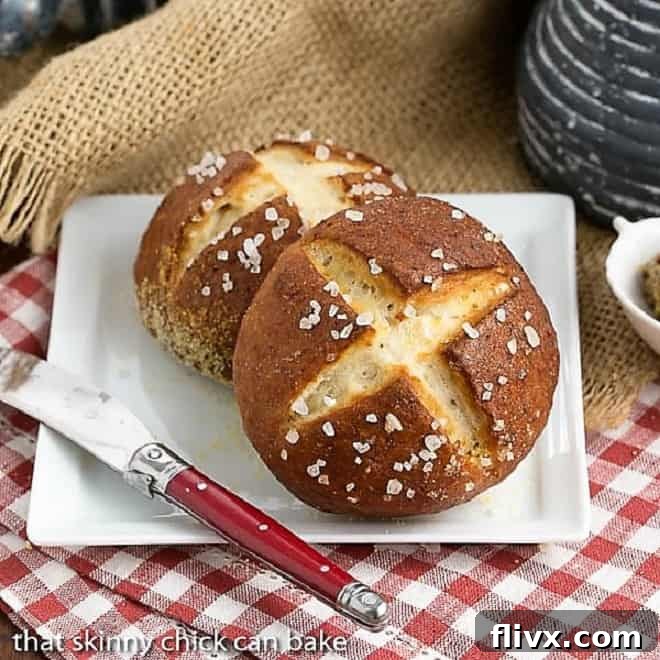
Mastering the Art of Homemade Pretzel Rolls: A Chewy Delight
There’s a special joy that comes with baking yeast bread from scratch. The comforting aroma that fills the kitchen, the mesmerising rise of the dough, and the sheer anticipation of that first warm, tender bite—it’s a truly rewarding culinary journey. So, when this month’s Progressive Eats theme was announced as a “Pretzel Party,” my mind immediately turned to crafting the most irresistible Homemade Pretzel Rolls. This particular challenge was an exciting one for me, as pretzel bread was a new frontier in my baking adventures, and I was utterly captivated by the unique, slightly unconventional process required to transform simple yeast dough into these golden-brown wonders. Prepare to be amazed by the depth of flavor and satisfying texture these rolls offer, a true testament to the magic of home baking.
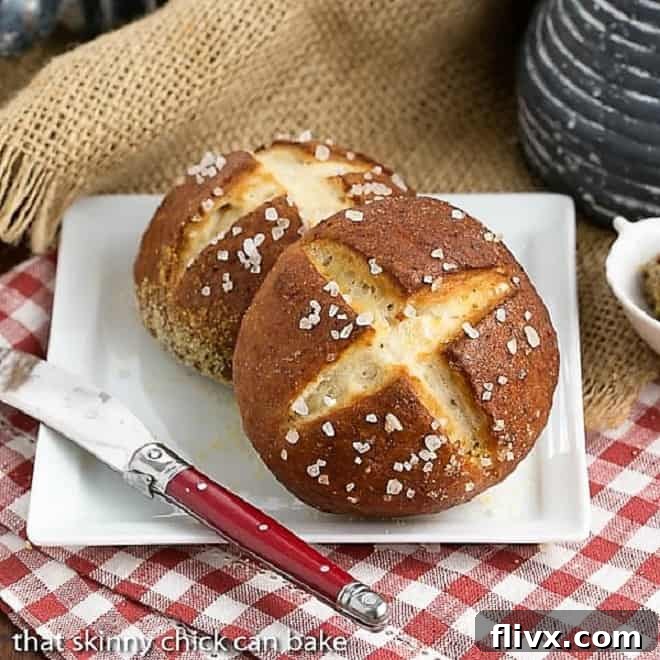
Why These Homemade Pretzel Rolls Will Become Your New Favorite Bake
If your pretzel experience has been limited to the crunchy, bagged variety, prepare for a culinary awakening. This recipe will introduce you to the most delicious, satisfying way to enjoy pretzels, transforming them into soft, chewy rolls that are simply unparalleled. These aren’t just rolls; they’re an experience, a delightful fusion of classic pretzel flavor and a comforting bread texture. They are proof that some of the best culinary treasures are born from unique, time-honored techniques.
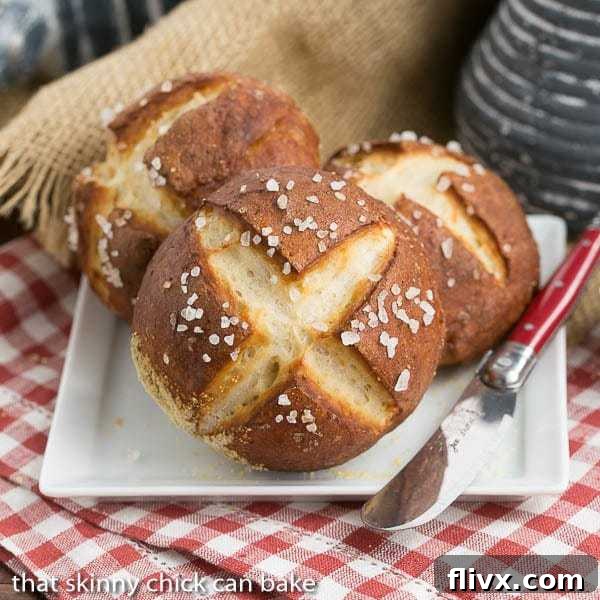
- A Symphony of Texture and Taste: Imagine a roll with a distinctively chewy, slightly crisp, and beautifully salty exterior, giving way to an incredibly soft, fluffy, and tender interior. That’s the hallmark of a perfectly executed pretzel roll. They encapsulate all the beloved characteristics of a classic soft pretzel, but in a more versatile, substantial bun format. Every bite offers a delightful contrast that will leave you craving more.
- The Intriguing Boiling-Then-Baking Method: What truly sets these rolls apart from conventional bread is their unique preparation. Much like bagels, these rolls undergo a quick boil in an alkaline water bath before they are baked. This crucial step is the secret behind their signature deep, glossy brown crust, their characteristic chewiness, and that unmistakable “pretzel” flavor that distinguishes them. It’s a fascinating process that yields remarkably delicious and visually appealing results.
- Unrivalled Homemade Quality: While commercially produced soft pretzels and rolls can be enjoyable, they rarely measure up to the superior taste and texture of a freshly baked homemade batch. These pretzel rolls offer a depth of flavor, a comforting warmth, and a tender chewiness that only comes from baking with care in your own kitchen. They are truly better than any pretzel you’ve ever eaten from a store, guaranteed to impress anyone who tries them.
- Remarkably Versatile and Crowd-Pleasing: Beyond being a delightful snack, these rolls are incredibly versatile. Serve them warm with a generous smear of butter, slice them open to create gourmet sandwich buns, offer them alongside a hearty soup or chili, or present them as a unique appetizer with a creamy beer cheese dip or spicy mustard. Their robust flavor and satisfying texture make them a fantastic addition to any meal or gathering, destined to be a conversation starter and a firm favorite.
Before diving into this recipe, the intricacies of making pretzel buns were a complete mystery to me. However, I soon discovered that a critical step involves a brief, yet transformative, dip in a steamy water bath after the first rise. This alkaline bath is what initiates the magic, contributing to the pretzel’s signature color and flavor. Another element I pondered was how to achieve that classic “X” mark across the top of the buns. A sharp serrated knife, I found, did the trick beautifully, creating clean, defined scores that open up perfectly during baking.
The secret behind their beautiful, deep brown color upon baking was also initially perplexing. Through research and experimentation, I’ve confirmed that it’s a direct result of that brief, approximately one-minute immersion in boiling water, which is generously spiked with baking soda and a touch of sugar. This alkaline solution on the surface of the dough dramatically accelerates the Maillard reaction during baking, creating that iconic deep hue and distinct pretzel flavor profile. My recipe is a culmination of insights from several sources, including one that suggested the intriguing addition of celery seeds. I opted for a generous pinch, and the resulting rolls tasted unmistakably like authentic pretzels! Was it solely the celery seed providing that specific je ne sais quoi? While its exact contribution might remain a subtle mystery, the overall outcome was an undeniable triumph!
The Essential Ingredients for Perfect Pretzel Rolls
Crafting these delectable pretzel rolls requires a thoughtful selection of ingredients, each playing a vital role in achieving their authentic taste and texture. While many are common kitchen staples, understanding their specific contributions is key to your baking success. Here’s a detailed look at what you’ll need to create these golden-brown masterpieces:
- Kitchen Staples: You’ll begin with fundamental pantry items such as reliable All-Purpose Flour, fine Salt (for the dough), rich Brown Sugar, granulated Sugar (for the boiling bath), and essential Baking Soda. These form the basic structure of our dough and the crucial alkaline solution for the water bath.
- Bread Flour: This ingredient is paramount for developing the characteristic chewy texture that defines authentic pretzel rolls. Bread flour contains a significantly higher protein content compared to all-purpose flour, which means it boasts more gluten. This increased gluten content provides superior structure and elasticity to the dough, allowing it to develop that satisfying, springy chewiness when baked. The combination of both all-purpose and bread flour in this recipe achieves a perfect balance of tenderness and chew.
- Yeast: For optimal convenience and reliable results, I highly recommend using an instant yeast, such as Red Star Platinum Yeast. Instant yeast is fantastic because it can be mixed directly with the dry ingredients without the need for prior proofing in liquid. Always, always check the expiration date of your yeast to ensure it’s fresh and active; expired yeast will fail to properly leaven your dough, leading to dense rolls.
- Celery Seed: This might strike you as an unconventional ingredient, but celery seed is a surprisingly traditional and common addition to many authentic pretzel recipes. While it doesn’t impart an overt “celery” flavor, it is widely believed to contribute a subtle, earthy, slightly bitter, and aromatic note that profoundly enhances the overall pretzel profile. It’s often the secret behind that indefinable je ne sais quoi that makes these rolls taste authentically like pretzels. Do not be tempted to omit it!
- Cornmeal: A light dusting of cornmeal on your baking sheets serves a dual, essential purpose. Firstly, it acts as a highly effective non-stick barrier, preventing your freshly boiled and baked rolls from adhering to the pan. Secondly, and just as importantly, it creates a wonderfully rustic, slightly crispy, and textural bottom crust on the pretzel rolls as they bake, adding another delightful layer of sensory enjoyment to each bite.
- Egg White and Coarse Salt: The egg white wash is an absolutely critical component for achieving that coveted beautiful, glossy, deep brown crust that is synonymous with pretzels. A whisked egg white, brushed generously over the rolls just before baking, also serves as an excellent adhesive for the coarse salt. Coarse salt, whether it’s specific pretzel salt or flaked sea salt, provides that iconic burst of briny flavor and a wonderful textural contrast on the exterior of each roll, enhancing the overall pretzel experience.
- Hot Milk: Warm milk plays a crucial role in activating the yeast and contributes to a softer, richer, and more tender dough compared to using water alone. It also adds a subtle depth of flavor. Ensure the milk is heated to the recommended temperature (125°F to 130°F). This temperature range is ideal for waking up the yeast and encouraging its activity without being so hot as to kill it.
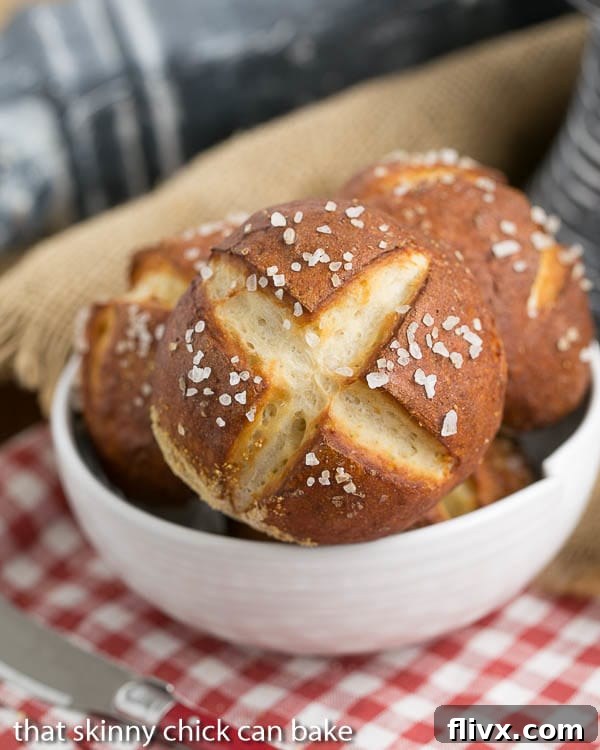
Master Your Homemade Pretzel Rolls: Expert Baking Tips for Success
Baking pretzel rolls, especially with their unique boiling step, can seem a little daunting at first. However, with these expert tips and insights, you’ll be well-equipped to achieve perfect results every single time. Follow these guidelines closely to ensure your homemade pretzel rolls are wonderfully chewy, boast a beautiful deep golden-brown crust, and are packed with that authentic, irresistible pretzel flavor.
- Strategic Water Bath Preparation: The boiling step is not merely optional; it is absolutely essential for creating authentic pretzel rolls. Before you even begin shaping your rolls for their second rise, make sure you have a large pot of water simmering on the stove. This proactive step ensures the water is at a rolling boil and perfectly ready the moment your rolls have finished proofing. Timing is key here to prevent the dough from over-proofing while you wait for the water.
- PRO-Tip: The Alkaline Bath is Your Secret Weapon: This isn’t just any boil! It’s crucial to generously spike your boiling water with both baking soda and a touch of sugar. The baking soda creates an alkaline environment, which is paramount for promoting the Maillard reaction. This reaction is responsible for giving pretzels their distinctive deep, dark color, incredibly chewy texture, and their signature flavor. When you add the baking soda, anticipate a vigorous foaming – this reaction is entirely normal and a sign that you’re doing it right, so don’t be alarmed! This alkaline bath provides a safe, home-kitchen alternative to traditional lye baths.
- PRO-Tip: Precision Scoring for Aesthetics and Function: To achieve that iconic “X” slash across the top of each bun, employ a very sharp serrated knife. Make quick, confident, and deliberate cuts. These slashes are more than just decorative; they are functional. They allow the dough to expand evenly and beautifully during baking, ensuring a consistent rise and preventing uncontrolled cracking. Furthermore, these perfectly scored lines create an ideal spot to pull apart your warm roll, especially when adding a dollop of butter!
- Embrace the Power of Celery Seed: While you might not detect an obvious “celery” taste in the finished product, the celery seed is a quiet yet powerful contributor to the overall authentic pretzel flavor profile. It’s an ingredient found in countless traditional pretzel recipes for a significant reason. Adding a generous pinch to your dough helps to build that subtle, complex, and genuinely authentic savory flavor that truly elevates these rolls from good to extraordinary.
- Welcome the Deep Brown Crust: Do not mistake that rich, deep brown crust for overbaking; it is, in fact, the quintessential hallmark of a perfectly made pretzel roll. This magnificent color is a direct and desirable result of the alkaline boiling water bath initiating chemical changes on the dough’s surface, followed by the Maillard reaction that intensifies during oven baking. The brief but crucial minute spent in that boiling, baking soda-spiked water jumpstarts this process, leading to a beautifully caramelized, flavorful crust in the oven.
- Gentle Handling After Boiling: Once your rolls have had their quick dip in the boiling bath, they will be quite delicate and soft. Use a slotted spoon or a spider ladle to carefully transfer them from the water directly to your prepared baking sheet. Ensure the cut side is facing upwards on the tray to allow for proper expansion during baking and to achieve that visually appealing finish.
- The Importance of Cooling: While the aroma emanating from the oven will be incredibly tempting, resist the urge to devour them immediately. Allowing the rolls to cool for at least 10 minutes on a wire rack is a vital step. This cooling period allows the internal structure of the bread to set properly, preventing it from becoming gummy or overly dense. They will still be wonderfully warm, but with a significantly improved, more authentic texture.
Frequently Asked Questions About Pretzels and Pretzel Rolls
What Is the Origin of Pretzels?
The fascinating history of pretzels can be traced back to the Roman Empire. The iconic knotted shape, often thought to resemble arms crossed in prayer, is widely believed to have originated in the 7th century, possibly crafted by European monks. Legend has it that these early pretzels were given as rewards to children who memorized their prayers and religious lessons. From these humble and devotional beginnings, pretzels evolved and spread throughout Europe, eventually finding their way to the United States. It wasn’t until 1861 that pretzels began to be manufactured on a larger, more commercial scale in the US, marking the beginning of their widespread popularity as a beloved snack.
Why Are Pretzels Shaped in a Knot?
The distinctive and instantly recognizable pretzel knot has several theories surrounding its origin, deeply rooted in history and legend. The most endearing and commonly accepted tale suggests that a monk, often credited with the invention of pretzels, shaped them to represent the crossed arms of a child in prayer. He would then distribute these baked delights as an incentive and a delicious reward for young students who successfully learned and recited their prayers. This deeply symbolic shape has persevered through centuries, becoming an enduring and iconic emblem of the pretzel.
What Do Pretzel Rolls Taste Like?
Pretzel rolls offer a truly unique and utterly irresistible flavor profile that distinguishes them from ordinary bread. They taste precisely like traditional soft pretzels, characterized by a wonderfully chewy and slightly crisp exterior that is generously coated with coarse salt. Beneath that flavorful, often glossy crust, lies a soft, airy, and tender interior. Each bite delivers a delightful contrast of textures and a savory taste that is both comforting and distinctly authentic. The subtle influences from the alkaline baking soda bath and the optional, yet recommended, celery seeds contribute to this complex and satisfying flavor.
What Can I Serve With Homemade Pretzel Rolls?
The versatility of homemade pretzel rolls is one of their greatest culinary strengths! They are absolutely fantastic simply warmed and spread generously with butter. For a more substantial meal, consider using them as unique and flavorful sandwich buns for deli meats, cheeses, or grilled vegetables. They pair beautifully with a variety of savory dips, such as a rich beer cheese, tangy mustard, or even a creamy spinach artichoke dip. Don’t hesitate to serve them alongside hearty soups, robust stews, chili, or as a distinctive accompaniment to grilled sausages, bratwurst, or a classic Reuben sandwich. Their robust flavor and satisfying texture hold up exceptionally well to a wide array of toppings and culinary pairings.
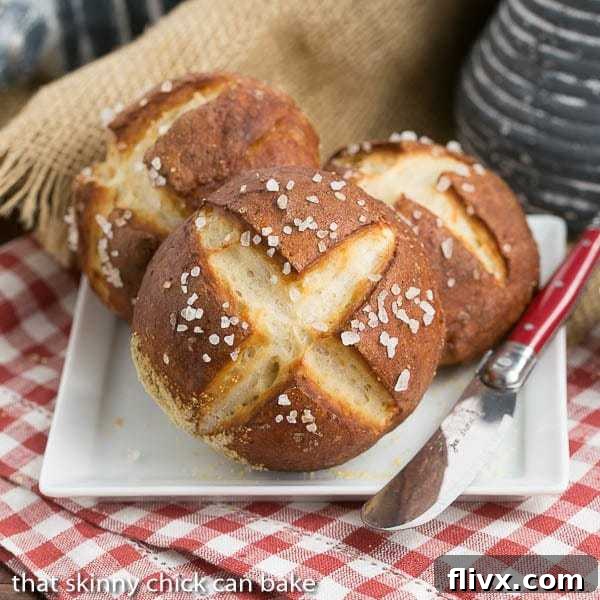
Explore More Delicious Baking and Dessert Ideas
If you’ve thoroughly enjoyed the process of making these delightful homemade pretzel rolls, you might find joy in exploring other complementary or similarly satisfying recipes. Here are a few curated suggestions to inspire your next culinary adventure and expand your baking repertoire:
- Chocolate Peanut Butter Pie with Pretzel Crust from Creative Culinary – for an irresistible sweet and salty dessert twist that utilizes pretzels in a whole new way.
- Triple Berry Pretzel Dessert from Miss in the Kitchen – a refreshing and vibrant fruit dessert beautifully complemented by a crunchy pretzel base.
- Challah Pretzels – an innovative recipe that skillfully combines the rich, slightly sweet flavor of challah with the unique texture and taste of pretzels for a truly special bread.
- This Cheddar Cheese Biscuit Recipe goes wonderfully with entree salads and hearty soups! – another savory bread option that is easy to make and incredibly versatile.
- Rolo Pretzel Bites – a quick, simple, and utterly addictive sweet and salty snack perfect for parties or a delightful treat.
- Discover a treasure trove of more fantastic Yeast Bread Recipes to expand your baking skills and delight your palate.
Stay connected and never miss out on more delicious recipes and baking inspiration! Follow me on Instagram, Facebook, and Pinterest. Don’t forget to tag me when you whip up one of my recipes – I love seeing your creations! And if you absolutely adore the results, please consider leaving a 5-star rating in the recipe card below; your feedback and support truly mean the world!
The Recipe:
Homemade Pretzel Rolls
30 minutes
25 minutes
55 minutes
8 rolls
These tasty homemade yeast rolls perfectly capture the iconic chewy texture and savory flavor of pretzels!
Ingredients
- 2 cups bread flour
- ¾ cup all-purpose flour
- 1 envelope instant yeast (I used Red Star Platinum Yeast)
- 1 ½ teaspoons salt (for dough)
- 1 tablespoon brown sugar (for dough)
- 1 generous pinch of celery seeds
- 1 cup hot milk (125°F to 130°F)
- Cornmeal (for dusting baking sheets)
- 8 cups water (for boiling bath)
- ¼ cup baking soda (for boiling bath)
- 2 tablespoons sugar (for boiling bath)
- 1 egg white, whisked (for egg wash)
- Coarse salt (for topping)
Instructions
- Prepare the Dough: Combine both types of flour, instant yeast, 1 ½ teaspoons salt, brown sugar, and a generous pinch of celery seeds in a food processor. Pulse briefly to blend.
- Knead: With the processor running, gradually add the hot milk and let it knead for about 1 minute until the dough is smooth and elastic.
- First Rise: Place dough in a greased bowl, flipping once to ensure all sides are greased. Cover with plastic wrap, then a towel, and let rise in a warm, draft-free spot until doubled in volume, 35-50 minutes.
- Shape: Flour a baking sheet. Punch dough down and knead on a lightly floured surface until smooth. Divide into 8 equal pieces. Form each dough piece into a ball and place on the floured baking sheet. Flatten balls slightly.
- Score and Second Rise: Using a sharp serrated knife, cut an “X” across the top of each dough ball. Cover with a towel and let dough balls rise until almost doubled in volume, about 30 minutes.
- Preheat & Prepare: Preheat the oven to 375°F (190°C). Grease another baking sheet and sprinkle generously with cornmeal.
- Boiling Bath: Bring 8 cups of water to a rolling boil in a large pot. Carefully add the ¼ cup baking soda and 2 tablespoons sugar (the water will foam up furiously; this is normal). Add 4 rolls at a time and cook for 30 seconds per side.
- Transfer: Using a slotted spoon, transfer the boiled rolls to the prepared baking sheet, ensuring the cut side is facing up. Repeat with the remaining rolls.
- Glaze & Salt: Brush the rolls generously with the whisked egg white glaze. Immediately sprinkle the tops with coarse salt.
- Bake: Bake the rolls until they are deep golden-brown, 22-25 minutes. Transfer to racks and cool for 10 minutes.
- Serve: Serve rolls warm or at room temperature. Enjoy!
Notes
The technique for the boiling bath is adapted from classic pretzel-making methods, ensuring an authentic taste and texture.
Sodium content in the nutrition information is calculated factoring in the salt used in the boiling water bath, which contributes significantly to the overall sodium but much of it is for surface seasoning and not fully ingested.
Nutrition Information:
Yield:
8
Serving Size:
1 roll
Amount Per Serving:
Calories: 258
Total Fat: 2g
Saturated Fat: 1g
Trans Fat: 0g
Unsaturated Fat: 1g
Cholesterol: 2mg
Sodium: 2396mg
Carbohydrates: 52g
Fiber: 2g
Sugar: 5g
Protein: 8g
Please note: The sodium content provided in the nutrition information is significantly influenced by the salt added to the boiling water bath, much of which is for surface seasoning and not fully absorbed into the rolls.