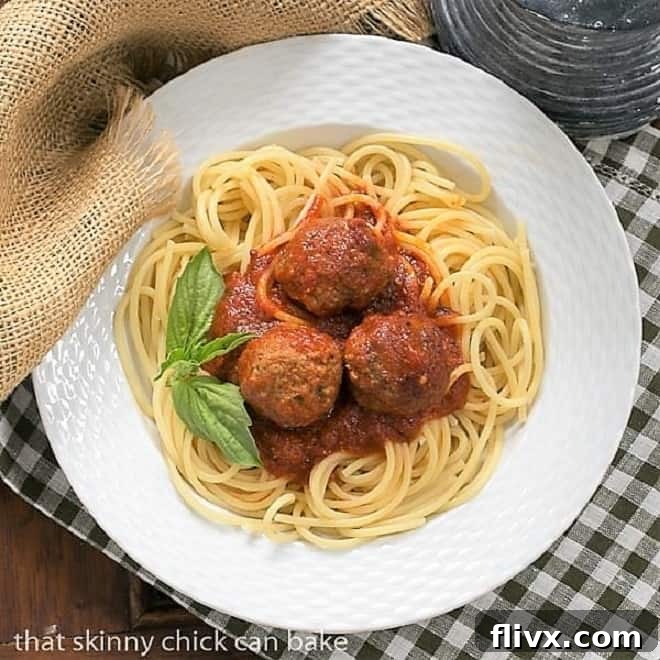
This Classic Italian Meat Sauce, often lovingly referred to as Italian Sunday Gravy, is an unparalleled culinary experience. It simmers gently for hours, filling your home with an aroma that promises warmth, comfort, and an unforgettable meal. Each spoonful is a journey through layers of rich, savory flavor, guaranteed to elicit groans of pure pleasure from all who indulge. This isn’t just a meal; it’s a tradition, a celebration of heritage, and the ultimate expression of slow-cooked perfection.
There are countless spaghetti sauce recipes out there, but this one stands head and shoulders above the rest. It’s hands down the Best Spaghetti Sauce Recipe I’ve ever made, and while it requires a little patience, the incredible depth of flavor makes it absolutely worth every moment of the wait. Prepare to transform your kitchen into an Italian trattoria and your dining table into a family feast.
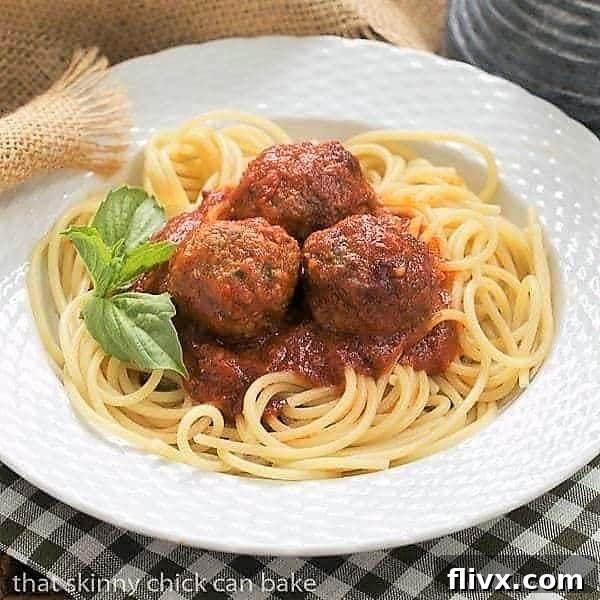
Why This Slow-Simmered Italian Meat Sauce is a Culinary Essential
For many, a typical weeknight spaghetti sauce recipe is a quick affair – a toss of canned tomatoes, a squeeze of paste, a sprinkle of Italian herbs, and perhaps a glug of red wine if there’s an open bottle. It’s functional, often tasty, and gets dinner on the table. Sometimes, Italian sausage or meatballs might make an appearance, but the result is rarely consistent, and almost never truly extraordinary. While there are fantastic quick alternatives like an Italian Chicken Bake for fabulous flavor in a pinch, or a simple Homemade Tomato Basil Sauce for a meatless option, they simply can’t compare to the richness achieved through hours of slow cooking.
But then there are those special occasions, like a lazy, chilly Sunday afternoon when time is on your side. This is when you pull out all the stops, ready to embark on a culinary journey that transforms simple ingredients into something truly magnificent. This is when you make a classic Italian Sunday gravy. It’s a labor of love, beginning with robust country ribs and savory Italian sausage, building layers upon layers of flavor that only deepen and intensify as the pot slowly cooks for hours on the stovetop. This method, passed down through generations, is a testament to the wisdom of Italian mamas who knew exactly how to coax maximum flavor from their ingredients. This Italian meat sauce isn’t just a recipe; it’s a winner, a tradition, and a taste of authentic Italian-American comfort.
The Magic of Slow Simmering
What makes this particular meat sauce so exceptional? It’s the deliberate, unhurried process of slow simmering. Unlike a quickly cooked sauce, which might offer bright, fresh flavors, a slow-simmered gravy allows the ingredients to truly meld and deepen. The meats break down, releasing their savory juices into the tomato base, creating a velvety texture and an incredibly complex flavor profile. The acidity of the tomatoes mellows, and the herbs infuse every element, resulting in a sauce that is both robust and incredibly comforting.
Think of it as an edible hug, a dish that evokes memories of family gatherings and home-cooked meals. This isn’t just food; it’s an experience, a connection to a rich culinary heritage that values patience and quality above all else.
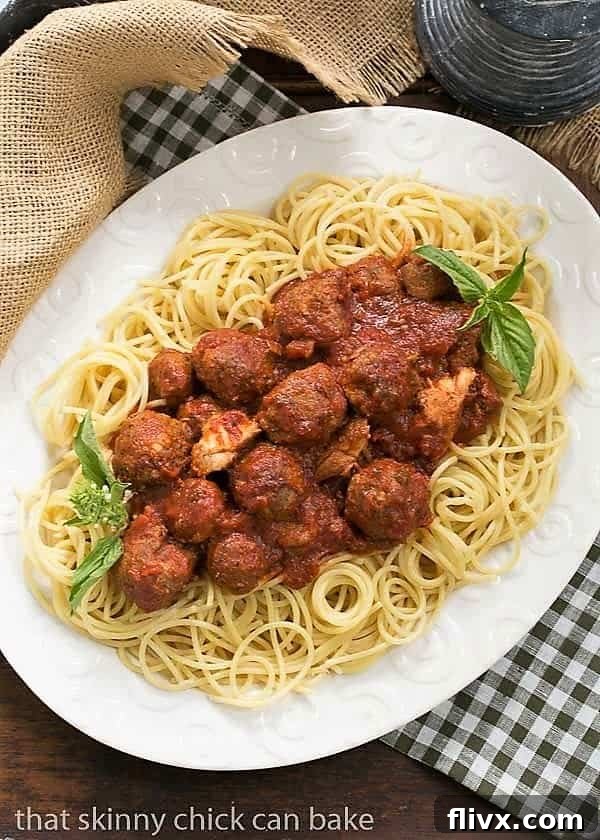
Mastering Your Homemade Pasta Sauce: Essential Tips for Success
Crafting this homemade pasta sauce is an art that cannot be rushed. It’s the perfect endeavor for a leisurely Sunday afternoon, precisely when your agenda is clear and you can savor the process. To ensure your Italian meat sauce reaches its full potential, here are some invaluable tips:
- PRO-Tip: Embrace Bone-In Meats for Unrivaled Flavor. Bone-in pork ribs are absolutely crucial for this recipe. The bones themselves are packed with collagen, marrow, and connective tissue, which slowly break down during simmering. This process releases a wealth of gelatin and umami-rich compounds into the sauce, creating a depth of flavor and a luxurious mouthfeel that boneless cuts simply cannot achieve. Do not substitute with boneless ribs if you want the authentic, robust taste.
- Select Superior Italian Sausage. Good quality Italian sausage is a cornerstone of this gravy. It contributes an irresistible blend of savory fat and aromatic spices, enriching the sauce with its distinctive character. Seek out sausage from a reputable butcher or an authentic Italian market for the best flavor. Both mild and hot varieties work well, depending on your preference for spice.
- Don’t Skip the Red Wine (Unless for Health Reasons). Red wine acts as a powerful flavor enhancer. Its complex notes add acidity and fruitiness, deglazing the pan and picking up all those delicious browned bits from the meat. Almost all the alcohol evaporates during the long simmering process, leaving behind only its rich flavor contribution, making it safe for children to eat.
- PRO-Tip: Alcohol as a Flavor Enhancer. Similar to salt, alcohol is a potent flavor enhancer. It helps dissolve and carry aromatic compounds, allowing them to better integrate into the sauce and be perceived by your palate. Unless you have specific health or dietary restrictions, including the red wine will significantly elevate the overall taste.
- Understanding the Art of Simmering. Simmering this Italian meat sauce for at least 3 hours is not merely a suggestion; it’s essential for all the flavors to develop, meld, and concentrate. Simmering means maintaining a very gentle bubble, just above a bare whisper, not a vigorous boil. A hard boil will break down the ingredients too quickly, evaporate too much liquid, and can lead to a less refined flavor.
- Proper Simmering Technique. Always simmer with the lid slightly askew. This allows steam to escape gradually, preventing the sauce from becoming too thin while still allowing for some moisture retention. If the sauce begins to get too thick, add a little water, broth, or even more red wine, a quarter cup at a time, until the desired consistency is achieved. Remember to stir the sauce occasionally, especially every half hour or so, to prevent it from sticking to the bottom of the pot and burning.
- Invest in Quality Ingredients. When you’re putting in the effort to make such a fabulous Italian gravy, compromise is not an option. Use the best ingredients available. Canned San Marzano tomato products are highly recommended as they are known for their sweet, balanced flavor and lower acidity, outshining most other canned tomatoes. For Italian sausage, purchasing from a local butcher shop or an authentic Italian market will provide superior flavor and quality compared to standard grocery store options.
- Garlic: Fragrant, Not Browned. When cooking garlic, the goal is to gently sauté it until it becomes fragrant and translucent, typically for about 30 seconds to a minute. Do not allow it to brown or burn, as burnt garlic turns bitter and can impart an unpleasant taste to the entire sauce.
- PRO-Tip: Browning the Tomato Paste. After sautéing the garlic, add the tomato paste and cook it for several minutes, stirring frequently. This step is crucial! Browning the tomato paste helps to caramelize its natural sugars, deepening its color and concentrating its rich, sweet-savory flavors. This small but significant step adds tremendous complexity and umami to your sauce.
- Make-Ahead & Freezing: This sauce is even better the next day! Prepare it ahead of time and gently reheat. It also freezes beautifully. Portion cooled sauce into freezer-safe containers or bags and freeze for up to 3-4 months. Thaw in the refrigerator overnight before reheating.
Frequently Asked Questions About Classic Italian Meat Sauce
The distinction between “sauce” and “gravy” in Italian-American cuisine is fascinating and often a point of lively debate, particularly in different regions of the United States. Growing up in Iowa, with a background of German and Irish heritage, what topped our spaghetti was always referred to as “sauce.” It wasn’t until I connected with food enthusiasts across the country that I realized the depth of the sauce vs. gravy discussion.
Generally, those of Italian heritage, especially in the Northeastern states, are more likely to refer to this slow-cooked, tomato-based meat sauce as “gravy” or “Sunday Gravy.” This isn’t because there’s an exact Italian word for gravy (which typically describes a thickened liquid made from meat juices, often with flour or cornstarch). Instead, it’s believed to be an Italian-American colloquialism, possibly stemming from the richness and heartiness of a sauce that has simmered for hours with various meats, making it more akin to the rich, substantial gravies of other cuisines. Whatever your preferred term – be it “sauce” or “gravy” – I am confident you will absolutely adore this Spaghetti Sauce Recipe. It’s truly the perfect, heartwarming dish for any chilly evening.
Developing a truly flavorful pasta sauce involves understanding several key components and how they interact:
- Umami Powerhouses: Salt and alcohol (especially dry red wine) are indeed fantastic flavor enhancers, awakening the taste buds. Beyond these, the savory sense of taste, umami, is heavily contributed by ingredients like sausage and pork ribs in this recipe. Tomatoes and especially concentrated tomato paste are also rich sources of umami. While not in this specific recipe, ingredients like mushrooms (sautéed until deeply golden) are another excellent source of umami and can be added if desired.
- Aromatics: Onions, garlic, and fresh herbs like parsley and basil form the aromatic base. Sautéing them gently to release their essential oils without browning creates a foundational layer of flavor.
- Acidity Balance: Tomatoes provide natural acidity. A touch of sugar (as included in this recipe) can help balance this acidity, making the sauce taste more rounded and less sharp. Red wine also adds a pleasant acidity.
- Spices and Herbs: Dried basil, oregano, a bay leaf, and freshly ground black pepper are classic additions that provide aromatic depth. Fresh herbs, added towards the end of cooking or as a garnish, offer a brighter, fresher flavor.
- Browning and Caramelization: The initial browning of the meats and the caramelization of the tomato paste are critical steps. These processes create complex, deep flavors through the Maillard reaction, which are then incorporated into the sauce as it simmers.
- Time: Perhaps the most crucial ingredient is time. Slow simmering allows all these individual flavors to meld, deepen, and transform, creating a harmonious and complex sauce that simply cannot be achieved quickly.
A hearty spaghetti dinner, especially with a rich Italian meat sauce, calls for classic pairings that complement its robust flavors and add balance to the meal:
- Garlic Bread: Indulgent Cheesy Garlic Bread is a non-negotiable classic. Its crisp crust, soft interior, and garlicky, buttery goodness are perfect for soaking up every last drop of that incredible sauce.
- Fresh Green Salad: A vibrant, crisp Green Salad provides a refreshing contrast to the richness of the pasta. A simple vinaigrette dressing with good olive oil and red wine vinegar is often all you need.
- Caprese Salad: For a touch of elegant freshness, a Caprese salad with ripe tomatoes, fresh mozzarella (or burrata), basil, and a drizzle of balsamic glaze is always a winner.
- Roasted Vegetables: Roasted vegetables like green beans, broccoli, or asparagus offer a tender-crisp texture and a touch of sweetness that pairs beautifully with the savory sauce.
- Wine Pairing: For beverages, a robust red wine like Chianti, Sangiovese, or a Zinfandel will complement the rich meat sauce beautifully. For non-alcoholic options, sparkling water with lemon or a traditional Italian soda would be lovely.
Absolutely! In fact, this Italian meat sauce often tastes even better the day after it’s made. The flavors have more time to meld and deepen, resulting in an even richer and more harmonious taste. Prepare the sauce as directed, let it cool completely, then refrigerate it in an airtight container for up to 3-4 days. Reheat gently on the stovetop over low heat, stirring occasionally, until warmed through. You might need to add a splash of water or broth to adjust the consistency.
Leftover sauce should be stored in an airtight container in the refrigerator for up to 3-4 days. For longer storage, this sauce freezes exceptionally well. Once completely cooled, portion the sauce into freezer-safe containers, heavy-duty freezer bags, or even ice cube trays for smaller servings. It can be frozen for up to 3-4 months. When ready to use, thaw overnight in the refrigerator or gently reheat from frozen over low heat on the stovetop.
Explore More Italian-Inspired Delights: You May Also Like These Recipes
If you loved this classic Italian meat sauce, you’ll surely enjoy exploring these other delightful Italian-inspired dishes that bring comfort and flavor to your table:
- Creamy Chicken Marsala: A decadent and savory dish perfect for a special meal.
- Italian Skillet Sausage and Peppers: A quick and flavorful one-pan meal that’s hearty and satisfying.
- Mozzarella Stuffed Meatballs: Juicy meatballs with a surprise cheesy center, ideal for pairing with any pasta.
- Classic Italian Meat Sauce: Another take on a beloved classic for comparison or variety.
- Chicken Piccata Pasta: Bright and zesty, a lighter pasta dish with capers and lemon.
- Plus, don’t forget to check out all my favorite Pasta Recipes for endless inspiration!
Stay in touch through social media @ Instagram, Facebook, and Pinterest. Don’t forget to tag me when you try one of my recipes! And if you love the results, please give it a 5-star rating in the recipe card.
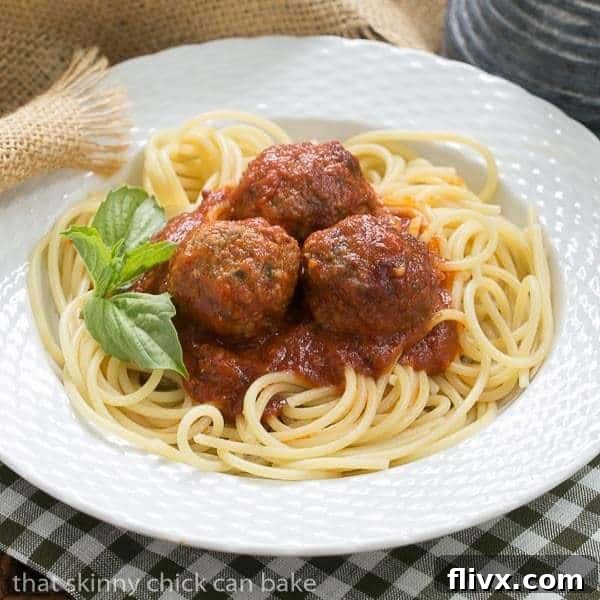
Classic Italian Meat Sauce
20 minutes
3 hours
3 hours 20 minutes
8 servings
This classic slow cooked Italian Meat Sauce is adapted from Vita Greco
Ingredients
- 2 tablespoons olive oil
- 4 country style pork ribs
- 1 pound Italian sausage links, may slice or keep whole
For meatballs:
- 1 pound meatball mix (equal parts ground beef, ground pork, and ground veal) or all ground beef
- 2 eggs, slightly beaten
- 2 tablespoons fresh Italian parsley, chopped
- ¼ cup grated Romano cheese (or Parmesan)
- ½ cup bread crumbs
- 4 cloves of garlic, minced
- ½ teaspoon salt
- Freshly ground black pepper
For meat sauce:
- 4 cloves garlic, minced
- 1 small can tomato paste
- 2 large cans crushed tomatoes
- Freshly ground black pepper
- Salt to taste
- 1 teaspoon sugar
- A few pinches of Romano or Parmesan
- ¼ cup fresh Italian parsley, chopped
- 1 tablespoon dried basil
- 1 small can tomato sauce
- ½ cup dry red wine
- 1 small can water
Instructions
- In a Dutch oven, brown Italian sausage and pork ribs in a bit of olive oil. Pierce the sausage casings while the first side is browning. Remove and set aside.
- Make meatballs by mixing all ingredients. Scoop out tablespoons of mixture and form into balls.
- Brown in oil left in the Dutch oven, adding more if needed. Remove when browned but not cooked through.
- Add garlic to Dutch oven and sauté till fragrant; do not brown. Add tomato paste and cook for a few minutes.
- Add the rest of the sauce ingredients and bring to a simmer. Add the meat (sausage, ribs, meatballs) to the sauce.
- Simmer for about 3 hours with the lid partially covering the pan. Stir every half hour or so to prevent the bottom from burning.
- Remove the ribs from the sauce, pull the meat from the bones discarding any excess fat, and return the meat to the sauce. Serve over spaghetti.
Nutrition Information:
Yield:
8
Serving Size:
1
Amount Per Serving:
Calories: 707Total Fat: 49gSaturated Fat: 17gTrans Fat: 0gUnsaturated Fat: 32gCholesterol: 198mgSodium: 1317mgCarbohydrates: 18gFiber: 3gSugar: 6gProtein: 46g
HOW MUCH DID YOU LOVE THIS RECIPE?
Please leave a comment on the blog or share a photo on Pinterest